
-
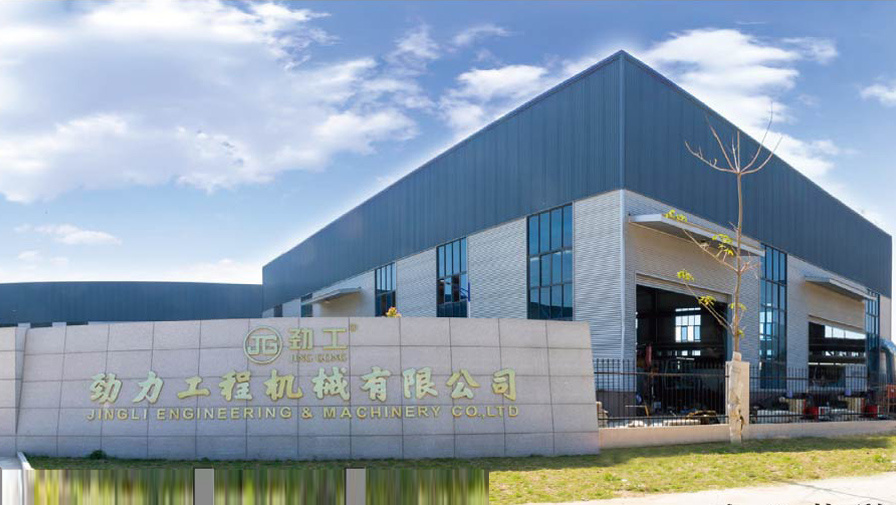
About UsQuanzhou Jinli Engineering Machinery Co., Ltd., established in July 2006, is a professional manufacturer specializing in design, development, production, and sales of equipment machinery.
-
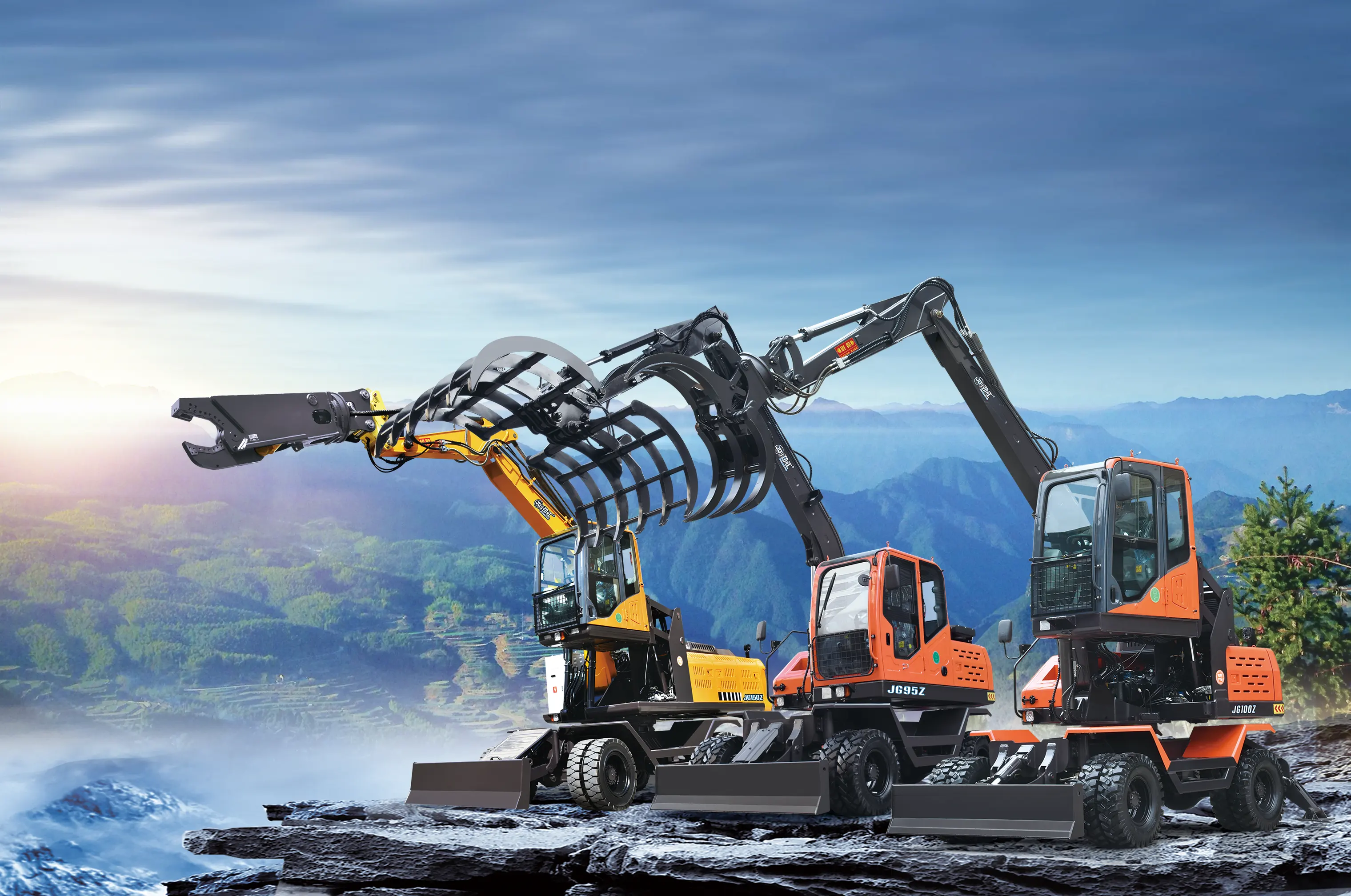
ProductsConstruction machinery: tire excavator, crawler excavator; Forestry machinery: bamboo and wood (sugarcane) picking and loading machines, multifunctional transfer machines; Harvesting machinery: whole rod sugarcane combine har
-
NewsJinggong adheres to the business philosophy of "technology supporting enterprises, quality bearing heavy trust", constantly develops new products guided by market demand, and presents satisfactory products to our customers.

-
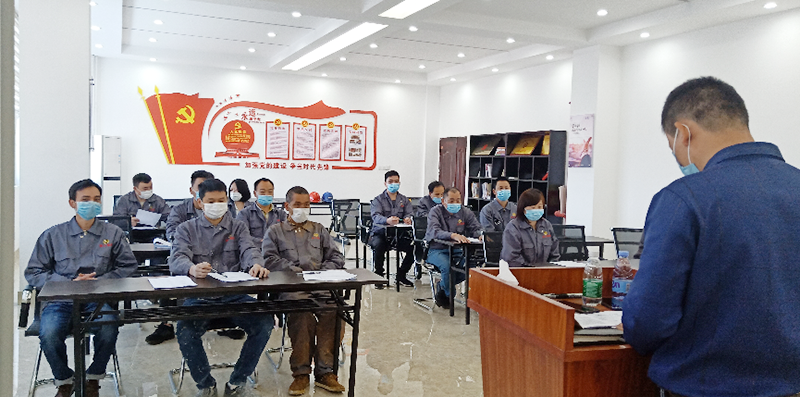
ServiceSince its establishment, we have always adhered to the service philosophy of "being close, caring, full lifecycle, and full value chain".
-
Contact UsCorporate Honors We provide our customers not only with advantageous products, technologies, and services, but also with a comprehensive solution to meet diverse needs, thereby continuously creating value for customers and he


Online Inquiry

JINGONG
NEWS
Railway Special Machinery: A Guide to the World of Construction and Engineering Equipment
TIME:2023-10-10 19:00
Introduction:
Railway special machinery plays a vital role in the construction and engineering sector, particularly in the domain of excavating machinery. This article aims to provide a comprehensive overview of the different types of machinery used in the railway industry, their functions, and the benefits they offer. Whether you are a professional in the field or simply curious about these heavy-duty machines, this guide will give you valuable insights into the world of railway special machinery.
1. Excavators:
Excavators are indispensable in the construction and engineering industry, and railway special machinery is no exception. These machines are specifically designed to efficiently dig, move, and transport large quantities of soil and debris. From small-scale operations to large railway projects, excavators are crucial in creating a solid foundation for rail tracks and other infrastructure.
2. Tamping Machines:
Tamping machines are used to ensure the stability and alignment of railway tracks. These machines apply a significant amount of force to compact the ballast beneath the tracks, providing a stable and secure platform for trains. By properly aligning and leveling the tracks, tamping machines play a crucial role in maintaining the safety and efficiency of railway operations.
3. Ballast Regulators:
Ballast regulators are specialized machines that help distribute and shape the ballast beneath the tracks. By precisely adjusting the ballast levels, these machines ensure proper drainage and prevent the tracks from shifting or becoming unstable. Ballast regulators are essential for maintaining the longevity and stability of railway tracks, ultimately enhancing the safety and reliability of train travel.
4. Track Laying Machines:
Track laying machines are used to efficiently and accurately lay new tracks during railway construction or maintenance. These machines can carry and position railway sleepers, align tracks, and secure them in place. By streamlining the track laying process, these machines significantly reduce labor requirements and expedite project timelines.
5. Rail Grinders:
Rail grinders are specialized machines that maintain and restore the profile of railway tracks. Over time, tracks can experience wear and deformations, impacting train stability and safety. Rail grinders remove imperfections, such as corrugation and surface defects, ensuring smooth and safe train operations. By restoring the tracks' original profile, rail grinders enhance ride comfort and reduce maintenance costs.
Conclusion:
Railway special machinery is a crucial component of the construction and engineering industry, specifically in the realm of railway infrastructure. From excavators and tamping machines to ballast regulators, track laying machines, and rail grinders, each type of machinery brings unique benefits to the table. By understanding their functions and applications, professionals in the field can optimize their operations and ensure safe and efficient railway systems. Stay tuned for more updates on the latest advancements in railway special machinery!
Railway special machinery plays a vital role in the construction and engineering sector, particularly in the domain of excavating machinery. This article aims to provide a comprehensive overview of the different types of machinery used in the railway industry, their functions, and the benefits they offer. Whether you are a professional in the field or simply curious about these heavy-duty machines, this guide will give you valuable insights into the world of railway special machinery.
1. Excavators:
Excavators are indispensable in the construction and engineering industry, and railway special machinery is no exception. These machines are specifically designed to efficiently dig, move, and transport large quantities of soil and debris. From small-scale operations to large railway projects, excavators are crucial in creating a solid foundation for rail tracks and other infrastructure.
2. Tamping Machines:
Tamping machines are used to ensure the stability and alignment of railway tracks. These machines apply a significant amount of force to compact the ballast beneath the tracks, providing a stable and secure platform for trains. By properly aligning and leveling the tracks, tamping machines play a crucial role in maintaining the safety and efficiency of railway operations.
3. Ballast Regulators:
Ballast regulators are specialized machines that help distribute and shape the ballast beneath the tracks. By precisely adjusting the ballast levels, these machines ensure proper drainage and prevent the tracks from shifting or becoming unstable. Ballast regulators are essential for maintaining the longevity and stability of railway tracks, ultimately enhancing the safety and reliability of train travel.
4. Track Laying Machines:
Track laying machines are used to efficiently and accurately lay new tracks during railway construction or maintenance. These machines can carry and position railway sleepers, align tracks, and secure them in place. By streamlining the track laying process, these machines significantly reduce labor requirements and expedite project timelines.
5. Rail Grinders:
Rail grinders are specialized machines that maintain and restore the profile of railway tracks. Over time, tracks can experience wear and deformations, impacting train stability and safety. Rail grinders remove imperfections, such as corrugation and surface defects, ensuring smooth and safe train operations. By restoring the tracks' original profile, rail grinders enhance ride comfort and reduce maintenance costs.
Conclusion:
Railway special machinery is a crucial component of the construction and engineering industry, specifically in the realm of railway infrastructure. From excavators and tamping machines to ballast regulators, track laying machines, and rail grinders, each type of machinery brings unique benefits to the table. By understanding their functions and applications, professionals in the field can optimize their operations and ensure safe and efficient railway systems. Stay tuned for more updates on the latest advancements in railway special machinery!
Related News
Contact Us
No. 88, Pan Cuo, Jiaonan Village, Heshizhen, Luojiang District, Quanzhou City, Fujian Province


