
-
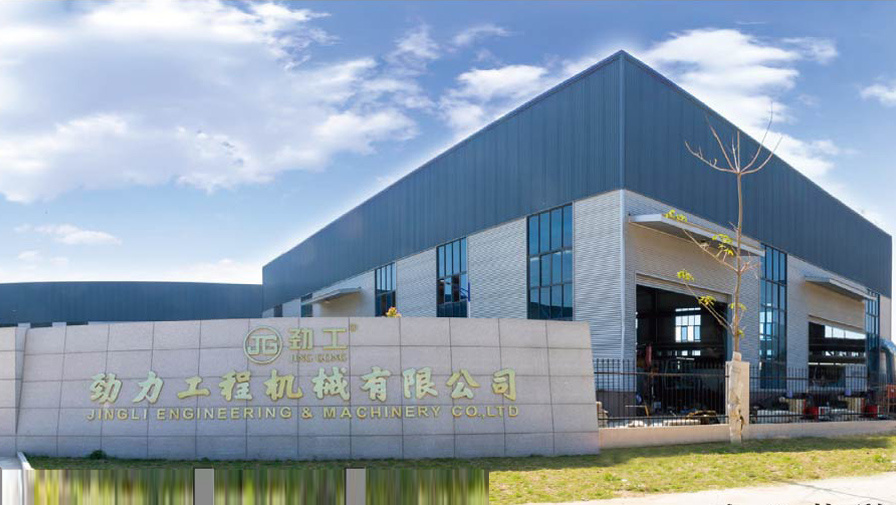
About UsQuanzhou Jinli Engineering Machinery Co., Ltd., established in July 2006, is a professional manufacturer specializing in design, development, production, and sales of equipment machinery.
-
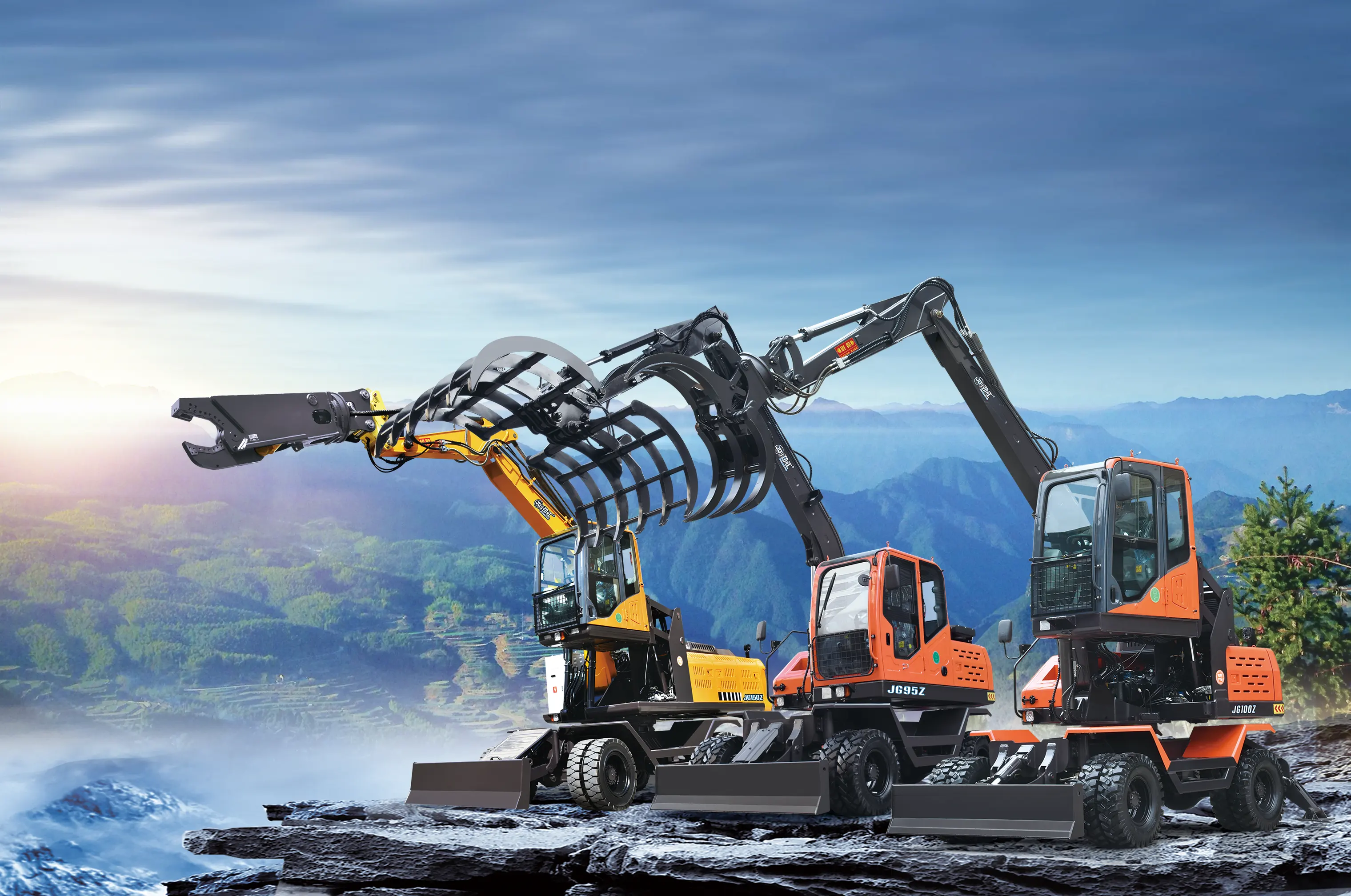
ProductsConstruction machinery: tire excavator, crawler excavator; Forestry machinery: bamboo and wood (sugarcane) picking and loading machines, multifunctional transfer machines; Harvesting machinery: whole rod sugarcane combine har
-
NewsJinggong adheres to the business philosophy of "technology supporting enterprises, quality bearing heavy trust", constantly develops new products guided by market demand, and presents satisfactory products to our customers.

-
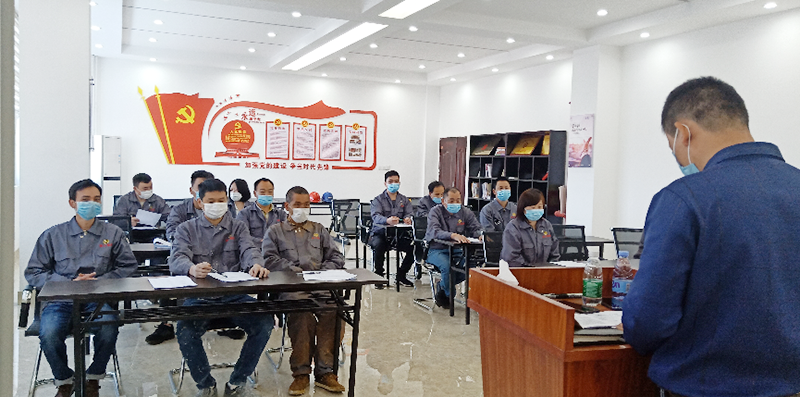
ServiceSince its establishment, we have always adhered to the service philosophy of "being close, caring, full lifecycle, and full value chain".
-
Contact UsCorporate Honors We provide our customers not only with advantageous products, technologies, and services, but also with a comprehensive solution to meet diverse needs, thereby continuously creating value for customers and he


Online Inquiry

JINGONG
NEWS
Discover the Latest Advancements in Railway Special Machinery: Revolutionizing the Rail Industry with Cutting-Edge Technology
TIME:2023-10-10 19:00
Table of Contents:
1. Introduction: The Evolution of Railway Special Machinery
2.
a.
b.
c.
3.
a.
b.
c.
4.
a.
b.
c.
5.
a.
b.
c.
6.
a.
b.
c.
7. Frequently Asked Questions (FAQs)
a.
b.
c.
d.
e.
8. Conclusion: Embracing the Future of Railway Special Machinery
Railway special machinery has witnessed remarkable advancements in recent years, revolutionizing the way railways operate. From locomotives to track maintenance equipment, signaling systems to freight handling machinery, and safety systems to passenger comfort enhancements, innovations have reshaped the rail industry. Let us delve into the latest advancements that are propelling the railways into the future.
Modern locomotives have undergone significant transformations, incorporating cutting-edge technology to enhance performance, efficiency, and passenger experience.
Next-generation locomotives employ advanced propulsion systems, such as hybrid, electric, and hydrogen fuel cell technologies. These advancements contribute to reduced energy consumption, lower emissions, and a greener footprint for railways.
Sophisticated train control systems equipped with artificial intelligence and machine learning algorithms optimize train operations, ensuring efficient energy usage, and minimizing delays. These systems enable railway operators to track train positions in real-time, analyze data, and make informed decisions regarding train routing and scheduling.
State-of-the-art locomotives feature ergonomic designs, spacious interiors, and enhanced passenger amenities. From luxurious seating arrangements to onboard entertainment systems, these advancements prioritize passenger comfort and satisfaction.
Maintaining railway tracks is crucial for ensuring safe and smooth operations. Innovations in track maintenance equipment have resulted in more efficient and cost-effective solutions.
Automated track inspection systems employ advanced sensors and imaging technologies to detect track irregularities, cracks, and defects. These systems enable early detection and timely maintenance, reducing the risk of derailments and ensuring passenger safety.
Rail grinding machines utilize precision grinding techniques to remove surface imperfections, extend track lifespan, and enhance ride quality. These machines efficiently restore track geometry, reducing noise, vibrations, and overall maintenance costs.
Ballast cleaning systems employ state-of-the-art technology to remove debris, dirt, and worn-out ballast from railway tracks. These systems improve drainage, enhance stability, and ensure safer and more reliable train operations.
Efficient and reliable signaling and communication systems are paramount for safe and coordinated train operations. Cutting-edge technologies have transformed railway signaling and communication.
Positive Train Control (PTC) technology integrates advanced signaling, train control, and communication systems to prevent train collisions, derailments, and other accidents. PTC systems use GPS, wireless communication, and onboard computers to monitor train movements and enforce speed restrictions automatically.
Real-time train tracking and monitoring systems leverage GPS and satellite technologies to provide accurate train positions and status updates. These systems enable railway operators to optimize train routing, manage congestion, and enhance operational efficiency.
Robust wireless communication networks facilitate seamless communication between train operators, maintenance crews, and control centers. These networks ensure reliable data transfer, enabling real-time decision-making and improved safety protocols.
Efficient freight handling is essential for the smooth flow of goods across rail networks. The latest advancements in freight handling machinery have revolutionized the logistics industry.
Automated container loading and unloading systems streamline cargo handling operations, reducing manual labor, and improving efficiency. These systems utilize advanced robotics and computer vision technology to ensure precise and swift container movements.
Innovative freight sorting and distribution solutions employ advanced software algorithms and conveyor systems to optimize cargo flow. These solutions minimize errors, enhance productivity, and enable faster turnaround times for freight shipments.
State-of-the-art cranes and lift equipment ensure seamless loading and unloading of heavy cargo. These advanced machinery feature enhanced lifting capacities, improved precision, and safety measures, facilitating efficient freight handling operations.
Safety is of paramount importance in the rail industry, and advancements in safety systems have bolstered the security and well-being of passengers and railway personnel.
Collision avoidance technology employs sensors, cameras, and advanced algorithms to detect potential collisions and automatically apply brakes or initiate warnings. These systems significantly reduce the risk of accidents and protect lives.
Advanced fire detection and suppression systems utilize state-of-the-art sensors and extinguishing agents to detect and combat fires on trains and railway premises. These systems ensure rapid response and minimize the damage caused by fire incidents.
Railways employ advanced security and surveillance measures, including CCTV cameras, facial recognition systems, and access control mechanisms, to ensure passenger safety and deter criminal activities. These measures provide a secure environment and peace of mind for both passengers and railway staff.
The latest locomotives incorporate advanced propulsion technologies, such as hybrid, electric, and hydrogen fuel cells, reducing energy consumption and emissions. These advancements enhance fuel efficiency and contribute to a greener rail industry.
Automated track inspection systems detect track irregularities, cracks, and defects, enabling timely maintenance and reducing the risk of accidents. These systems improve track safety, minimize downtime, and enhance overall railway performance.
High-tech signaling systems, such as Positive Train Control (PTC) technology, prevent train collisions and derailments by enforcing speed restrictions, monitoring train movements, and providing real-time alerts. These systems enhance rail safety and prevent accidents.
Advanced freight handling machinery, such as automated container loading and unloading systems, efficient sorting solutions, and state-of-the-art cranes, streamline cargo operations, reduce manual labor, and enhance productivity. These advancements optimize freight handling processes and ensure smooth logistics operations.
Revolutionary safety systems, including collision avoidance technology, advanced fire detection, and suppression systems, and enhanced security measures, significantly improve railway security. These systems minimize accidents, combat fires effectively, and provide a secure environment for passengers and railway personnel.
The railway industry has witnessed a remarkable transformation with the latest advancements in special machinery. From next-generation locomotives and cutting-edge track maintenance equipment to high-tech signaling systems, innovative freight handling machinery, and revolutionary safety systems, these advancements have revolutionized the rail industry. Embracing these technologies ensures improved efficiency, enhanced safety, and a more sustainable future for railways worldwide.
1. Introduction: The Evolution of Railway Special Machinery
2.
Advancement 1: Next-Generation Locomotives
a.
Enhanced Fuel Efficiency and Reduced Emissions
b.
Smart Train Control Systems
c.
Improved Comfort and Passenger Experience
3.
Advancement 2: Cutting-Edge Track Maintenance Equipment
a.
Automated Track Inspection Systems
b.
Innovative Rail Grinding Machines
c.
Advanced Ballast Cleaning Systems
4.
Advancement 3: High-Tech Signaling and Communication Systems
a.
Positive Train Control Technology
b.
Real-Time Train Tracking and Monitoring
c.
Wireless Communication Networks
5.
Advancement 4: State-of-the-Art Freight Handling Machinery
a.
Automated Container Loading and Unloading Systems
b.
Efficient Freight Sorting and Distribution Solutions
c.
Advanced Crane and Lift Equipment
6.
Advancement 5: Revolutionary Safety Systems
a.
Collision Avoidance Technology
b.
Advanced Fire Detection and Suppression Systems
c.
Enhanced Security and Surveillance Measures
7. Frequently Asked Questions (FAQs)
a.
How do the latest locomotives contribute to fuel efficiency?
b.
What are the benefits of automated track inspection systems?
c.
How do high-tech signaling systems improve rail safety?
d.
What is the significance of advanced freight handling machinery?
e.
How do revolutionary safety systems enhance railway security?
8. Conclusion: Embracing the Future of Railway Special Machinery
Introduction: The Evolution of Railway Special Machinery
Railway special machinery has witnessed remarkable advancements in recent years, revolutionizing the way railways operate. From locomotives to track maintenance equipment, signaling systems to freight handling machinery, and safety systems to passenger comfort enhancements, innovations have reshaped the rail industry. Let us delve into the latest advancements that are propelling the railways into the future.
Advancement 1: Next-Generation Locomotives
Modern locomotives have undergone significant transformations, incorporating cutting-edge technology to enhance performance, efficiency, and passenger experience.
Enhanced Fuel Efficiency and Reduced Emissions
Next-generation locomotives employ advanced propulsion systems, such as hybrid, electric, and hydrogen fuel cell technologies. These advancements contribute to reduced energy consumption, lower emissions, and a greener footprint for railways.
Smart Train Control Systems
Sophisticated train control systems equipped with artificial intelligence and machine learning algorithms optimize train operations, ensuring efficient energy usage, and minimizing delays. These systems enable railway operators to track train positions in real-time, analyze data, and make informed decisions regarding train routing and scheduling.
Improved Comfort and Passenger Experience
State-of-the-art locomotives feature ergonomic designs, spacious interiors, and enhanced passenger amenities. From luxurious seating arrangements to onboard entertainment systems, these advancements prioritize passenger comfort and satisfaction.
Advancement 2: Cutting-Edge Track Maintenance Equipment
Maintaining railway tracks is crucial for ensuring safe and smooth operations. Innovations in track maintenance equipment have resulted in more efficient and cost-effective solutions.
Automated Track Inspection Systems
Automated track inspection systems employ advanced sensors and imaging technologies to detect track irregularities, cracks, and defects. These systems enable early detection and timely maintenance, reducing the risk of derailments and ensuring passenger safety.
Innovative Rail Grinding Machines
Rail grinding machines utilize precision grinding techniques to remove surface imperfections, extend track lifespan, and enhance ride quality. These machines efficiently restore track geometry, reducing noise, vibrations, and overall maintenance costs.
Advanced Ballast Cleaning Systems
Ballast cleaning systems employ state-of-the-art technology to remove debris, dirt, and worn-out ballast from railway tracks. These systems improve drainage, enhance stability, and ensure safer and more reliable train operations.
Advancement 3: High-Tech Signaling and Communication Systems
Efficient and reliable signaling and communication systems are paramount for safe and coordinated train operations. Cutting-edge technologies have transformed railway signaling and communication.
Positive Train Control Technology
Positive Train Control (PTC) technology integrates advanced signaling, train control, and communication systems to prevent train collisions, derailments, and other accidents. PTC systems use GPS, wireless communication, and onboard computers to monitor train movements and enforce speed restrictions automatically.
Real-Time Train Tracking and Monitoring
Real-time train tracking and monitoring systems leverage GPS and satellite technologies to provide accurate train positions and status updates. These systems enable railway operators to optimize train routing, manage congestion, and enhance operational efficiency.
Wireless Communication Networks
Robust wireless communication networks facilitate seamless communication between train operators, maintenance crews, and control centers. These networks ensure reliable data transfer, enabling real-time decision-making and improved safety protocols.
Advancement 4: State-of-the-Art Freight Handling Machinery
Efficient freight handling is essential for the smooth flow of goods across rail networks. The latest advancements in freight handling machinery have revolutionized the logistics industry.
Automated Container Loading and Unloading Systems
Automated container loading and unloading systems streamline cargo handling operations, reducing manual labor, and improving efficiency. These systems utilize advanced robotics and computer vision technology to ensure precise and swift container movements.
Efficient Freight Sorting and Distribution Solutions
Innovative freight sorting and distribution solutions employ advanced software algorithms and conveyor systems to optimize cargo flow. These solutions minimize errors, enhance productivity, and enable faster turnaround times for freight shipments.
Advanced Crane and Lift Equipment
State-of-the-art cranes and lift equipment ensure seamless loading and unloading of heavy cargo. These advanced machinery feature enhanced lifting capacities, improved precision, and safety measures, facilitating efficient freight handling operations.
Advancement 5: Revolutionary Safety Systems
Safety is of paramount importance in the rail industry, and advancements in safety systems have bolstered the security and well-being of passengers and railway personnel.
Collision Avoidance Technology
Collision avoidance technology employs sensors, cameras, and advanced algorithms to detect potential collisions and automatically apply brakes or initiate warnings. These systems significantly reduce the risk of accidents and protect lives.
Advanced Fire Detection and Suppression Systems
Advanced fire detection and suppression systems utilize state-of-the-art sensors and extinguishing agents to detect and combat fires on trains and railway premises. These systems ensure rapid response and minimize the damage caused by fire incidents.
Enhanced Security and Surveillance Measures
Railways employ advanced security and surveillance measures, including CCTV cameras, facial recognition systems, and access control mechanisms, to ensure passenger safety and deter criminal activities. These measures provide a secure environment and peace of mind for both passengers and railway staff.
Frequently Asked Questions (FAQs)
How do the latest locomotives contribute to fuel efficiency?
The latest locomotives incorporate advanced propulsion technologies, such as hybrid, electric, and hydrogen fuel cells, reducing energy consumption and emissions. These advancements enhance fuel efficiency and contribute to a greener rail industry.
What are the benefits of automated track inspection systems?
Automated track inspection systems detect track irregularities, cracks, and defects, enabling timely maintenance and reducing the risk of accidents. These systems improve track safety, minimize downtime, and enhance overall railway performance.
How do high-tech signaling systems improve rail safety?
High-tech signaling systems, such as Positive Train Control (PTC) technology, prevent train collisions and derailments by enforcing speed restrictions, monitoring train movements, and providing real-time alerts. These systems enhance rail safety and prevent accidents.
What is the significance of advanced freight handling machinery?
Advanced freight handling machinery, such as automated container loading and unloading systems, efficient sorting solutions, and state-of-the-art cranes, streamline cargo operations, reduce manual labor, and enhance productivity. These advancements optimize freight handling processes and ensure smooth logistics operations.
How do revolutionary safety systems enhance railway security?
Revolutionary safety systems, including collision avoidance technology, advanced fire detection, and suppression systems, and enhanced security measures, significantly improve railway security. These systems minimize accidents, combat fires effectively, and provide a secure environment for passengers and railway personnel.
Conclusion: Embracing the Future of Railway Special Machinery
The railway industry has witnessed a remarkable transformation with the latest advancements in special machinery. From next-generation locomotives and cutting-edge track maintenance equipment to high-tech signaling systems, innovative freight handling machinery, and revolutionary safety systems, these advancements have revolutionized the rail industry. Embracing these technologies ensures improved efficiency, enhanced safety, and a more sustainable future for railways worldwide.
Related News
Contact Us
No. 88, Pan Cuo, Jiaonan Village, Heshizhen, Luojiang District, Quanzhou City, Fujian Province


