
-
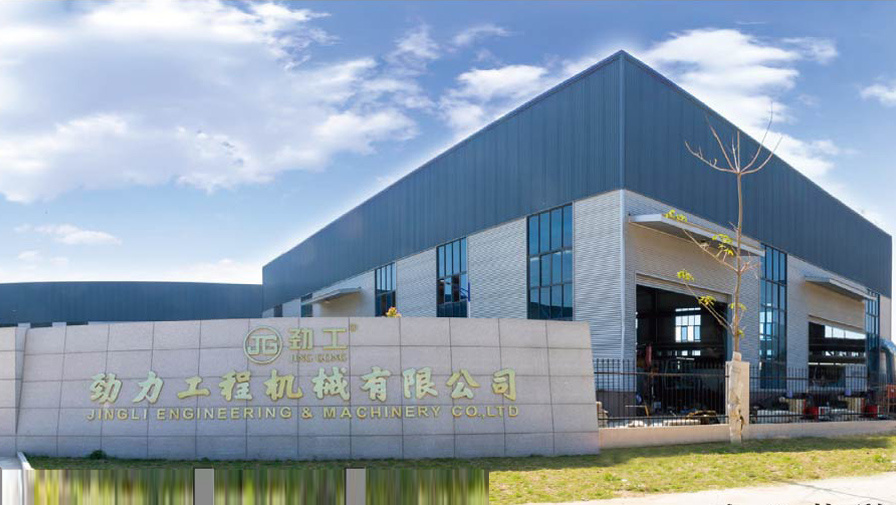
About UsQuanzhou Jinli Engineering Machinery Co., Ltd., established in July 2006, is a professional manufacturer specializing in design, development, production, and sales of equipment machinery.
-
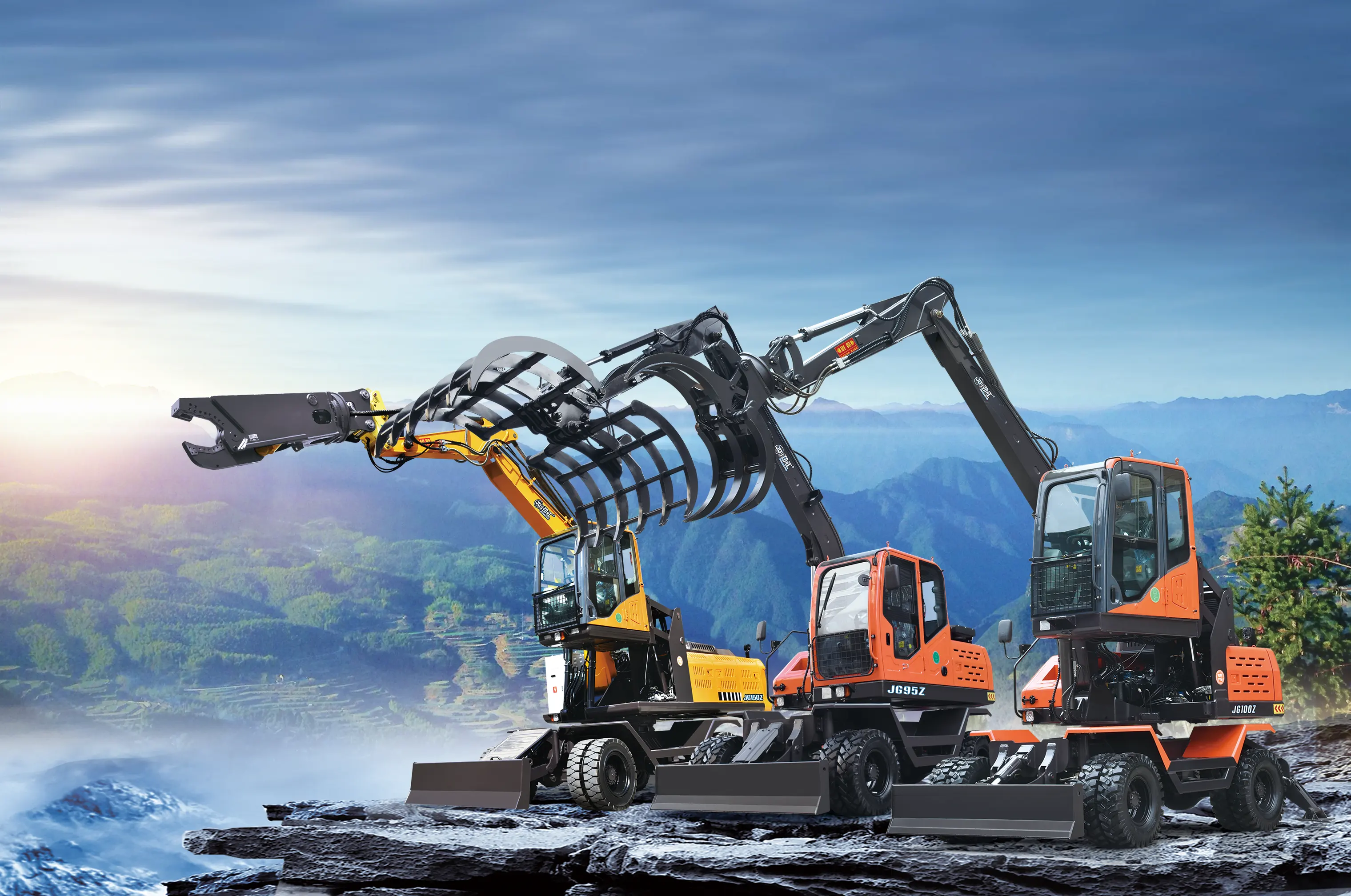
ProductsConstruction machinery: tire excavator, crawler excavator; Forestry machinery: bamboo and wood (sugarcane) picking and loading machines, multifunctional transfer machines; Harvesting machinery: whole rod sugarcane combine har
-
NewsJinggong adheres to the business philosophy of "technology supporting enterprises, quality bearing heavy trust", constantly develops new products guided by market demand, and presents satisfactory products to our customers.

-
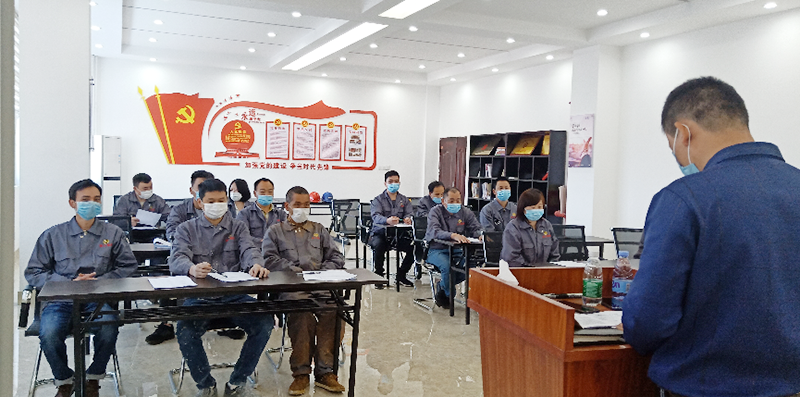
ServiceSince its establishment, we have always adhered to the service philosophy of "being close, caring, full lifecycle, and full value chain".
-
Contact UsCorporate Honors We provide our customers not only with advantageous products, technologies, and services, but also with a comprehensive solution to meet diverse needs, thereby continuously creating value for customers and he


Online Inquiry

JINGONG
NEWS
Efficiently Replace Railway Sleepers with the Latest Sleeper Changing Machine
TIME:2023-10-12 13:00
Table of Contents:
1. Introduction
2. Understanding the Importance of Railway Sleepers
3. Challenges in Traditional Methods of Replacing Railway Sleepers
4. Introducing the Latest Sleeper Changing Machine
5. Key Features and Benefits of the Sleeper Changing Machine
6. How the Machine Works: Step-by-Step Guide
7. Frequently Asked Questions (FAQs)
8. Conclusion
1. Introduction
In this article, we will explore the efficient replacement of railway sleepers using the latest sleeper changing machine. Replacing railway sleepers can be a cumbersome and time-consuming task, but with the advancements in technology, the process has become easier and more efficient. We will delve into the benefits and features of the latest sleeper changing machine, as well as provide a step-by-step guide on how it works.
2. Understanding the Importance of Railway Sleepers
Railway sleepers play a crucial role in supporting and stabilizing the tracks, ensuring safe and smooth train operations. Over time, sleepers may deteriorate due to factors such as wear and tear, weather conditions, and heavy loads. Regular maintenance and replacement of sleepers are necessary to maintain the integrity of the railway infrastructure and ensure passenger and cargo safety.
3. Challenges in Traditional Methods of Replacing Railway Sleepers
Traditionally, the process of replacing railway sleepers involved manual labor, heavy machinery, and significant time and resources. This method often caused disruptions to train services, leading to delays and inconvenience for passengers. Additionally, the manual handling of sleepers posed safety risks for workers. It became evident that a more efficient solution was needed.
4. Introducing the Latest Sleeper Changing Machine
The latest sleeper changing machine revolutionizes the way railway sleepers are replaced. This innovative piece of equipment combines advanced technology and engineering to streamline the process, making it faster, safer, and more cost-effective. The machine is designed to handle various types of sleepers and can be customized based on specific railway requirements.
5. Key Features and Benefits of the Sleeper Changing Machine
The sleeper changing machine offers a range of features and benefits that make it the ideal choice for efficient sleeper replacement:
- High Efficiency: The machine significantly reduces the time required to replace sleepers, minimizing disruptions to train services. Its automated processes ensure a smooth and efficient workflow.
- Enhanced Safety: With the machine's automated operations, manual handling risks are minimized, providing a safer working environment for railway maintenance crews.
- Cost Savings: By reducing labor and time requirements, the sleeper changing machine helps save costs associated with sleeper replacement. It also improves overall maintenance efficiency, leading to long-term cost savings.
- Versatility: The machine is designed to handle different types and sizes of sleepers, accommodating various railway systems and infrastructure requirements.
- Durability: Built with high-quality materials and engineering, the sleeper changing machine is designed to withstand heavy-duty operations, ensuring longevity and reliability.
6. How the Machine Works: Step-by-Step Guide
- Step 1: Preparation - The machine is set up on the track, and the existing sleepers are identified for replacement.
- Step 2: Removal - The machine lifts and removes the old sleepers, carefully placing them aside for disposal or recycling.
- Step 3: Installation - New sleepers are loaded onto the machine and precisely positioned for installation.
- Step 4: Alignment - The machine aligns the new sleepers with the track, ensuring proper positioning and stability.
- Step 5: Fastening - The machine securely fastens the sleepers to the track, using advanced mechanisms to ensure tight connections.
- Step 6: Testing - The installed sleepers undergo thorough testing to ensure structural integrity and stability.
7. Frequently Asked Questions (FAQs)
Q1. Can the sleeper changing machine be used on all types of railway tracks?
Q2. How long does it take to replace sleepers using the machine?
Q3. Is operator training required to operate the sleeper changing machine?
Q4. What are the maintenance requirements for the machine?
Q5. Can the machine handle different sizes and materials of sleepers?
8. Conclusion
Efficiently replacing railway sleepers is now possible with the latest sleeper changing machine. This advanced technology offers a range of benefits, including time and cost savings, enhanced safety, versatility, and durability. By streamlining the process of sleeper replacement, the machine ensures minimal disruptions to train services and provides a safer working environment for railway maintenance crews. Embrace the latest technology and experience the efficiency and effectiveness of the sleeper changing machine in maintaining and upgrading railway infrastructure.
1. Introduction
2. Understanding the Importance of Railway Sleepers
3. Challenges in Traditional Methods of Replacing Railway Sleepers
4. Introducing the Latest Sleeper Changing Machine
5. Key Features and Benefits of the Sleeper Changing Machine
6. How the Machine Works: Step-by-Step Guide
7. Frequently Asked Questions (FAQs)
8. Conclusion
1. Introduction
In this article, we will explore the efficient replacement of railway sleepers using the latest sleeper changing machine. Replacing railway sleepers can be a cumbersome and time-consuming task, but with the advancements in technology, the process has become easier and more efficient. We will delve into the benefits and features of the latest sleeper changing machine, as well as provide a step-by-step guide on how it works.
2. Understanding the Importance of Railway Sleepers
Railway sleepers play a crucial role in supporting and stabilizing the tracks, ensuring safe and smooth train operations. Over time, sleepers may deteriorate due to factors such as wear and tear, weather conditions, and heavy loads. Regular maintenance and replacement of sleepers are necessary to maintain the integrity of the railway infrastructure and ensure passenger and cargo safety.
3. Challenges in Traditional Methods of Replacing Railway Sleepers
Traditionally, the process of replacing railway sleepers involved manual labor, heavy machinery, and significant time and resources. This method often caused disruptions to train services, leading to delays and inconvenience for passengers. Additionally, the manual handling of sleepers posed safety risks for workers. It became evident that a more efficient solution was needed.
4. Introducing the Latest Sleeper Changing Machine
The latest sleeper changing machine revolutionizes the way railway sleepers are replaced. This innovative piece of equipment combines advanced technology and engineering to streamline the process, making it faster, safer, and more cost-effective. The machine is designed to handle various types of sleepers and can be customized based on specific railway requirements.
5. Key Features and Benefits of the Sleeper Changing Machine
The sleeper changing machine offers a range of features and benefits that make it the ideal choice for efficient sleeper replacement:
- High Efficiency: The machine significantly reduces the time required to replace sleepers, minimizing disruptions to train services. Its automated processes ensure a smooth and efficient workflow.
- Enhanced Safety: With the machine's automated operations, manual handling risks are minimized, providing a safer working environment for railway maintenance crews.
- Cost Savings: By reducing labor and time requirements, the sleeper changing machine helps save costs associated with sleeper replacement. It also improves overall maintenance efficiency, leading to long-term cost savings.
- Versatility: The machine is designed to handle different types and sizes of sleepers, accommodating various railway systems and infrastructure requirements.
- Durability: Built with high-quality materials and engineering, the sleeper changing machine is designed to withstand heavy-duty operations, ensuring longevity and reliability.
6. How the Machine Works: Step-by-Step Guide
- Step 1: Preparation - The machine is set up on the track, and the existing sleepers are identified for replacement.
- Step 2: Removal - The machine lifts and removes the old sleepers, carefully placing them aside for disposal or recycling.
- Step 3: Installation - New sleepers are loaded onto the machine and precisely positioned for installation.
- Step 4: Alignment - The machine aligns the new sleepers with the track, ensuring proper positioning and stability.
- Step 5: Fastening - The machine securely fastens the sleepers to the track, using advanced mechanisms to ensure tight connections.
- Step 6: Testing - The installed sleepers undergo thorough testing to ensure structural integrity and stability.
7. Frequently Asked Questions (FAQs)
Q1. Can the sleeper changing machine be used on all types of railway tracks?
Q2. How long does it take to replace sleepers using the machine?
Q3. Is operator training required to operate the sleeper changing machine?
Q4. What are the maintenance requirements for the machine?
Q5. Can the machine handle different sizes and materials of sleepers?
8. Conclusion
Efficiently replacing railway sleepers is now possible with the latest sleeper changing machine. This advanced technology offers a range of benefits, including time and cost savings, enhanced safety, versatility, and durability. By streamlining the process of sleeper replacement, the machine ensures minimal disruptions to train services and provides a safer working environment for railway maintenance crews. Embrace the latest technology and experience the efficiency and effectiveness of the sleeper changing machine in maintaining and upgrading railway infrastructure.
Related News
Contact Us
No. 88, Pan Cuo, Jiaonan Village, Heshizhen, Luojiang District, Quanzhou City, Fujian Province


