
-
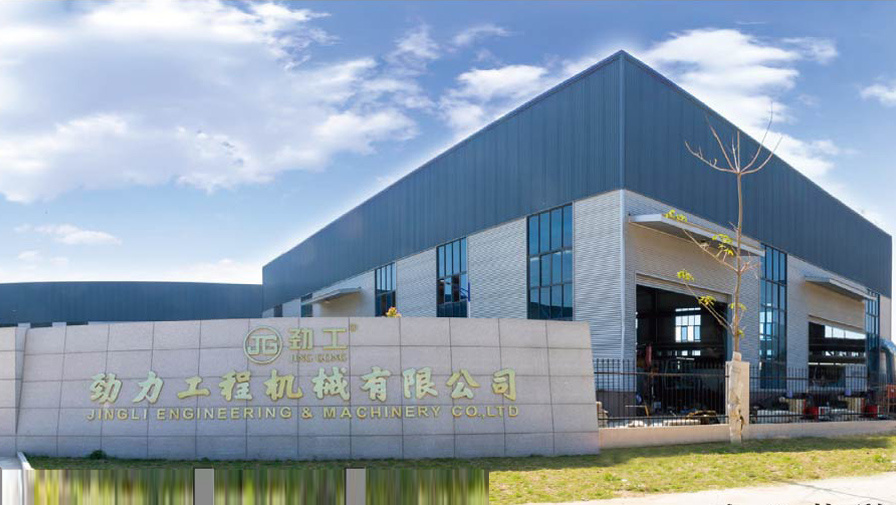
About UsQuanzhou Jinli Engineering Machinery Co., Ltd., established in July 2006, is a professional manufacturer specializing in design, development, production, and sales of equipment machinery.
-
ProductsConstruction machinery: tire excavator, crawler excavator; Forestry machinery: bamboo and wood (sugarcane) picking and loading machines, multifunctional transfer machines; Harvesting machinery: whole rod sugarcane combine har
-
NewsJinggong adheres to the business philosophy of "technology supporting enterprises, quality bearing heavy trust", constantly develops new products guided by market demand, and presents satisfactory products to our customers.

-
ServiceSince its establishment, we have always adhered to the service philosophy of "being close, caring, full lifecycle, and full value chain".

-
Contact UsCorporate Honors We provide our customers not only with advantageous products, technologies, and services, but also with a comprehensive solution to meet diverse needs, thereby continuously creating value for customers and he


Online Inquiry

JINGONG
NEWS
Efficient Material Handling Solutions with Wheel Excavators: Boosting Productivity and Streamlining Operations
TIME:2023-10-14 12:20
Table of Contents:
1. Introduction: The Power of Efficient Material Handling Solutions
2. Understanding Wheel Excavators: Versatility and Maneuverability
3. Key Benefits of Wheel Excavators in Material Handling
4. Applications of Wheel Excavators in Different Industries
5. Factors to Consider When Choosing a Wheel Excavator
6. FAQs: Answering Common Queries about Wheel Excavators
7. Conclusion: Embrace Efficiency with Wheel Excavators
1. Introduction: The Power of Efficient Material Handling Solutions
In today's fast-paced industrial landscape, optimizing material handling processes is crucial for businesses to stay competitive. Efficient material handling solutions can help streamline operations, boost productivity, and ultimately lead to cost savings. One such solution that has gained prominence is the use of wheel excavators. These versatile machines offer a range of benefits that make them a valuable addition to any material handling fleet.
2. Understanding Wheel Excavators: Versatility and Maneuverability
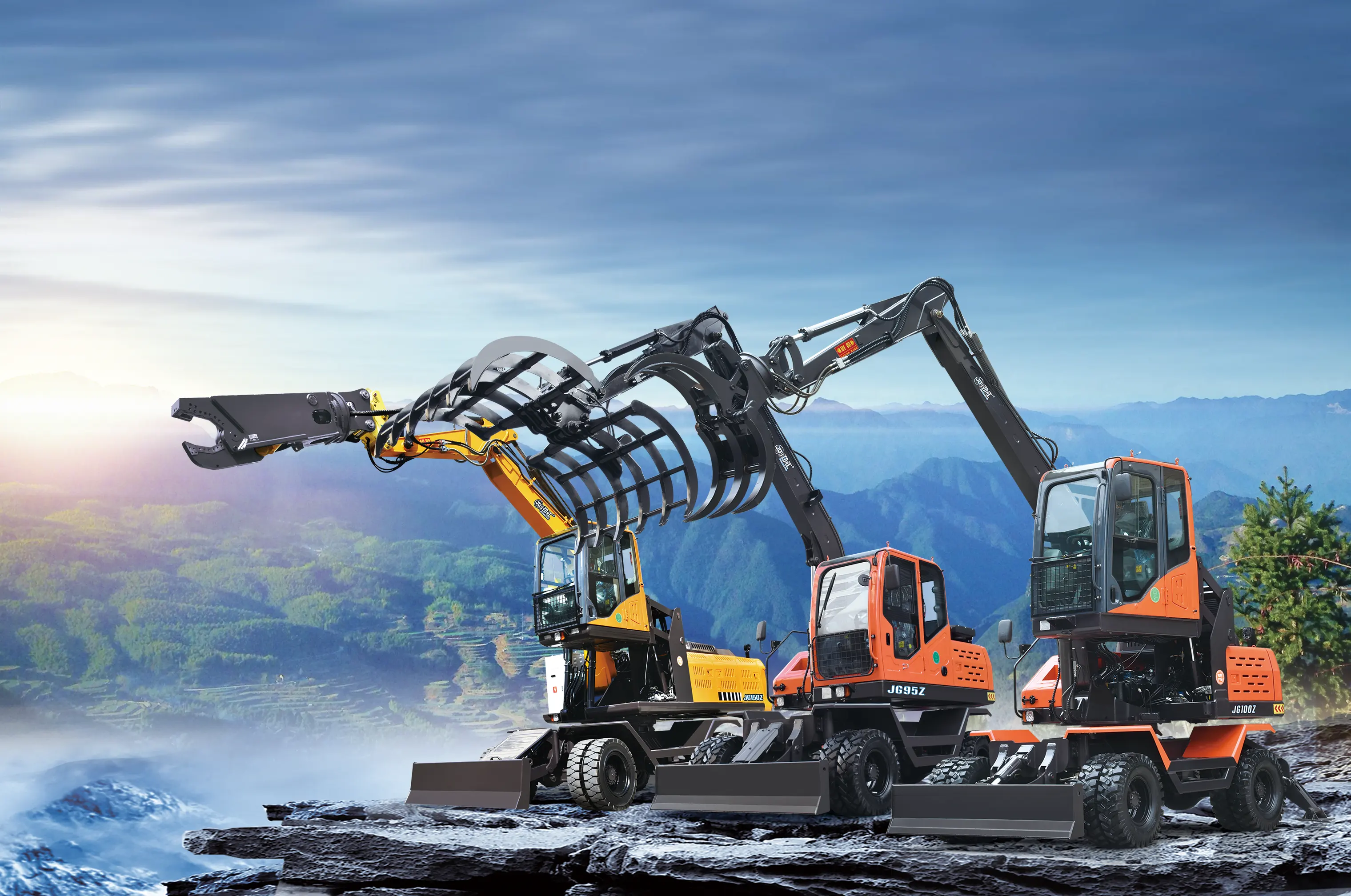
Wheel excavators are powerful construction machines equipped with a rotating wheel base. Unlike their tracked counterparts, wheel excavators have wheels that provide enhanced maneuverability, making them ideal for various job sites. The ability to navigate tight spaces with ease allows operators to access hard-to-reach areas and execute precise movements, increasing overall efficiency.
3. Key Benefits of Wheel Excavators in Material Handling
3.1 Increased Efficiency: Wheel excavators are designed to handle a wide range of material handling tasks with precision and speed. With their powerful digging capabilities and versatile attachments, these machines can efficiently load, unload, and transport materials, reducing manual labor requirements and saving time.
3.2 Enhanced Productivity: The maneuverability of wheel excavators enables operators to quickly move between different work zones without the need for additional equipment. This seamless transition boosts productivity by minimizing downtime and maximizing operational efficiency.
3.3 Cost Savings: By automating and streamlining material handling processes, wheel excavators help businesses save on labor costs. The machines' efficiency in loading and unloading materials also reduces fuel consumption, resulting in long-term cost savings.
3.4 Versatility: Wheel excavators are equipped with a variety of attachments, such as buckets, forks, and grapples, which enable them to handle different types of materials. Whether it's loose soil, bulky debris, or heavy objects, these machines can adapt to your specific material handling requirements.
4. Applications of Wheel Excavators in Different Industries
4.1 Construction: In the construction industry, wheel excavators play a vital role in various tasks, including digging foundations, trenching, and site preparation. Their maneuverability and versatility make them ideal for urban construction sites where space is limited.
4.2 Mining: Wheel excavators are widely used in mining operations for tasks such as extracting minerals, loading trucks, and clearing debris. Their ability to operate in challenging terrains and handle heavy loads makes them indispensable in the mining industry.
4.3 Waste Management: Wheel excavators are crucial in waste management facilities for sorting, loading, and transporting recyclable materials. Their maneuverability allows operators to navigate through waste piles efficiently, contributing to the overall effectiveness of waste management operations.
4.4 Agriculture: In the agricultural sector, wheel excavators are utilized for tasks such as digging irrigation channels, clearing land, and loading heavy produce. Their versatility and ability to handle different attachments make them essential tools for farmers and agricultural contractors.
5. Factors to Consider When Choosing a Wheel Excavator
5.1 Size and Capacity: Consider the size and capacity of the wheel excavator based on your specific material handling needs. Ensure that the machine can handle the volume and weight of materials you will be working with.
5.2 Attachments: Evaluate the range of attachments available for the wheel excavator and choose ones that align with your material handling requirements. Whether it's a bucket for excavation or a grapple for handling debris, selecting the right attachments is crucial for optimizing efficiency.
5.3 Fuel Efficiency: Look for wheel excavators that offer excellent fuel efficiency, as this will contribute to long-term cost savings and reduce environmental impact.
5.4 Operator Comfort and Safety: Prioritize the comfort and safety features of the wheel excavator. Operator comfort plays a significant role in productivity, while safety features ensure the well-being of your team.
6. FAQs: Answering Common Queries about Wheel Excavators
FAQ 1: How do wheel excavators differ from tracked excavators?
FAQ 2: Can wheel excavators handle uneven terrains?
FAQ 3: What attachments are available for wheel excavators?
FAQ 4: How fuel-efficient are wheel excavators?
FAQ 5: What safety features should I look for when choosing a wheel excavator?
7. Conclusion: Embrace Efficiency with Wheel Excavators
In conclusion, wheel excavators provide efficient material handling solutions that can revolutionize your operations. Their versatility, maneuverability, and powerful capabilities make them indispensable across various industries. By embracing these machines, businesses can enhance productivity, streamline processes, and achieve significant cost savings. Choose the right wheel excavator for your needs, and unlock the potential for efficient material handling like never before.
1. Introduction: The Power of Efficient Material Handling Solutions
2. Understanding Wheel Excavators: Versatility and Maneuverability
3. Key Benefits of Wheel Excavators in Material Handling
4. Applications of Wheel Excavators in Different Industries
5. Factors to Consider When Choosing a Wheel Excavator
6. FAQs: Answering Common Queries about Wheel Excavators
7. Conclusion: Embrace Efficiency with Wheel Excavators
1. Introduction: The Power of Efficient Material Handling Solutions
In today's fast-paced industrial landscape, optimizing material handling processes is crucial for businesses to stay competitive. Efficient material handling solutions can help streamline operations, boost productivity, and ultimately lead to cost savings. One such solution that has gained prominence is the use of wheel excavators. These versatile machines offer a range of benefits that make them a valuable addition to any material handling fleet.
2. Understanding Wheel Excavators: Versatility and Maneuverability
Wheel excavators are powerful construction machines equipped with a rotating wheel base. Unlike their tracked counterparts, wheel excavators have wheels that provide enhanced maneuverability, making them ideal for various job sites. The ability to navigate tight spaces with ease allows operators to access hard-to-reach areas and execute precise movements, increasing overall efficiency.
3. Key Benefits of Wheel Excavators in Material Handling
3.1 Increased Efficiency: Wheel excavators are designed to handle a wide range of material handling tasks with precision and speed. With their powerful digging capabilities and versatile attachments, these machines can efficiently load, unload, and transport materials, reducing manual labor requirements and saving time.
3.2 Enhanced Productivity: The maneuverability of wheel excavators enables operators to quickly move between different work zones without the need for additional equipment. This seamless transition boosts productivity by minimizing downtime and maximizing operational efficiency.
3.3 Cost Savings: By automating and streamlining material handling processes, wheel excavators help businesses save on labor costs. The machines' efficiency in loading and unloading materials also reduces fuel consumption, resulting in long-term cost savings.
3.4 Versatility: Wheel excavators are equipped with a variety of attachments, such as buckets, forks, and grapples, which enable them to handle different types of materials. Whether it's loose soil, bulky debris, or heavy objects, these machines can adapt to your specific material handling requirements.
4. Applications of Wheel Excavators in Different Industries
4.1 Construction: In the construction industry, wheel excavators play a vital role in various tasks, including digging foundations, trenching, and site preparation. Their maneuverability and versatility make them ideal for urban construction sites where space is limited.
4.2 Mining: Wheel excavators are widely used in mining operations for tasks such as extracting minerals, loading trucks, and clearing debris. Their ability to operate in challenging terrains and handle heavy loads makes them indispensable in the mining industry.
4.3 Waste Management: Wheel excavators are crucial in waste management facilities for sorting, loading, and transporting recyclable materials. Their maneuverability allows operators to navigate through waste piles efficiently, contributing to the overall effectiveness of waste management operations.
4.4 Agriculture: In the agricultural sector, wheel excavators are utilized for tasks such as digging irrigation channels, clearing land, and loading heavy produce. Their versatility and ability to handle different attachments make them essential tools for farmers and agricultural contractors.
5. Factors to Consider When Choosing a Wheel Excavator
5.1 Size and Capacity: Consider the size and capacity of the wheel excavator based on your specific material handling needs. Ensure that the machine can handle the volume and weight of materials you will be working with.
5.2 Attachments: Evaluate the range of attachments available for the wheel excavator and choose ones that align with your material handling requirements. Whether it's a bucket for excavation or a grapple for handling debris, selecting the right attachments is crucial for optimizing efficiency.
5.3 Fuel Efficiency: Look for wheel excavators that offer excellent fuel efficiency, as this will contribute to long-term cost savings and reduce environmental impact.
5.4 Operator Comfort and Safety: Prioritize the comfort and safety features of the wheel excavator. Operator comfort plays a significant role in productivity, while safety features ensure the well-being of your team.
6. FAQs: Answering Common Queries about Wheel Excavators
FAQ 1: How do wheel excavators differ from tracked excavators?
FAQ 2: Can wheel excavators handle uneven terrains?
FAQ 3: What attachments are available for wheel excavators?
FAQ 4: How fuel-efficient are wheel excavators?
FAQ 5: What safety features should I look for when choosing a wheel excavator?
7. Conclusion: Embrace Efficiency with Wheel Excavators
In conclusion, wheel excavators provide efficient material handling solutions that can revolutionize your operations. Their versatility, maneuverability, and powerful capabilities make them indispensable across various industries. By embracing these machines, businesses can enhance productivity, streamline processes, and achieve significant cost savings. Choose the right wheel excavator for your needs, and unlock the potential for efficient material handling like never before.
Related News
Contact Us
No. 88, Pan Cuo, Jiaonan Village, Heshizhen, Luojiang District, Quanzhou City, Fujian Province


