
-
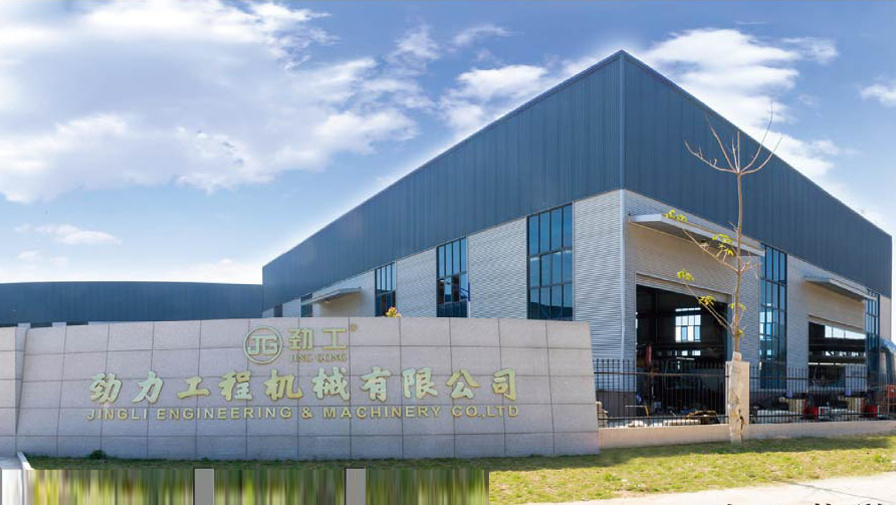
About UsQuanzhou Jinli Engineering Machinery Co., Ltd., established in July 2006, is a professional manufacturer specializing in design, development, production, and sales of equipment machinery.
-
ProductsConstruction machinery: tire excavator, crawler excavator; Forestry machinery: bamboo and wood (sugarcane) picking and loading machines, multifunctional transfer machines; Harvesting machinery: whole rod sugarcane combine har
-
NewsJinggong adheres to the business philosophy of "technology supporting enterprises, quality bearing heavy trust", constantly develops new products guided by market demand, and presents satisfactory products to our customers.

-
ServiceSince its establishment, we have always adhered to the service philosophy of "being close, caring, full lifecycle, and full value chain".

-
Contact UsCorporate Honors We provide our customers not only with advantageous products, technologies, and services, but also with a comprehensive solution to meet diverse needs, thereby continuously creating value for customers and he


Online Inquiry

JINGONG
NEWS
Wheel Excavator: A Powerful Machine for Construction and Mining
TIME:2023-10-14 12:20
Introduction:
Wheel excavators play a vital role in the manufacturing and processing industry, specifically within the realm of engineering and construction. These powerful machines offer a range of features and applications that contribute to increased productivity and efficiency. In this article, we will explore the world of wheel excavators, providing valuable insights into their functions and benefits.
1. What is a Wheel Excavator?
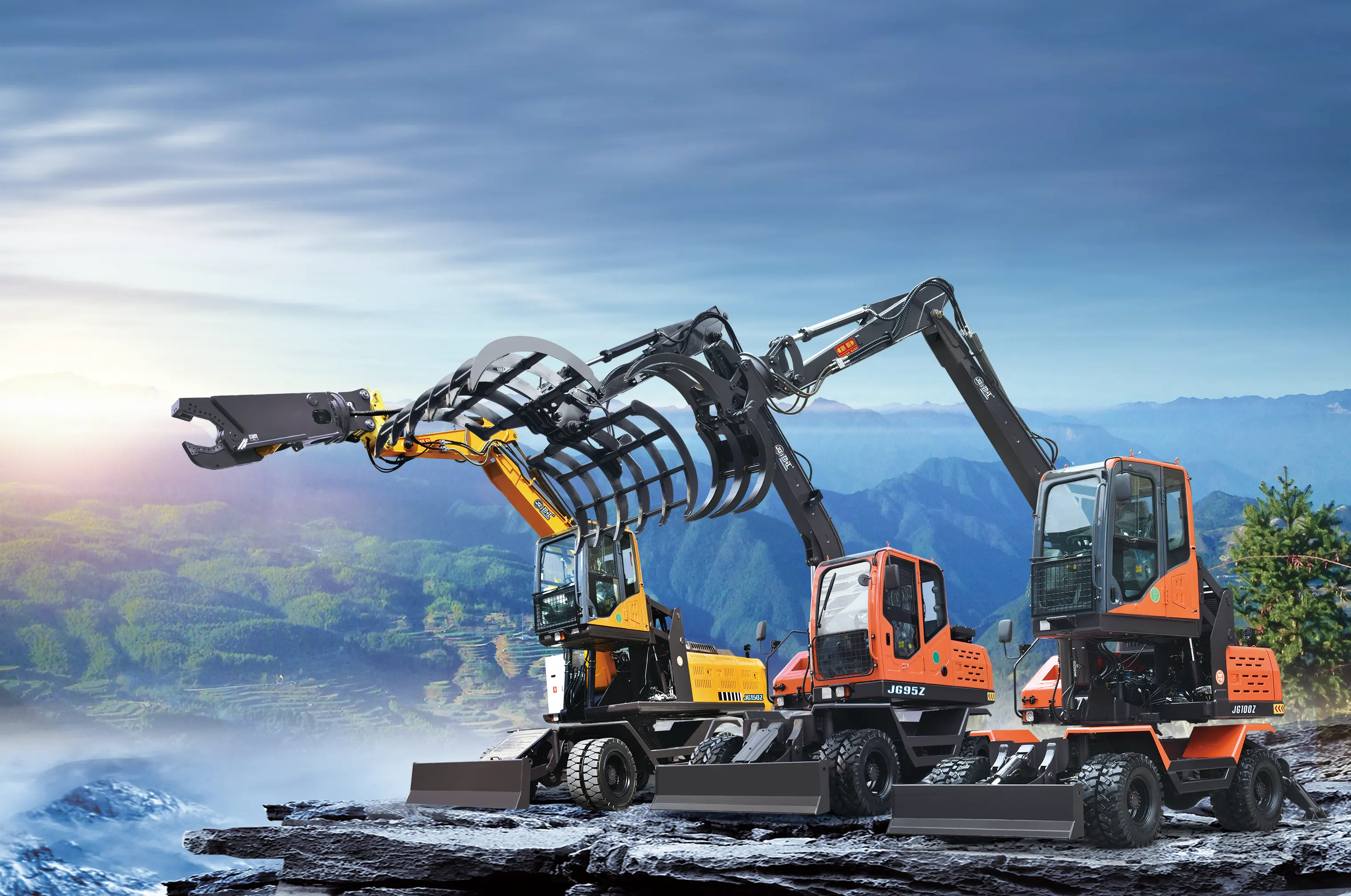
A wheel excavator is a versatile piece of machinery used in construction and mining activities. It consists of a rotating platform, known as the house, mounted on top of an undercarriage equipped with wheels. This configuration allows for enhanced mobility and maneuverability on various terrains.
2. Key Features and Components:
- Boom and Arm: The boom extends the reach of the excavator, while the arm enables precise digging and lifting operations.
- Bucket: The bucket attachment is designed for efficient excavation, offering different sizes and shapes depending on the task at hand.
- Hydraulic System: Wheel excavators rely on hydraulic power to operate their moving parts, providing impressive strength and control.
- Operator's Cabin: Equipped with advanced controls and ergonomic features, the cabin ensures operator comfort and safety during long hours of operation.
- Wheeled Undercarriage: The inclusion of wheels enables rapid movement between job sites, making wheel excavators ideal for urban construction projects.
3. Applications in Construction and Mining:
- Excavation and Digging: Wheel excavators excel in various excavation tasks, such as digging trenches, foundations, and utility lines.
- Material Handling: With their powerful digging capabilities, wheel excavators can efficiently handle and transport large amounts of material.
- Demolition: Equipped with specialized attachments, these machines can be utilized for demolishing structures and clearing debris.
- Landscaping and Grading: Wheel excavators aid in landscaping projects, including land leveling, slope creation, and pond construction.
- Mining Operations: In mining, wheel excavators are commonly employed for tasks such as extracting minerals and removing overburden.
4. Benefits and Advantages:
- Versatility: Wheel excavators are adaptable to various job sites and can tackle a wide range of tasks, reducing the need for multiple machines.
- Mobility: The wheeled undercarriage allows for quick relocation, enhancing productivity and reducing downtime.
- Efficiency: Advanced hydraulic systems provide precise control, allowing operators to complete tasks swiftly and accurately.
- Cost-effectiveness: Performing multiple functions with a single machine ensures optimal resource utilization and cost savings.
- Operator Comfort: Modern wheel excavators feature ergonomic cabins with enhanced visibility, reducing operator fatigue and increasing safety.
Conclusion:
Wheel excavators are indispensable machinery in the field of manufacturing and processing, particularly in engineering and construction. Their versatility, mobility, and efficiency make them invaluable assets for excavation, material handling, demolition, and more. By harnessing the power of wheel excavators, professionals in the industry can enhance productivity and achieve remarkable results in their projects.
Related News
Contact Us
No. 88, Pan Cuo, Jiaonan Village, Heshizhen, Luojiang District, Quanzhou City, Fujian Province


