-
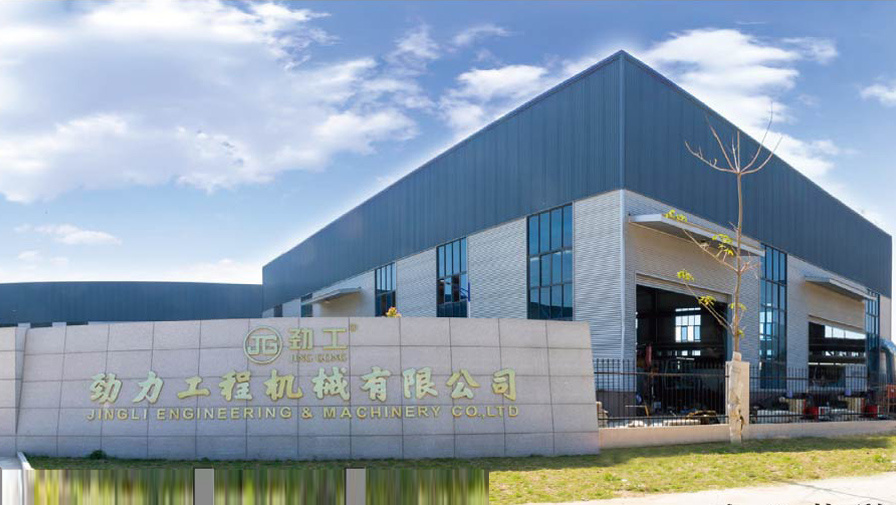
About UsQuanzhou Jinli Engineering Machinery Co., Ltd., established in July 2006, is a professional manufacturer specializing in design, development, production, and sales of equipment machinery.
-
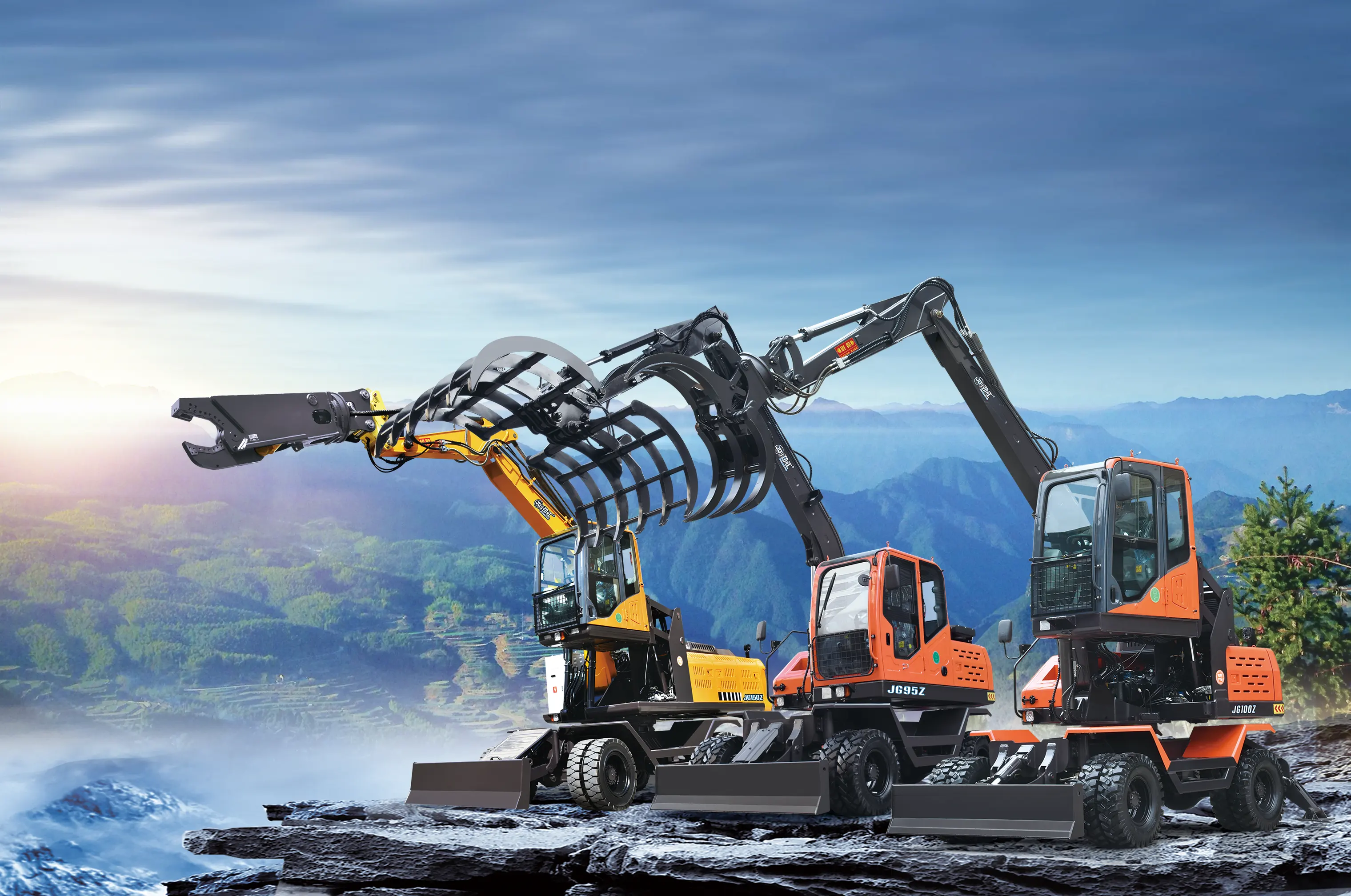
ProductsConstruction machinery: tire excavator, crawler excavator; Forestry machinery: bamboo and wood (sugarcane) picking and loading machines, multifunctional transfer machines; Harvesting machinery: whole rod sugarcane combine har
-
NewsJinggong adheres to the business philosophy of "technology supporting enterprises, quality bearing heavy trust", constantly develops new products guided by market demand, and presents satisfactory products to our customers.

-
ServiceSince its establishment, we have always adhered to the service philosophy of "being close, caring, full lifecycle, and full value chain".
-
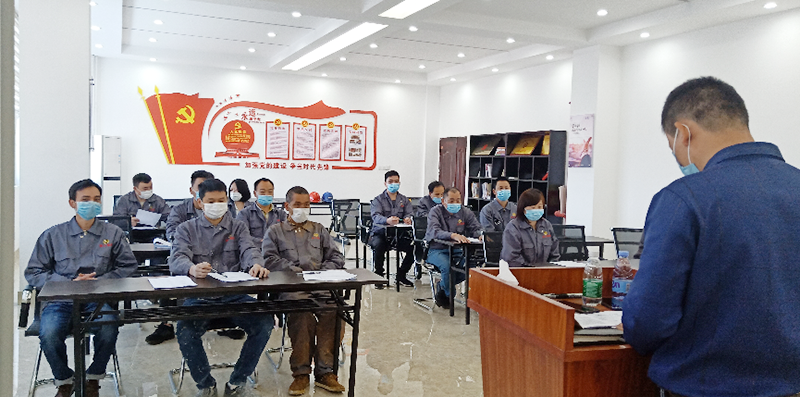
Contact UsCorporate Honors We provide our customers not only with advantageous products, technologies, and services, but also with a comprehensive solution to meet diverse needs, thereby continuously creating value for customers and he


Online Inquiry

JINGONG
NEWS
The Ultimate Guide to Choosing the Right Material Leveling Machine.
TIME:2023-10-16 12:00
Table of Contents:
1. Introduction: Understanding the Importance of Material Leveling Machines
2. Factors to Consider When Choosing a Material Leveling Machine
2.1 Capacity and Size
2.2 Leveling Accuracy
2.3 Speed and Efficiency
2.4 Durability and Reliability
2.5 Ease of Use and Maintenance
2.6 Safety Features
2.7 Cost and Budget Considerations
2.8 Additional Features and Customization Options
3. Different Types of Material Leveling Machines
3.1 Roller Leveling Machines
3.2 Cut-to-Length Lines
3.3 Precision Leveling Machines
3.4 Stretch Leveling Machines
4. Popular Brands in the Market
4.1 Brand A
4.2 Brand B
4.3 Brand C
4.4 Brand D
5. Frequently Asked Questions (FAQs)
5.1 What is the purpose of a material leveling machine?
5.2 How does a material leveling machine work?
5.3 Can a material leveling machine handle different types of materials?
5.4 Is it necessary to have safety features in a material leveling machine?
5.5 What should be the ideal leveling accuracy for my requirements?
6. Conclusion
1. Introduction: Understanding the Importance of Material Leveling Machines
Material leveling machines play a crucial role in various industries where flatness and precision are essential. Whether you are in the manufacturing, construction, or metalworking industry, having the right material leveling machine can significantly improve your production efficiency and product quality.
2. Factors to Consider When Choosing a Material Leveling Machine
2.1 Capacity and Size
Before purchasing a material leveling machine, it's important to assess your production volume and the size of the materials you will be working with. Consider the maximum width, thickness, and weight capacity of the machine to ensure it can handle your specific requirements.
2.2 Leveling Accuracy
Leveling accuracy is a critical factor to consider, especially if you are working with materials that require high precision. Look for machines that offer consistent and reliable leveling results to ensure the quality of your finished products.
2.3 Speed and Efficiency
The speed and efficiency of a material leveling machine can directly impact your production output. Evaluate the machine's processing speed and consider the production volume you need to achieve. Look for features like automatic feeding and advanced control systems to enhance efficiency.
2.4 Durability and Reliability
Investing in a durable and reliable material leveling machine is essential for long-term cost savings. Choose machines made from high-quality materials that can withstand heavy usage and provide consistent performance over time.
2.5 Ease of Use and Maintenance
Consider the user-friendliness of the machine, including features like intuitive controls and clear instructions. Additionally, evaluate the maintenance requirements and availability of spare parts to ensure smooth operations and minimize downtime.
2.6 Safety Features
Safety should be a top priority when selecting a material leveling machine. Look for features such as emergency stop buttons, safety guards, and automatic shut-off mechanisms to protect operators and prevent accidents.
2.7 Cost and Budget Considerations
Determine your budget and evaluate the overall value the machine offers. Consider the initial investment, maintenance costs, and potential return on investment. Remember to prioritize long-term benefits over short-term savings.
2.8 Additional Features and Customization Options
Explore the additional features and customization options available with different machines. These could include adjustable leveling parameters, material handling systems, or compatibility with other production processes. Choose a machine that aligns with your specific requirements and offers room for future expansion.
3. Different Types of Material Leveling Machines
3.1 Roller Leveling Machines
Roller leveling machines use a series of rollers to apply pressure and flatten the material. They are suitable for thin and flexible materials such as sheet metal or coils. Roller leveling machines offer high accuracy and are often used in industries like automotive manufacturing or appliance production.
3.2 Cut-to-Length Lines
Cut-to-length lines are ideal for precise cutting and leveling of materials. They can handle a wide range of material thicknesses and are commonly used in industries that require customized sheet metal or plate production.
3.3 Precision Leveling Machines
Precision leveling machines provide exceptional leveling accuracy and are designed for materials that require tight tolerances. They are commonly used in industries like aerospace, electronics, or defense, where precision is critical.
3.4 Stretch Leveling Machines
Stretch leveling machines are designed to remove internal stresses in materials, improving flatness and dimensional stability. They are often used for leveling high-strength materials like steel, aluminum, or titanium.
4. Popular Brands in the Market
When it comes to choosing the right material leveling machine, several reputable brands stand out in the market. Let's take a look at some of these brands:
4.1 Brand A
Brand A offers a wide range of material leveling machines known for their durability and high-quality performance. They provide excellent customer support and offer customization options to meet specific industry needs.
4.2 Brand B
Brand B is known for its advanced technology and innovative features in material leveling machines. They prioritize user-friendliness and offer robust safety features to ensure operator well-being.
4.3 Brand C
Brand C specializes in precision leveling machines that deliver exceptional accuracy. They have a proven track record in industries that require high-quality, flat materials.
4.4 Brand D
Brand D is recognized for its stretch leveling machines, providing excellent flatness control and removing internal stresses effectively. They offer comprehensive solutions for industries working with high-strength materials.
5. Frequently Asked Questions (FAQs)
5.1 What is the purpose of a material leveling machine?
A material leveling machine is used to flatten and remove irregularities from materials, ensuring they have a consistent and uniform thickness.
5.2 How does a material leveling machine work?
Material leveling machines use various methods such as roller pressure, stretching, or cutting to remove unevenness from materials.
5.3 Can a material leveling machine handle different types of materials?
Yes, material leveling machines are designed to handle various materials, including metals like steel, aluminum, or titanium, as well as plastics and composites.
5.4 Is it necessary to have safety features in a material leveling machine?
Yes, safety features are crucial to protect operators and prevent accidents. Emergency stop buttons, safety guards, and automatic shut-off mechanisms should be present in a material leveling machine.
5.5 What should be the ideal leveling accuracy for my requirements?
The ideal leveling accuracy depends on your specific industry and product requirements. Consult with experts or machine manufacturers to determine the appropriate leveling accuracy for your needs.
6. Conclusion
Choosing the right material leveling machine is a critical decision that can significantly impact your production quality, efficiency, and overall business success. Consider the factors outlined in this guide, such as capacity, leveling accuracy, speed, durability, and safety features, to make an informed choice. Evaluate different machine types and reputable brands to find the perfect fit for your specific needs. By investing in the right material leveling machine, you can enhance your operations, improve product quality, and achieve long-term success in your industry.
1. Introduction: Understanding the Importance of Material Leveling Machines
2. Factors to Consider When Choosing a Material Leveling Machine
2.1 Capacity and Size
2.2 Leveling Accuracy
2.3 Speed and Efficiency
2.4 Durability and Reliability
2.5 Ease of Use and Maintenance
2.6 Safety Features
2.7 Cost and Budget Considerations
2.8 Additional Features and Customization Options
3. Different Types of Material Leveling Machines
3.1 Roller Leveling Machines
3.2 Cut-to-Length Lines
3.3 Precision Leveling Machines
3.4 Stretch Leveling Machines
4. Popular Brands in the Market
4.1 Brand A
4.2 Brand B
4.3 Brand C
4.4 Brand D
5. Frequently Asked Questions (FAQs)
5.1 What is the purpose of a material leveling machine?
5.2 How does a material leveling machine work?
5.3 Can a material leveling machine handle different types of materials?
5.4 Is it necessary to have safety features in a material leveling machine?
5.5 What should be the ideal leveling accuracy for my requirements?
6. Conclusion
1. Introduction: Understanding the Importance of Material Leveling Machines
Material leveling machines play a crucial role in various industries where flatness and precision are essential. Whether you are in the manufacturing, construction, or metalworking industry, having the right material leveling machine can significantly improve your production efficiency and product quality.
2. Factors to Consider When Choosing a Material Leveling Machine
2.1 Capacity and Size
Before purchasing a material leveling machine, it's important to assess your production volume and the size of the materials you will be working with. Consider the maximum width, thickness, and weight capacity of the machine to ensure it can handle your specific requirements.
2.2 Leveling Accuracy
Leveling accuracy is a critical factor to consider, especially if you are working with materials that require high precision. Look for machines that offer consistent and reliable leveling results to ensure the quality of your finished products.
2.3 Speed and Efficiency
The speed and efficiency of a material leveling machine can directly impact your production output. Evaluate the machine's processing speed and consider the production volume you need to achieve. Look for features like automatic feeding and advanced control systems to enhance efficiency.
2.4 Durability and Reliability
Investing in a durable and reliable material leveling machine is essential for long-term cost savings. Choose machines made from high-quality materials that can withstand heavy usage and provide consistent performance over time.
2.5 Ease of Use and Maintenance
Consider the user-friendliness of the machine, including features like intuitive controls and clear instructions. Additionally, evaluate the maintenance requirements and availability of spare parts to ensure smooth operations and minimize downtime.
2.6 Safety Features
Safety should be a top priority when selecting a material leveling machine. Look for features such as emergency stop buttons, safety guards, and automatic shut-off mechanisms to protect operators and prevent accidents.
2.7 Cost and Budget Considerations
Determine your budget and evaluate the overall value the machine offers. Consider the initial investment, maintenance costs, and potential return on investment. Remember to prioritize long-term benefits over short-term savings.
2.8 Additional Features and Customization Options
Explore the additional features and customization options available with different machines. These could include adjustable leveling parameters, material handling systems, or compatibility with other production processes. Choose a machine that aligns with your specific requirements and offers room for future expansion.
3. Different Types of Material Leveling Machines
3.1 Roller Leveling Machines
Roller leveling machines use a series of rollers to apply pressure and flatten the material. They are suitable for thin and flexible materials such as sheet metal or coils. Roller leveling machines offer high accuracy and are often used in industries like automotive manufacturing or appliance production.
3.2 Cut-to-Length Lines
Cut-to-length lines are ideal for precise cutting and leveling of materials. They can handle a wide range of material thicknesses and are commonly used in industries that require customized sheet metal or plate production.
3.3 Precision Leveling Machines
Precision leveling machines provide exceptional leveling accuracy and are designed for materials that require tight tolerances. They are commonly used in industries like aerospace, electronics, or defense, where precision is critical.
3.4 Stretch Leveling Machines
Stretch leveling machines are designed to remove internal stresses in materials, improving flatness and dimensional stability. They are often used for leveling high-strength materials like steel, aluminum, or titanium.
4. Popular Brands in the Market
When it comes to choosing the right material leveling machine, several reputable brands stand out in the market. Let's take a look at some of these brands:
4.1 Brand A
Brand A offers a wide range of material leveling machines known for their durability and high-quality performance. They provide excellent customer support and offer customization options to meet specific industry needs.
4.2 Brand B
Brand B is known for its advanced technology and innovative features in material leveling machines. They prioritize user-friendliness and offer robust safety features to ensure operator well-being.
4.3 Brand C
Brand C specializes in precision leveling machines that deliver exceptional accuracy. They have a proven track record in industries that require high-quality, flat materials.
4.4 Brand D
Brand D is recognized for its stretch leveling machines, providing excellent flatness control and removing internal stresses effectively. They offer comprehensive solutions for industries working with high-strength materials.
5. Frequently Asked Questions (FAQs)
5.1 What is the purpose of a material leveling machine?
A material leveling machine is used to flatten and remove irregularities from materials, ensuring they have a consistent and uniform thickness.
5.2 How does a material leveling machine work?
Material leveling machines use various methods such as roller pressure, stretching, or cutting to remove unevenness from materials.
5.3 Can a material leveling machine handle different types of materials?
Yes, material leveling machines are designed to handle various materials, including metals like steel, aluminum, or titanium, as well as plastics and composites.
5.4 Is it necessary to have safety features in a material leveling machine?
Yes, safety features are crucial to protect operators and prevent accidents. Emergency stop buttons, safety guards, and automatic shut-off mechanisms should be present in a material leveling machine.
5.5 What should be the ideal leveling accuracy for my requirements?
The ideal leveling accuracy depends on your specific industry and product requirements. Consult with experts or machine manufacturers to determine the appropriate leveling accuracy for your needs.
6. Conclusion
Choosing the right material leveling machine is a critical decision that can significantly impact your production quality, efficiency, and overall business success. Consider the factors outlined in this guide, such as capacity, leveling accuracy, speed, durability, and safety features, to make an informed choice. Evaluate different machine types and reputable brands to find the perfect fit for your specific needs. By investing in the right material leveling machine, you can enhance your operations, improve product quality, and achieve long-term success in your industry.
Related News
Contact Us
No. 88, Pan Cuo, Jiaonan Village, Heshizhen, Luojiang District, Quanzhou City, Fujian Province


