
-
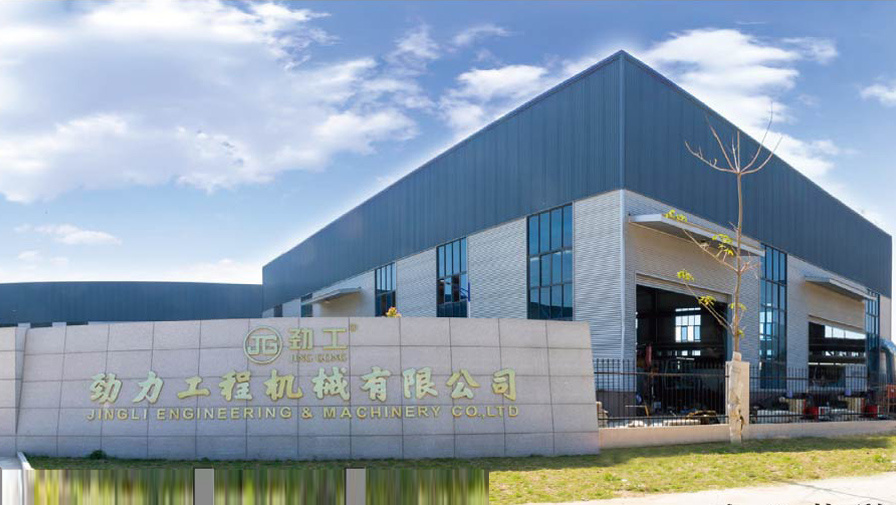
About UsQuanzhou Jinli Engineering Machinery Co., Ltd., established in July 2006, is a professional manufacturer specializing in design, development, production, and sales of equipment machinery.
-
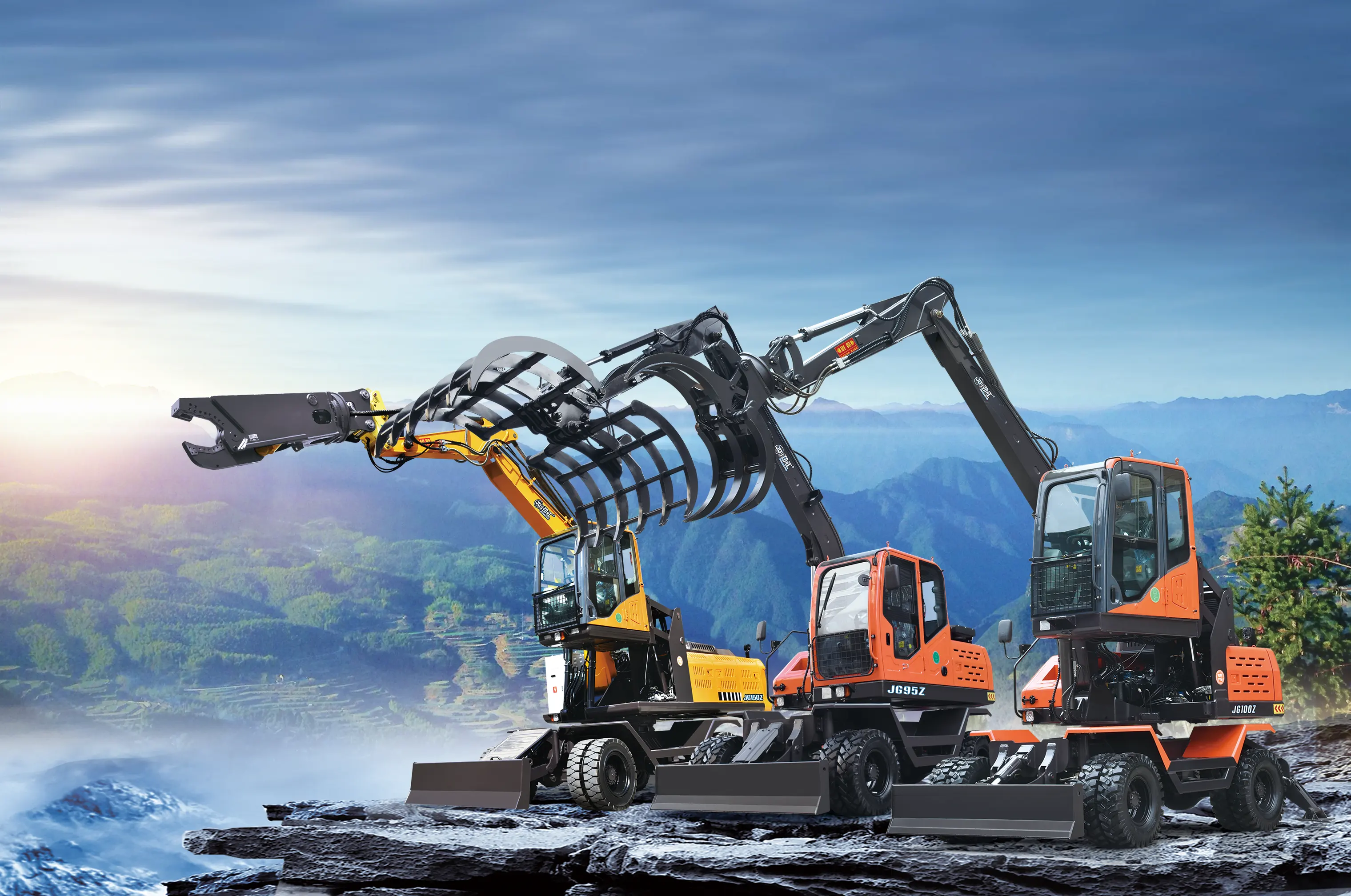
ProductsConstruction machinery: tire excavator, crawler excavator; Forestry machinery: bamboo and wood (sugarcane) picking and loading machines, multifunctional transfer machines; Harvesting machinery: whole rod sugarcane combine har
-
NewsJinggong adheres to the business philosophy of "technology supporting enterprises, quality bearing heavy trust", constantly develops new products guided by market demand, and presents satisfactory products to our customers.

-
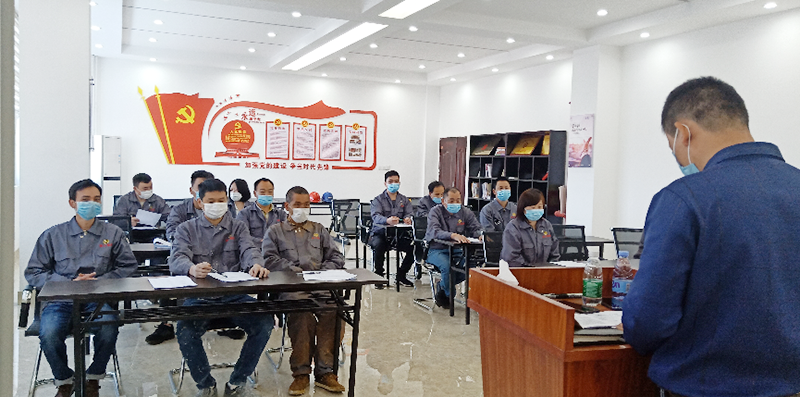
ServiceSince its establishment, we have always adhered to the service philosophy of "being close, caring, full lifecycle, and full value chain".
-
Contact UsCorporate Honors We provide our customers not only with advantageous products, technologies, and services, but also with a comprehensive solution to meet diverse needs, thereby continuously creating value for customers and he


Online Inquiry

JINGONG
NEWS
Understanding Material Leveling Machines in the Manufacturing Industry
TIME:2023-10-16 12:00
Introduction:
Material leveling machines play a crucial role in the manufacturing and processing machinery industry, particularly in sectors like construction and engineering. In this article, we will delve into the key aspects of material leveling machines, their importance, and how they function in the context of excavators and other relevant machinery.
What is a Material Leveling Machine?
A material leveling machine, also known as a leveler or a flattener, is a specialized equipment used to process and level materials, ensuring their evenness and consistency. It is primarily employed in the manufacturing and processing of various materials, such as metals, plastics, and composites.
Importance of Material Leveling Machines:
1. Enhanced Material Quality: Material leveling machines significantly improve the quality of processed materials by eliminating irregularities, such as warps, bends, or waves. This results in better end products that meet precise specifications and customer requirements.
2. Improved Efficiency: By leveling materials accurately and efficiently, these machines enhance production efficiency and reduce material wastage. Streamlining the manufacturing process saves time and costs, making it a valuable asset for businesses.
3. Enhanced Safety: Leveling machines ensure the safety of subsequent manufacturing processes by providing uniformly leveled materials. This reduces the risk of potential accidents, improves workplace safety, and enhances overall productivity.
How do Material Leveling Machines Work?
Material leveling machines utilize advanced technology and mechanisms to level materials effectively. While the exact functioning may vary depending on the specific machine and its application, the core principle involves the following steps:
1. Feeding: The material to be leveled is fed into the machine using a conveyor belt or roller system. This ensures a continuous and controlled flow of materials through the leveling process.
2. Leveling Rollers: The leveling rollers, usually arranged in an upper and lower configuration, exert pressure on the material as it passes through. These rollers apply force to flatten and straighten the material, minimizing any deformations.
3. Precision Adjustment: Modern material leveling machines often incorporate precision adjustment mechanisms, allowing operators to control the degree of leveling required. This ensures customization based on the specific material characteristics and desired outcomes.
4. Output and Inspection: Once leveled, the material is discharged from the machine, ready for further processing or utilization. Quality control measures, such as visual inspection or automated systems, can be employed to ensure the desired level of flatness is achieved.
Conclusion:
Material leveling machines are indispensable in the manufacturing and processing machinery industry, particularly in sectors such as construction and engineering. By eliminating irregularities and improving material quality, these machines enhance efficiency, safety, and overall productivity. Understanding the significance and functioning of material leveling machines is crucial for professionals seeking to optimize their manufacturing processes and deliver high-quality end products.
Material leveling machines play a crucial role in the manufacturing and processing machinery industry, particularly in sectors like construction and engineering. In this article, we will delve into the key aspects of material leveling machines, their importance, and how they function in the context of excavators and other relevant machinery.
What is a Material Leveling Machine?
A material leveling machine, also known as a leveler or a flattener, is a specialized equipment used to process and level materials, ensuring their evenness and consistency. It is primarily employed in the manufacturing and processing of various materials, such as metals, plastics, and composites.
Importance of Material Leveling Machines:
1. Enhanced Material Quality: Material leveling machines significantly improve the quality of processed materials by eliminating irregularities, such as warps, bends, or waves. This results in better end products that meet precise specifications and customer requirements.
2. Improved Efficiency: By leveling materials accurately and efficiently, these machines enhance production efficiency and reduce material wastage. Streamlining the manufacturing process saves time and costs, making it a valuable asset for businesses.
3. Enhanced Safety: Leveling machines ensure the safety of subsequent manufacturing processes by providing uniformly leveled materials. This reduces the risk of potential accidents, improves workplace safety, and enhances overall productivity.
How do Material Leveling Machines Work?
Material leveling machines utilize advanced technology and mechanisms to level materials effectively. While the exact functioning may vary depending on the specific machine and its application, the core principle involves the following steps:
1. Feeding: The material to be leveled is fed into the machine using a conveyor belt or roller system. This ensures a continuous and controlled flow of materials through the leveling process.
2. Leveling Rollers: The leveling rollers, usually arranged in an upper and lower configuration, exert pressure on the material as it passes through. These rollers apply force to flatten and straighten the material, minimizing any deformations.
3. Precision Adjustment: Modern material leveling machines often incorporate precision adjustment mechanisms, allowing operators to control the degree of leveling required. This ensures customization based on the specific material characteristics and desired outcomes.
4. Output and Inspection: Once leveled, the material is discharged from the machine, ready for further processing or utilization. Quality control measures, such as visual inspection or automated systems, can be employed to ensure the desired level of flatness is achieved.
Conclusion:
Material leveling machines are indispensable in the manufacturing and processing machinery industry, particularly in sectors such as construction and engineering. By eliminating irregularities and improving material quality, these machines enhance efficiency, safety, and overall productivity. Understanding the significance and functioning of material leveling machines is crucial for professionals seeking to optimize their manufacturing processes and deliver high-quality end products.
Related News
Contact Us
No. 88, Pan Cuo, Jiaonan Village, Heshizhen, Luojiang District, Quanzhou City, Fujian Province


