
-
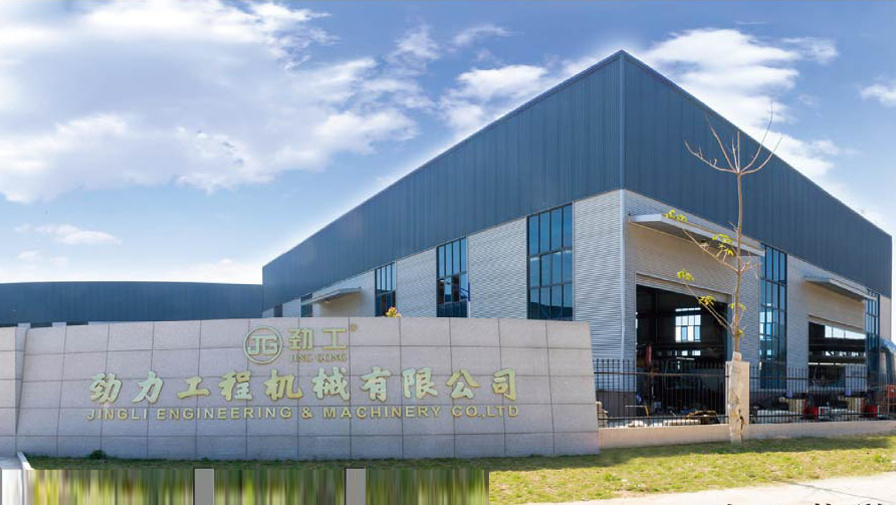
About UsQuanzhou Jinli Engineering Machinery Co., Ltd., established in July 2006, is a professional manufacturer specializing in design, development, production, and sales of equipment machinery.
-
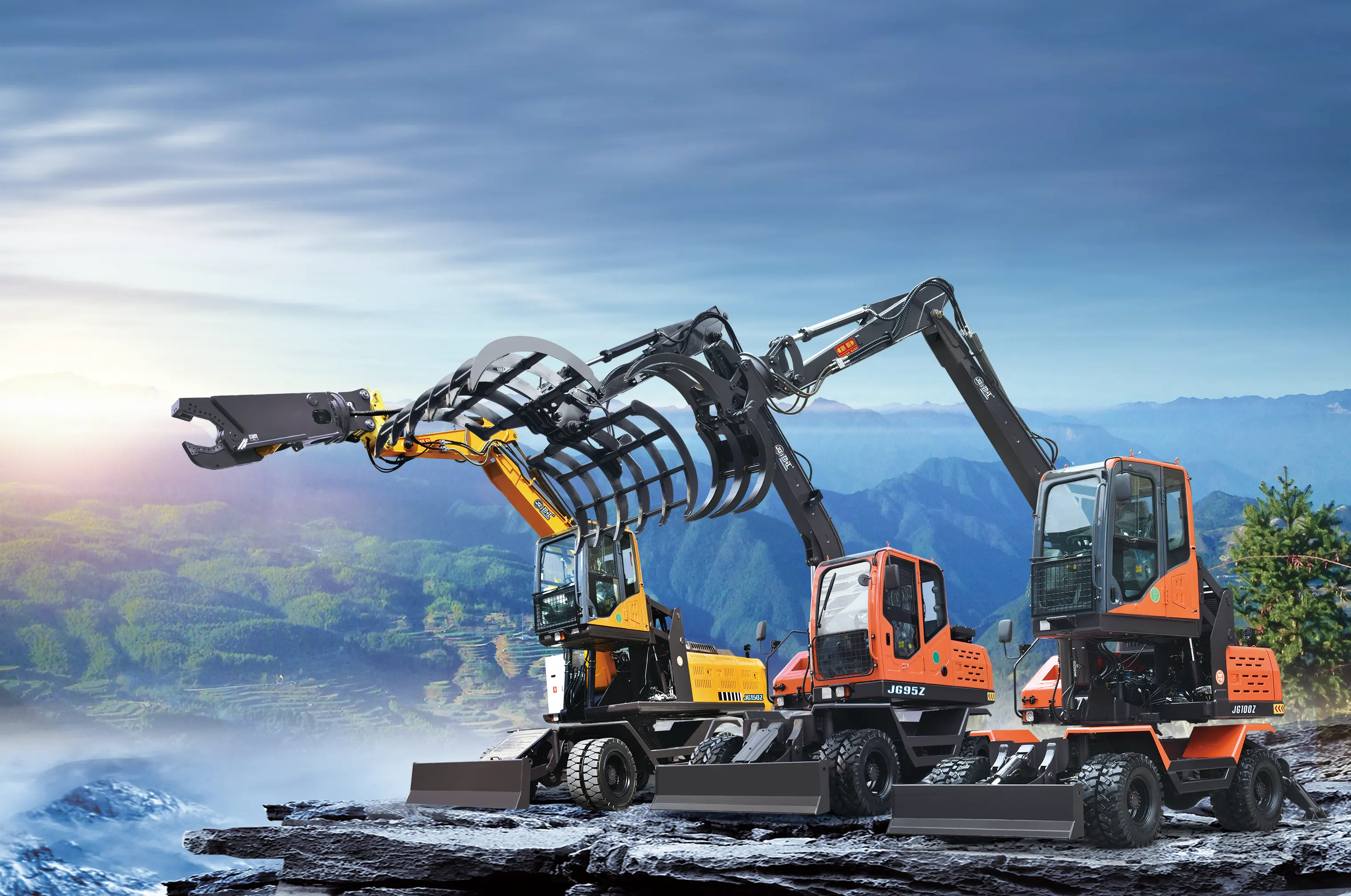
ProductsConstruction machinery: tire excavator, crawler excavator; Forestry machinery: bamboo and wood (sugarcane) picking and loading machines, multifunctional transfer machines; Harvesting machinery: whole rod sugarcane combine har
-
NewsJinggong adheres to the business philosophy of "technology supporting enterprises, quality bearing heavy trust", constantly develops new products guided by market demand, and presents satisfactory products to our customers.

-
ServiceSince its establishment, we have always adhered to the service philosophy of "being close, caring, full lifecycle, and full value chain".

-
Contact UsCorporate Honors We provide our customers not only with advantageous products, technologies, and services, but also with a comprehensive solution to meet diverse needs, thereby continuously creating value for customers and he


Online Inquiry

JINGONG
NEWS
The Versatility of Bucket Wheel Excavators for Manufacturing and Processing Machinery: Unlocking New Possibilities in Efficiency and Productivity
TIME:2023-10-16 12:00
Introduction: The Powerhouse of Bucket Wheel Excavators
What are Bucket Wheel Excavators?
Understanding the Basics
Components and Working Principle
Exploring the Versatility of Bucket Wheel Excavators
1. Mining and Extraction Industries
2. Manufacturing and Processing Machinery
3. Bulk Material Handling
4. Land Reclamation and Dredging
Advantages and Benefits
1. Enhanced Efficiency and Productivity
2. Cost Savings and Environmental Impact
3. Safety and Operator Comfort
4. Adaptability and Flexibility
Recent Technological Advancements
1. Automation and Remote Control
2. Improved Performance and Precision
3. Integration with IoT and Data Analytics
FAQs: Answering Your Burning Questions
Q: What industries can benefit from bucket wheel excavators?
Q: How do bucket wheel excavators contribute to environmental sustainability?
Q: Can bucket wheel excavators handle different types of materials?
Q: Are bucket wheel excavators suitable for both land and underwater operations?
Q: What are the maintenance requirements for bucket wheel excavators?
Conclusion: Opening New Frontiers in Manufacturing and Processing Machinery
Now, let's delve into the captivating world of bucket wheel excavators and unlock the hidden potential they possess in transforming the manufacturing and processing machinery industry. With their unrivaled versatility, these powerful tools have been making waves in various sectors, revolutionizing operations and redefining efficiency and productivity standards.
What are Bucket Wheel Excavators?
Understanding the Basics
Bucket wheel excavators, often referred to as BWEs, are colossal machines designed for heavy-duty mining, extraction, and material handling tasks. They are equipped with a large wheel featuring numerous buckets or scoops attached to its circumference. As the wheel rotates, the buckets scoop up material from the ground or deposit it onto a conveyor belt for further processing.
Components and Working Principle
A typical bucket wheel excavator consists of several key components, including the wheel itself, a conveyor system, a boom, and a counterweight. The wheel is driven by a powerful motor, enabling it to excavate vast quantities of material with ease. The conveyor system efficiently transports the excavated material for further processing or loading onto trucks.
Exploring the Versatility of Bucket Wheel Excavators
1. Mining and Extraction Industries
Bucket wheel excavators have long been a staple in the mining and extraction industries. Their ability to handle large volumes of raw materials, such as coal, lignite, and minerals, makes them indispensable in open-pit mining operations. Their efficiency in excavating materials and transporting them to nearby processing plants significantly reduces manual labor and increases productivity.
2. Manufacturing and Processing Machinery
Beyond mining, bucket wheel excavators play a pivotal role in the manufacturing and processing machinery sector. They are widely employed in industries such as cement production, steel manufacturing, and power generation. These machines enable efficient handling of bulk materials like limestone, clay, and sand, contributing to streamlined production processes and optimized output.
3. Bulk Material Handling
Bucket wheel excavators excel in bulk material handling operations, where the efficient movement of large quantities of materials is essential. Whether it's loading ships at ports or stockpiling goods in warehouses, these excavators provide a cost-effective solution to handle vast volumes of materials quickly and efficiently.
4. Land Reclamation and Dredging
Bucket wheel excavators also showcase their versatility in land reclamation and dredging projects. With their ability to remove and transport large amounts of soil, sand, and sediments, they facilitate the creation of new land areas, the deepening of waterways, and the maintenance of harbors and ports.
Advantages and Benefits
1. Enhanced Efficiency and Productivity
Bucket wheel excavators offer unmatched efficiency and productivity gains compared to traditional methods. Their large wheel size and numerous buckets allow for continuous material excavation and transportation, reducing downtime and maximizing output.
2. Cost Savings and Environmental Impact
By enabling efficient and automated handling of materials, bucket wheel excavators contribute to significant cost savings for businesses. Additionally, their advanced dust control systems and optimized energy consumption help reduce environmental impact and comply with stringent regulations.
3. Safety and Operator Comfort
Modern bucket wheel excavators prioritize operator safety and comfort. With advanced ergonomic designs, enhanced visibility, and automated control systems, these machines minimize the risk of accidents and operator fatigue, ensuring a safer and more productive work environment.
4. Adaptability and Flexibility
Bucket wheel excavators can be customized and adapted to various operational requirements. Whether it's adjusting the bucket size, wheel configuration, or conveyor system design, these machines offer unparalleled flexibility, making them suitable for a wide range of applications and industries.
Recent Technological Advancements
1. Automation and Remote Control
The integration of automation and remote control technologies has propelled the capabilities of bucket wheel excavators to new heights. Remote operators can now control these machines from a safe distance, optimizing efficiency while minimizing risks in hazardous environments.
2. Improved Performance and Precision
Advancements in sensor technology and real-time data analytics have enhanced the performance and precision of bucket wheel excavators. These machines can now accurately assess material properties, adjust digging parameters, and optimize extraction strategies for improved productivity and quality control.
3. Integration with IoT and Data Analytics
Bucket wheel excavators are increasingly integrated with IoT (Internet of Things) technologies and data analytics platforms. Real-time monitoring of machine performance, predictive maintenance, and intelligent resource allocation enable businesses to optimize operations, reduce downtime, and make data-driven decisions.
FAQs: Answering Your Burning Questions
Q: What industries can benefit from bucket wheel excavators?
A: Bucket wheel excavators find applications in diverse industries such as mining, manufacturing, construction, and material handling, offering enhanced efficiency and productivity across the board.
Q: How do bucket wheel excavators contribute to environmental sustainability?
A: Bucket wheel excavators employ advanced dust control systems and energy-efficient designs, reducing environmental impact and promoting sustainable practices in material handling operations.
Q: Can bucket wheel excavators handle different types of materials?
A: Yes, bucket wheel excavators are highly adaptable and capable of handling various materials, including coal, minerals, ores, aggregates, and bulk goods like sand, gravel, and grain.
Q: Are bucket wheel excavators suitable for both land and underwater operations?
A: Bucket wheel excavators are primarily designed for land-based operations, but specialized versions, such as dredgers, are engineered to excel in underwater excavation and land reclamation projects.
Q: What are the maintenance requirements for bucket wheel excavators?
A: Regular maintenance, including inspection of crucial components, lubrication, and timely repairs, is essential to ensure optimal performance and prolong the lifespan of bucket wheel excavators.
Conclusion: Opening New Frontiers in Manufacturing and Processing Machinery
In conclusion, bucket wheel excavators have emerged as game-changers in the manufacturing and processing machinery industry. Their versatility, efficiency, and recent technological advancements have paved the way for enhanced productivity, cost savings, and sustainability across various sectors. By harnessing the power of these mighty machines, businesses can unlock new possibilities, drive innovation, and stay ahead in the ever-evolving landscape of industrial operations.
Related News
Contact Us
No. 88, Pan Cuo, Jiaonan Village, Heshizhen, Luojiang District, Quanzhou City, Fujian Province


