
-
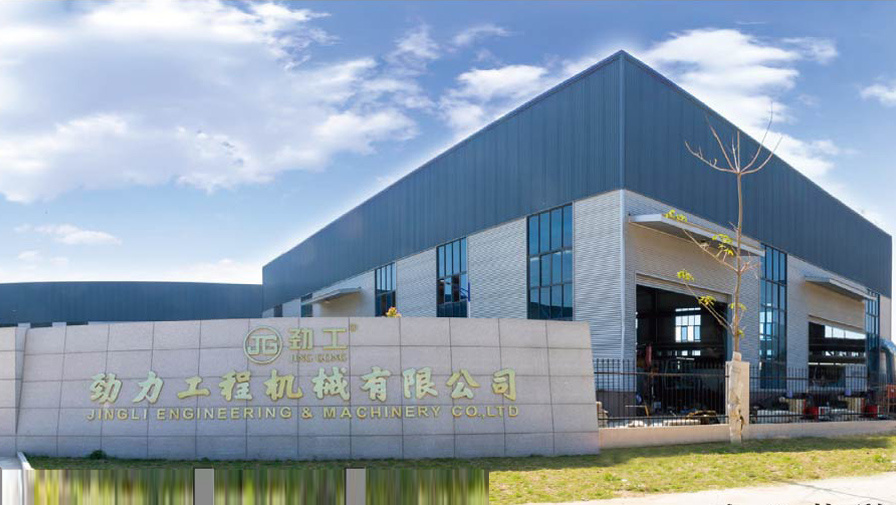
About UsQuanzhou Jinli Engineering Machinery Co., Ltd., established in July 2006, is a professional manufacturer specializing in design, development, production, and sales of equipment machinery.
-
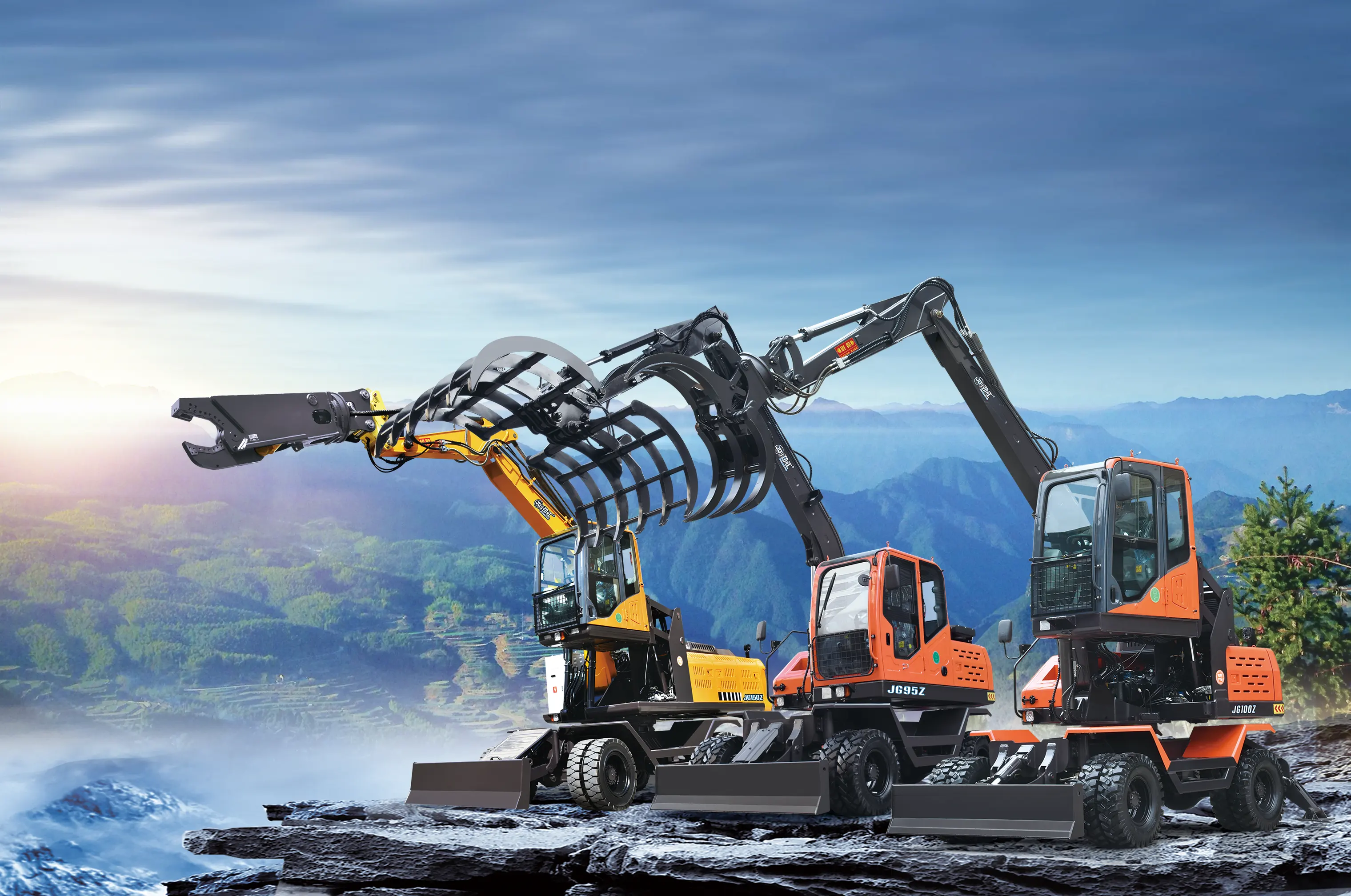
ProductsConstruction machinery: tire excavator, crawler excavator; Forestry machinery: bamboo and wood (sugarcane) picking and loading machines, multifunctional transfer machines; Harvesting machinery: whole rod sugarcane combine har
-
NewsJinggong adheres to the business philosophy of "technology supporting enterprises, quality bearing heavy trust", constantly develops new products guided by market demand, and presents satisfactory products to our customers.

-
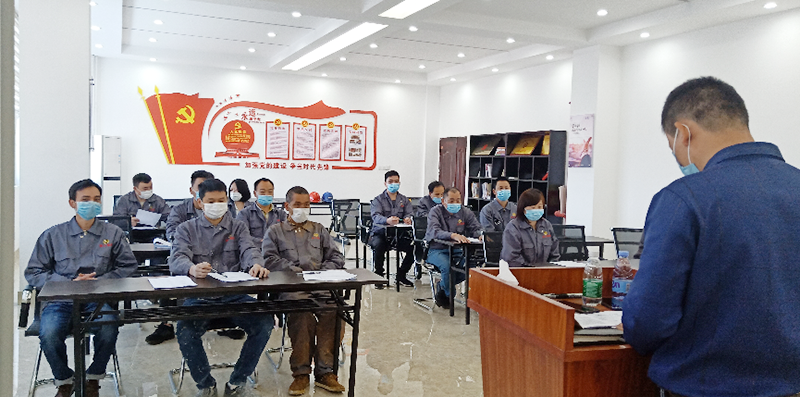
ServiceSince its establishment, we have always adhered to the service philosophy of "being close, caring, full lifecycle, and full value chain".
-
Contact UsCorporate Honors We provide our customers not only with advantageous products, technologies, and services, but also with a comprehensive solution to meet diverse needs, thereby continuously creating value for customers and he


Online Inquiry

JINGONG
NEWS
How Material Leveling Machines Revolutionize Construction Projects in China
TIME:2023-10-25 10:01
Table of Contents:
1. Introduction
2. Understanding Material Leveling Machines
3. Benefits of Material Leveling Machines in Construction
4. Applications of Material Leveling Machines
5. Advancements in Material Leveling Technology
6. Challenges and Limitations
7. The Future of Construction with Material Leveling Machines
8. Frequently Asked Questions (FAQs)
9. Conclusion
1. Introduction
Construction projects in China have witnessed a remarkable revolution with the introduction of material leveling machines. These advanced machines have transformed traditional construction practices, enhancing efficiency and accuracy. This article delves into the world of material leveling machines, their benefits, applications, advancements, challenges, and the future of construction projects in China.
2. Understanding Material Leveling Machines
Material leveling machines, also known as laser screeds, are construction equipment used to level and smooth concrete or asphalt surfaces. These machines utilize a laser-guided system to ensure precise leveling, eliminating human error and inconsistencies. By efficiently distributing materials, material leveling machines create a uniform surface, ready for further construction processes.
3. Benefits of Material Leveling Machines in Construction
3.1 Enhanced Efficiency: Material leveling machines significantly reduce construction time by automating the leveling process. With their precise laser-guided systems, these machines can level large areas quickly and accurately, minimizing the need for manual labor.
3.2 Improved Accuracy: Traditional leveling methods often struggle to achieve the desired levelness and flatness. Material leveling machines eliminate these inconsistencies, ensuring a smooth and even surface, meeting the highest construction standards.
3.3 Cost Reduction: By reducing the reliance on manual labor and minimizing rework, material leveling machines contribute to cost savings on construction projects. Additionally, their efficiency allows for faster project completion, leading to reduced labor costs.
4. Applications of Material Leveling Machines
4.1 Highways and Roads: Material leveling machines are extensively used in the construction of highways and roads. They ensure a flat surface, essential for safe and smooth transportation.
4.2 Industrial Facilities: Industrial facilities, such as warehouses and factories, require level floors for efficient operations. Material leveling machines play a crucial role in creating these leveled surfaces, optimizing productivity.
4.3 Sports Fields and Arenas: For sports fields and arenas, surface evenness is essential to ensure player safety and fair gameplay. Material leveling machines help achieve the desired levelness, creating ideal playing surfaces.
4.4 Residential and Commercial Construction: From foundations to floors, material leveling machines are employed in various aspects of residential and commercial construction. They provide a solid base, ensuring the structural integrity of buildings.
5. Advancements in Material Leveling Technology
The field of material leveling machines is constantly evolving, with continuous advancements in technology. Some notable advancements include:
5.1 Laser-Guided Systems: Modern material leveling machines utilize advanced laser technology for precise leveling. These systems offer increased accuracy, resulting in superior quality surfaces.
5.2 Robotic Control: Robotic control systems are being integrated into material leveling machines, allowing for autonomous operation. This reduces the need for human involvement and further enhances efficiency.
5.3 Telematics and Data Analytics: Material leveling machines are now equipped with telematics systems that collect and analyze data during the construction process. This data helps optimize performance and identify potential areas for improvement.
6. Challenges and Limitations
While material leveling machines offer numerous benefits, they also face certain challenges and limitations. These include:
6.1 Initial Investment: The high upfront cost of material leveling machines may pose a challenge for smaller construction firms or projects with limited budgets.
6.2 Operator Skill Requirement: Operating material leveling machines requires skilled personnel who understand the intricacies of the equipment and can interpret laser-guided systems accurately.
6.3 Weather Dependency: Adverse weather conditions, such as heavy rain or extreme temperatures, can affect the performance of material leveling machines. These machines are best utilized in favorable weather conditions.
7. The Future of Construction with Material Leveling Machines
The future of construction projects in China is intertwined with material leveling machines. As technology continues to advance, these machines will become more efficient, accurate, and user-friendly. The integration of artificial intelligence and machine learning algorithms may further enhance their capabilities, revolutionizing the construction industry.
8. Frequently Asked Questions (FAQs)
Q1: Are material leveling machines suitable for both small and large construction projects?
Q2: How do material leveling machines contribute to cost savings?
Q3: Can material leveling machines be used for indoor construction projects?
Q4: What is the typical lifespan of a material leveling machine?
Q5: Are material leveling machines environmentally friendly?
9. Conclusion
Material leveling machines have revolutionized construction projects in China, offering enhanced efficiency, improved accuracy, and cost reductions. Their applications span across various sectors, from highways to residential construction. Continuous advancements in technology will drive the future of material leveling machines, making them indispensable in the construction industry. Embracing these innovative machines is key to staying ahead in the ever-evolving world of construction.
1. Introduction
2. Understanding Material Leveling Machines
3. Benefits of Material Leveling Machines in Construction
4. Applications of Material Leveling Machines
5. Advancements in Material Leveling Technology
6. Challenges and Limitations
7. The Future of Construction with Material Leveling Machines
8. Frequently Asked Questions (FAQs)
9. Conclusion
1. Introduction
Construction projects in China have witnessed a remarkable revolution with the introduction of material leveling machines. These advanced machines have transformed traditional construction practices, enhancing efficiency and accuracy. This article delves into the world of material leveling machines, their benefits, applications, advancements, challenges, and the future of construction projects in China.
2. Understanding Material Leveling Machines
Material leveling machines, also known as laser screeds, are construction equipment used to level and smooth concrete or asphalt surfaces. These machines utilize a laser-guided system to ensure precise leveling, eliminating human error and inconsistencies. By efficiently distributing materials, material leveling machines create a uniform surface, ready for further construction processes.
3. Benefits of Material Leveling Machines in Construction
3.1 Enhanced Efficiency: Material leveling machines significantly reduce construction time by automating the leveling process. With their precise laser-guided systems, these machines can level large areas quickly and accurately, minimizing the need for manual labor.
3.2 Improved Accuracy: Traditional leveling methods often struggle to achieve the desired levelness and flatness. Material leveling machines eliminate these inconsistencies, ensuring a smooth and even surface, meeting the highest construction standards.
3.3 Cost Reduction: By reducing the reliance on manual labor and minimizing rework, material leveling machines contribute to cost savings on construction projects. Additionally, their efficiency allows for faster project completion, leading to reduced labor costs.
4. Applications of Material Leveling Machines
4.1 Highways and Roads: Material leveling machines are extensively used in the construction of highways and roads. They ensure a flat surface, essential for safe and smooth transportation.
4.2 Industrial Facilities: Industrial facilities, such as warehouses and factories, require level floors for efficient operations. Material leveling machines play a crucial role in creating these leveled surfaces, optimizing productivity.
4.3 Sports Fields and Arenas: For sports fields and arenas, surface evenness is essential to ensure player safety and fair gameplay. Material leveling machines help achieve the desired levelness, creating ideal playing surfaces.
4.4 Residential and Commercial Construction: From foundations to floors, material leveling machines are employed in various aspects of residential and commercial construction. They provide a solid base, ensuring the structural integrity of buildings.
5. Advancements in Material Leveling Technology
The field of material leveling machines is constantly evolving, with continuous advancements in technology. Some notable advancements include:
5.1 Laser-Guided Systems: Modern material leveling machines utilize advanced laser technology for precise leveling. These systems offer increased accuracy, resulting in superior quality surfaces.
5.2 Robotic Control: Robotic control systems are being integrated into material leveling machines, allowing for autonomous operation. This reduces the need for human involvement and further enhances efficiency.
5.3 Telematics and Data Analytics: Material leveling machines are now equipped with telematics systems that collect and analyze data during the construction process. This data helps optimize performance and identify potential areas for improvement.
6. Challenges and Limitations
While material leveling machines offer numerous benefits, they also face certain challenges and limitations. These include:
6.1 Initial Investment: The high upfront cost of material leveling machines may pose a challenge for smaller construction firms or projects with limited budgets.
6.2 Operator Skill Requirement: Operating material leveling machines requires skilled personnel who understand the intricacies of the equipment and can interpret laser-guided systems accurately.
6.3 Weather Dependency: Adverse weather conditions, such as heavy rain or extreme temperatures, can affect the performance of material leveling machines. These machines are best utilized in favorable weather conditions.
7. The Future of Construction with Material Leveling Machines
The future of construction projects in China is intertwined with material leveling machines. As technology continues to advance, these machines will become more efficient, accurate, and user-friendly. The integration of artificial intelligence and machine learning algorithms may further enhance their capabilities, revolutionizing the construction industry.
8. Frequently Asked Questions (FAQs)
Q1: Are material leveling machines suitable for both small and large construction projects?
Q2: How do material leveling machines contribute to cost savings?
Q3: Can material leveling machines be used for indoor construction projects?
Q4: What is the typical lifespan of a material leveling machine?
Q5: Are material leveling machines environmentally friendly?
9. Conclusion
Material leveling machines have revolutionized construction projects in China, offering enhanced efficiency, improved accuracy, and cost reductions. Their applications span across various sectors, from highways to residential construction. Continuous advancements in technology will drive the future of material leveling machines, making them indispensable in the construction industry. Embracing these innovative machines is key to staying ahead in the ever-evolving world of construction.
Related News
Contact Us
No. 88, Pan Cuo, Jiaonan Village, Heshizhen, Luojiang District, Quanzhou City, Fujian Province


