
-
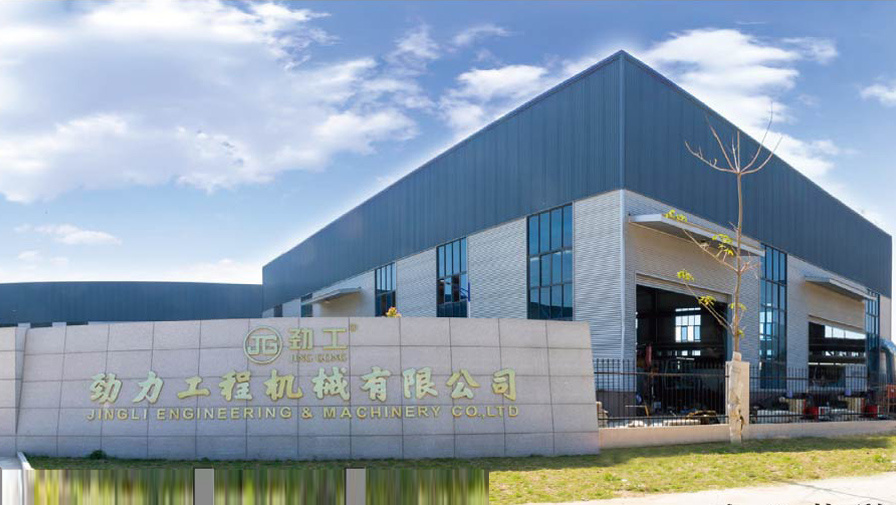
About UsQuanzhou Jinli Engineering Machinery Co., Ltd., established in July 2006, is a professional manufacturer specializing in design, development, production, and sales of equipment machinery.
-
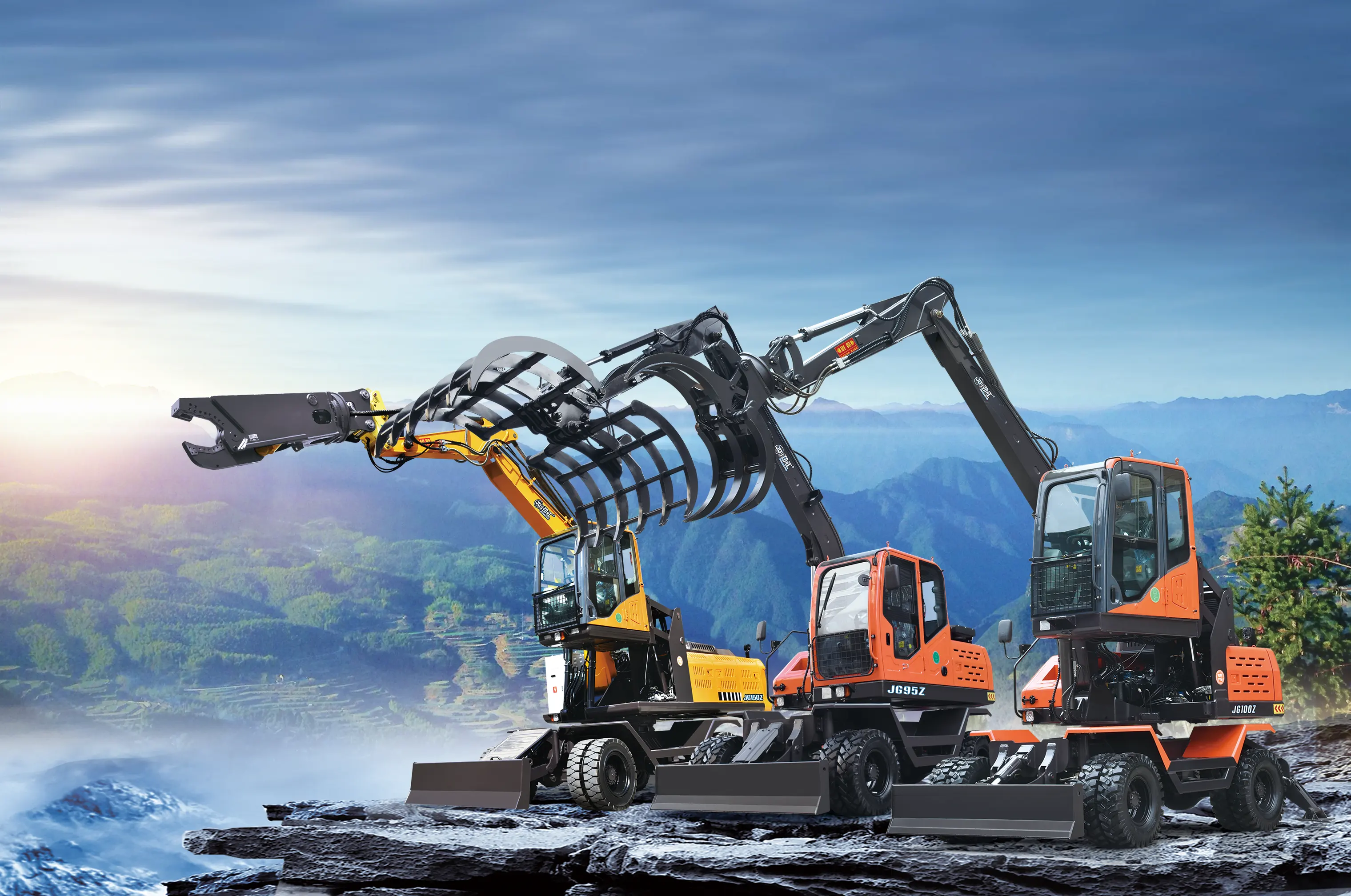
ProductsConstruction machinery: tire excavator, crawler excavator; Forestry machinery: bamboo and wood (sugarcane) picking and loading machines, multifunctional transfer machines; Harvesting machinery: whole rod sugarcane combine har
-
NewsJinggong adheres to the business philosophy of "technology supporting enterprises, quality bearing heavy trust", constantly develops new products guided by market demand, and presents satisfactory products to our customers.

-
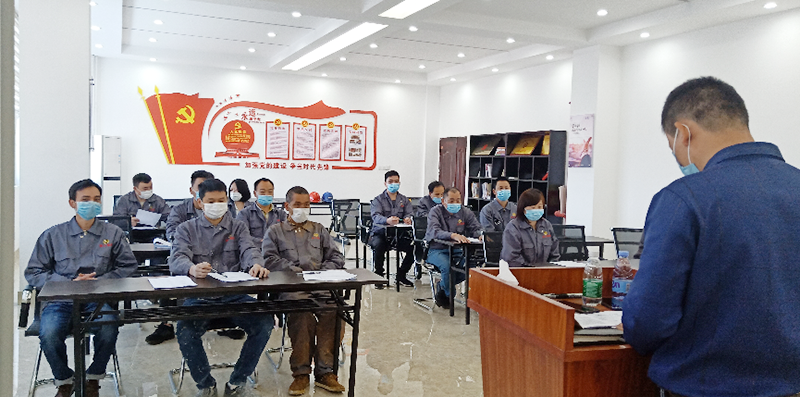
ServiceSince its establishment, we have always adhered to the service philosophy of "being close, caring, full lifecycle, and full value chain".
-
Contact UsCorporate Honors We provide our customers not only with advantageous products, technologies, and services, but also with a comprehensive solution to meet diverse needs, thereby continuously creating value for customers and he


Online Inquiry

JINGONG
NEWS
Achieve Smooth and Precise Results with a Material Leveling Machine.
TIME:2023-11-08 10:40
Table of Contents:
1. Introduction: A Game-Changer for Manufacturing and Construction Industries
2. What is a Material Leveling Machine?
3. How Does a Material Leveling Machine Work?
4. The Advantages of Using a Material Leveling Machine
5. Types of Material Leveling Machines
5.1 Automated Material Leveling Machines
5.2 Manual Material Leveling Machines
6. Factors to Consider When Choosing a Material Leveling Machine
6.1 Accuracy and Precision
6.2 Speed and Efficiency
6.3 Durability and Reliability
6.4 Flexibility and Versatility
7. Frequently Asked Questions (FAQs)
7.1 What industries can benefit from using material leveling machines?
7.2 Can material leveling machines handle different types of materials?
7.3 Are material leveling machines easy to operate?
7.4 How often should a material leveling machine be serviced?
7.5 Can a material leveling machine be customized to specific requirements?
8. Conclusion: Enhance Your Production Process with a Material Leveling Machine
1. Introduction: A Game-Changer for Manufacturing and Construction Industries
In today's competitive manufacturing and construction industries, achieving smooth and precise results is crucial for optimizing productivity and ensuring high-quality end products. This is where material leveling machines come into play. These innovative machines have revolutionized the way materials are processed, providing numerous benefits to industries worldwide.
2. What is a Material Leveling Machine?
A material leveling machine, also known as a flattening machine, is a specialized equipment designed to flatten and level materials, such as metal sheets, plates, and coils. It employs advanced technology to remove imperfections, such as waves, curls, and twists, from the surface of the material, resulting in a smooth and even finish.
3. How Does a Material Leveling Machine Work?
Material leveling machines utilize a combination of rollers and hydraulic systems to exert pressure on the material as it passes through the machine. The rollers apply force evenly across the surface, effectively eliminating any irregularities. This process ensures that the material is perfectly flat and ready for further processing or fabrication.
4. The Advantages of Using a Material Leveling Machine
- Enhanced Precision: By eliminating surface imperfections, material leveling machines guarantee precise measurements and dimensions, reducing the risk of errors during subsequent manufacturing processes.
- Improved Surface Quality: The leveling process results in a smooth and even surface, free from undulations and deformations. This not only enhances the aesthetic appeal of the final product but also facilitates better adhesion, painting, and welding.
- Increased Efficiency: Material leveling machines can process large quantities of materials in a shorter time frame compared to manual methods. This allows for faster turnaround times and increased overall productivity.
- Cost Savings: By ensuring the flatness of materials, a material leveling machine helps minimize material waste, as irregular sheets or coils can often be unusable. This leads to cost savings and improved profitability.
5. Types of Material Leveling Machines
5.1 Automated Material Leveling Machines
Automated material leveling machines are highly advanced and computer-controlled. They offer precise control and customization options, allowing for specific leveling requirements. These machines are ideal for high-volume production settings where speed, accuracy, and consistency are paramount.
5.2 Manual Material Leveling Machines
Manual material leveling machines are more suitable for smaller-scale operations or situations where customization is not a priority. These machines still provide reliable leveling capabilities but are typically more affordable and easier to operate.
6. Factors to Consider When Choosing a Material Leveling Machine
When selecting a material leveling machine, several factors should be taken into account to ensure the best fit for your specific needs:
6.1 Accuracy and Precision
Consider the required degree of precision for your materials. Choose a machine that can achieve the desired flatness and tolerance levels consistently.
6.2 Speed and Efficiency
Evaluate the production volume and turnaround time requirements. Opt for a machine that can efficiently handle the workload without compromising quality.
6.3 Durability and Reliability
Invest in a machine built with durable materials and robust construction. Reliability is crucial to ensure consistent performance and minimize downtime.
6.4 Flexibility and Versatility
If your production requires various material types and thicknesses, choose a machine that offers flexibility and adjustability to accommodate different specifications.
7. Frequently Asked Questions (FAQs)
7.1 What industries can benefit from using material leveling machines?
Material leveling machines are widely used in industries such as automotive, aerospace, construction, metal fabrication, and shipbuilding, among others.
7.2 Can material leveling machines handle different types of materials?
Yes, material leveling machines can handle various materials, including metals like steel, aluminum, and copper, as well as plastics and composites.
7.3 Are material leveling machines easy to operate?
Yes, modern material leveling machines are designed with user-friendly interfaces and intuitive controls, making them easy to operate even for inexperienced users.
7.4 How often should a material leveling machine be serviced?
Regular maintenance is essential to ensure optimal performance. It is recommended to follow the manufacturer's guidelines for servicing intervals and procedures.
7.5 Can a material leveling machine be customized to specific requirements?
Yes, certain manufacturers offer customization options to meet specific needs, such as material thickness, width, and leveling tolerances.
8. Conclusion: Enhance Your Production Process with a Material Leveling Machine
In conclusion, a material leveling machine is a game-changer for the manufacturing and construction industries. By achieving smooth and precise results, these machines significantly enhance productivity, improve surface quality, and reduce material waste. When selecting a material leveling machine, consider factors such as accuracy, speed, durability, and flexibility to ensure the best fit for your operations. Incorporating this advanced technology into your production process will undoubtedly lead to increased efficiency and overall success.
1. Introduction: A Game-Changer for Manufacturing and Construction Industries
2. What is a Material Leveling Machine?
3. How Does a Material Leveling Machine Work?
4. The Advantages of Using a Material Leveling Machine
5. Types of Material Leveling Machines
5.1 Automated Material Leveling Machines
5.2 Manual Material Leveling Machines
6. Factors to Consider When Choosing a Material Leveling Machine
6.1 Accuracy and Precision
6.2 Speed and Efficiency
6.3 Durability and Reliability
6.4 Flexibility and Versatility
7. Frequently Asked Questions (FAQs)
7.1 What industries can benefit from using material leveling machines?
7.2 Can material leveling machines handle different types of materials?
7.3 Are material leveling machines easy to operate?
7.4 How often should a material leveling machine be serviced?
7.5 Can a material leveling machine be customized to specific requirements?
8. Conclusion: Enhance Your Production Process with a Material Leveling Machine
1. Introduction: A Game-Changer for Manufacturing and Construction Industries
In today's competitive manufacturing and construction industries, achieving smooth and precise results is crucial for optimizing productivity and ensuring high-quality end products. This is where material leveling machines come into play. These innovative machines have revolutionized the way materials are processed, providing numerous benefits to industries worldwide.
2. What is a Material Leveling Machine?
A material leveling machine, also known as a flattening machine, is a specialized equipment designed to flatten and level materials, such as metal sheets, plates, and coils. It employs advanced technology to remove imperfections, such as waves, curls, and twists, from the surface of the material, resulting in a smooth and even finish.
3. How Does a Material Leveling Machine Work?
Material leveling machines utilize a combination of rollers and hydraulic systems to exert pressure on the material as it passes through the machine. The rollers apply force evenly across the surface, effectively eliminating any irregularities. This process ensures that the material is perfectly flat and ready for further processing or fabrication.
4. The Advantages of Using a Material Leveling Machine
- Enhanced Precision: By eliminating surface imperfections, material leveling machines guarantee precise measurements and dimensions, reducing the risk of errors during subsequent manufacturing processes.
- Improved Surface Quality: The leveling process results in a smooth and even surface, free from undulations and deformations. This not only enhances the aesthetic appeal of the final product but also facilitates better adhesion, painting, and welding.
- Increased Efficiency: Material leveling machines can process large quantities of materials in a shorter time frame compared to manual methods. This allows for faster turnaround times and increased overall productivity.
- Cost Savings: By ensuring the flatness of materials, a material leveling machine helps minimize material waste, as irregular sheets or coils can often be unusable. This leads to cost savings and improved profitability.
5. Types of Material Leveling Machines
5.1 Automated Material Leveling Machines
Automated material leveling machines are highly advanced and computer-controlled. They offer precise control and customization options, allowing for specific leveling requirements. These machines are ideal for high-volume production settings where speed, accuracy, and consistency are paramount.
5.2 Manual Material Leveling Machines
Manual material leveling machines are more suitable for smaller-scale operations or situations where customization is not a priority. These machines still provide reliable leveling capabilities but are typically more affordable and easier to operate.
6. Factors to Consider When Choosing a Material Leveling Machine
When selecting a material leveling machine, several factors should be taken into account to ensure the best fit for your specific needs:
6.1 Accuracy and Precision
Consider the required degree of precision for your materials. Choose a machine that can achieve the desired flatness and tolerance levels consistently.
6.2 Speed and Efficiency
Evaluate the production volume and turnaround time requirements. Opt for a machine that can efficiently handle the workload without compromising quality.
6.3 Durability and Reliability
Invest in a machine built with durable materials and robust construction. Reliability is crucial to ensure consistent performance and minimize downtime.
6.4 Flexibility and Versatility
If your production requires various material types and thicknesses, choose a machine that offers flexibility and adjustability to accommodate different specifications.
7. Frequently Asked Questions (FAQs)
7.1 What industries can benefit from using material leveling machines?
Material leveling machines are widely used in industries such as automotive, aerospace, construction, metal fabrication, and shipbuilding, among others.
7.2 Can material leveling machines handle different types of materials?
Yes, material leveling machines can handle various materials, including metals like steel, aluminum, and copper, as well as plastics and composites.
7.3 Are material leveling machines easy to operate?
Yes, modern material leveling machines are designed with user-friendly interfaces and intuitive controls, making them easy to operate even for inexperienced users.
7.4 How often should a material leveling machine be serviced?
Regular maintenance is essential to ensure optimal performance. It is recommended to follow the manufacturer's guidelines for servicing intervals and procedures.
7.5 Can a material leveling machine be customized to specific requirements?
Yes, certain manufacturers offer customization options to meet specific needs, such as material thickness, width, and leveling tolerances.
8. Conclusion: Enhance Your Production Process with a Material Leveling Machine
In conclusion, a material leveling machine is a game-changer for the manufacturing and construction industries. By achieving smooth and precise results, these machines significantly enhance productivity, improve surface quality, and reduce material waste. When selecting a material leveling machine, consider factors such as accuracy, speed, durability, and flexibility to ensure the best fit for your operations. Incorporating this advanced technology into your production process will undoubtedly lead to increased efficiency and overall success.
Related News
Contact Us
No. 88, Pan Cuo, Jiaonan Village, Heshizhen, Luojiang District, Quanzhou City, Fujian Province


