
-
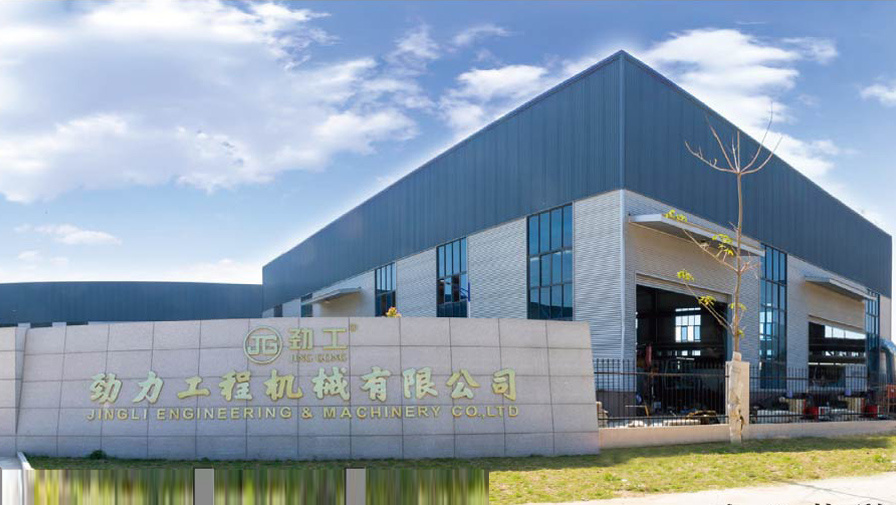
About UsQuanzhou Jinli Engineering Machinery Co., Ltd., established in July 2006, is a professional manufacturer specializing in design, development, production, and sales of equipment machinery.
-
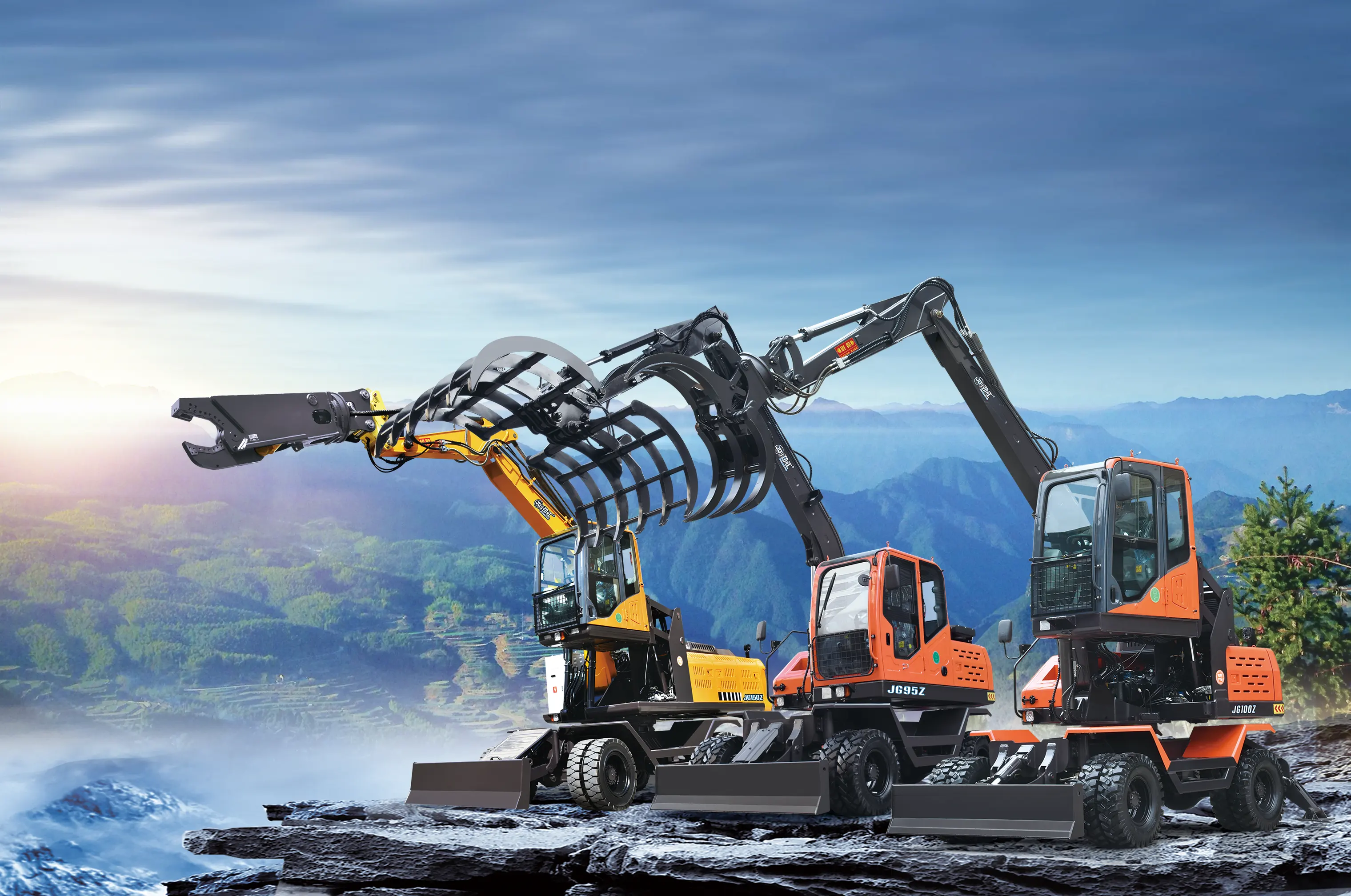
ProductsConstruction machinery: tire excavator, crawler excavator; Forestry machinery: bamboo and wood (sugarcane) picking and loading machines, multifunctional transfer machines; Harvesting machinery: whole rod sugarcane combine har
-
NewsJinggong adheres to the business philosophy of "technology supporting enterprises, quality bearing heavy trust", constantly develops new products guided by market demand, and presents satisfactory products to our customers.

-
ServiceSince its establishment, we have always adhered to the service philosophy of "being close, caring, full lifecycle, and full value chain".

-
Contact UsCorporate Honors We provide our customers not only with advantageous products, technologies, and services, but also with a comprehensive solution to meet diverse needs, thereby continuously creating value for customers and he


Online Inquiry

JINGONG
NEWS
Why Bucket Wheel Excavators Are the Best Choice for Construction Projects
TIME:2023-11-09 11:21
Table of Contents:
1. Introduction
2. What are Bucket Wheel Excavators?
3. The Benefits of Bucket Wheel Excavators for Construction Projects
4. High Efficiency and Productivity
5. Versatility and Adaptability
6. Cost-Effectiveness
7. Safety Features and Improved Working Conditions
8. Environmental Considerations
9. FAQs about Bucket Wheel Excavators
A) How do bucket wheel excavators work?
B) What types of construction projects are suitable for bucket wheel excavators?
C) Are bucket wheel excavators expensive to maintain?
D) Can bucket wheel excavators operate in different terrains?
E) Are there any limitations or drawbacks to using bucket wheel excavators?
10. Conclusion
1. Introduction
Construction projects require the use of heavy machinery to handle various tasks efficiently. When it comes to excavation, bucket wheel excavators have emerged as the best choice for their exceptional capabilities and advantages. In this article, we will delve into the reasons why bucket wheel excavators are the ideal equipment for construction projects, highlighting their efficiency, versatility, cost-effectiveness, safety features, and environmental considerations.
2. What are Bucket Wheel Excavators?
Bucket wheel excavators are colossal pieces of machinery designed specifically for excavation purposes. They consist of a large wheel with multiple buckets attached to its circumference. These buckets are responsible for digging and transferring materials such as soil, rocks, and debris. The wheel rotates slowly, allowing the buckets to load and unload the excavated material efficiently.
3. The Benefits of Bucket Wheel Excavators for Construction Projects
4. High Efficiency and Productivity
Bucket wheel excavators are renowned for their exceptional efficiency and productivity. The large wheel with multiple buckets enables them to excavate a significant amount of material in a short period. This reduces the time spent on excavation tasks, allowing construction projects to progress rapidly. The efficient loading and unloading process also minimizes downtime, ensuring continuous workflow.
5. Versatility and Adaptability
One of the key advantages of bucket wheel excavators is their versatility and adaptability. They are capable of working in various terrains, including open-pit mines, quarries, and construction sites. With the ability to rotate 360 degrees, bucket wheel excavators can reach different areas without the need for repositioning. This versatility makes them suitable for a wide range of construction projects.
6. Cost-Effectiveness
Bucket wheel excavators offer significant cost savings for construction projects. Their high efficiency and productivity translate into reduced labor costs, as fewer operators are required to handle excavation tasks. Additionally, the ability to excavate large quantities of material quickly minimizes the need for manual labor, further reducing costs. The durability and longevity of bucket wheel excavators also contribute to their cost-effectiveness, as they require minimal maintenance and have a long lifespan.
7. Safety Features and Improved Working Conditions
Safety is of utmost importance in construction projects, and bucket wheel excavators prioritize this aspect. These machines are equipped with advanced safety features such as emergency stop buttons, backup alarms, and automatic obstacle detection systems. These features help prevent accidents and enhance the overall safety of the working environment. Moreover, bucket wheel excavators offer improved working conditions for operators, with comfortable cabs that provide excellent visibility and reduced noise levels.
8. Environmental Considerations
Environmental sustainability is a crucial factor in modern construction projects. Bucket wheel excavators address this concern by minimizing environmental impact. The efficient excavation process reduces fuel consumption and emissions, making them more environmentally friendly than traditional excavation methods. Additionally, their ability to precisely control the excavation depth helps prevent unnecessary disturbance to the surrounding environment.
9. FAQs about Bucket Wheel Excavators
A) How do bucket wheel excavators work?
Bucket wheel excavators work by rotating a large wheel with attached buckets. As the wheel turns, the buckets dig into the material and transfer it to a conveyor system for further processing or transportation.
B) What types of construction projects are suitable for bucket wheel excavators?
Bucket wheel excavators are suitable for various construction projects, including open-pit mining, quarrying, land reclamation, and large-scale excavation tasks.
C) Are bucket wheel excavators expensive to maintain?
While bucket wheel excavators may require periodic maintenance, their robust design and minimal moving parts contribute to lower maintenance costs compared to other heavy machinery.
D) Can bucket wheel excavators operate in different terrains?
Yes, bucket wheel excavators can operate in different terrains, including rocky, sandy, and muddy conditions. Their adaptability allows them to handle various types of soil and materials.
E) Are there any limitations or drawbacks to using bucket wheel excavators?
Bucket wheel excavators are highly efficient and versatile, but they may not be suitable for smaller-scale construction projects due to their size and specialized nature. Additionally, they may require a larger initial investment compared to other excavation equipment.
10. Conclusion
In conclusion, bucket wheel excavators stand out as the best choice for construction projects due to their exceptional efficiency, versatility, cost-effectiveness, safety features, and environmental considerations. With their ability to handle large volumes of material quickly and adapt to various terrains, bucket wheel excavators significantly enhance the productivity and overall success of construction projects. Embracing these advanced machines will undoubtedly lead to greater efficiency, improved safety, and reduced environmental impact.
1. Introduction
2. What are Bucket Wheel Excavators?
3. The Benefits of Bucket Wheel Excavators for Construction Projects
4. High Efficiency and Productivity
5. Versatility and Adaptability
6. Cost-Effectiveness
7. Safety Features and Improved Working Conditions
8. Environmental Considerations
9. FAQs about Bucket Wheel Excavators
A) How do bucket wheel excavators work?
B) What types of construction projects are suitable for bucket wheel excavators?
C) Are bucket wheel excavators expensive to maintain?
D) Can bucket wheel excavators operate in different terrains?
E) Are there any limitations or drawbacks to using bucket wheel excavators?
10. Conclusion
1. Introduction
Construction projects require the use of heavy machinery to handle various tasks efficiently. When it comes to excavation, bucket wheel excavators have emerged as the best choice for their exceptional capabilities and advantages. In this article, we will delve into the reasons why bucket wheel excavators are the ideal equipment for construction projects, highlighting their efficiency, versatility, cost-effectiveness, safety features, and environmental considerations.
2. What are Bucket Wheel Excavators?
Bucket wheel excavators are colossal pieces of machinery designed specifically for excavation purposes. They consist of a large wheel with multiple buckets attached to its circumference. These buckets are responsible for digging and transferring materials such as soil, rocks, and debris. The wheel rotates slowly, allowing the buckets to load and unload the excavated material efficiently.
3. The Benefits of Bucket Wheel Excavators for Construction Projects
4. High Efficiency and Productivity
Bucket wheel excavators are renowned for their exceptional efficiency and productivity. The large wheel with multiple buckets enables them to excavate a significant amount of material in a short period. This reduces the time spent on excavation tasks, allowing construction projects to progress rapidly. The efficient loading and unloading process also minimizes downtime, ensuring continuous workflow.
5. Versatility and Adaptability
One of the key advantages of bucket wheel excavators is their versatility and adaptability. They are capable of working in various terrains, including open-pit mines, quarries, and construction sites. With the ability to rotate 360 degrees, bucket wheel excavators can reach different areas without the need for repositioning. This versatility makes them suitable for a wide range of construction projects.
6. Cost-Effectiveness
Bucket wheel excavators offer significant cost savings for construction projects. Their high efficiency and productivity translate into reduced labor costs, as fewer operators are required to handle excavation tasks. Additionally, the ability to excavate large quantities of material quickly minimizes the need for manual labor, further reducing costs. The durability and longevity of bucket wheel excavators also contribute to their cost-effectiveness, as they require minimal maintenance and have a long lifespan.
7. Safety Features and Improved Working Conditions
Safety is of utmost importance in construction projects, and bucket wheel excavators prioritize this aspect. These machines are equipped with advanced safety features such as emergency stop buttons, backup alarms, and automatic obstacle detection systems. These features help prevent accidents and enhance the overall safety of the working environment. Moreover, bucket wheel excavators offer improved working conditions for operators, with comfortable cabs that provide excellent visibility and reduced noise levels.
8. Environmental Considerations
Environmental sustainability is a crucial factor in modern construction projects. Bucket wheel excavators address this concern by minimizing environmental impact. The efficient excavation process reduces fuel consumption and emissions, making them more environmentally friendly than traditional excavation methods. Additionally, their ability to precisely control the excavation depth helps prevent unnecessary disturbance to the surrounding environment.
9. FAQs about Bucket Wheel Excavators
A) How do bucket wheel excavators work?
Bucket wheel excavators work by rotating a large wheel with attached buckets. As the wheel turns, the buckets dig into the material and transfer it to a conveyor system for further processing or transportation.
B) What types of construction projects are suitable for bucket wheel excavators?
Bucket wheel excavators are suitable for various construction projects, including open-pit mining, quarrying, land reclamation, and large-scale excavation tasks.
C) Are bucket wheel excavators expensive to maintain?
While bucket wheel excavators may require periodic maintenance, their robust design and minimal moving parts contribute to lower maintenance costs compared to other heavy machinery.
D) Can bucket wheel excavators operate in different terrains?
Yes, bucket wheel excavators can operate in different terrains, including rocky, sandy, and muddy conditions. Their adaptability allows them to handle various types of soil and materials.
E) Are there any limitations or drawbacks to using bucket wheel excavators?
Bucket wheel excavators are highly efficient and versatile, but they may not be suitable for smaller-scale construction projects due to their size and specialized nature. Additionally, they may require a larger initial investment compared to other excavation equipment.
10. Conclusion
In conclusion, bucket wheel excavators stand out as the best choice for construction projects due to their exceptional efficiency, versatility, cost-effectiveness, safety features, and environmental considerations. With their ability to handle large volumes of material quickly and adapt to various terrains, bucket wheel excavators significantly enhance the productivity and overall success of construction projects. Embracing these advanced machines will undoubtedly lead to greater efficiency, improved safety, and reduced environmental impact.
Related News
Contact Us
No. 88, Pan Cuo, Jiaonan Village, Heshizhen, Luojiang District, Quanzhou City, Fujian Province


