
-
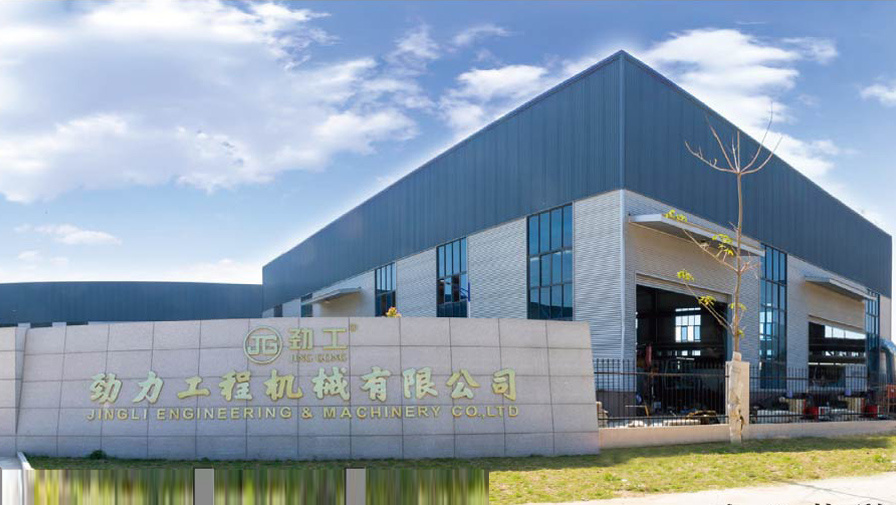
About UsQuanzhou Jinli Engineering Machinery Co., Ltd., established in July 2006, is a professional manufacturer specializing in design, development, production, and sales of equipment machinery.
-
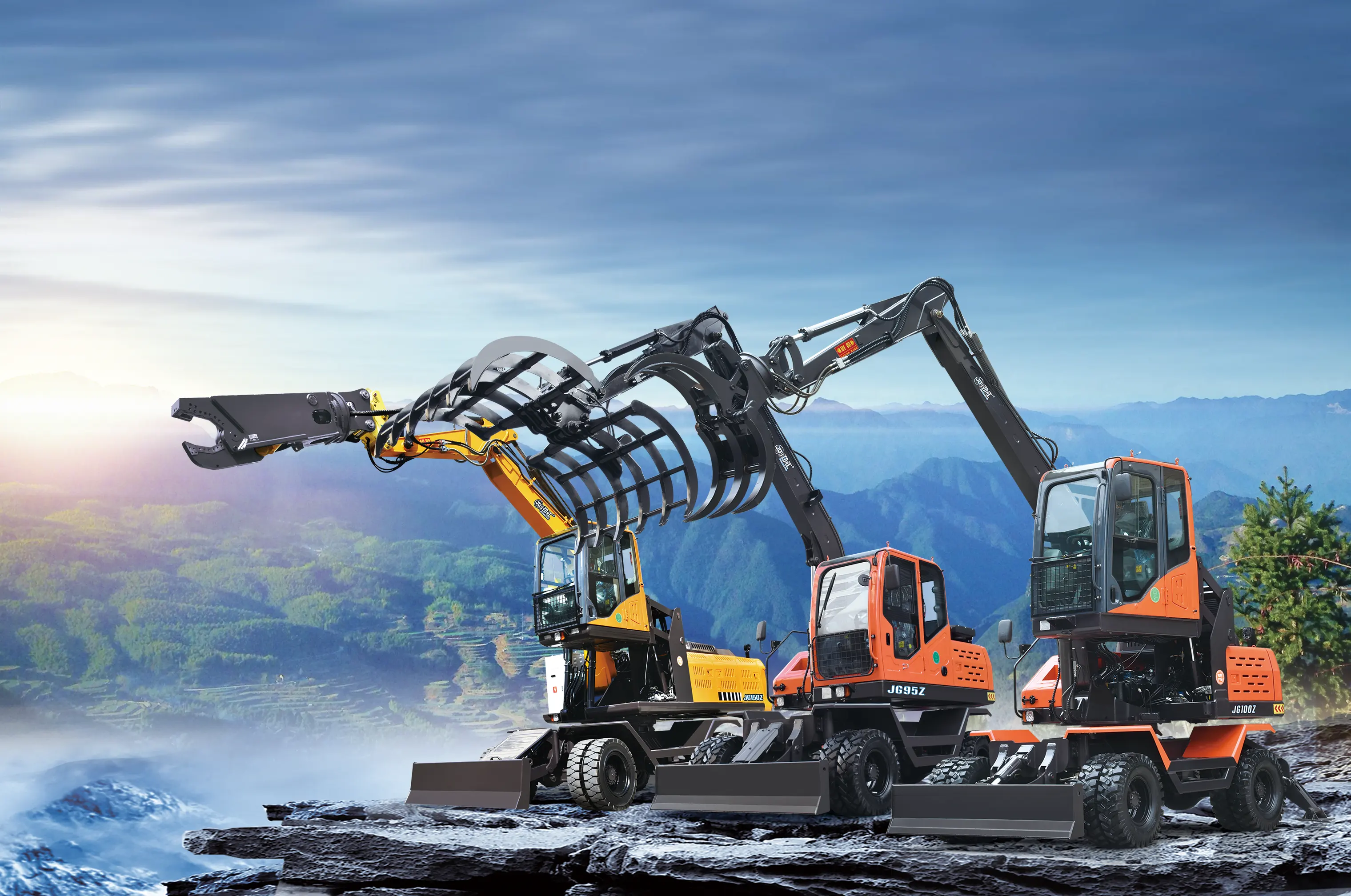
ProductsConstruction machinery: tire excavator, crawler excavator; Forestry machinery: bamboo and wood (sugarcane) picking and loading machines, multifunctional transfer machines; Harvesting machinery: whole rod sugarcane combine har
-
NewsJinggong adheres to the business philosophy of "technology supporting enterprises, quality bearing heavy trust", constantly develops new products guided by market demand, and presents satisfactory products to our customers.

-
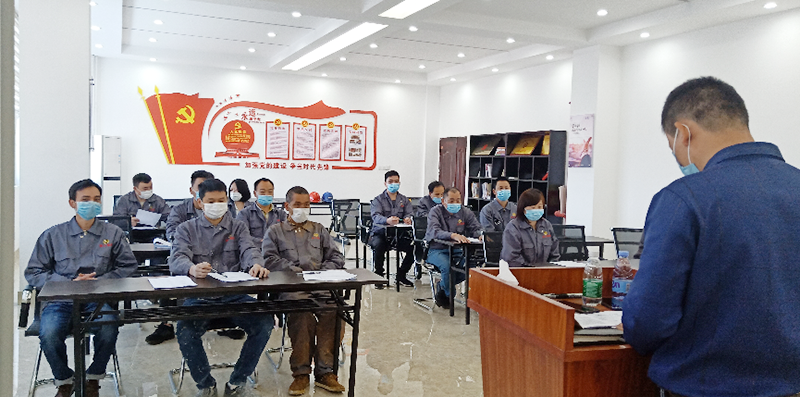
ServiceSince its establishment, we have always adhered to the service philosophy of "being close, caring, full lifecycle, and full value chain".
-
Contact UsCorporate Honors We provide our customers not only with advantageous products, technologies, and services, but also with a comprehensive solution to meet diverse needs, thereby continuously creating value for customers and he


Online Inquiry

JINGONG
NEWS
Efficiently Complete Railway Projects with Special Machinery: Boosting Productivity and Quality
TIME:2023-11-14 11:21
Table of Contents:
1. Introduction: Revolutionizing Railway Projects with Special Machinery
2. The Power of Special Machinery in Railway Construction
2.1. Enhancing Efficiency and Productivity
2.2. Ensuring High-Quality Results
2.3. Reducing Labor Costs and Time Constraints
3. Applications of Special Machinery in Railway Projects
3.1. Track Laying and Maintenance Machines
3.2. Tunnel Boring Machines
3.3. Ballast Tampers and Regulators
3.4. Rail Grinding Machines
3.5. Material Handling Equipment
4. Key Considerations for Adopting Special Machinery
4.1. Identifying Project Requirements and Objectives
4.2. Assessing Equipment Capabilities and Specifications
4.3. Ensuring Operator Training and Safety
4.4. Evaluating Long-Term Cost Effectiveness
5. Frequently Asked Questions (FAQs)
5.1. What are the advantages of using special machinery in railway construction?
5.2. How can special machinery contribute to project efficiency?
5.3. Are there any safety concerns associated with the use of special machinery?
5.4. Can special machinery be customized to meet specific project needs?
5.5. What cost savings can be expected from adopting special machinery?
6. Conclusion: Embrace the Future of Railway Construction with Special Machinery
1. Introduction: Revolutionizing Railway Projects with Special Machinery
In the dynamic world of railway construction, efficiency, productivity, and quality are paramount. To meet these demanding requirements, the strategic utilization of special machinery has emerged as a game-changer. This article delves into the transformative power of special machinery in railway projects, offering insights into its benefits, applications, and crucial considerations for implementation.
2. The Power of Special Machinery in Railway Construction
2.1. Enhancing Efficiency and Productivity
Special machinery possesses unique features and capabilities designed to expedite railway construction processes. With advanced technologies such as GPS navigation and automated systems, these machines ensure precise alignment, optimal track laying, and efficient maintenance. By streamlining operations and minimizing manual labor, special machinery significantly boosts productivity, allowing projects to be completed swiftly and with exceptional accuracy.
2.2. Ensuring High-Quality Results
Railway networks demand impeccable standards of construction to ensure passenger safety and long-term durability. Special machinery delivers on these requirements by executing tasks with unparalleled precision. Whether it's track leveling, ballast compaction, or tunnel excavation, these machines guarantee uniformity and adherence to the strictest quality standards. By eliminating human errors and inconsistencies, special machinery contributes to the creation of reliable, robust, and high-performing railway systems.
2.3. Reducing Labor Costs and Time Constraints
Traditional railway construction often necessitates substantial labor forces and extended project timelines. In contrast, the adoption of special machinery enables significant reductions in labor requirements, resulting in substantial cost savings. Moreover, the streamlined operations facilitated by specialized machines expedite project timelines, enabling railway networks to be completed efficiently within predefined schedules. These time and cost advantages empower companies to undertake more projects, expand their capabilities, and gain a competitive edge in the market.
3. Applications of Special Machinery in Railway Projects
3.1. Track Laying and Maintenance Machines
Track laying and maintenance machines play a pivotal role in railway construction. These state-of-the-art machines are designed to lay tracks with meticulous precision, ensuring accurate alignment and stability. Additionally, they excel in maintaining existing tracks, offering capabilities such as ballast cleaning, tamping, and regulating. The integration of GPS and other advanced technologies enables these machines to achieve unparalleled accuracy, efficiency, and reliability in the track laying and maintenance processes.
3.2. Tunnel Boring Machines
Tunnel construction is a critical aspect of railway projects, often presenting unique challenges. Special machinery, specifically tunnel boring machines (TBMs), revolutionize the excavation process, enabling tunnels to be created swiftly and efficiently. TBMs combine cutting-edge drilling mechanisms, advanced support systems, and automated controls to bore tunnels accurately while ensuring minimal disruption to surrounding environments. With their ability to excavate tunnels of varying diameters and lengths, TBMs are essential for executing complex railway projects with speed and precision.
3.3. Ballast Tampers and Regulators
Optimal ballast conditions are crucial for the overall stability and longevity of railway tracks. Special machinery, like ballast tampers and regulators, tackles this vital maintenance task efficiently and effectively. Equipped with advanced mechanisms, these machines uniformly distribute ballast, ensuring proper compaction and alignment. By eliminating anomalies and irregularities in the ballast, tampers and regulators enhance the overall track quality, reduce maintenance requirements, and improve train ride comfort.
3.4. Rail Grinding Machines
Over time, railway tracks are subject to wear and tear, resulting in uneven surfaces and imperfections. Rail grinding machines address this issue by precisely removing deformations, restoring track geometry, and improving ride quality. These machines utilize abrasive grinding wheels to achieve the desired smoothness and profile accuracy, ensuring enhanced safety and comfort for train operations. By proactively maintaining track conditions, rail grinding machines extend the lifespan of railway infrastructure and minimize costly repairs.
3.5. Material Handling Equipment
Efficient material handling is vital in railway construction, encompassing tasks such as loading/unloading, transport, and storage. Special machinery offers a wide range of equipment tailored to suit diverse material handling needs. From cranes and forklifts to conveyor systems, these machines optimize the movement of construction materials, significantly reducing manual labor and time requirements. By streamlining material handling processes, special machinery enhances overall project efficiency and minimizes operational bottlenecks.
4. Key Considerations for Adopting Special Machinery
4.1. Identifying Project Requirements and Objectives
Before embracing special machinery, it is crucial to evaluate project requirements and objectives. Understanding the specific tasks, challenges, and desired outcomes allows for informed decisions regarding the selection and integration of specialized machines. By aligning the machinery's capabilities with project parameters, companies can optimize operations, minimize risks, and maximize returns on investment.
4.2. Assessing Equipment Capabilities and Specifications
Thoroughly assessing the capabilities and specifications of special machinery is essential to ensure successful implementation. Factors such as power, precision, speed, adaptability, and automation should be evaluated against project needs. Additionally, considerations such as maintenance requirements, spare parts availability, and compatibility with existing infrastructure are vital for long-term operational efficiency. Collaborating with experienced suppliers and engaging in thorough equipment trials can provide valuable insights into the suitability and effectiveness of the machinery.
4.3. Ensuring Operator Training and Safety
The safe and competent operation of special machinery relies on well-trained and skilled operators. Companies must prioritize comprehensive training programs that familiarize operators with the unique features, controls, and safety protocols associated with specialized machines. By investing in operator training and certification, companies reduce the risk of accidents, optimize machinery performance, and ensure compliance with safety regulations.
4.4. Evaluating Long-Term Cost Effectiveness
While special machinery offers numerous advantages, it is essential to assess its long-term cost effectiveness. Besides the initial investment, factors such as operational costs, maintenance expenses, and potential downtime must be considered. Evaluating the expected returns on investment, including increased productivity, reduced labor costs, and minimized project durations, enables companies to make informed decisions regarding the adoption of specialized machines.
5. Frequently Asked Questions (FAQs)
5.1. What are the advantages of using special machinery in railway construction?
Special machinery in railway construction offers advantages such as enhanced efficiency, improved productivity, high-quality results, and significant cost savings. By employing advanced technologies and automated systems, these machines streamline operations, reduce labor requirements, and expedite project timelines.
5.2. How can special machinery contribute to project efficiency?
Special machinery contributes to project efficiency by minimizing manual labor, ensuring precise execution, and reducing project durations. The advanced features, automated controls, and optimized processes in specialized machines streamline railway construction, allowing projects to be completed swiftly and with exceptional accuracy.
5.3. Are there any safety concerns associated with the use of special machinery?
While special machinery enhances safety in railway construction by minimizing manual labor and reducing human error, operator training and adherence to safety protocols are crucial. Proper training and certification programs for operators, coupled with regular maintenance and compliance with safety regulations, ensure the safe and reliable operation of specialized machines.
5.4. Can special machinery be customized to meet specific project needs?
Yes, specialized machinery can be customized to meet specific project needs. Experienced manufacturers and suppliers offer customization options to tailor the capabilities, specifications, and features of machines according to individual project requirements. Collaboration with industry experts enables companies to obtain specialized machinery precisely aligned with their unique needs.
5.5. What cost savings can be expected from adopting special machinery?
Adopting special machinery in railway construction results in significant cost savings. By reducing labor requirements, expediting project timelines, and minimizing operational inefficiencies, companies can optimize their resources and achieve substantial cost reductions. The improved productivity and streamlined processes facilitated by specialized machines enhance profitability and competitiveness in the market.
6. Conclusion: Embrace the Future of Railway Construction with Special Machinery
In the ever-evolving landscape of railway construction, embracing special machinery is key to staying ahead of the competition. By harnessing the power of specialized machines, companies can revolutionize project completion, maximizing efficiency, productivity, and quality. From track laying and maintenance to tunnel excavation and material handling, the applications of special machinery are vast and transformative. By carefully considering project requirements, evaluating equipment capabilities, prioritizing operator training, and assessing long-term cost effectiveness, companies can make informed decisions that propel them towards success. Embrace the future of railway construction with special machinery and unlock unparalleled productivity, quality, and growth.
1. Introduction: Revolutionizing Railway Projects with Special Machinery
2. The Power of Special Machinery in Railway Construction
2.1. Enhancing Efficiency and Productivity
2.2. Ensuring High-Quality Results
2.3. Reducing Labor Costs and Time Constraints
3. Applications of Special Machinery in Railway Projects
3.1. Track Laying and Maintenance Machines
3.2. Tunnel Boring Machines
3.3. Ballast Tampers and Regulators
3.4. Rail Grinding Machines
3.5. Material Handling Equipment
4. Key Considerations for Adopting Special Machinery
4.1. Identifying Project Requirements and Objectives
4.2. Assessing Equipment Capabilities and Specifications
4.3. Ensuring Operator Training and Safety
4.4. Evaluating Long-Term Cost Effectiveness
5. Frequently Asked Questions (FAQs)
5.1. What are the advantages of using special machinery in railway construction?
5.2. How can special machinery contribute to project efficiency?
5.3. Are there any safety concerns associated with the use of special machinery?
5.4. Can special machinery be customized to meet specific project needs?
5.5. What cost savings can be expected from adopting special machinery?
6. Conclusion: Embrace the Future of Railway Construction with Special Machinery
1. Introduction: Revolutionizing Railway Projects with Special Machinery
In the dynamic world of railway construction, efficiency, productivity, and quality are paramount. To meet these demanding requirements, the strategic utilization of special machinery has emerged as a game-changer. This article delves into the transformative power of special machinery in railway projects, offering insights into its benefits, applications, and crucial considerations for implementation.
2. The Power of Special Machinery in Railway Construction
2.1. Enhancing Efficiency and Productivity
Special machinery possesses unique features and capabilities designed to expedite railway construction processes. With advanced technologies such as GPS navigation and automated systems, these machines ensure precise alignment, optimal track laying, and efficient maintenance. By streamlining operations and minimizing manual labor, special machinery significantly boosts productivity, allowing projects to be completed swiftly and with exceptional accuracy.
2.2. Ensuring High-Quality Results
Railway networks demand impeccable standards of construction to ensure passenger safety and long-term durability. Special machinery delivers on these requirements by executing tasks with unparalleled precision. Whether it's track leveling, ballast compaction, or tunnel excavation, these machines guarantee uniformity and adherence to the strictest quality standards. By eliminating human errors and inconsistencies, special machinery contributes to the creation of reliable, robust, and high-performing railway systems.
2.3. Reducing Labor Costs and Time Constraints
Traditional railway construction often necessitates substantial labor forces and extended project timelines. In contrast, the adoption of special machinery enables significant reductions in labor requirements, resulting in substantial cost savings. Moreover, the streamlined operations facilitated by specialized machines expedite project timelines, enabling railway networks to be completed efficiently within predefined schedules. These time and cost advantages empower companies to undertake more projects, expand their capabilities, and gain a competitive edge in the market.
3. Applications of Special Machinery in Railway Projects
3.1. Track Laying and Maintenance Machines
Track laying and maintenance machines play a pivotal role in railway construction. These state-of-the-art machines are designed to lay tracks with meticulous precision, ensuring accurate alignment and stability. Additionally, they excel in maintaining existing tracks, offering capabilities such as ballast cleaning, tamping, and regulating. The integration of GPS and other advanced technologies enables these machines to achieve unparalleled accuracy, efficiency, and reliability in the track laying and maintenance processes.
3.2. Tunnel Boring Machines
Tunnel construction is a critical aspect of railway projects, often presenting unique challenges. Special machinery, specifically tunnel boring machines (TBMs), revolutionize the excavation process, enabling tunnels to be created swiftly and efficiently. TBMs combine cutting-edge drilling mechanisms, advanced support systems, and automated controls to bore tunnels accurately while ensuring minimal disruption to surrounding environments. With their ability to excavate tunnels of varying diameters and lengths, TBMs are essential for executing complex railway projects with speed and precision.
3.3. Ballast Tampers and Regulators
Optimal ballast conditions are crucial for the overall stability and longevity of railway tracks. Special machinery, like ballast tampers and regulators, tackles this vital maintenance task efficiently and effectively. Equipped with advanced mechanisms, these machines uniformly distribute ballast, ensuring proper compaction and alignment. By eliminating anomalies and irregularities in the ballast, tampers and regulators enhance the overall track quality, reduce maintenance requirements, and improve train ride comfort.
3.4. Rail Grinding Machines
Over time, railway tracks are subject to wear and tear, resulting in uneven surfaces and imperfections. Rail grinding machines address this issue by precisely removing deformations, restoring track geometry, and improving ride quality. These machines utilize abrasive grinding wheels to achieve the desired smoothness and profile accuracy, ensuring enhanced safety and comfort for train operations. By proactively maintaining track conditions, rail grinding machines extend the lifespan of railway infrastructure and minimize costly repairs.
3.5. Material Handling Equipment
Efficient material handling is vital in railway construction, encompassing tasks such as loading/unloading, transport, and storage. Special machinery offers a wide range of equipment tailored to suit diverse material handling needs. From cranes and forklifts to conveyor systems, these machines optimize the movement of construction materials, significantly reducing manual labor and time requirements. By streamlining material handling processes, special machinery enhances overall project efficiency and minimizes operational bottlenecks.
4. Key Considerations for Adopting Special Machinery
4.1. Identifying Project Requirements and Objectives
Before embracing special machinery, it is crucial to evaluate project requirements and objectives. Understanding the specific tasks, challenges, and desired outcomes allows for informed decisions regarding the selection and integration of specialized machines. By aligning the machinery's capabilities with project parameters, companies can optimize operations, minimize risks, and maximize returns on investment.
4.2. Assessing Equipment Capabilities and Specifications
Thoroughly assessing the capabilities and specifications of special machinery is essential to ensure successful implementation. Factors such as power, precision, speed, adaptability, and automation should be evaluated against project needs. Additionally, considerations such as maintenance requirements, spare parts availability, and compatibility with existing infrastructure are vital for long-term operational efficiency. Collaborating with experienced suppliers and engaging in thorough equipment trials can provide valuable insights into the suitability and effectiveness of the machinery.
4.3. Ensuring Operator Training and Safety
The safe and competent operation of special machinery relies on well-trained and skilled operators. Companies must prioritize comprehensive training programs that familiarize operators with the unique features, controls, and safety protocols associated with specialized machines. By investing in operator training and certification, companies reduce the risk of accidents, optimize machinery performance, and ensure compliance with safety regulations.
4.4. Evaluating Long-Term Cost Effectiveness
While special machinery offers numerous advantages, it is essential to assess its long-term cost effectiveness. Besides the initial investment, factors such as operational costs, maintenance expenses, and potential downtime must be considered. Evaluating the expected returns on investment, including increased productivity, reduced labor costs, and minimized project durations, enables companies to make informed decisions regarding the adoption of specialized machines.
5. Frequently Asked Questions (FAQs)
5.1. What are the advantages of using special machinery in railway construction?
Special machinery in railway construction offers advantages such as enhanced efficiency, improved productivity, high-quality results, and significant cost savings. By employing advanced technologies and automated systems, these machines streamline operations, reduce labor requirements, and expedite project timelines.
5.2. How can special machinery contribute to project efficiency?
Special machinery contributes to project efficiency by minimizing manual labor, ensuring precise execution, and reducing project durations. The advanced features, automated controls, and optimized processes in specialized machines streamline railway construction, allowing projects to be completed swiftly and with exceptional accuracy.
5.3. Are there any safety concerns associated with the use of special machinery?
While special machinery enhances safety in railway construction by minimizing manual labor and reducing human error, operator training and adherence to safety protocols are crucial. Proper training and certification programs for operators, coupled with regular maintenance and compliance with safety regulations, ensure the safe and reliable operation of specialized machines.
5.4. Can special machinery be customized to meet specific project needs?
Yes, specialized machinery can be customized to meet specific project needs. Experienced manufacturers and suppliers offer customization options to tailor the capabilities, specifications, and features of machines according to individual project requirements. Collaboration with industry experts enables companies to obtain specialized machinery precisely aligned with their unique needs.
5.5. What cost savings can be expected from adopting special machinery?
Adopting special machinery in railway construction results in significant cost savings. By reducing labor requirements, expediting project timelines, and minimizing operational inefficiencies, companies can optimize their resources and achieve substantial cost reductions. The improved productivity and streamlined processes facilitated by specialized machines enhance profitability and competitiveness in the market.
6. Conclusion: Embrace the Future of Railway Construction with Special Machinery
In the ever-evolving landscape of railway construction, embracing special machinery is key to staying ahead of the competition. By harnessing the power of specialized machines, companies can revolutionize project completion, maximizing efficiency, productivity, and quality. From track laying and maintenance to tunnel excavation and material handling, the applications of special machinery are vast and transformative. By carefully considering project requirements, evaluating equipment capabilities, prioritizing operator training, and assessing long-term cost effectiveness, companies can make informed decisions that propel them towards success. Embrace the future of railway construction with special machinery and unlock unparalleled productivity, quality, and growth.
Related News
Contact Us
No. 88, Pan Cuo, Jiaonan Village, Heshizhen, Luojiang District, Quanzhou City, Fujian Province


