
-
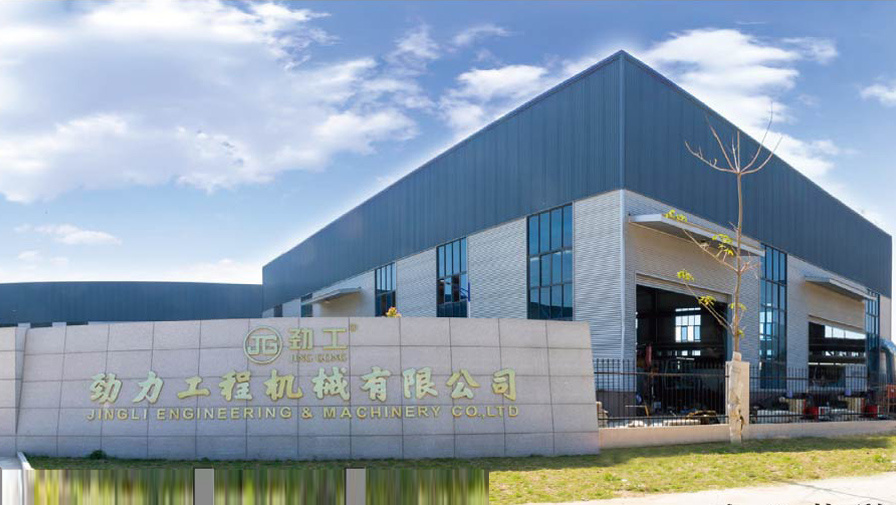
About UsQuanzhou Jinli Engineering Machinery Co., Ltd., established in July 2006, is a professional manufacturer specializing in design, development, production, and sales of equipment machinery.
-
ProductsConstruction machinery: tire excavator, crawler excavator; Forestry machinery: bamboo and wood (sugarcane) picking and loading machines, multifunctional transfer machines; Harvesting machinery: whole rod sugarcane combine har
-
NewsJinggong adheres to the business philosophy of "technology supporting enterprises, quality bearing heavy trust", constantly develops new products guided by market demand, and presents satisfactory products to our customers.

-
ServiceSince its establishment, we have always adhered to the service philosophy of "being close, caring, full lifecycle, and full value chain".

-
Contact UsCorporate Honors We provide our customers not only with advantageous products, technologies, and services, but also with a comprehensive solution to meet diverse needs, thereby continuously creating value for customers and he


Online Inquiry

JINGONG
NEWS
The Ultimate Guide to Pickup Machines in the Construction and Engineering Industry
TIME:2023-11-14 11:21
Introduction:
Pickup machines have revolutionized the construction and engineering industry by streamlining the process of material handling and transportation. In this comprehensive guide, we will delve into the world of pickup machines, exploring their significance, functions, and applications within the manufacturing and construction machinery sector.
1. Understanding Pickup Machines:
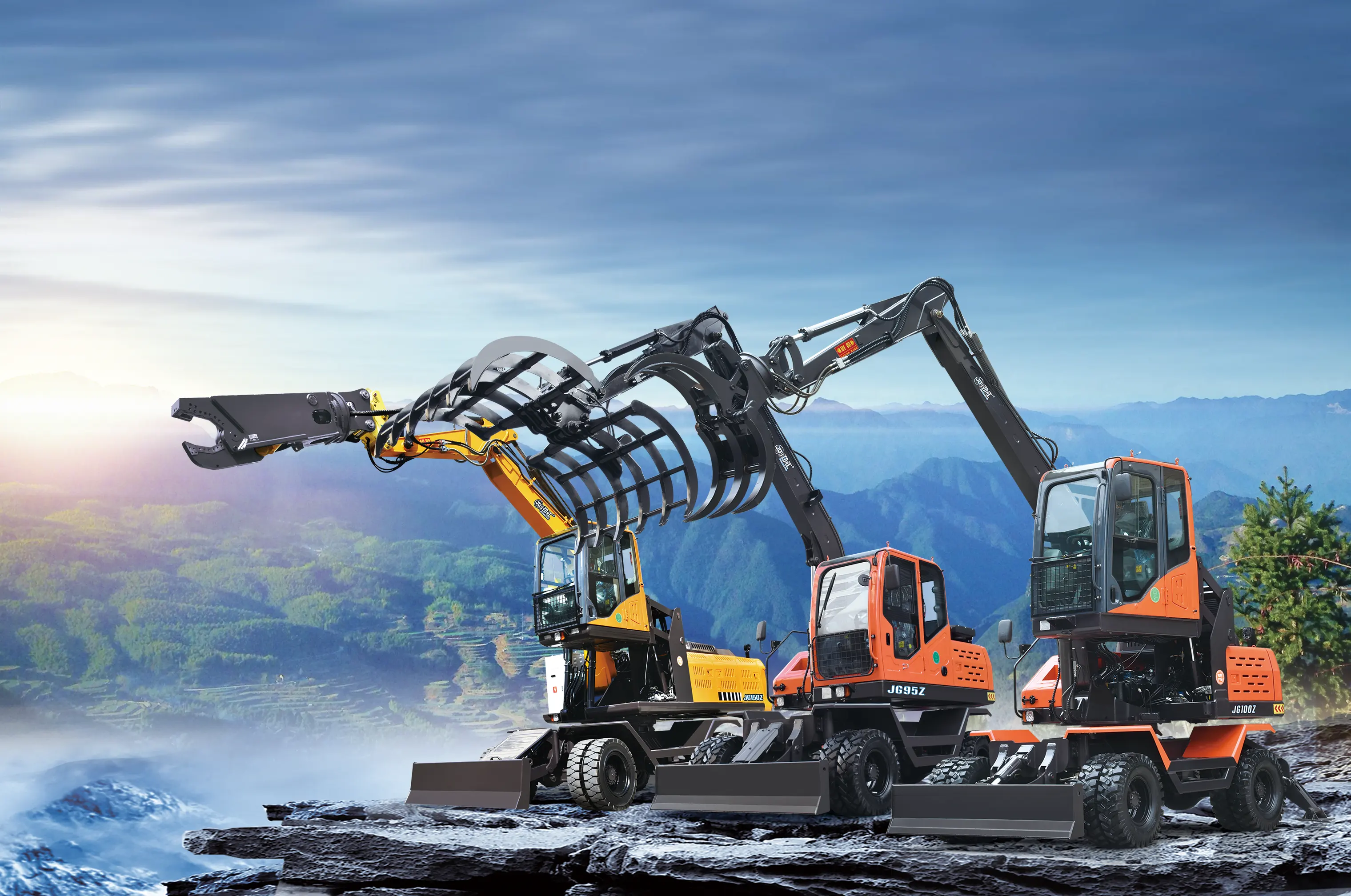
Pickup machines, commonly known as excavators, are heavy-duty construction equipment designed to perform a wide range of tasks. These versatile machines are equipped with an arm, bucket, and cab mounted on a rotating platform, allowing them to handle various materials with precision and power.
2. Key Features and Components:
A pickup machine typically consists of hydraulic systems, tracks or wheels for mobility, a boom, stick, and bucket for excavation and loading, and a cab for the operator. The hydraulic system plays a crucial role in controlling the machine's movement and enabling it to perform tasks with efficiency and accuracy.
3. Applications in Construction:
Pickup machines find extensive use in the construction industry, where they are employed for tasks such as digging trenches, excavating foundations, demolishing structures, and loading/unloading materials. Their versatility and adaptability make them a valuable asset on construction sites, enhancing productivity and reducing manual labor requirements.
4. Importance in Engineering Projects:
In engineering projects, pickup machines are essential for tasks like landscaping, site preparation, and utility installations. They enable engineers to carry out precise excavations and ensure the smooth execution of project plans.
5. Types of Pickup Machines:
The construction and engineering industry offer different types of pickup machines, including hydraulic excavators, mini excavators, backhoe loaders, and skid steer loaders. Each type serves specific purposes and comes with varying capabilities, making it essential to choose the right machine for specific projects.
6. Safety Considerations:
Safety is paramount when operating pickup machines. Operators must undergo training to ensure they have the necessary skills to handle these powerful machines safely. Regular maintenance, proper use of safety equipment, and adherence to safety protocols are crucial for minimizing accidents on construction sites.
7. Future Trends and Innovations:
Continual advancements in technology are driving the evolution of pickup machines. Remote-controlled and autonomous excavators are emerging to enhance safety and efficiency further. Additionally, manufacturers are focusing on developing eco-friendly machines that reduce fuel consumption and carbon emissions.
Conclusion:
Pickup machines are indispensable in the manufacturing and construction machinery sector, playing a crucial role in enhancing productivity, efficiency, and safety. By understanding their applications, features, and importance, professionals in the industry can leverage pickup machines to optimize their construction and engineering projects.
Pickup machines have revolutionized the construction and engineering industry by streamlining the process of material handling and transportation. In this comprehensive guide, we will delve into the world of pickup machines, exploring their significance, functions, and applications within the manufacturing and construction machinery sector.
1. Understanding Pickup Machines:
Pickup machines, commonly known as excavators, are heavy-duty construction equipment designed to perform a wide range of tasks. These versatile machines are equipped with an arm, bucket, and cab mounted on a rotating platform, allowing them to handle various materials with precision and power.
2. Key Features and Components:
A pickup machine typically consists of hydraulic systems, tracks or wheels for mobility, a boom, stick, and bucket for excavation and loading, and a cab for the operator. The hydraulic system plays a crucial role in controlling the machine's movement and enabling it to perform tasks with efficiency and accuracy.
3. Applications in Construction:
Pickup machines find extensive use in the construction industry, where they are employed for tasks such as digging trenches, excavating foundations, demolishing structures, and loading/unloading materials. Their versatility and adaptability make them a valuable asset on construction sites, enhancing productivity and reducing manual labor requirements.
4. Importance in Engineering Projects:
In engineering projects, pickup machines are essential for tasks like landscaping, site preparation, and utility installations. They enable engineers to carry out precise excavations and ensure the smooth execution of project plans.
5. Types of Pickup Machines:
The construction and engineering industry offer different types of pickup machines, including hydraulic excavators, mini excavators, backhoe loaders, and skid steer loaders. Each type serves specific purposes and comes with varying capabilities, making it essential to choose the right machine for specific projects.
6. Safety Considerations:
Safety is paramount when operating pickup machines. Operators must undergo training to ensure they have the necessary skills to handle these powerful machines safely. Regular maintenance, proper use of safety equipment, and adherence to safety protocols are crucial for minimizing accidents on construction sites.
7. Future Trends and Innovations:
Continual advancements in technology are driving the evolution of pickup machines. Remote-controlled and autonomous excavators are emerging to enhance safety and efficiency further. Additionally, manufacturers are focusing on developing eco-friendly machines that reduce fuel consumption and carbon emissions.
Conclusion:
Pickup machines are indispensable in the manufacturing and construction machinery sector, playing a crucial role in enhancing productivity, efficiency, and safety. By understanding their applications, features, and importance, professionals in the industry can leverage pickup machines to optimize their construction and engineering projects.
Related News
Contact Us
No. 88, Pan Cuo, Jiaonan Village, Heshizhen, Luojiang District, Quanzhou City, Fujian Province


