
-
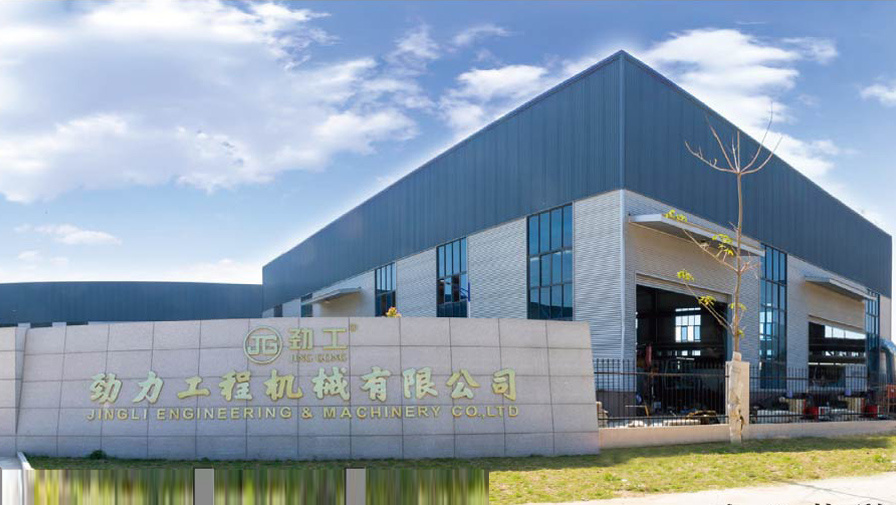
About UsQuanzhou Jinli Engineering Machinery Co., Ltd., established in July 2006, is a professional manufacturer specializing in design, development, production, and sales of equipment machinery.
-
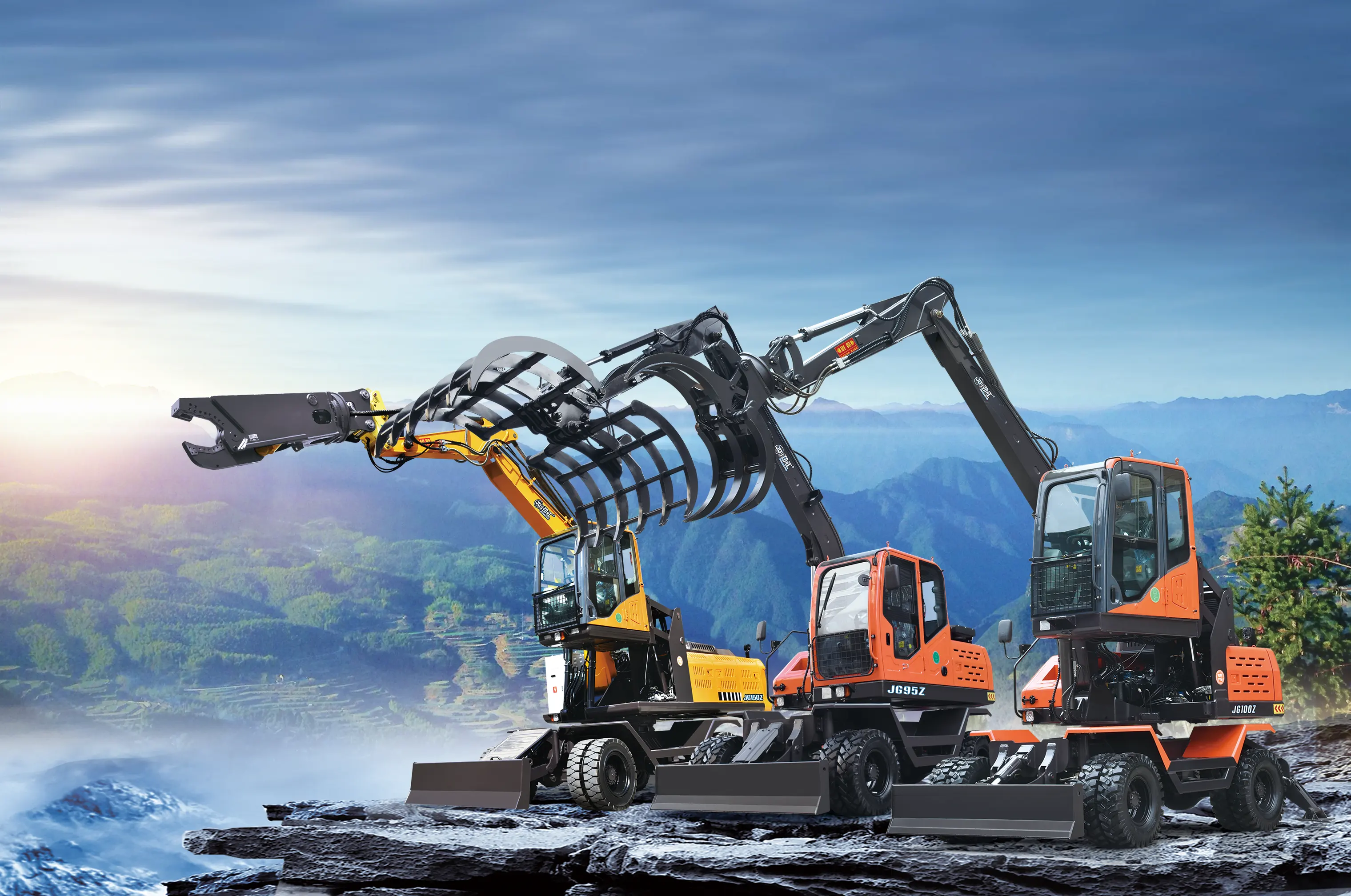
ProductsConstruction machinery: tire excavator, crawler excavator; Forestry machinery: bamboo and wood (sugarcane) picking and loading machines, multifunctional transfer machines; Harvesting machinery: whole rod sugarcane combine har
-
NewsJinggong adheres to the business philosophy of "technology supporting enterprises, quality bearing heavy trust", constantly develops new products guided by market demand, and presents satisfactory products to our customers.

-
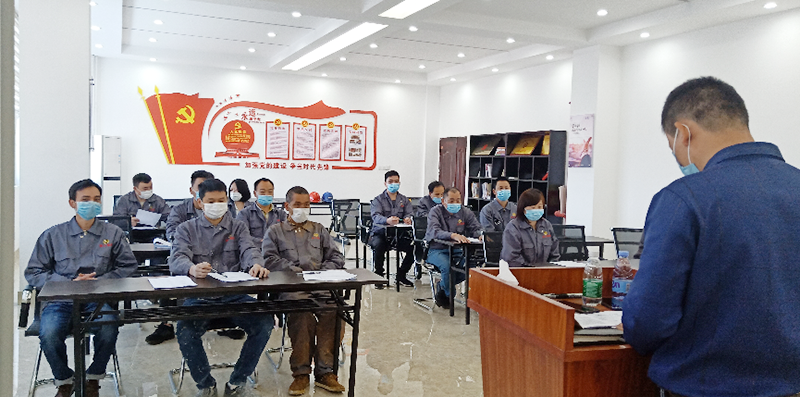
ServiceSince its establishment, we have always adhered to the service philosophy of "being close, caring, full lifecycle, and full value chain".
-
Contact UsCorporate Honors We provide our customers not only with advantageous products, technologies, and services, but also with a comprehensive solution to meet diverse needs, thereby continuously creating value for customers and he


Online Inquiry

JINGONG
NEWS
Boost Productivity in Railway Construction with Special Machinery
TIME:2023-11-16 12:40
Table of Contents:
1. Introduction: Transforming Railway Construction with Special Machinery
2. Advantages of Special Machinery in Railway Construction
2.1 Improving Efficiency and Speed
2.2 Reducing Labor Intensity
2.3 Ensuring Precision and Accuracy
2.4 Enhancing Safety Measures
3. Types of Special Machinery for Railway Construction
3.1 Excavators
3.2 Tamping Machines
3.3 Ballast Regulators
3.4 Track Laying Machines
3.5 Rail Welding Machines
4. Features and Benefits of Special Machinery
4.1 Advanced Technology for Optimum Performance
4.2 Versatility and Adaptability to Different Terrains
4.3 Cost-effectiveness and Time-saving Capabilities
4.4 User-friendly Interface and Easy Maintenance
5. Frequently Asked Questions (FAQs)
5.1 What are the key factors to consider when choosing special machinery for railway construction?
5.2 Can special machinery be customized according to specific project requirements?
5.3 Are there any safety measures that need to be taken while operating special machinery?
5.4 How does special machinery help in reducing project costs?
5.5 Is training available for operating special machinery?
6. Conclusion: Revolutionizing Railway Construction with Specialized Machinery
1. Introduction: Transforming Railway Construction with Special Machinery
In the realm of railway construction, efficiency and productivity play crucial roles in meeting project timelines and budgets. To expedite the construction process and enhance overall productivity, the utilization of specialized machinery has become integral. This article delves into the advantages, types, features, and benefits of special machinery specifically designed for railway construction projects.
2. Advantages of Special Machinery in Railway Construction
2.1 Improving Efficiency and Speed
The adoption of special machinery in railway construction significantly improves efficiency and speed. These machines are engineered to handle heavy-duty tasks, such as excavation, track laying, and ballast regulation, with utmost precision and speed. By automating labor-intensive processes, special machinery minimizes human error and ensures swift progress.
2.2 Reducing Labor Intensity
By incorporating special machinery in railway construction projects, the reliance on manual labor can be substantially reduced. This not only decreases labor intensity but also minimizes the risks associated with physical strain and accidents. The introduction of machinery allows workers to focus on more skilled tasks, leading to better utilization of resources.
2.3 Ensuring Precision and Accuracy
Special machinery is equipped with advanced technology, enabling precise and accurate execution of construction tasks. Excavators, tamping machines, and rail welding machines utilize sophisticated sensors and systems to ensure alignment, depth control, and welding quality, respectively. This level of precision guarantees a higher level of safety and longevity for railway infrastructure.
2.4 Enhancing Safety Measures
Safety is paramount in railway construction. Special machinery adheres to strict safety standards, incorporating features like anti-collision systems, emergency stop buttons, and comprehensive operator training programs. By mitigating potential risks, special machinery safeguards workers and reduces the likelihood of accidents, thereby enhancing overall safety measures.
3. Types of Special Machinery for Railway Construction
3.1 Excavators
Excavators are versatile machines that excel in excavation, material handling, and earth-moving tasks. Equipped with powerful hydraulic systems, excavators efficiently dig trenches, lay drainage systems, and load heavy materials. Their adaptability to various terrain conditions makes them indispensable in railway construction projects.
3.2 Tamping Machines
Tamping machines play a vital role in ensuring the stability and alignment of railway tracks. These machines efficiently tamp and pack the ballast, enhancing track geometry and reducing the risk of track settlement. With their advanced leveling and vibration systems, tamping machines guarantee precise track positioning, ultimately improving train stability and safety.
3.3 Ballast Regulators
Ballast regulators are specifically designed to distribute and align the ballast beneath the railway tracks. These machines ensure uniform distribution of ballast, maintaining optimal track stability and resilience. By preventing track movement and degradation, ballast regulators contribute to smoother train operations and longer-lasting infrastructure.
3.4 Track Laying Machines
Track laying machines revolutionize the process of track installation, expediting railway construction projects significantly. These machines are capable of laying and aligning multiple tracks simultaneously, reducing manual labor and enhancing productivity. Track laying machines efficiently handle the intricate task of track positioning, tightening bolts, and ensuring proper alignment.
3.5 Rail Welding Machines
Rail welding machines are instrumental in creating seamless and robust rail joints. These machines employ state-of-the-art welding techniques to fuse rail sections together, eliminating weak points and ensuring the structural integrity of the tracks. By providing continuous and high-quality welds, rail welding machines enhance the durability and longevity of railway infrastructure.
4. Features and Benefits of Special Machinery
4.1 Advanced Technology for Optimum Performance
Special machinery for railway construction is equipped with cutting-edge technology, enabling efficient and precise operations. From advanced control systems to real-time monitoring, these machines provide operators with comprehensive data and insights for optimum performance.
4.2 Versatility and Adaptability to Different Terrains
Railway construction projects often encounter diverse terrain conditions. Special machinery is designed to adapt to various landscapes, ensuring seamless operation and maximizing productivity. Whether it's rough terrains, slopes, or tight spaces, these machines are engineered to tackle any challenges that arise.
4.3 Cost-effectiveness and Time-saving Capabilities
Special machinery significantly reduces project costs by minimizing labor requirements and expediting construction timelines. The use of specialized machines streamlines processes, eliminates delays, and enhances overall efficiency. By optimizing resource allocation, special machinery offers substantial cost savings and increases the return on investment.
4.4 User-friendly Interface and Easy Maintenance
Special machinery is designed with user-friendliness in mind. Intuitive interfaces, ergonomic controls, and comprehensive operator training programs make operating these machines straightforward and efficient. Additionally, the machines are built to ensure easy maintenance, reducing downtime and maximizing productivity.
5. Frequently Asked Questions (FAQs)
5.1 What are the key factors to consider when choosing special machinery for railway construction?
When selecting special machinery, factors such as project requirements, terrain conditions, performance specifications, and safety features should be taken into account. It is crucial to choose machines that align with the specific needs of the railway construction project.
5.2 Can special machinery be customized according to specific project requirements?
Yes, manufacturers of special machinery often offer customization options to cater to the unique needs of railway construction projects. Customizations can range from attachments and accessories to specialized functionalities, ensuring optimal performance and productivity.
5.3 Are there any safety measures that need to be taken while operating special machinery?
Yes, operators of special machinery must undergo comprehensive training to understand and follow safety protocols. It is essential to wear personal protective equipment, operate machines within their specified limits, and adhere to safety guidelines to minimize the risk of accidents.
5.4 How does special machinery help in reducing project costs?
Special machinery reduces project costs by minimizing labor requirements, improving efficiency, and expediting construction timelines. The automation of labor-intensive tasks and the ability to handle multiple processes simultaneously contribute to significant cost savings.
5.5 Is training available for operating special machinery?
Yes, manufacturers and suppliers of special machinery usually provide training programs for operators. These programs aim to familiarize operators with the functionalities, safety guidelines, and maintenance procedures of the specific machines, ensuring safe and efficient operation.
6. Conclusion: Revolutionizing Railway Construction with Specialized Machinery
The utilization of special machinery has revolutionized the landscape of railway construction. By enhancing efficiency, reducing labor intensity, ensuring precision, and improving safety measures, these machines have become indispensable in expediting projects and optimizing productivity. The wide range of specialized machinery available, equipped with advanced technology and user-friendly features, paves the way for seamless railway construction and long-lasting infrastructure. Embrace the power of special machinery to boost productivity and propel railway construction projects to new heights.
1. Introduction: Transforming Railway Construction with Special Machinery
2. Advantages of Special Machinery in Railway Construction
2.1 Improving Efficiency and Speed
2.2 Reducing Labor Intensity
2.3 Ensuring Precision and Accuracy
2.4 Enhancing Safety Measures
3. Types of Special Machinery for Railway Construction
3.1 Excavators
3.2 Tamping Machines
3.3 Ballast Regulators
3.4 Track Laying Machines
3.5 Rail Welding Machines
4. Features and Benefits of Special Machinery
4.1 Advanced Technology for Optimum Performance
4.2 Versatility and Adaptability to Different Terrains
4.3 Cost-effectiveness and Time-saving Capabilities
4.4 User-friendly Interface and Easy Maintenance
5. Frequently Asked Questions (FAQs)
5.1 What are the key factors to consider when choosing special machinery for railway construction?
5.2 Can special machinery be customized according to specific project requirements?
5.3 Are there any safety measures that need to be taken while operating special machinery?
5.4 How does special machinery help in reducing project costs?
5.5 Is training available for operating special machinery?
6. Conclusion: Revolutionizing Railway Construction with Specialized Machinery
1. Introduction: Transforming Railway Construction with Special Machinery
In the realm of railway construction, efficiency and productivity play crucial roles in meeting project timelines and budgets. To expedite the construction process and enhance overall productivity, the utilization of specialized machinery has become integral. This article delves into the advantages, types, features, and benefits of special machinery specifically designed for railway construction projects.
2. Advantages of Special Machinery in Railway Construction
2.1 Improving Efficiency and Speed
The adoption of special machinery in railway construction significantly improves efficiency and speed. These machines are engineered to handle heavy-duty tasks, such as excavation, track laying, and ballast regulation, with utmost precision and speed. By automating labor-intensive processes, special machinery minimizes human error and ensures swift progress.
2.2 Reducing Labor Intensity
By incorporating special machinery in railway construction projects, the reliance on manual labor can be substantially reduced. This not only decreases labor intensity but also minimizes the risks associated with physical strain and accidents. The introduction of machinery allows workers to focus on more skilled tasks, leading to better utilization of resources.
2.3 Ensuring Precision and Accuracy
Special machinery is equipped with advanced technology, enabling precise and accurate execution of construction tasks. Excavators, tamping machines, and rail welding machines utilize sophisticated sensors and systems to ensure alignment, depth control, and welding quality, respectively. This level of precision guarantees a higher level of safety and longevity for railway infrastructure.
2.4 Enhancing Safety Measures
Safety is paramount in railway construction. Special machinery adheres to strict safety standards, incorporating features like anti-collision systems, emergency stop buttons, and comprehensive operator training programs. By mitigating potential risks, special machinery safeguards workers and reduces the likelihood of accidents, thereby enhancing overall safety measures.
3. Types of Special Machinery for Railway Construction
3.1 Excavators
Excavators are versatile machines that excel in excavation, material handling, and earth-moving tasks. Equipped with powerful hydraulic systems, excavators efficiently dig trenches, lay drainage systems, and load heavy materials. Their adaptability to various terrain conditions makes them indispensable in railway construction projects.
3.2 Tamping Machines
Tamping machines play a vital role in ensuring the stability and alignment of railway tracks. These machines efficiently tamp and pack the ballast, enhancing track geometry and reducing the risk of track settlement. With their advanced leveling and vibration systems, tamping machines guarantee precise track positioning, ultimately improving train stability and safety.
3.3 Ballast Regulators
Ballast regulators are specifically designed to distribute and align the ballast beneath the railway tracks. These machines ensure uniform distribution of ballast, maintaining optimal track stability and resilience. By preventing track movement and degradation, ballast regulators contribute to smoother train operations and longer-lasting infrastructure.
3.4 Track Laying Machines
Track laying machines revolutionize the process of track installation, expediting railway construction projects significantly. These machines are capable of laying and aligning multiple tracks simultaneously, reducing manual labor and enhancing productivity. Track laying machines efficiently handle the intricate task of track positioning, tightening bolts, and ensuring proper alignment.
3.5 Rail Welding Machines
Rail welding machines are instrumental in creating seamless and robust rail joints. These machines employ state-of-the-art welding techniques to fuse rail sections together, eliminating weak points and ensuring the structural integrity of the tracks. By providing continuous and high-quality welds, rail welding machines enhance the durability and longevity of railway infrastructure.
4. Features and Benefits of Special Machinery
4.1 Advanced Technology for Optimum Performance
Special machinery for railway construction is equipped with cutting-edge technology, enabling efficient and precise operations. From advanced control systems to real-time monitoring, these machines provide operators with comprehensive data and insights for optimum performance.
4.2 Versatility and Adaptability to Different Terrains
Railway construction projects often encounter diverse terrain conditions. Special machinery is designed to adapt to various landscapes, ensuring seamless operation and maximizing productivity. Whether it's rough terrains, slopes, or tight spaces, these machines are engineered to tackle any challenges that arise.
4.3 Cost-effectiveness and Time-saving Capabilities
Special machinery significantly reduces project costs by minimizing labor requirements and expediting construction timelines. The use of specialized machines streamlines processes, eliminates delays, and enhances overall efficiency. By optimizing resource allocation, special machinery offers substantial cost savings and increases the return on investment.
4.4 User-friendly Interface and Easy Maintenance
Special machinery is designed with user-friendliness in mind. Intuitive interfaces, ergonomic controls, and comprehensive operator training programs make operating these machines straightforward and efficient. Additionally, the machines are built to ensure easy maintenance, reducing downtime and maximizing productivity.
5. Frequently Asked Questions (FAQs)
5.1 What are the key factors to consider when choosing special machinery for railway construction?
When selecting special machinery, factors such as project requirements, terrain conditions, performance specifications, and safety features should be taken into account. It is crucial to choose machines that align with the specific needs of the railway construction project.
5.2 Can special machinery be customized according to specific project requirements?
Yes, manufacturers of special machinery often offer customization options to cater to the unique needs of railway construction projects. Customizations can range from attachments and accessories to specialized functionalities, ensuring optimal performance and productivity.
5.3 Are there any safety measures that need to be taken while operating special machinery?
Yes, operators of special machinery must undergo comprehensive training to understand and follow safety protocols. It is essential to wear personal protective equipment, operate machines within their specified limits, and adhere to safety guidelines to minimize the risk of accidents.
5.4 How does special machinery help in reducing project costs?
Special machinery reduces project costs by minimizing labor requirements, improving efficiency, and expediting construction timelines. The automation of labor-intensive tasks and the ability to handle multiple processes simultaneously contribute to significant cost savings.
5.5 Is training available for operating special machinery?
Yes, manufacturers and suppliers of special machinery usually provide training programs for operators. These programs aim to familiarize operators with the functionalities, safety guidelines, and maintenance procedures of the specific machines, ensuring safe and efficient operation.
6. Conclusion: Revolutionizing Railway Construction with Specialized Machinery
The utilization of special machinery has revolutionized the landscape of railway construction. By enhancing efficiency, reducing labor intensity, ensuring precision, and improving safety measures, these machines have become indispensable in expediting projects and optimizing productivity. The wide range of specialized machinery available, equipped with advanced technology and user-friendly features, paves the way for seamless railway construction and long-lasting infrastructure. Embrace the power of special machinery to boost productivity and propel railway construction projects to new heights.
Related News
Contact Us
No. 88, Pan Cuo, Jiaonan Village, Heshizhen, Luojiang District, Quanzhou City, Fujian Province


