
-
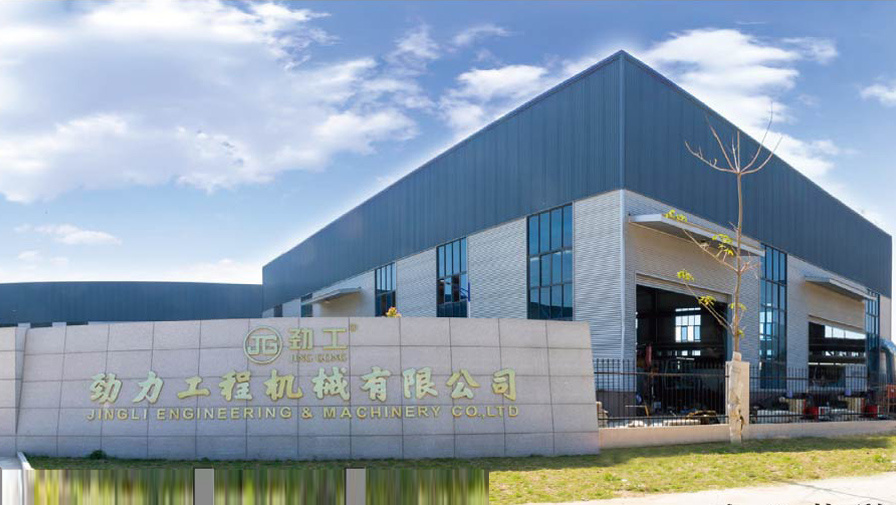
About UsQuanzhou Jinli Engineering Machinery Co., Ltd., established in July 2006, is a professional manufacturer specializing in design, development, production, and sales of equipment machinery.
-
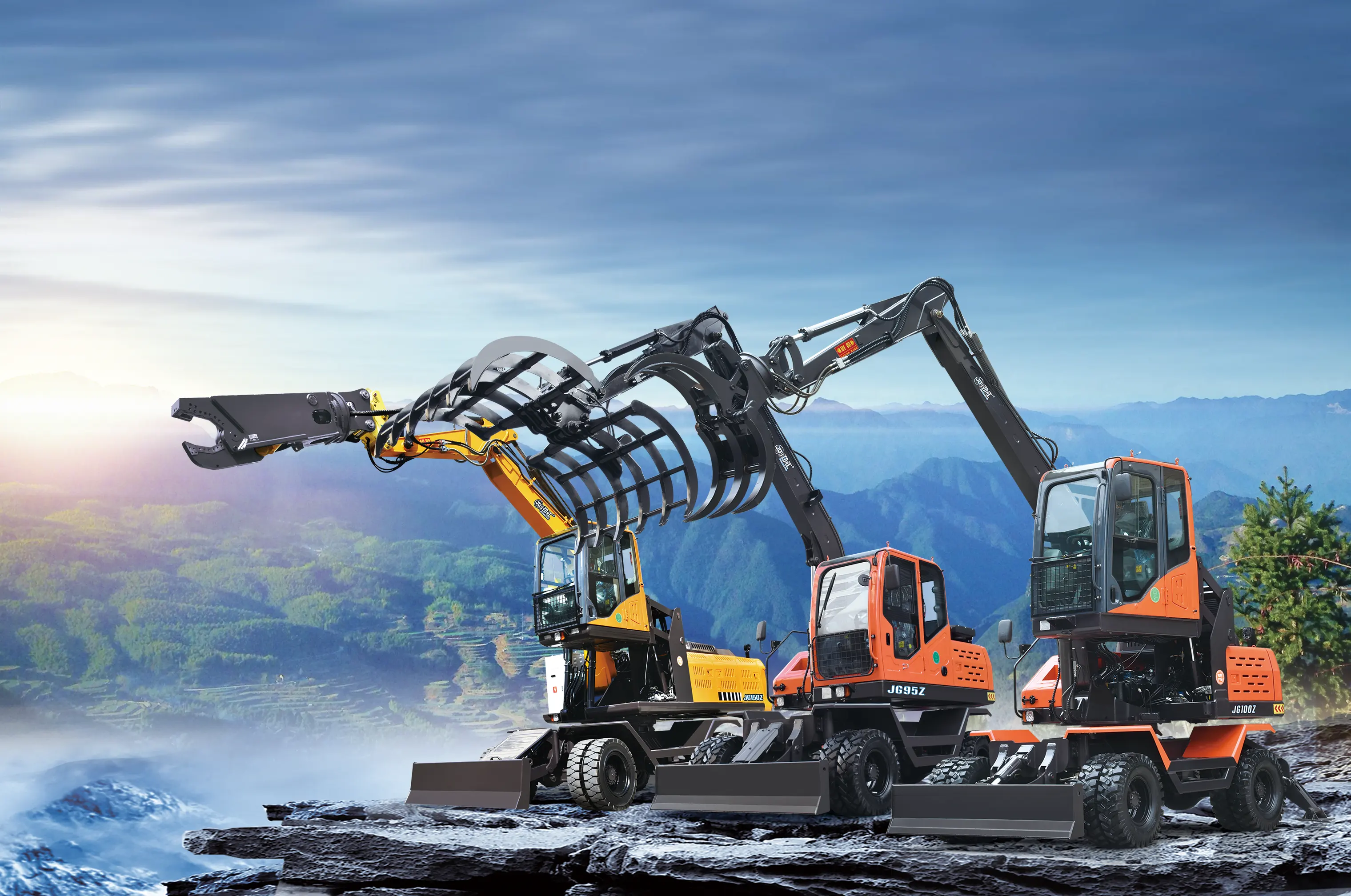
ProductsConstruction machinery: tire excavator, crawler excavator; Forestry machinery: bamboo and wood (sugarcane) picking and loading machines, multifunctional transfer machines; Harvesting machinery: whole rod sugarcane combine har
-
NewsJinggong adheres to the business philosophy of "technology supporting enterprises, quality bearing heavy trust", constantly develops new products guided by market demand, and presents satisfactory products to our customers.

-
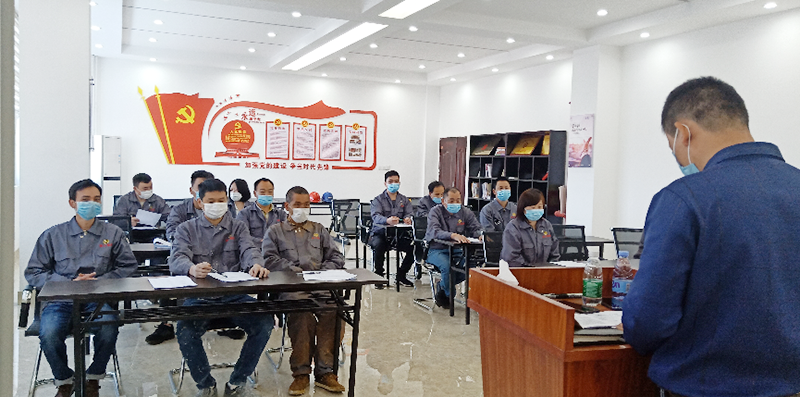
ServiceSince its establishment, we have always adhered to the service philosophy of "being close, caring, full lifecycle, and full value chain".
-
Contact UsCorporate Honors We provide our customers not only with advantageous products, technologies, and services, but also with a comprehensive solution to meet diverse needs, thereby continuously creating value for customers and he


Online Inquiry

JINGONG
NEWS
Unleashing the Power of Railway Mucking Machines: A Case Study
TIME:2023-11-17 11:01
Table of Contents:
1. Introduction
2. Understanding Railway Mucking Machines
3. Case Study: Transforming Railway Construction
4. Benefits of Railway Mucking Machines
5. Challenges Faced in Implementing Mucking Machines
6. Success Stories of Railway Mucking Machines
7. Future Advancements and Possibilities
8. Frequently Asked Questions (FAQs)
9. Conclusion
With the constant progress and development in the manufacturing and construction machinery industry, the introduction of railway mucking machines has created a significant impact on the efficiency and effectiveness of railway-related projects. In this article, we delve into the world of railway mucking machines by exploring a fascinating case study that showcases their power and potential.
Railway mucking machines, also known as muck movers or muck removers, are specialized pieces of heavy machinery designed to remove large quantities of soil, debris, and other materials during railway construction and maintenance activities. These machines have dramatically transformed traditional manual labor-intensive processes, leading to time and cost savings, as well as improved worker safety.
In this case study, we focus on a construction project that involved the expansion of a high-speed railway network. The project aimed to connect previously inaccessible regions, ensuring efficient transportation and boosting economic development. The traditional manual methods employed for excavation and muck removal posed significant challenges, resulting in delays and increased costs.
The project faced major hurdles due to the vast amount of excavated soil that needed to be removed efficiently and quickly. Manual labor was not only time-consuming but also presented safety risks to workers. The need for a more efficient solution led to the introduction of railway mucking machines.
The implementation of railway mucking machines revolutionized the project. These powerful machines quickly and effectively removed large volumes of soil, allowing for faster progress and reduced labor costs. The ability to transport muck directly onto wagons for removal eliminated the need for additional handling steps, minimizing the risk of accidents and injuries.
By employing railway mucking machines, the project achieved significant efficiency improvements. The streamlined process reduced construction time, resulting in substantial cost savings. Additionally, the enhanced safety measures provided a secure working environment, leading to improved worker morale and productivity.
Railway mucking machines offer a multitude of benefits for railway construction and maintenance projects. Some key advantages include:
The powerful capabilities of these machines enable faster excavation and muck removal, resulting in increased productivity and timely project completion.
By eliminating the need for extensive manual labor and reducing project timelines, railway mucking machines contribute to significant cost savings.
The implementation of mucking machines reduces the risks associated with manual labor, ensuring a safer working environment for construction workers.
The efficient removal of muck minimizes environmental impact by reducing pollution and waste generated during construction activities.
While railway mucking machines offer incredible advantages, the implementation process is not without its challenges. Some common hurdles include:
Acquiring and deploying railway mucking machines requires a significant upfront investment, which can be a barrier for smaller companies or projects.
Proper training and certification are essential for operators to ensure the safe and efficient use of mucking machines. Training programs must be implemented to overcome this challenge effectively.
Numerous success stories demonstrate the positive impact of railway mucking machines in various projects worldwide. Let's explore a few notable examples:
The case study mentioned earlier showcases how railway mucking machines transformed a high-speed rail network expansion project, resulting in accelerated construction timelines and significant cost savings.
In densely populated urban areas, railway mucking machines have played a crucial role in expanding and upgrading existing rail systems, allowing for efficient transportation and reducing congestion.
Railway mucking machines have already made a substantial impact, but the potential for further advancements and possibilities is vast. Some areas of future development include:
Advancements in automation and robotics technology could lead to the development of fully autonomous railway mucking machines, further enhancing efficiency and reducing labor requirements.
The industry is actively exploring ways to make railway mucking machines more environmentally friendly by reducing emissions, noise levels, and optimizing fuel consumption.
Railway mucking machines have transformed the railway construction and maintenance industry, offering improved efficiency, cost savings, and enhanced worker safety. Through the case study and exploration of benefits, challenges, and success stories, it is evident that these powerful machines are central to the future of railway projects. As advancements continue, the potential for further optimization and innovation in this field is exciting. By embracing the power of railway mucking machines, we can unlock new possibilities and reshape the way we approach railway development.
1. Introduction
2. Understanding Railway Mucking Machines
3. Case Study: Transforming Railway Construction
4. Benefits of Railway Mucking Machines
5. Challenges Faced in Implementing Mucking Machines
6. Success Stories of Railway Mucking Machines
7. Future Advancements and Possibilities
8. Frequently Asked Questions (FAQs)
9. Conclusion
1. Introduction
With the constant progress and development in the manufacturing and construction machinery industry, the introduction of railway mucking machines has created a significant impact on the efficiency and effectiveness of railway-related projects. In this article, we delve into the world of railway mucking machines by exploring a fascinating case study that showcases their power and potential.
2. Understanding Railway Mucking Machines
Railway mucking machines, also known as muck movers or muck removers, are specialized pieces of heavy machinery designed to remove large quantities of soil, debris, and other materials during railway construction and maintenance activities. These machines have dramatically transformed traditional manual labor-intensive processes, leading to time and cost savings, as well as improved worker safety.
3. Case Study: Transforming Railway Construction
In this case study, we focus on a construction project that involved the expansion of a high-speed railway network. The project aimed to connect previously inaccessible regions, ensuring efficient transportation and boosting economic development. The traditional manual methods employed for excavation and muck removal posed significant challenges, resulting in delays and increased costs.
3.1 Initial Challenges
The project faced major hurdles due to the vast amount of excavated soil that needed to be removed efficiently and quickly. Manual labor was not only time-consuming but also presented safety risks to workers. The need for a more efficient solution led to the introduction of railway mucking machines.
3.2 The Power of Railway Mucking Machines
The implementation of railway mucking machines revolutionized the project. These powerful machines quickly and effectively removed large volumes of soil, allowing for faster progress and reduced labor costs. The ability to transport muck directly onto wagons for removal eliminated the need for additional handling steps, minimizing the risk of accidents and injuries.
3.3 Increased Efficiency and Savings
By employing railway mucking machines, the project achieved significant efficiency improvements. The streamlined process reduced construction time, resulting in substantial cost savings. Additionally, the enhanced safety measures provided a secure working environment, leading to improved worker morale and productivity.
4. Benefits of Railway Mucking Machines
Railway mucking machines offer a multitude of benefits for railway construction and maintenance projects. Some key advantages include:
4.1 Enhanced Efficiency and Productivity
The powerful capabilities of these machines enable faster excavation and muck removal, resulting in increased productivity and timely project completion.
4.2 Cost Savings
By eliminating the need for extensive manual labor and reducing project timelines, railway mucking machines contribute to significant cost savings.
4.3 Improved Safety
The implementation of mucking machines reduces the risks associated with manual labor, ensuring a safer working environment for construction workers.
4.4 Environmental Friendliness
The efficient removal of muck minimizes environmental impact by reducing pollution and waste generated during construction activities.
5. Challenges Faced in Implementing Mucking Machines
While railway mucking machines offer incredible advantages, the implementation process is not without its challenges. Some common hurdles include:
5.1 Initial Investment
Acquiring and deploying railway mucking machines requires a significant upfront investment, which can be a barrier for smaller companies or projects.
5.2 Operator Training
Proper training and certification are essential for operators to ensure the safe and efficient use of mucking machines. Training programs must be implemented to overcome this challenge effectively.
6. Success Stories of Railway Mucking Machines
Numerous success stories demonstrate the positive impact of railway mucking machines in various projects worldwide. Let's explore a few notable examples:
6.1 High-Speed Rail Network Expansion
The case study mentioned earlier showcases how railway mucking machines transformed a high-speed rail network expansion project, resulting in accelerated construction timelines and significant cost savings.
6.2 Urban Rail System Development
In densely populated urban areas, railway mucking machines have played a crucial role in expanding and upgrading existing rail systems, allowing for efficient transportation and reducing congestion.
7. Future Advancements and Possibilities
Railway mucking machines have already made a substantial impact, but the potential for further advancements and possibilities is vast. Some areas of future development include:
7.1 Automation and Robotics
Advancements in automation and robotics technology could lead to the development of fully autonomous railway mucking machines, further enhancing efficiency and reducing labor requirements.
7.2 Environmental Considerations
The industry is actively exploring ways to make railway mucking machines more environmentally friendly by reducing emissions, noise levels, and optimizing fuel consumption.
8. Frequently Asked Questions (FAQs)
FAQ 1: How do railway mucking machines work?
FAQ 2: Are railway mucking machines suitable for all types of soil?
FAQ 3: What are the maintenance requirements for railway mucking machines?
FAQ 4: Can railway mucking machines be used in railway maintenance projects?
FAQ 5: Are there any safety considerations when operating railway mucking machines?
9. Conclusion
Railway mucking machines have transformed the railway construction and maintenance industry, offering improved efficiency, cost savings, and enhanced worker safety. Through the case study and exploration of benefits, challenges, and success stories, it is evident that these powerful machines are central to the future of railway projects. As advancements continue, the potential for further optimization and innovation in this field is exciting. By embracing the power of railway mucking machines, we can unlock new possibilities and reshape the way we approach railway development.
Related News
Contact Us
No. 88, Pan Cuo, Jiaonan Village, Heshizhen, Luojiang District, Quanzhou City, Fujian Province


