
-
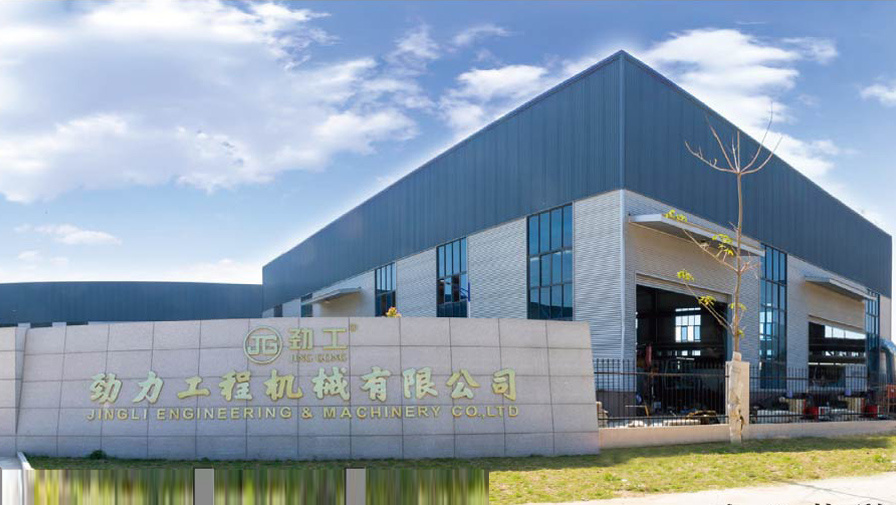
About UsQuanzhou Jinli Engineering Machinery Co., Ltd., established in July 2006, is a professional manufacturer specializing in design, development, production, and sales of equipment machinery.
-
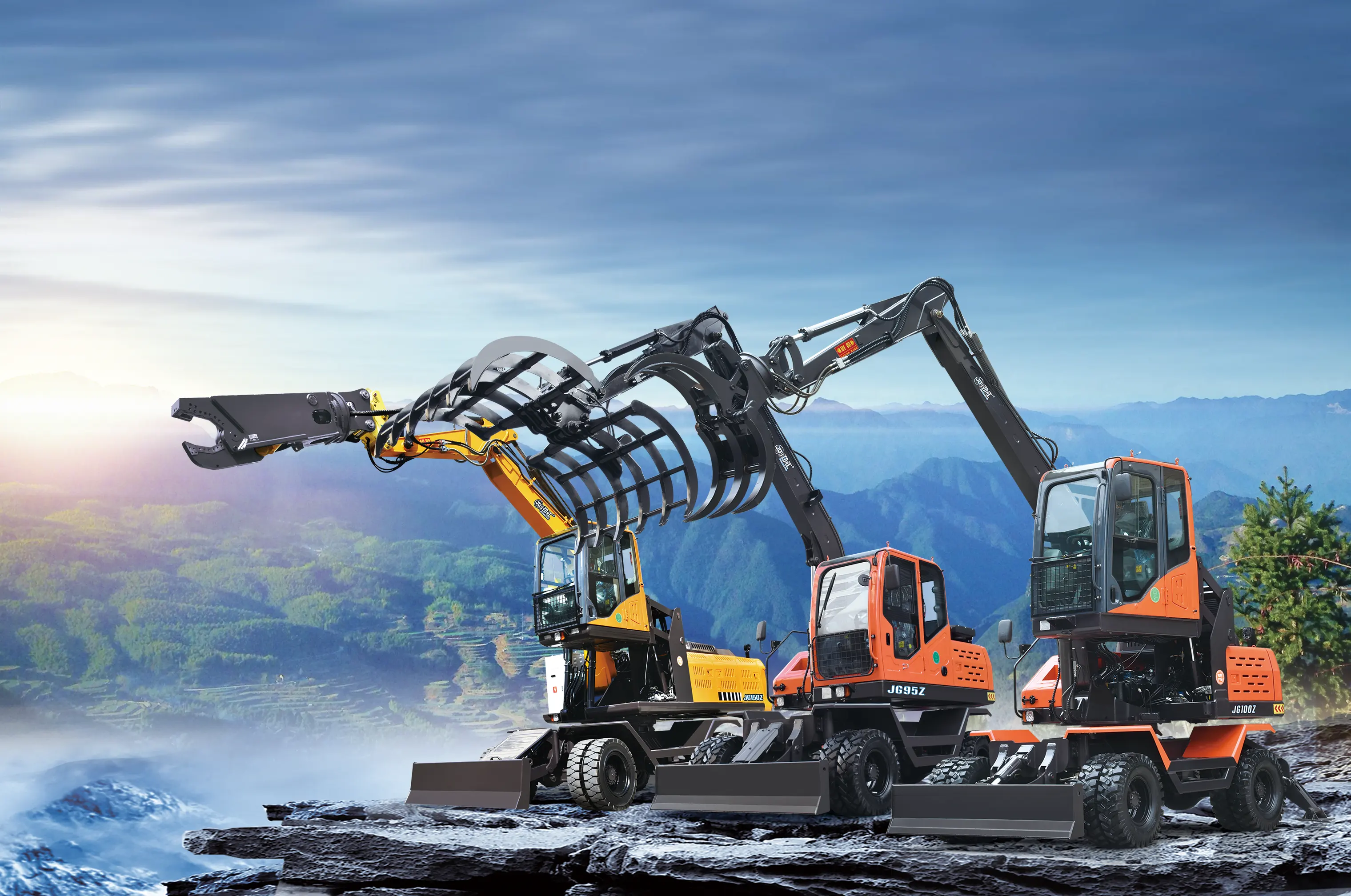
ProductsConstruction machinery: tire excavator, crawler excavator; Forestry machinery: bamboo and wood (sugarcane) picking and loading machines, multifunctional transfer machines; Harvesting machinery: whole rod sugarcane combine har
-
NewsJinggong adheres to the business philosophy of "technology supporting enterprises, quality bearing heavy trust", constantly develops new products guided by market demand, and presents satisfactory products to our customers.

-
ServiceSince its establishment, we have always adhered to the service philosophy of "being close, caring, full lifecycle, and full value chain".

-
Contact UsCorporate Honors We provide our customers not only with advantageous products, technologies, and services, but also with a comprehensive solution to meet diverse needs, thereby continuously creating value for customers and he


Online Inquiry

JINGONG
NEWS
The Future of Construction: Wheeled Excavators at the Forefront
TIME:2023-11-18 11:40
Introduction
The Rise of Wheeled Excavators in Construction
The Rise of Wheeled Excavators in Construction
Why Wheeled Excavators Are Becoming Popular
1. Versatility and Mobility
2. Enhanced Efficiency and Productivity
3. Reduced Environmental Impact
4. Improved Safety Features
The Advancements in Wheeled Excavator Technology
1. Innovative Hybrid Systems
2. Intelligent Control Systems
3. Enhanced Fuel Efficiency
4. Advanced Telematics and IoT Integration
The Impact of Wheeled Excavators on Construction Projects
1. Increased Flexibility and Maneuverability
2. Faster Project Completion
3. Cost Savings and Return on Investment
4. Reduced Noise and Emissions
Addressing Common Concerns and FAQs
FAQ 1: Are wheeled excavators suitable for all types of construction projects?
FAQ 2: Can wheeled excavators handle heavy-duty tasks?
FAQ 3: What are the maintenance requirements for wheeled excavators?
FAQ 4: How do wheeled excavators compare to traditional tracked excavators?
FAQ 5: Are wheeled excavators more expensive than tracked excavators?
Conclusion
The Future of Construction: Wheeled Excavators at the Forefront
Construction projects have witnessed significant advancements in machinery and equipment over the years. One such innovation that has garnered attention and gained popularity is wheeled excavators. These versatile machines are taking center stage in the construction industry, offering enhanced mobility, efficiency, and sustainability.
Why Wheeled Excavators Are Becoming Popular
1. Versatility and Mobility
Wheeled excavators provide exceptional maneuverability, allowing operators to navigate through tight spaces and challenging terrains with ease. Their ability to move quickly between job sites makes them an ideal choice for construction projects that require frequent relocation.
2. Enhanced Efficiency and Productivity
With wheeled excavators, construction companies can improve project efficiency by minimizing downtime. These machines boast impressive digging capabilities, enabling operators to complete tasks faster and with increased precision. Additionally, the convenience of quick transportation ensures that valuable time is not wasted during project execution.
3. Reduced Environmental Impact
Environmental consciousness is a crucial aspect of modern construction practices. Wheeled excavators incorporate advanced engine technologies that comply with stringent emission standards, reducing their environmental footprint. Furthermore, their mobility eliminates the need for transporting heavy machinery over long distances, resulting in lower fuel consumption and carbon emissions.
4. Improved Safety Features
Wheeled excavators are equipped with safety enhancements, ensuring the protection of operators and workers on construction sites. Features such as advanced stability control and operator assistance systems contribute to a safer working environment, minimizing the risk of accidents and injuries.
The Advancements in Wheeled Excavator Technology
1. Innovative Hybrid Systems
The integration of hybrid systems in wheeled excavators is a game-changer. These systems combine traditional diesel engines with electric motors, resulting in reduced fuel consumption and lower emissions. The use of regenerative braking technology further enhances efficiency by converting kinetic energy into electrical energy for later use.
2. Intelligent Control Systems
Modern wheeled excavators feature intelligent control systems that optimize machine performance. These systems monitor various parameters in real-time, adjusting engine power and hydraulic flow to match the workload requirements. The result is improved fuel efficiency and reduced wear and tear on components, leading to lower maintenance costs.
3. Enhanced Fuel Efficiency
Engine manufacturers are continuously developing more fuel-efficient engines for wheeled excavators. These engines utilize advanced combustion technologies, such as direct injection and variable valve timing, to maximize fuel utilization. As a result, construction companies can significantly reduce their operating costs by minimizing fuel consumption.
4. Advanced Telematics and IoT Integration
Wheeled excavators are increasingly incorporating telematics systems and IoT integration, providing construction companies with valuable data and insights. These technologies enable remote monitoring of machine performance, predictive maintenance scheduling, and real-time diagnostics, allowing for proactive decision-making and optimizing operational efficiency.
The Impact of Wheeled Excavators on Construction Projects
1. Increased Flexibility and Maneuverability
Wheeled excavators offer unmatched flexibility, allowing construction companies to tackle a wide range of projects. Their ability to navigate challenging terrains and confined spaces empowers operators to work in areas where traditional tracked excavators may be limited. This versatility enables contractors to take on diverse projects without investing in multiple specialized machines.
2. Faster Project Completion
The efficiency and productivity of wheeled excavators enable construction projects to be completed in shorter timeframes. With faster digging and transportation capabilities, these machines contribute to accelerated project schedules. The reduced downtime between job sites further enhances productivity, leading to timely project delivery.
3. Cost Savings and Return on Investment
Investing in wheeled excavators can yield long-term cost savings for construction companies. Their enhanced efficiency and fuel economy reduce operational expenses, while the ability to complete projects faster increases overall productivity. Moreover, wheeled excavators offer a high resale value, ensuring a favorable return on investment for businesses.
4. Reduced Noise and Emissions
Wheeled excavators are designed to minimize noise pollution on construction sites. Their advanced engine technologies and improved insulation systems result in quieter operation, promoting a more pleasant working environment. Additionally, the reduced emissions contribute to cleaner air and a greener future for the construction industry.
Addressing Common Concerns and FAQs
FAQ 1: Are wheeled excavators suitable for all types of construction projects?
Wheeled excavators are versatile machines that can handle a wide variety of construction projects. However, their suitability may depend on specific project requirements, such as terrain conditions and load capacities. It is advisable to consult with equipment specialists to determine the most suitable excavator type for each project.
FAQ 2: Can wheeled excavators handle heavy-duty tasks?
While wheeled excavators excel in various applications, they may have limitations when it comes to heavy-duty tasks. For exceptionally demanding projects, tracked excavators with higher lifting capacities and greater stability may be more suitable. It is essential to assess project requirements and consult with experts to ensure the right equipment selection.
FAQ 3: What are the maintenance requirements for wheeled excavators?
Like any other construction equipment, wheeled excavators require regular maintenance to ensure optimal performance and longevity. Maintenance tasks include routine inspections, lubrication, filter replacements, and timely servicing of engine and hydraulic components. Adhering to manufacturer-recommended maintenance schedules and guidelines is crucial for maximizing machine lifespan and minimizing downtime.
FAQ 4: How do wheeled excavators compare to traditional tracked excavators?
Wheeled excavators offer superior maneuverability and agility compared to traditional tracked excavators. They are more suitable for projects that involve frequent relocation and agility in navigating tight spaces. Tracked excavators, on the other hand, excel in stability and heavy-duty applications. The choice between the two types depends on project requirements, terrain conditions, and load capacities.
FAQ 5: Are wheeled excavators more expensive than tracked excavators?
The cost of wheeled excavators can vary depending on the specific model, features, and brand. While wheeled excavators may have a higher initial purchase price compared to tracked excavators, their potential for faster project completion and increased productivity can offset the initial investment. It is essential to consider the long-term benefits and return on investment when comparing costs.
Conclusion
The construction industry is witnessing a paradigm shift with the introduction of wheeled excavators. These versatile machines offer unmatched mobility, efficiency, and sustainability, making them a valuable asset for construction projects of all scales. With continuous advancements in technology and a focus on environmental responsibility, wheeled excavators are set to play a pivotal role in shaping the future of construction. Embracing these innovations will not only enhance project outcomes but also contribute to a more sustainable and productive construction industry.
1. Versatility and Mobility
2. Enhanced Efficiency and Productivity
3. Reduced Environmental Impact
4. Improved Safety Features
The Advancements in Wheeled Excavator Technology
1. Innovative Hybrid Systems
2. Intelligent Control Systems
3. Enhanced Fuel Efficiency
4. Advanced Telematics and IoT Integration
The Impact of Wheeled Excavators on Construction Projects
1. Increased Flexibility and Maneuverability
2. Faster Project Completion
3. Cost Savings and Return on Investment
4. Reduced Noise and Emissions
Addressing Common Concerns and FAQs
FAQ 1: Are wheeled excavators suitable for all types of construction projects?
FAQ 2: Can wheeled excavators handle heavy-duty tasks?
FAQ 3: What are the maintenance requirements for wheeled excavators?
FAQ 4: How do wheeled excavators compare to traditional tracked excavators?
FAQ 5: Are wheeled excavators more expensive than tracked excavators?
Conclusion
The Future of Construction: Wheeled Excavators at the Forefront
Construction projects have witnessed significant advancements in machinery and equipment over the years. One such innovation that has garnered attention and gained popularity is wheeled excavators. These versatile machines are taking center stage in the construction industry, offering enhanced mobility, efficiency, and sustainability.
Why Wheeled Excavators Are Becoming Popular
1. Versatility and Mobility
Wheeled excavators provide exceptional maneuverability, allowing operators to navigate through tight spaces and challenging terrains with ease. Their ability to move quickly between job sites makes them an ideal choice for construction projects that require frequent relocation.
2. Enhanced Efficiency and Productivity
With wheeled excavators, construction companies can improve project efficiency by minimizing downtime. These machines boast impressive digging capabilities, enabling operators to complete tasks faster and with increased precision. Additionally, the convenience of quick transportation ensures that valuable time is not wasted during project execution.
3. Reduced Environmental Impact
Environmental consciousness is a crucial aspect of modern construction practices. Wheeled excavators incorporate advanced engine technologies that comply with stringent emission standards, reducing their environmental footprint. Furthermore, their mobility eliminates the need for transporting heavy machinery over long distances, resulting in lower fuel consumption and carbon emissions.
4. Improved Safety Features
Wheeled excavators are equipped with safety enhancements, ensuring the protection of operators and workers on construction sites. Features such as advanced stability control and operator assistance systems contribute to a safer working environment, minimizing the risk of accidents and injuries.
The Advancements in Wheeled Excavator Technology
1. Innovative Hybrid Systems
The integration of hybrid systems in wheeled excavators is a game-changer. These systems combine traditional diesel engines with electric motors, resulting in reduced fuel consumption and lower emissions. The use of regenerative braking technology further enhances efficiency by converting kinetic energy into electrical energy for later use.
2. Intelligent Control Systems
Modern wheeled excavators feature intelligent control systems that optimize machine performance. These systems monitor various parameters in real-time, adjusting engine power and hydraulic flow to match the workload requirements. The result is improved fuel efficiency and reduced wear and tear on components, leading to lower maintenance costs.
3. Enhanced Fuel Efficiency
Engine manufacturers are continuously developing more fuel-efficient engines for wheeled excavators. These engines utilize advanced combustion technologies, such as direct injection and variable valve timing, to maximize fuel utilization. As a result, construction companies can significantly reduce their operating costs by minimizing fuel consumption.
4. Advanced Telematics and IoT Integration
Wheeled excavators are increasingly incorporating telematics systems and IoT integration, providing construction companies with valuable data and insights. These technologies enable remote monitoring of machine performance, predictive maintenance scheduling, and real-time diagnostics, allowing for proactive decision-making and optimizing operational efficiency.
The Impact of Wheeled Excavators on Construction Projects
1. Increased Flexibility and Maneuverability
Wheeled excavators offer unmatched flexibility, allowing construction companies to tackle a wide range of projects. Their ability to navigate challenging terrains and confined spaces empowers operators to work in areas where traditional tracked excavators may be limited. This versatility enables contractors to take on diverse projects without investing in multiple specialized machines.
2. Faster Project Completion
The efficiency and productivity of wheeled excavators enable construction projects to be completed in shorter timeframes. With faster digging and transportation capabilities, these machines contribute to accelerated project schedules. The reduced downtime between job sites further enhances productivity, leading to timely project delivery.
3. Cost Savings and Return on Investment
Investing in wheeled excavators can yield long-term cost savings for construction companies. Their enhanced efficiency and fuel economy reduce operational expenses, while the ability to complete projects faster increases overall productivity. Moreover, wheeled excavators offer a high resale value, ensuring a favorable return on investment for businesses.
4. Reduced Noise and Emissions
Wheeled excavators are designed to minimize noise pollution on construction sites. Their advanced engine technologies and improved insulation systems result in quieter operation, promoting a more pleasant working environment. Additionally, the reduced emissions contribute to cleaner air and a greener future for the construction industry.
Addressing Common Concerns and FAQs
FAQ 1: Are wheeled excavators suitable for all types of construction projects?
Wheeled excavators are versatile machines that can handle a wide variety of construction projects. However, their suitability may depend on specific project requirements, such as terrain conditions and load capacities. It is advisable to consult with equipment specialists to determine the most suitable excavator type for each project.
FAQ 2: Can wheeled excavators handle heavy-duty tasks?
While wheeled excavators excel in various applications, they may have limitations when it comes to heavy-duty tasks. For exceptionally demanding projects, tracked excavators with higher lifting capacities and greater stability may be more suitable. It is essential to assess project requirements and consult with experts to ensure the right equipment selection.
FAQ 3: What are the maintenance requirements for wheeled excavators?
Like any other construction equipment, wheeled excavators require regular maintenance to ensure optimal performance and longevity. Maintenance tasks include routine inspections, lubrication, filter replacements, and timely servicing of engine and hydraulic components. Adhering to manufacturer-recommended maintenance schedules and guidelines is crucial for maximizing machine lifespan and minimizing downtime.
FAQ 4: How do wheeled excavators compare to traditional tracked excavators?
Wheeled excavators offer superior maneuverability and agility compared to traditional tracked excavators. They are more suitable for projects that involve frequent relocation and agility in navigating tight spaces. Tracked excavators, on the other hand, excel in stability and heavy-duty applications. The choice between the two types depends on project requirements, terrain conditions, and load capacities.
FAQ 5: Are wheeled excavators more expensive than tracked excavators?
The cost of wheeled excavators can vary depending on the specific model, features, and brand. While wheeled excavators may have a higher initial purchase price compared to tracked excavators, their potential for faster project completion and increased productivity can offset the initial investment. It is essential to consider the long-term benefits and return on investment when comparing costs.
Conclusion
The construction industry is witnessing a paradigm shift with the introduction of wheeled excavators. These versatile machines offer unmatched mobility, efficiency, and sustainability, making them a valuable asset for construction projects of all scales. With continuous advancements in technology and a focus on environmental responsibility, wheeled excavators are set to play a pivotal role in shaping the future of construction. Embracing these innovations will not only enhance project outcomes but also contribute to a more sustainable and productive construction industry.
3. Reduced Environmental Impact
4. Improved Safety Features
The Advancements in Wheeled Excavator Technology
1. Innovative Hybrid Systems
2. Intelligent Control Systems
3. Enhanced Fuel Efficiency
4. Advanced Telematics and IoT Integration
The Impact of Wheeled Excavators on Construction Projects
1. Increased Flexibility and Maneuverability
2. Faster Project Completion
3. Cost Savings and Return on Investment
4. Reduced Noise and Emissions
Addressing Common Concerns and FAQs
FAQ 1: Are wheeled excavators suitable for all types of construction projects?
FAQ 2: Can wheeled excavators handle heavy-duty tasks?
FAQ 3: What are the maintenance requirements for wheeled excavators?
FAQ 4: How do wheeled excavators compare to traditional tracked excavators?
FAQ 5: Are wheeled excavators more expensive than tracked excavators?
Conclusion
The Future of Construction: Wheeled Excavators at the Forefront
Construction projects have witnessed significant advancements in machinery and equipment over the years. One such innovation that has garnered attention and gained popularity is wheeled excavators. These versatile machines are taking center stage in the construction industry, offering enhanced mobility, efficiency, and sustainability.
Why Wheeled Excavators Are Becoming Popular
1. Versatility and Mobility
Wheeled excavators provide exceptional maneuverability, allowing operators to navigate through tight spaces and challenging terrains with ease. Their ability to move quickly between job sites makes them an ideal choice for construction projects that require frequent relocation.
2. Enhanced Efficiency and Productivity
With wheeled excavators, construction companies can improve project efficiency by minimizing downtime. These machines boast impressive digging capabilities, enabling operators to complete tasks faster and with increased precision. Additionally, the convenience of quick transportation ensures that valuable time is not wasted during project execution.
3. Reduced Environmental Impact
Environmental consciousness is a crucial aspect of modern construction practices. Wheeled excavators incorporate advanced engine technologies that comply with stringent emission standards, reducing their environmental footprint. Furthermore, their mobility eliminates the need for transporting heavy machinery over long distances, resulting in lower fuel consumption and carbon emissions.
4. Improved Safety Features
Wheeled excavators are equipped with safety enhancements, ensuring the protection of operators and workers on construction sites. Features such as advanced stability control and operator assistance systems contribute to a safer working environment, minimizing the risk of accidents and injuries.
The Advancements in Wheeled Excavator Technology
1. Innovative Hybrid Systems
The integration of hybrid systems in wheeled excavators is a game-changer. These systems combine traditional diesel engines with electric motors, resulting in reduced fuel consumption and lower emissions. The use of regenerative braking technology further enhances efficiency by converting kinetic energy into electrical energy for later use.
2. Intelligent Control Systems
Modern wheeled excavators feature intelligent control systems that optimize machine performance. These systems monitor various parameters in real-time, adjusting engine power and hydraulic flow to match the workload requirements. The result is improved fuel efficiency and reduced wear and tear on components, leading to lower maintenance costs.
3. Enhanced Fuel Efficiency
Engine manufacturers are continuously developing more fuel-efficient engines for wheeled excavators. These engines utilize advanced combustion technologies, such as direct injection and variable valve timing, to maximize fuel utilization. As a result, construction companies can significantly reduce their operating costs by minimizing fuel consumption.
4. Advanced Telematics and IoT Integration
Wheeled excavators are increasingly incorporating telematics systems and IoT integration, providing construction companies with valuable data and insights. These technologies enable remote monitoring of machine performance, predictive maintenance scheduling, and real-time diagnostics, allowing for proactive decision-making and optimizing operational efficiency.
The Impact of Wheeled Excavators on Construction Projects
1. Increased Flexibility and Maneuverability
Wheeled excavators offer unmatched flexibility, allowing construction companies to tackle a wide range of projects. Their ability to navigate challenging terrains and confined spaces empowers operators to work in areas where traditional tracked excavators may be limited. This versatility enables contractors to take on diverse projects without investing in multiple specialized machines.
2. Faster Project Completion
The efficiency and productivity of wheeled excavators enable construction projects to be completed in shorter timeframes. With faster digging and transportation capabilities, these machines contribute to accelerated project schedules. The reduced downtime between job sites further enhances productivity, leading to timely project delivery.
3. Cost Savings and Return on Investment
Investing in wheeled excavators can yield long-term cost savings for construction companies. Their enhanced efficiency and fuel economy reduce operational expenses, while the ability to complete projects faster increases overall productivity. Moreover, wheeled excavators offer a high resale value, ensuring a favorable return on investment for businesses.
4. Reduced Noise and Emissions
Wheeled excavators are designed to minimize noise pollution on construction sites. Their advanced engine technologies and improved insulation systems result in quieter operation, promoting a more pleasant working environment. Additionally, the reduced emissions contribute to cleaner air and a greener future for the construction industry.
Addressing Common Concerns and FAQs
FAQ 1: Are wheeled excavators suitable for all types of construction projects?
Wheeled excavators are versatile machines that can handle a wide variety of construction projects. However, their suitability may depend on specific project requirements, such as terrain conditions and load capacities. It is advisable to consult with equipment specialists to determine the most suitable excavator type for each project.
FAQ 2: Can wheeled excavators handle heavy-duty tasks?
While wheeled excavators excel in various applications, they may have limitations when it comes to heavy-duty tasks. For exceptionally demanding projects, tracked excavators with higher lifting capacities and greater stability may be more suitable. It is essential to assess project requirements and consult with experts to ensure the right equipment selection.
FAQ 3: What are the maintenance requirements for wheeled excavators?
Like any other construction equipment, wheeled excavators require regular maintenance to ensure optimal performance and longevity. Maintenance tasks include routine inspections, lubrication, filter replacements, and timely servicing of engine and hydraulic components. Adhering to manufacturer-recommended maintenance schedules and guidelines is crucial for maximizing machine lifespan and minimizing downtime.
FAQ 4: How do wheeled excavators compare to traditional tracked excavators?
Wheeled excavators offer superior maneuverability and agility compared to traditional tracked excavators. They are more suitable for projects that involve frequent relocation and agility in navigating tight spaces. Tracked excavators, on the other hand, excel in stability and heavy-duty applications. The choice between the two types depends on project requirements, terrain conditions, and load capacities.
FAQ 5: Are wheeled excavators more expensive than tracked excavators?
The cost of wheeled excavators can vary depending on the specific model, features, and brand. While wheeled excavators may have a higher initial purchase price compared to tracked excavators, their potential for faster project completion and increased productivity can offset the initial investment. It is essential to consider the long-term benefits and return on investment when comparing costs.
Conclusion
The construction industry is witnessing a paradigm shift with the introduction of wheeled excavators. These versatile machines offer unmatched mobility, efficiency, and sustainability, making them a valuable asset for construction projects of all scales. With continuous advancements in technology and a focus on environmental responsibility, wheeled excavators are set to play a pivotal role in shaping the future of construction. Embracing these innovations will not only enhance project outcomes but also contribute to a more sustainable and productive construction industry.
The Advancements in Wheeled Excavator Technology
1. Innovative Hybrid Systems
2. Intelligent Control Systems
3. Enhanced Fuel Efficiency
4. Advanced Telematics and IoT Integration
The Impact of Wheeled Excavators on Construction Projects
1. Increased Flexibility and Maneuverability
2. Faster Project Completion
3. Cost Savings and Return on Investment
4. Reduced Noise and Emissions
Addressing Common Concerns and FAQs
FAQ 1: Are wheeled excavators suitable for all types of construction projects?
FAQ 2: Can wheeled excavators handle heavy-duty tasks?
FAQ 3: What are the maintenance requirements for wheeled excavators?
FAQ 4: How do wheeled excavators compare to traditional tracked excavators?
FAQ 5: Are wheeled excavators more expensive than tracked excavators?
Conclusion
The Future of Construction: Wheeled Excavators at the Forefront
Construction projects have witnessed significant advancements in machinery and equipment over the years. One such innovation that has garnered attention and gained popularity is wheeled excavators. These versatile machines are taking center stage in the construction industry, offering enhanced mobility, efficiency, and sustainability.
Why Wheeled Excavators Are Becoming Popular
1. Versatility and Mobility
Wheeled excavators provide exceptional maneuverability, allowing operators to navigate through tight spaces and challenging terrains with ease. Their ability to move quickly between job sites makes them an ideal choice for construction projects that require frequent relocation.
2. Enhanced Efficiency and Productivity
With wheeled excavators, construction companies can improve project efficiency by minimizing downtime. These machines boast impressive digging capabilities, enabling operators to complete tasks faster and with increased precision. Additionally, the convenience of quick transportation ensures that valuable time is not wasted during project execution.
3. Reduced Environmental Impact
Environmental consciousness is a crucial aspect of modern construction practices. Wheeled excavators incorporate advanced engine technologies that comply with stringent emission standards, reducing their environmental footprint. Furthermore, their mobility eliminates the need for transporting heavy machinery over long distances, resulting in lower fuel consumption and carbon emissions.
4. Improved Safety Features
Wheeled excavators are equipped with safety enhancements, ensuring the protection of operators and workers on construction sites. Features such as advanced stability control and operator assistance systems contribute to a safer working environment, minimizing the risk of accidents and injuries.
The Advancements in Wheeled Excavator Technology
1. Innovative Hybrid Systems
The integration of hybrid systems in wheeled excavators is a game-changer. These systems combine traditional diesel engines with electric motors, resulting in reduced fuel consumption and lower emissions. The use of regenerative braking technology further enhances efficiency by converting kinetic energy into electrical energy for later use.
2. Intelligent Control Systems
Modern wheeled excavators feature intelligent control systems that optimize machine performance. These systems monitor various parameters in real-time, adjusting engine power and hydraulic flow to match the workload requirements. The result is improved fuel efficiency and reduced wear and tear on components, leading to lower maintenance costs.
3. Enhanced Fuel Efficiency
Engine manufacturers are continuously developing more fuel-efficient engines for wheeled excavators. These engines utilize advanced combustion technologies, such as direct injection and variable valve timing, to maximize fuel utilization. As a result, construction companies can significantly reduce their operating costs by minimizing fuel consumption.
4. Advanced Telematics and IoT Integration
Wheeled excavators are increasingly incorporating telematics systems and IoT integration, providing construction companies with valuable data and insights. These technologies enable remote monitoring of machine performance, predictive maintenance scheduling, and real-time diagnostics, allowing for proactive decision-making and optimizing operational efficiency.
The Impact of Wheeled Excavators on Construction Projects
1. Increased Flexibility and Maneuverability
Wheeled excavators offer unmatched flexibility, allowing construction companies to tackle a wide range of projects. Their ability to navigate challenging terrains and confined spaces empowers operators to work in areas where traditional tracked excavators may be limited. This versatility enables contractors to take on diverse projects without investing in multiple specialized machines.
2. Faster Project Completion
The efficiency and productivity of wheeled excavators enable construction projects to be completed in shorter timeframes. With faster digging and transportation capabilities, these machines contribute to accelerated project schedules. The reduced downtime between job sites further enhances productivity, leading to timely project delivery.
3. Cost Savings and Return on Investment
Investing in wheeled excavators can yield long-term cost savings for construction companies. Their enhanced efficiency and fuel economy reduce operational expenses, while the ability to complete projects faster increases overall productivity. Moreover, wheeled excavators offer a high resale value, ensuring a favorable return on investment for businesses.
4. Reduced Noise and Emissions
Wheeled excavators are designed to minimize noise pollution on construction sites. Their advanced engine technologies and improved insulation systems result in quieter operation, promoting a more pleasant working environment. Additionally, the reduced emissions contribute to cleaner air and a greener future for the construction industry.
Addressing Common Concerns and FAQs
FAQ 1: Are wheeled excavators suitable for all types of construction projects?
Wheeled excavators are versatile machines that can handle a wide variety of construction projects. However, their suitability may depend on specific project requirements, such as terrain conditions and load capacities. It is advisable to consult with equipment specialists to determine the most suitable excavator type for each project.
FAQ 2: Can wheeled excavators handle heavy-duty tasks?
While wheeled excavators excel in various applications, they may have limitations when it comes to heavy-duty tasks. For exceptionally demanding projects, tracked excavators with higher lifting capacities and greater stability may be more suitable. It is essential to assess project requirements and consult with experts to ensure the right equipment selection.
FAQ 3: What are the maintenance requirements for wheeled excavators?
Like any other construction equipment, wheeled excavators require regular maintenance to ensure optimal performance and longevity. Maintenance tasks include routine inspections, lubrication, filter replacements, and timely servicing of engine and hydraulic components. Adhering to manufacturer-recommended maintenance schedules and guidelines is crucial for maximizing machine lifespan and minimizing downtime.
FAQ 4: How do wheeled excavators compare to traditional tracked excavators?
Wheeled excavators offer superior maneuverability and agility compared to traditional tracked excavators. They are more suitable for projects that involve frequent relocation and agility in navigating tight spaces. Tracked excavators, on the other hand, excel in stability and heavy-duty applications. The choice between the two types depends on project requirements, terrain conditions, and load capacities.
FAQ 5: Are wheeled excavators more expensive than tracked excavators?
The cost of wheeled excavators can vary depending on the specific model, features, and brand. While wheeled excavators may have a higher initial purchase price compared to tracked excavators, their potential for faster project completion and increased productivity can offset the initial investment. It is essential to consider the long-term benefits and return on investment when comparing costs.
Conclusion
The construction industry is witnessing a paradigm shift with the introduction of wheeled excavators. These versatile machines offer unmatched mobility, efficiency, and sustainability, making them a valuable asset for construction projects of all scales. With continuous advancements in technology and a focus on environmental responsibility, wheeled excavators are set to play a pivotal role in shaping the future of construction. Embracing these innovations will not only enhance project outcomes but also contribute to a more sustainable and productive construction industry.
2. Intelligent Control Systems
3. Enhanced Fuel Efficiency
4. Advanced Telematics and IoT Integration
The Impact of Wheeled Excavators on Construction Projects
1. Increased Flexibility and Maneuverability
2. Faster Project Completion
3. Cost Savings and Return on Investment
4. Reduced Noise and Emissions
Addressing Common Concerns and FAQs
FAQ 1: Are wheeled excavators suitable for all types of construction projects?
FAQ 2: Can wheeled excavators handle heavy-duty tasks?
FAQ 3: What are the maintenance requirements for wheeled excavators?
FAQ 4: How do wheeled excavators compare to traditional tracked excavators?
FAQ 5: Are wheeled excavators more expensive than tracked excavators?
Conclusion
The Future of Construction: Wheeled Excavators at the Forefront
Construction projects have witnessed significant advancements in machinery and equipment over the years. One such innovation that has garnered attention and gained popularity is wheeled excavators. These versatile machines are taking center stage in the construction industry, offering enhanced mobility, efficiency, and sustainability.
Why Wheeled Excavators Are Becoming Popular
1. Versatility and Mobility
Wheeled excavators provide exceptional maneuverability, allowing operators to navigate through tight spaces and challenging terrains with ease. Their ability to move quickly between job sites makes them an ideal choice for construction projects that require frequent relocation.
2. Enhanced Efficiency and Productivity
With wheeled excavators, construction companies can improve project efficiency by minimizing downtime. These machines boast impressive digging capabilities, enabling operators to complete tasks faster and with increased precision. Additionally, the convenience of quick transportation ensures that valuable time is not wasted during project execution.
3. Reduced Environmental Impact
Environmental consciousness is a crucial aspect of modern construction practices. Wheeled excavators incorporate advanced engine technologies that comply with stringent emission standards, reducing their environmental footprint. Furthermore, their mobility eliminates the need for transporting heavy machinery over long distances, resulting in lower fuel consumption and carbon emissions.
4. Improved Safety Features
Wheeled excavators are equipped with safety enhancements, ensuring the protection of operators and workers on construction sites. Features such as advanced stability control and operator assistance systems contribute to a safer working environment, minimizing the risk of accidents and injuries.
The Advancements in Wheeled Excavator Technology
1. Innovative Hybrid Systems
The integration of hybrid systems in wheeled excavators is a game-changer. These systems combine traditional diesel engines with electric motors, resulting in reduced fuel consumption and lower emissions. The use of regenerative braking technology further enhances efficiency by converting kinetic energy into electrical energy for later use.
2. Intelligent Control Systems
Modern wheeled excavators feature intelligent control systems that optimize machine performance. These systems monitor various parameters in real-time, adjusting engine power and hydraulic flow to match the workload requirements. The result is improved fuel efficiency and reduced wear and tear on components, leading to lower maintenance costs.
3. Enhanced Fuel Efficiency
Engine manufacturers are continuously developing more fuel-efficient engines for wheeled excavators. These engines utilize advanced combustion technologies, such as direct injection and variable valve timing, to maximize fuel utilization. As a result, construction companies can significantly reduce their operating costs by minimizing fuel consumption.
4. Advanced Telematics and IoT Integration
Wheeled excavators are increasingly incorporating telematics systems and IoT integration, providing construction companies with valuable data and insights. These technologies enable remote monitoring of machine performance, predictive maintenance scheduling, and real-time diagnostics, allowing for proactive decision-making and optimizing operational efficiency.
The Impact of Wheeled Excavators on Construction Projects
1. Increased Flexibility and Maneuverability
Wheeled excavators offer unmatched flexibility, allowing construction companies to tackle a wide range of projects. Their ability to navigate challenging terrains and confined spaces empowers operators to work in areas where traditional tracked excavators may be limited. This versatility enables contractors to take on diverse projects without investing in multiple specialized machines.
2. Faster Project Completion
The efficiency and productivity of wheeled excavators enable construction projects to be completed in shorter timeframes. With faster digging and transportation capabilities, these machines contribute to accelerated project schedules. The reduced downtime between job sites further enhances productivity, leading to timely project delivery.
3. Cost Savings and Return on Investment
Investing in wheeled excavators can yield long-term cost savings for construction companies. Their enhanced efficiency and fuel economy reduce operational expenses, while the ability to complete projects faster increases overall productivity. Moreover, wheeled excavators offer a high resale value, ensuring a favorable return on investment for businesses.
4. Reduced Noise and Emissions
Wheeled excavators are designed to minimize noise pollution on construction sites. Their advanced engine technologies and improved insulation systems result in quieter operation, promoting a more pleasant working environment. Additionally, the reduced emissions contribute to cleaner air and a greener future for the construction industry.
Addressing Common Concerns and FAQs
FAQ 1: Are wheeled excavators suitable for all types of construction projects?
Wheeled excavators are versatile machines that can handle a wide variety of construction projects. However, their suitability may depend on specific project requirements, such as terrain conditions and load capacities. It is advisable to consult with equipment specialists to determine the most suitable excavator type for each project.
FAQ 2: Can wheeled excavators handle heavy-duty tasks?
While wheeled excavators excel in various applications, they may have limitations when it comes to heavy-duty tasks. For exceptionally demanding projects, tracked excavators with higher lifting capacities and greater stability may be more suitable. It is essential to assess project requirements and consult with experts to ensure the right equipment selection.
FAQ 3: What are the maintenance requirements for wheeled excavators?
Like any other construction equipment, wheeled excavators require regular maintenance to ensure optimal performance and longevity. Maintenance tasks include routine inspections, lubrication, filter replacements, and timely servicing of engine and hydraulic components. Adhering to manufacturer-recommended maintenance schedules and guidelines is crucial for maximizing machine lifespan and minimizing downtime.
FAQ 4: How do wheeled excavators compare to traditional tracked excavators?
Wheeled excavators offer superior maneuverability and agility compared to traditional tracked excavators. They are more suitable for projects that involve frequent relocation and agility in navigating tight spaces. Tracked excavators, on the other hand, excel in stability and heavy-duty applications. The choice between the two types depends on project requirements, terrain conditions, and load capacities.
FAQ 5: Are wheeled excavators more expensive than tracked excavators?
The cost of wheeled excavators can vary depending on the specific model, features, and brand. While wheeled excavators may have a higher initial purchase price compared to tracked excavators, their potential for faster project completion and increased productivity can offset the initial investment. It is essential to consider the long-term benefits and return on investment when comparing costs.
Conclusion
The construction industry is witnessing a paradigm shift with the introduction of wheeled excavators. These versatile machines offer unmatched mobility, efficiency, and sustainability, making them a valuable asset for construction projects of all scales. With continuous advancements in technology and a focus on environmental responsibility, wheeled excavators are set to play a pivotal role in shaping the future of construction. Embracing these innovations will not only enhance project outcomes but also contribute to a more sustainable and productive construction industry.
4. Advanced Telematics and IoT Integration
The Impact of Wheeled Excavators on Construction Projects
1. Increased Flexibility and Maneuverability
2. Faster Project Completion
3. Cost Savings and Return on Investment
4. Reduced Noise and Emissions
Addressing Common Concerns and FAQs
FAQ 1: Are wheeled excavators suitable for all types of construction projects?
FAQ 2: Can wheeled excavators handle heavy-duty tasks?
FAQ 3: What are the maintenance requirements for wheeled excavators?
FAQ 4: How do wheeled excavators compare to traditional tracked excavators?
FAQ 5: Are wheeled excavators more expensive than tracked excavators?
Conclusion
The Future of Construction: Wheeled Excavators at the Forefront
Construction projects have witnessed significant advancements in machinery and equipment over the years. One such innovation that has garnered attention and gained popularity is wheeled excavators. These versatile machines are taking center stage in the construction industry, offering enhanced mobility, efficiency, and sustainability.
Why Wheeled Excavators Are Becoming Popular
1. Versatility and Mobility
Wheeled excavators provide exceptional maneuverability, allowing operators to navigate through tight spaces and challenging terrains with ease. Their ability to move quickly between job sites makes them an ideal choice for construction projects that require frequent relocation.
2. Enhanced Efficiency and Productivity
With wheeled excavators, construction companies can improve project efficiency by minimizing downtime. These machines boast impressive digging capabilities, enabling operators to complete tasks faster and with increased precision. Additionally, the convenience of quick transportation ensures that valuable time is not wasted during project execution.
3. Reduced Environmental Impact
Environmental consciousness is a crucial aspect of modern construction practices. Wheeled excavators incorporate advanced engine technologies that comply with stringent emission standards, reducing their environmental footprint. Furthermore, their mobility eliminates the need for transporting heavy machinery over long distances, resulting in lower fuel consumption and carbon emissions.
4. Improved Safety Features
Wheeled excavators are equipped with safety enhancements, ensuring the protection of operators and workers on construction sites. Features such as advanced stability control and operator assistance systems contribute to a safer working environment, minimizing the risk of accidents and injuries.
The Advancements in Wheeled Excavator Technology
1. Innovative Hybrid Systems
The integration of hybrid systems in wheeled excavators is a game-changer. These systems combine traditional diesel engines with electric motors, resulting in reduced fuel consumption and lower emissions. The use of regenerative braking technology further enhances efficiency by converting kinetic energy into electrical energy for later use.
2. Intelligent Control Systems
Modern wheeled excavators feature intelligent control systems that optimize machine performance. These systems monitor various parameters in real-time, adjusting engine power and hydraulic flow to match the workload requirements. The result is improved fuel efficiency and reduced wear and tear on components, leading to lower maintenance costs.
3. Enhanced Fuel Efficiency
Engine manufacturers are continuously developing more fuel-efficient engines for wheeled excavators. These engines utilize advanced combustion technologies, such as direct injection and variable valve timing, to maximize fuel utilization. As a result, construction companies can significantly reduce their operating costs by minimizing fuel consumption.
4. Advanced Telematics and IoT Integration
Wheeled excavators are increasingly incorporating telematics systems and IoT integration, providing construction companies with valuable data and insights. These technologies enable remote monitoring of machine performance, predictive maintenance scheduling, and real-time diagnostics, allowing for proactive decision-making and optimizing operational efficiency.
The Impact of Wheeled Excavators on Construction Projects
1. Increased Flexibility and Maneuverability
Wheeled excavators offer unmatched flexibility, allowing construction companies to tackle a wide range of projects. Their ability to navigate challenging terrains and confined spaces empowers operators to work in areas where traditional tracked excavators may be limited. This versatility enables contractors to take on diverse projects without investing in multiple specialized machines.
2. Faster Project Completion
The efficiency and productivity of wheeled excavators enable construction projects to be completed in shorter timeframes. With faster digging and transportation capabilities, these machines contribute to accelerated project schedules. The reduced downtime between job sites further enhances productivity, leading to timely project delivery.
3. Cost Savings and Return on Investment
Investing in wheeled excavators can yield long-term cost savings for construction companies. Their enhanced efficiency and fuel economy reduce operational expenses, while the ability to complete projects faster increases overall productivity. Moreover, wheeled excavators offer a high resale value, ensuring a favorable return on investment for businesses.
4. Reduced Noise and Emissions
Wheeled excavators are designed to minimize noise pollution on construction sites. Their advanced engine technologies and improved insulation systems result in quieter operation, promoting a more pleasant working environment. Additionally, the reduced emissions contribute to cleaner air and a greener future for the construction industry.
Addressing Common Concerns and FAQs
FAQ 1: Are wheeled excavators suitable for all types of construction projects?
Wheeled excavators are versatile machines that can handle a wide variety of construction projects. However, their suitability may depend on specific project requirements, such as terrain conditions and load capacities. It is advisable to consult with equipment specialists to determine the most suitable excavator type for each project.
FAQ 2: Can wheeled excavators handle heavy-duty tasks?
While wheeled excavators excel in various applications, they may have limitations when it comes to heavy-duty tasks. For exceptionally demanding projects, tracked excavators with higher lifting capacities and greater stability may be more suitable. It is essential to assess project requirements and consult with experts to ensure the right equipment selection.
FAQ 3: What are the maintenance requirements for wheeled excavators?
Like any other construction equipment, wheeled excavators require regular maintenance to ensure optimal performance and longevity. Maintenance tasks include routine inspections, lubrication, filter replacements, and timely servicing of engine and hydraulic components. Adhering to manufacturer-recommended maintenance schedules and guidelines is crucial for maximizing machine lifespan and minimizing downtime.
FAQ 4: How do wheeled excavators compare to traditional tracked excavators?
Wheeled excavators offer superior maneuverability and agility compared to traditional tracked excavators. They are more suitable for projects that involve frequent relocation and agility in navigating tight spaces. Tracked excavators, on the other hand, excel in stability and heavy-duty applications. The choice between the two types depends on project requirements, terrain conditions, and load capacities.
FAQ 5: Are wheeled excavators more expensive than tracked excavators?
The cost of wheeled excavators can vary depending on the specific model, features, and brand. While wheeled excavators may have a higher initial purchase price compared to tracked excavators, their potential for faster project completion and increased productivity can offset the initial investment. It is essential to consider the long-term benefits and return on investment when comparing costs.
Conclusion
The construction industry is witnessing a paradigm shift with the introduction of wheeled excavators. These versatile machines offer unmatched mobility, efficiency, and sustainability, making them a valuable asset for construction projects of all scales. With continuous advancements in technology and a focus on environmental responsibility, wheeled excavators are set to play a pivotal role in shaping the future of construction. Embracing these innovations will not only enhance project outcomes but also contribute to a more sustainable and productive construction industry.
1. Increased Flexibility and Maneuverability
2. Faster Project Completion
3. Cost Savings and Return on Investment
4. Reduced Noise and Emissions
Addressing Common Concerns and FAQs
FAQ 1: Are wheeled excavators suitable for all types of construction projects?
FAQ 2: Can wheeled excavators handle heavy-duty tasks?
FAQ 3: What are the maintenance requirements for wheeled excavators?
FAQ 4: How do wheeled excavators compare to traditional tracked excavators?
FAQ 5: Are wheeled excavators more expensive than tracked excavators?
Conclusion
The Future of Construction: Wheeled Excavators at the Forefront
Construction projects have witnessed significant advancements in machinery and equipment over the years. One such innovation that has garnered attention and gained popularity is wheeled excavators. These versatile machines are taking center stage in the construction industry, offering enhanced mobility, efficiency, and sustainability.
Why Wheeled Excavators Are Becoming Popular
1. Versatility and Mobility
Wheeled excavators provide exceptional maneuverability, allowing operators to navigate through tight spaces and challenging terrains with ease. Their ability to move quickly between job sites makes them an ideal choice for construction projects that require frequent relocation.
2. Enhanced Efficiency and Productivity
With wheeled excavators, construction companies can improve project efficiency by minimizing downtime. These machines boast impressive digging capabilities, enabling operators to complete tasks faster and with increased precision. Additionally, the convenience of quick transportation ensures that valuable time is not wasted during project execution.
3. Reduced Environmental Impact
Environmental consciousness is a crucial aspect of modern construction practices. Wheeled excavators incorporate advanced engine technologies that comply with stringent emission standards, reducing their environmental footprint. Furthermore, their mobility eliminates the need for transporting heavy machinery over long distances, resulting in lower fuel consumption and carbon emissions.
4. Improved Safety Features
Wheeled excavators are equipped with safety enhancements, ensuring the protection of operators and workers on construction sites. Features such as advanced stability control and operator assistance systems contribute to a safer working environment, minimizing the risk of accidents and injuries.
The Advancements in Wheeled Excavator Technology
1. Innovative Hybrid Systems
The integration of hybrid systems in wheeled excavators is a game-changer. These systems combine traditional diesel engines with electric motors, resulting in reduced fuel consumption and lower emissions. The use of regenerative braking technology further enhances efficiency by converting kinetic energy into electrical energy for later use.
2. Intelligent Control Systems
Modern wheeled excavators feature intelligent control systems that optimize machine performance. These systems monitor various parameters in real-time, adjusting engine power and hydraulic flow to match the workload requirements. The result is improved fuel efficiency and reduced wear and tear on components, leading to lower maintenance costs.
3. Enhanced Fuel Efficiency
Engine manufacturers are continuously developing more fuel-efficient engines for wheeled excavators. These engines utilize advanced combustion technologies, such as direct injection and variable valve timing, to maximize fuel utilization. As a result, construction companies can significantly reduce their operating costs by minimizing fuel consumption.
4. Advanced Telematics and IoT Integration
Wheeled excavators are increasingly incorporating telematics systems and IoT integration, providing construction companies with valuable data and insights. These technologies enable remote monitoring of machine performance, predictive maintenance scheduling, and real-time diagnostics, allowing for proactive decision-making and optimizing operational efficiency.
The Impact of Wheeled Excavators on Construction Projects
1. Increased Flexibility and Maneuverability
Wheeled excavators offer unmatched flexibility, allowing construction companies to tackle a wide range of projects. Their ability to navigate challenging terrains and confined spaces empowers operators to work in areas where traditional tracked excavators may be limited. This versatility enables contractors to take on diverse projects without investing in multiple specialized machines.
2. Faster Project Completion
The efficiency and productivity of wheeled excavators enable construction projects to be completed in shorter timeframes. With faster digging and transportation capabilities, these machines contribute to accelerated project schedules. The reduced downtime between job sites further enhances productivity, leading to timely project delivery.
3. Cost Savings and Return on Investment
Investing in wheeled excavators can yield long-term cost savings for construction companies. Their enhanced efficiency and fuel economy reduce operational expenses, while the ability to complete projects faster increases overall productivity. Moreover, wheeled excavators offer a high resale value, ensuring a favorable return on investment for businesses.
4. Reduced Noise and Emissions
Wheeled excavators are designed to minimize noise pollution on construction sites. Their advanced engine technologies and improved insulation systems result in quieter operation, promoting a more pleasant working environment. Additionally, the reduced emissions contribute to cleaner air and a greener future for the construction industry.
Addressing Common Concerns and FAQs
FAQ 1: Are wheeled excavators suitable for all types of construction projects?
Wheeled excavators are versatile machines that can handle a wide variety of construction projects. However, their suitability may depend on specific project requirements, such as terrain conditions and load capacities. It is advisable to consult with equipment specialists to determine the most suitable excavator type for each project.
FAQ 2: Can wheeled excavators handle heavy-duty tasks?
While wheeled excavators excel in various applications, they may have limitations when it comes to heavy-duty tasks. For exceptionally demanding projects, tracked excavators with higher lifting capacities and greater stability may be more suitable. It is essential to assess project requirements and consult with experts to ensure the right equipment selection.
FAQ 3: What are the maintenance requirements for wheeled excavators?
Like any other construction equipment, wheeled excavators require regular maintenance to ensure optimal performance and longevity. Maintenance tasks include routine inspections, lubrication, filter replacements, and timely servicing of engine and hydraulic components. Adhering to manufacturer-recommended maintenance schedules and guidelines is crucial for maximizing machine lifespan and minimizing downtime.
FAQ 4: How do wheeled excavators compare to traditional tracked excavators?
Wheeled excavators offer superior maneuverability and agility compared to traditional tracked excavators. They are more suitable for projects that involve frequent relocation and agility in navigating tight spaces. Tracked excavators, on the other hand, excel in stability and heavy-duty applications. The choice between the two types depends on project requirements, terrain conditions, and load capacities.
FAQ 5: Are wheeled excavators more expensive than tracked excavators?
The cost of wheeled excavators can vary depending on the specific model, features, and brand. While wheeled excavators may have a higher initial purchase price compared to tracked excavators, their potential for faster project completion and increased productivity can offset the initial investment. It is essential to consider the long-term benefits and return on investment when comparing costs.
Conclusion
The construction industry is witnessing a paradigm shift with the introduction of wheeled excavators. These versatile machines offer unmatched mobility, efficiency, and sustainability, making them a valuable asset for construction projects of all scales. With continuous advancements in technology and a focus on environmental responsibility, wheeled excavators are set to play a pivotal role in shaping the future of construction. Embracing these innovations will not only enhance project outcomes but also contribute to a more sustainable and productive construction industry.
3. Cost Savings and Return on Investment
4. Reduced Noise and Emissions
Addressing Common Concerns and FAQs
FAQ 1: Are wheeled excavators suitable for all types of construction projects?
FAQ 2: Can wheeled excavators handle heavy-duty tasks?
FAQ 3: What are the maintenance requirements for wheeled excavators?
FAQ 4: How do wheeled excavators compare to traditional tracked excavators?
FAQ 5: Are wheeled excavators more expensive than tracked excavators?
Conclusion
The Future of Construction: Wheeled Excavators at the Forefront
Construction projects have witnessed significant advancements in machinery and equipment over the years. One such innovation that has garnered attention and gained popularity is wheeled excavators. These versatile machines are taking center stage in the construction industry, offering enhanced mobility, efficiency, and sustainability.
Why Wheeled Excavators Are Becoming Popular
1. Versatility and Mobility
Wheeled excavators provide exceptional maneuverability, allowing operators to navigate through tight spaces and challenging terrains with ease. Their ability to move quickly between job sites makes them an ideal choice for construction projects that require frequent relocation.
2. Enhanced Efficiency and Productivity
With wheeled excavators, construction companies can improve project efficiency by minimizing downtime. These machines boast impressive digging capabilities, enabling operators to complete tasks faster and with increased precision. Additionally, the convenience of quick transportation ensures that valuable time is not wasted during project execution.
3. Reduced Environmental Impact
Environmental consciousness is a crucial aspect of modern construction practices. Wheeled excavators incorporate advanced engine technologies that comply with stringent emission standards, reducing their environmental footprint. Furthermore, their mobility eliminates the need for transporting heavy machinery over long distances, resulting in lower fuel consumption and carbon emissions.
4. Improved Safety Features
Wheeled excavators are equipped with safety enhancements, ensuring the protection of operators and workers on construction sites. Features such as advanced stability control and operator assistance systems contribute to a safer working environment, minimizing the risk of accidents and injuries.
The Advancements in Wheeled Excavator Technology
1. Innovative Hybrid Systems
The integration of hybrid systems in wheeled excavators is a game-changer. These systems combine traditional diesel engines with electric motors, resulting in reduced fuel consumption and lower emissions. The use of regenerative braking technology further enhances efficiency by converting kinetic energy into electrical energy for later use.
2. Intelligent Control Systems
Modern wheeled excavators feature intelligent control systems that optimize machine performance. These systems monitor various parameters in real-time, adjusting engine power and hydraulic flow to match the workload requirements. The result is improved fuel efficiency and reduced wear and tear on components, leading to lower maintenance costs.
3. Enhanced Fuel Efficiency
Engine manufacturers are continuously developing more fuel-efficient engines for wheeled excavators. These engines utilize advanced combustion technologies, such as direct injection and variable valve timing, to maximize fuel utilization. As a result, construction companies can significantly reduce their operating costs by minimizing fuel consumption.
4. Advanced Telematics and IoT Integration
Wheeled excavators are increasingly incorporating telematics systems and IoT integration, providing construction companies with valuable data and insights. These technologies enable remote monitoring of machine performance, predictive maintenance scheduling, and real-time diagnostics, allowing for proactive decision-making and optimizing operational efficiency.
The Impact of Wheeled Excavators on Construction Projects
1. Increased Flexibility and Maneuverability
Wheeled excavators offer unmatched flexibility, allowing construction companies to tackle a wide range of projects. Their ability to navigate challenging terrains and confined spaces empowers operators to work in areas where traditional tracked excavators may be limited. This versatility enables contractors to take on diverse projects without investing in multiple specialized machines.
2. Faster Project Completion
The efficiency and productivity of wheeled excavators enable construction projects to be completed in shorter timeframes. With faster digging and transportation capabilities, these machines contribute to accelerated project schedules. The reduced downtime between job sites further enhances productivity, leading to timely project delivery.
3. Cost Savings and Return on Investment
Investing in wheeled excavators can yield long-term cost savings for construction companies. Their enhanced efficiency and fuel economy reduce operational expenses, while the ability to complete projects faster increases overall productivity. Moreover, wheeled excavators offer a high resale value, ensuring a favorable return on investment for businesses.
4. Reduced Noise and Emissions
Wheeled excavators are designed to minimize noise pollution on construction sites. Their advanced engine technologies and improved insulation systems result in quieter operation, promoting a more pleasant working environment. Additionally, the reduced emissions contribute to cleaner air and a greener future for the construction industry.
Addressing Common Concerns and FAQs
FAQ 1: Are wheeled excavators suitable for all types of construction projects?
Wheeled excavators are versatile machines that can handle a wide variety of construction projects. However, their suitability may depend on specific project requirements, such as terrain conditions and load capacities. It is advisable to consult with equipment specialists to determine the most suitable excavator type for each project.
FAQ 2: Can wheeled excavators handle heavy-duty tasks?
While wheeled excavators excel in various applications, they may have limitations when it comes to heavy-duty tasks. For exceptionally demanding projects, tracked excavators with higher lifting capacities and greater stability may be more suitable. It is essential to assess project requirements and consult with experts to ensure the right equipment selection.
FAQ 3: What are the maintenance requirements for wheeled excavators?
Like any other construction equipment, wheeled excavators require regular maintenance to ensure optimal performance and longevity. Maintenance tasks include routine inspections, lubrication, filter replacements, and timely servicing of engine and hydraulic components. Adhering to manufacturer-recommended maintenance schedules and guidelines is crucial for maximizing machine lifespan and minimizing downtime.
FAQ 4: How do wheeled excavators compare to traditional tracked excavators?
Wheeled excavators offer superior maneuverability and agility compared to traditional tracked excavators. They are more suitable for projects that involve frequent relocation and agility in navigating tight spaces. Tracked excavators, on the other hand, excel in stability and heavy-duty applications. The choice between the two types depends on project requirements, terrain conditions, and load capacities.
FAQ 5: Are wheeled excavators more expensive than tracked excavators?
The cost of wheeled excavators can vary depending on the specific model, features, and brand. While wheeled excavators may have a higher initial purchase price compared to tracked excavators, their potential for faster project completion and increased productivity can offset the initial investment. It is essential to consider the long-term benefits and return on investment when comparing costs.
Conclusion
The construction industry is witnessing a paradigm shift with the introduction of wheeled excavators. These versatile machines offer unmatched mobility, efficiency, and sustainability, making them a valuable asset for construction projects of all scales. With continuous advancements in technology and a focus on environmental responsibility, wheeled excavators are set to play a pivotal role in shaping the future of construction. Embracing these innovations will not only enhance project outcomes but also contribute to a more sustainable and productive construction industry.
Addressing Common Concerns and FAQs
FAQ 1: Are wheeled excavators suitable for all types of construction projects?
FAQ 2: Can wheeled excavators handle heavy-duty tasks?
FAQ 3: What are the maintenance requirements for wheeled excavators?
FAQ 4: How do wheeled excavators compare to traditional tracked excavators?
FAQ 5: Are wheeled excavators more expensive than tracked excavators?
Conclusion
The Future of Construction: Wheeled Excavators at the Forefront
Construction projects have witnessed significant advancements in machinery and equipment over the years. One such innovation that has garnered attention and gained popularity is wheeled excavators. These versatile machines are taking center stage in the construction industry, offering enhanced mobility, efficiency, and sustainability.
Why Wheeled Excavators Are Becoming Popular
1. Versatility and Mobility
Wheeled excavators provide exceptional maneuverability, allowing operators to navigate through tight spaces and challenging terrains with ease. Their ability to move quickly between job sites makes them an ideal choice for construction projects that require frequent relocation.
2. Enhanced Efficiency and Productivity
With wheeled excavators, construction companies can improve project efficiency by minimizing downtime. These machines boast impressive digging capabilities, enabling operators to complete tasks faster and with increased precision. Additionally, the convenience of quick transportation ensures that valuable time is not wasted during project execution.
3. Reduced Environmental Impact
Environmental consciousness is a crucial aspect of modern construction practices. Wheeled excavators incorporate advanced engine technologies that comply with stringent emission standards, reducing their environmental footprint. Furthermore, their mobility eliminates the need for transporting heavy machinery over long distances, resulting in lower fuel consumption and carbon emissions.
4. Improved Safety Features
Wheeled excavators are equipped with safety enhancements, ensuring the protection of operators and workers on construction sites. Features such as advanced stability control and operator assistance systems contribute to a safer working environment, minimizing the risk of accidents and injuries.
The Advancements in Wheeled Excavator Technology
1. Innovative Hybrid Systems
The integration of hybrid systems in wheeled excavators is a game-changer. These systems combine traditional diesel engines with electric motors, resulting in reduced fuel consumption and lower emissions. The use of regenerative braking technology further enhances efficiency by converting kinetic energy into electrical energy for later use.
2. Intelligent Control Systems
Modern wheeled excavators feature intelligent control systems that optimize machine performance. These systems monitor various parameters in real-time, adjusting engine power and hydraulic flow to match the workload requirements. The result is improved fuel efficiency and reduced wear and tear on components, leading to lower maintenance costs.
3. Enhanced Fuel Efficiency
Engine manufacturers are continuously developing more fuel-efficient engines for wheeled excavators. These engines utilize advanced combustion technologies, such as direct injection and variable valve timing, to maximize fuel utilization. As a result, construction companies can significantly reduce their operating costs by minimizing fuel consumption.
4. Advanced Telematics and IoT Integration
Wheeled excavators are increasingly incorporating telematics systems and IoT integration, providing construction companies with valuable data and insights. These technologies enable remote monitoring of machine performance, predictive maintenance scheduling, and real-time diagnostics, allowing for proactive decision-making and optimizing operational efficiency.
The Impact of Wheeled Excavators on Construction Projects
1. Increased Flexibility and Maneuverability
Wheeled excavators offer unmatched flexibility, allowing construction companies to tackle a wide range of projects. Their ability to navigate challenging terrains and confined spaces empowers operators to work in areas where traditional tracked excavators may be limited. This versatility enables contractors to take on diverse projects without investing in multiple specialized machines.
2. Faster Project Completion
The efficiency and productivity of wheeled excavators enable construction projects to be completed in shorter timeframes. With faster digging and transportation capabilities, these machines contribute to accelerated project schedules. The reduced downtime between job sites further enhances productivity, leading to timely project delivery.
3. Cost Savings and Return on Investment
Investing in wheeled excavators can yield long-term cost savings for construction companies. Their enhanced efficiency and fuel economy reduce operational expenses, while the ability to complete projects faster increases overall productivity. Moreover, wheeled excavators offer a high resale value, ensuring a favorable return on investment for businesses.
4. Reduced Noise and Emissions
Wheeled excavators are designed to minimize noise pollution on construction sites. Their advanced engine technologies and improved insulation systems result in quieter operation, promoting a more pleasant working environment. Additionally, the reduced emissions contribute to cleaner air and a greener future for the construction industry.
Addressing Common Concerns and FAQs
FAQ 1: Are wheeled excavators suitable for all types of construction projects?
Wheeled excavators are versatile machines that can handle a wide variety of construction projects. However, their suitability may depend on specific project requirements, such as terrain conditions and load capacities. It is advisable to consult with equipment specialists to determine the most suitable excavator type for each project.
FAQ 2: Can wheeled excavators handle heavy-duty tasks?
While wheeled excavators excel in various applications, they may have limitations when it comes to heavy-duty tasks. For exceptionally demanding projects, tracked excavators with higher lifting capacities and greater stability may be more suitable. It is essential to assess project requirements and consult with experts to ensure the right equipment selection.
FAQ 3: What are the maintenance requirements for wheeled excavators?
Like any other construction equipment, wheeled excavators require regular maintenance to ensure optimal performance and longevity. Maintenance tasks include routine inspections, lubrication, filter replacements, and timely servicing of engine and hydraulic components. Adhering to manufacturer-recommended maintenance schedules and guidelines is crucial for maximizing machine lifespan and minimizing downtime.
FAQ 4: How do wheeled excavators compare to traditional tracked excavators?
Wheeled excavators offer superior maneuverability and agility compared to traditional tracked excavators. They are more suitable for projects that involve frequent relocation and agility in navigating tight spaces. Tracked excavators, on the other hand, excel in stability and heavy-duty applications. The choice between the two types depends on project requirements, terrain conditions, and load capacities.
FAQ 5: Are wheeled excavators more expensive than tracked excavators?
The cost of wheeled excavators can vary depending on the specific model, features, and brand. While wheeled excavators may have a higher initial purchase price compared to tracked excavators, their potential for faster project completion and increased productivity can offset the initial investment. It is essential to consider the long-term benefits and return on investment when comparing costs.
Conclusion
The construction industry is witnessing a paradigm shift with the introduction of wheeled excavators. These versatile machines offer unmatched mobility, efficiency, and sustainability, making them a valuable asset for construction projects of all scales. With continuous advancements in technology and a focus on environmental responsibility, wheeled excavators are set to play a pivotal role in shaping the future of construction. Embracing these innovations will not only enhance project outcomes but also contribute to a more sustainable and productive construction industry.
The Future of Construction: Wheeled Excavators at the Forefront
Construction projects have witnessed significant advancements in machinery and equipment over the years. One such innovation that has garnered attention and gained popularity is wheeled excavators. These versatile machines are taking center stage in the construction industry, offering enhanced mobility, efficiency, and sustainability.
Why Wheeled Excavators Are Becoming Popular
1. Versatility and Mobility
Wheeled excavators provide exceptional maneuverability, allowing operators to navigate through tight spaces and challenging terrains with ease. Their ability to move quickly between job sites makes them an ideal choice for construction projects that require frequent relocation.
2. Enhanced Efficiency and Productivity
With wheeled excavators, construction companies can improve project efficiency by minimizing downtime. These machines boast impressive digging capabilities, enabling operators to complete tasks faster and with increased precision. Additionally, the convenience of quick transportation ensures that valuable time is not wasted during project execution.
3. Reduced Environmental Impact
Environmental consciousness is a crucial aspect of modern construction practices. Wheeled excavators incorporate advanced engine technologies that comply with stringent emission standards, reducing their environmental footprint. Furthermore, their mobility eliminates the need for transporting heavy machinery over long distances, resulting in lower fuel consumption and carbon emissions.
4. Improved Safety Features
Wheeled excavators are equipped with safety enhancements, ensuring the protection of operators and workers on construction sites. Features such as advanced stability control and operator assistance systems contribute to a safer working environment, minimizing the risk of accidents and injuries.
The Advancements in Wheeled Excavator Technology
1. Innovative Hybrid Systems
The integration of hybrid systems in wheeled excavators is a game-changer. These systems combine traditional diesel engines with electric motors, resulting in reduced fuel consumption and lower emissions. The use of regenerative braking technology further enhances efficiency by converting kinetic energy into electrical energy for later use.
2. Intelligent Control Systems
Modern wheeled excavators feature intelligent control systems that optimize machine performance. These systems monitor various parameters in real-time, adjusting engine power and hydraulic flow to match the workload requirements. The result is improved fuel efficiency and reduced wear and tear on components, leading to lower maintenance costs.
3. Enhanced Fuel Efficiency
Engine manufacturers are continuously developing more fuel-efficient engines for wheeled excavators. These engines utilize advanced combustion technologies, such as direct injection and variable valve timing, to maximize fuel utilization. As a result, construction companies can significantly reduce their operating costs by minimizing fuel consumption.
4. Advanced Telematics and IoT Integration
Wheeled excavators are increasingly incorporating telematics systems and IoT integration, providing construction companies with valuable data and insights. These technologies enable remote monitoring of machine performance, predictive maintenance scheduling, and real-time diagnostics, allowing for proactive decision-making and optimizing operational efficiency.
The Impact of Wheeled Excavators on Construction Projects
1. Increased Flexibility and Maneuverability
Wheeled excavators offer unmatched flexibility, allowing construction companies to tackle a wide range of projects. Their ability to navigate challenging terrains and confined spaces empowers operators to work in areas where traditional tracked excavators may be limited. This versatility enables contractors to take on diverse projects without investing in multiple specialized machines.
2. Faster Project Completion
The efficiency and productivity of wheeled excavators enable construction projects to be completed in shorter timeframes. With faster digging and transportation capabilities, these machines contribute to accelerated project schedules. The reduced downtime between job sites further enhances productivity, leading to timely project delivery.
3. Cost Savings and Return on Investment
Investing in wheeled excavators can yield long-term cost savings for construction companies. Their enhanced efficiency and fuel economy reduce operational expenses, while the ability to complete projects faster increases overall productivity. Moreover, wheeled excavators offer a high resale value, ensuring a favorable return on investment for businesses.
4. Reduced Noise and Emissions
Wheeled excavators are designed to minimize noise pollution on construction sites. Their advanced engine technologies and improved insulation systems result in quieter operation, promoting a more pleasant working environment. Additionally, the reduced emissions contribute to cleaner air and a greener future for the construction industry.
Addressing Common Concerns and FAQs
FAQ 1: Are wheeled excavators suitable for all types of construction projects?
Wheeled excavators are versatile machines that can handle a wide variety of construction projects. However, their suitability may depend on specific project requirements, such as terrain conditions and load capacities. It is advisable to consult with equipment specialists to determine the most suitable excavator type for each project.
FAQ 2: Can wheeled excavators handle heavy-duty tasks?
While wheeled excavators excel in various applications, they may have limitations when it comes to heavy-duty tasks. For exceptionally demanding projects, tracked excavators with higher lifting capacities and greater stability may be more suitable. It is essential to assess project requirements and consult with experts to ensure the right equipment selection.
FAQ 3: What are the maintenance requirements for wheeled excavators?
Like any other construction equipment, wheeled excavators require regular maintenance to ensure optimal performance and longevity. Maintenance tasks include routine inspections, lubrication, filter replacements, and timely servicing of engine and hydraulic components. Adhering to manufacturer-recommended maintenance schedules and guidelines is crucial for maximizing machine lifespan and minimizing downtime.
FAQ 4: How do wheeled excavators compare to traditional tracked excavators?
Wheeled excavators offer superior maneuverability and agility compared to traditional tracked excavators. They are more suitable for projects that involve frequent relocation and agility in navigating tight spaces. Tracked excavators, on the other hand, excel in stability and heavy-duty applications. The choice between the two types depends on project requirements, terrain conditions, and load capacities.
FAQ 5: Are wheeled excavators more expensive than tracked excavators?
The cost of wheeled excavators can vary depending on the specific model, features, and brand. While wheeled excavators may have a higher initial purchase price compared to tracked excavators, their potential for faster project completion and increased productivity can offset the initial investment. It is essential to consider the long-term benefits and return on investment when comparing costs.
Conclusion
The construction industry is witnessing a paradigm shift with the introduction of wheeled excavators. These versatile machines offer unmatched mobility, efficiency, and sustainability, making them a valuable asset for construction projects of all scales. With continuous advancements in technology and a focus on environmental responsibility, wheeled excavators are set to play a pivotal role in shaping the future of construction. Embracing these innovations will not only enhance project outcomes but also contribute to a more sustainable and productive construction industry.
Related News
Contact Us
No. 88, Pan Cuo, Jiaonan Village, Heshizhen, Luojiang District, Quanzhou City, Fujian Province


