
-
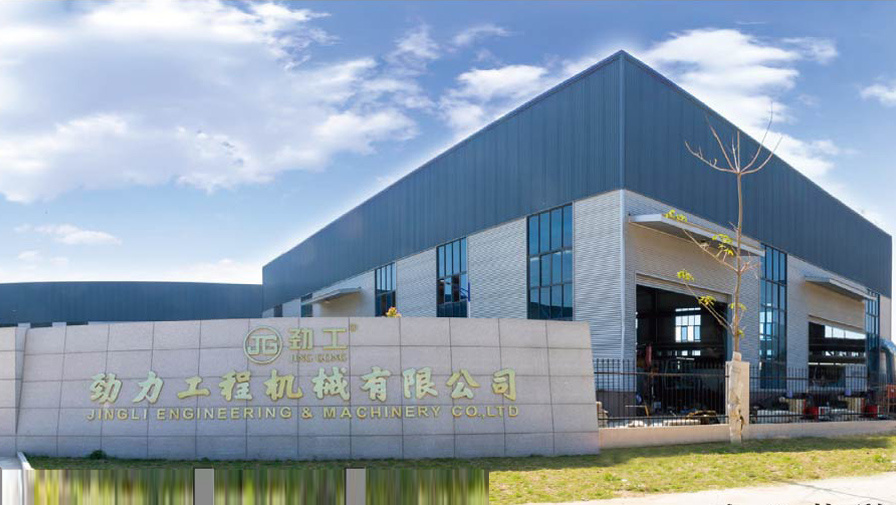
About UsQuanzhou Jinli Engineering Machinery Co., Ltd., established in July 2006, is a professional manufacturer specializing in design, development, production, and sales of equipment machinery.
-
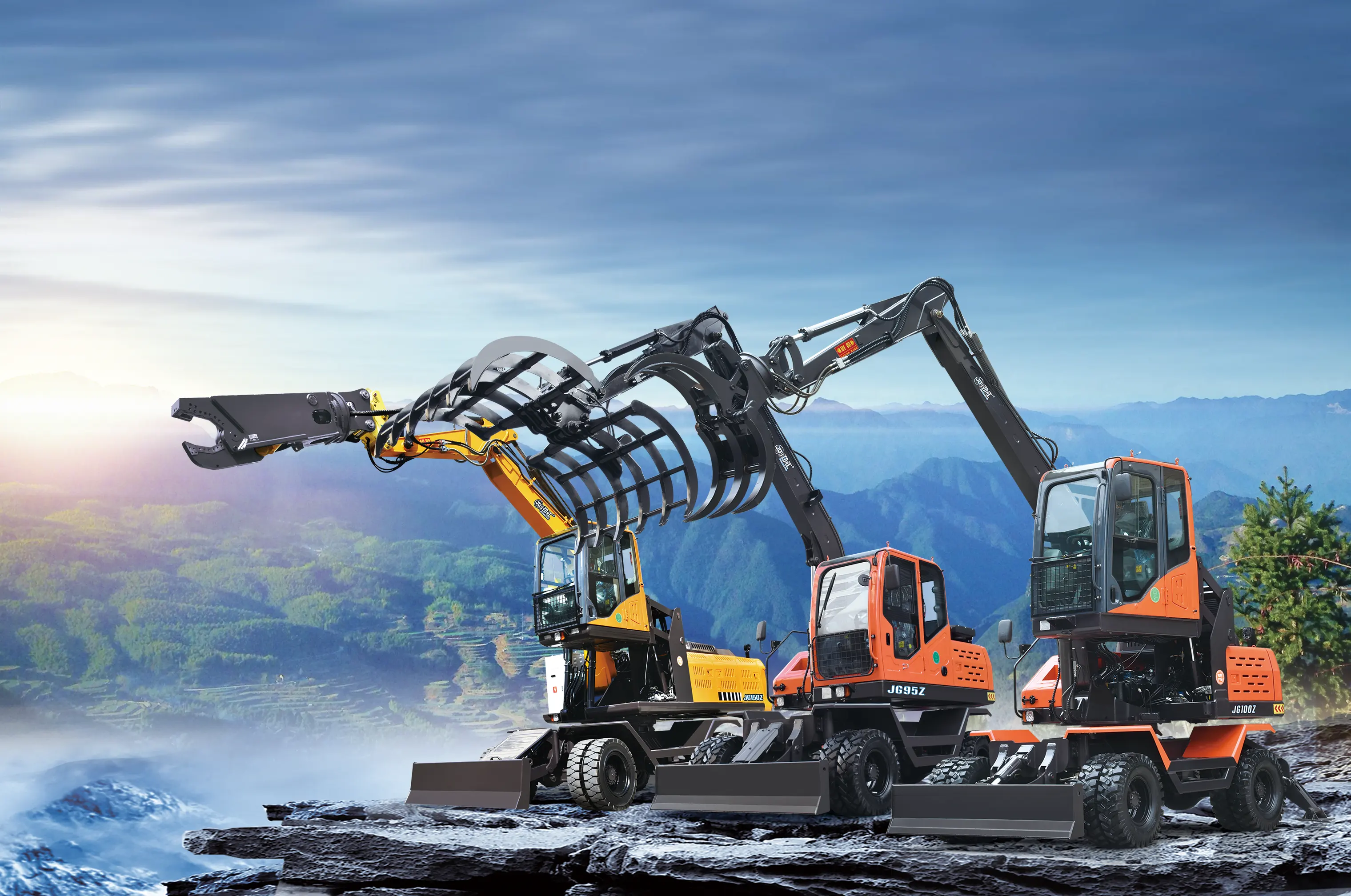
ProductsConstruction machinery: tire excavator, crawler excavator; Forestry machinery: bamboo and wood (sugarcane) picking and loading machines, multifunctional transfer machines; Harvesting machinery: whole rod sugarcane combine har
-
NewsJinggong adheres to the business philosophy of "technology supporting enterprises, quality bearing heavy trust", constantly develops new products guided by market demand, and presents satisfactory products to our customers.

-
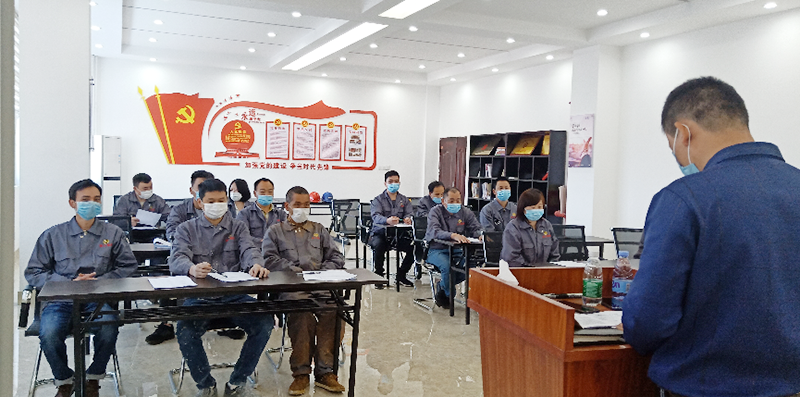
ServiceSince its establishment, we have always adhered to the service philosophy of "being close, caring, full lifecycle, and full value chain".
-
Contact UsCorporate Honors We provide our customers not only with advantageous products, technologies, and services, but also with a comprehensive solution to meet diverse needs, thereby continuously creating value for customers and he


Online Inquiry

JINGONG
NEWS
Understanding the Material Leveling Machine in Manufacturing and Construction Machinery
TIME:2023-11-19 12:01
Introduction:
In the realm of manufacturing and construction machinery, the material leveling machine plays a crucial role in achieving precision and efficiency. This article delves into the essential details of the material leveling machine, shedding light on its significance and various applications in the industry.
1. What is a Material Leveling Machine?
A material leveling machine is a specialized equipment used to flatten and smoothen surfaces of various materials, predominantly metals, before further processing. It ensures uniformity and consistency in the thickness and flatness of the materials, enhancing their quality and facilitating subsequent manufacturing or construction processes.
2. Operating Principles:
Material leveling machines function based on mechanical force applied to the material surface. The machine comprises a set of rollers or leveling heads that press against the material, exerting sufficient pressure to modify its shape. Simultaneously, the machine's leveling heads adjust their positions to achieve the desired leveling effect, compensating for irregularities in the material.
3. Key Features and Benefits:
- Precision Leveling: Material leveling machines are designed to provide high levels of precision and accuracy in flattening surfaces. This ensures that the processed materials meet stringent quality standards.
- Increased Efficiency: By utilizing material leveling machines, manufacturers and construction professionals can significantly enhance their production efficiency. The machine expedites subsequent processes by eliminating the need for manual flattening and preparation.
- Versatility: Material leveling machines can handle a wide range of materials, including steel, aluminum, and other metals. This versatility makes them indispensable in different manufacturing and construction applications.
- Improved Material Quality: The leveling process removes deformations, such as waves, ripples, or curls, resulting in improved material quality. This enhances the overall aesthetic appeal and functionality of the end products.
- Cost Savings: By utilizing material leveling machines, manufacturers can minimize material wastage and optimize material usage, leading to cost savings in the long run.
4. Applications in Manufacturing and Construction Machinery:
Material leveling machines find extensive use in various industries, including:
- Automotive: Ensuring flatness and consistency of metal sheets for automobile body panels, frames, and components.
- Aerospace: Preparing metal sheets for aircraft parts fabrication, guaranteeing precise dimensions and surface quality.
- Construction: Leveling steel plates for structural purposes, ensuring stability and uniformity in building construction.
- Metalworking: Flattening metal sheets for subsequent processes like laser cutting, welding, and machining.
In conclusion, material leveling machines are indispensable tools in the manufacturing and construction machinery industry. Their ability to achieve precise surface flatness, improve material quality, and enhance production efficiency makes them essential for a wide range of applications. Embracing this technology enables businesses to improve their competitiveness, reduce costs, and deliver high-quality products to their customers.
In the realm of manufacturing and construction machinery, the material leveling machine plays a crucial role in achieving precision and efficiency. This article delves into the essential details of the material leveling machine, shedding light on its significance and various applications in the industry.
1. What is a Material Leveling Machine?
A material leveling machine is a specialized equipment used to flatten and smoothen surfaces of various materials, predominantly metals, before further processing. It ensures uniformity and consistency in the thickness and flatness of the materials, enhancing their quality and facilitating subsequent manufacturing or construction processes.
2. Operating Principles:
Material leveling machines function based on mechanical force applied to the material surface. The machine comprises a set of rollers or leveling heads that press against the material, exerting sufficient pressure to modify its shape. Simultaneously, the machine's leveling heads adjust their positions to achieve the desired leveling effect, compensating for irregularities in the material.
3. Key Features and Benefits:
- Precision Leveling: Material leveling machines are designed to provide high levels of precision and accuracy in flattening surfaces. This ensures that the processed materials meet stringent quality standards.
- Increased Efficiency: By utilizing material leveling machines, manufacturers and construction professionals can significantly enhance their production efficiency. The machine expedites subsequent processes by eliminating the need for manual flattening and preparation.
- Versatility: Material leveling machines can handle a wide range of materials, including steel, aluminum, and other metals. This versatility makes them indispensable in different manufacturing and construction applications.
- Improved Material Quality: The leveling process removes deformations, such as waves, ripples, or curls, resulting in improved material quality. This enhances the overall aesthetic appeal and functionality of the end products.
- Cost Savings: By utilizing material leveling machines, manufacturers can minimize material wastage and optimize material usage, leading to cost savings in the long run.
4. Applications in Manufacturing and Construction Machinery:
Material leveling machines find extensive use in various industries, including:
- Automotive: Ensuring flatness and consistency of metal sheets for automobile body panels, frames, and components.
- Aerospace: Preparing metal sheets for aircraft parts fabrication, guaranteeing precise dimensions and surface quality.
- Construction: Leveling steel plates for structural purposes, ensuring stability and uniformity in building construction.
- Metalworking: Flattening metal sheets for subsequent processes like laser cutting, welding, and machining.
In conclusion, material leveling machines are indispensable tools in the manufacturing and construction machinery industry. Their ability to achieve precise surface flatness, improve material quality, and enhance production efficiency makes them essential for a wide range of applications. Embracing this technology enables businesses to improve their competitiveness, reduce costs, and deliver high-quality products to their customers.
Related News
Contact Us
No. 88, Pan Cuo, Jiaonan Village, Heshizhen, Luojiang District, Quanzhou City, Fujian Province


