
-
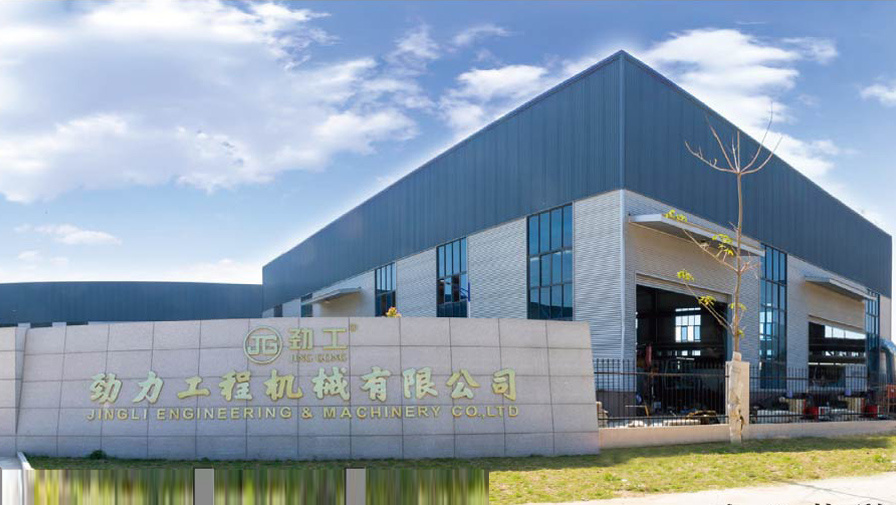
About UsQuanzhou Jinli Engineering Machinery Co., Ltd., established in July 2006, is a professional manufacturer specializing in design, development, production, and sales of equipment machinery.
-
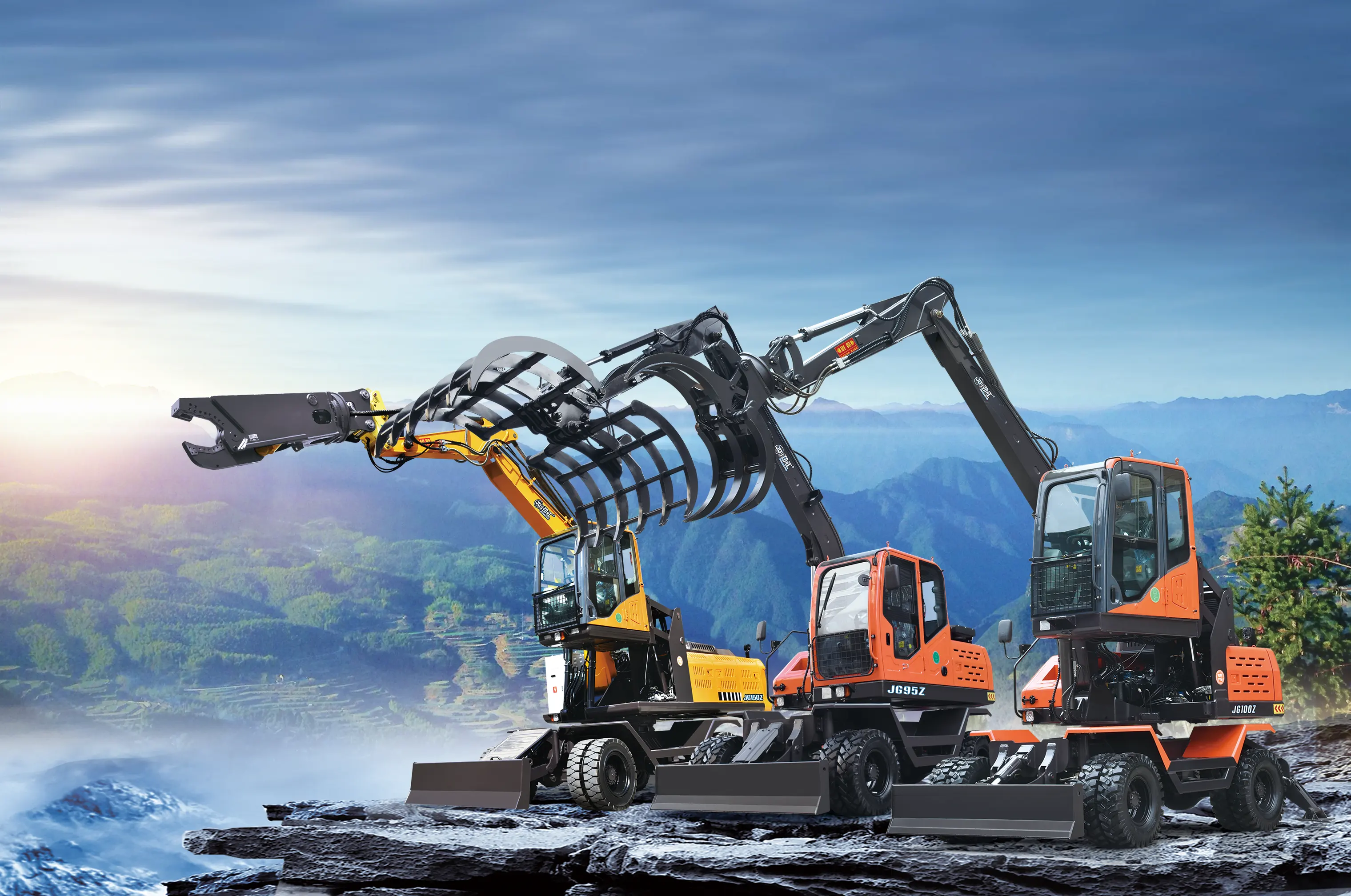
ProductsConstruction machinery: tire excavator, crawler excavator; Forestry machinery: bamboo and wood (sugarcane) picking and loading machines, multifunctional transfer machines; Harvesting machinery: whole rod sugarcane combine har
-
NewsJinggong adheres to the business philosophy of "technology supporting enterprises, quality bearing heavy trust", constantly develops new products guided by market demand, and presents satisfactory products to our customers.

-
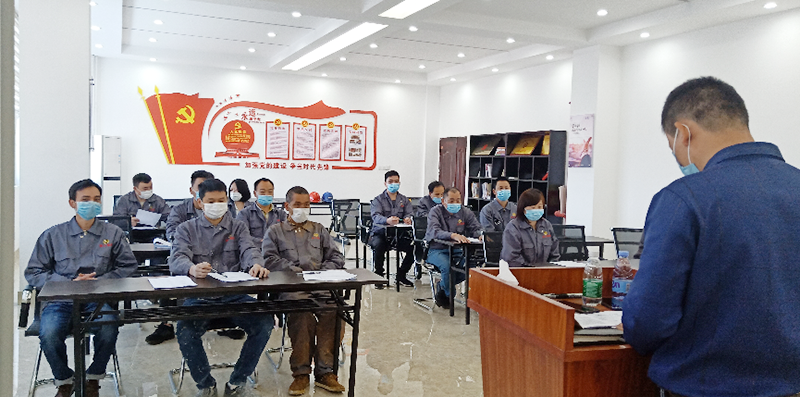
ServiceSince its establishment, we have always adhered to the service philosophy of "being close, caring, full lifecycle, and full value chain".
-
Contact UsCorporate Honors We provide our customers not only with advantageous products, technologies, and services, but also with a comprehensive solution to meet diverse needs, thereby continuously creating value for customers and he


Online Inquiry

JINGONG
NEWS
The Importance of CE Certification in Rail Excavators: Ensuring Safety and Compliance
TIME:2023-11-21 10:20
**Table of Contents:**
1. Introduction: Understanding the Role of CE Certification
2. Importance of CE Certification in Rail Excavators
2.1 Enhancing Safety Standards
2.2 Compliance with European Union Regulations
2.3 Ensuring Quality and Performance
3. Requirements for CE Certification in Rail Excavators
3.1 Structural Integrity and Stability
3.2 Electrical and Mechanical Safety
3.3 Noise and Vibration Levels
3.4 Emission Control
4. Benefits of CE Certification for Rail Excavators
4.1 Access to European Markets
4.2 Enhanced Product Reputation
4.3 Increased Customer Confidence
5. FAQs About CE Certification in Rail Excavators
5.1 What is CE certification?
5.2 Who is responsible for obtaining CE certification?
5.3 Is CE certification mandatory for rail excavators?
5.4 How can I ensure my rail excavators meet CE certification requirements?
5.5 Can an excavator be used without CE certification?
6. Conclusion: Embracing CE Certification for Rail Excavators
**1. Introduction: Understanding the Role of CE Certification**
In the construction industry, safety and compliance are paramount. Rail excavators play a crucial role in various projects, and ensuring their reliability, safety, and adherence to regulations is of utmost importance. This is where CE certification comes into play.
CE certification stands for Conformité Européene, which translates to European Conformity. It is a mandatory certification for machinery and equipment, including rail excavators, that are manufactured or imported into the European Union (EU) market. This certification ensures that the machinery meets the essential health, safety, and environmental requirements set by the EU.
**2. Importance of CE Certification in Rail Excavators**
2.1 Enhancing Safety Standards
Safety is the foremost concern in the construction industry, and rail excavators are no exception. CE certification ensures that rail excavators meet specific safety standards, minimizing the risk of accidents and injuries. By adhering to these standards, manufacturers demonstrate their commitment to providing safe and reliable machinery to operators and workers.
2.2 Compliance with European Union Regulations
Operating in the EU market requires compliance with EU regulations. CE certification serves as proof that rail excavators meet the necessary requirements and conform to the applicable directives and standards. Without CE certification, manufacturers may face legal consequences and encounter difficulties in marketing their products within the EU.
2.3 Ensuring Quality and Performance
CE certification goes beyond safety and compliance; it also guarantees the quality and performance of rail excavators. To obtain certification, manufacturers must undergo rigorous testing and assessment processes to ensure that their machinery meets the required standards. This certification marks the machinery as reliable, efficient, and suitable for its intended purpose.
**3. Requirements for CE Certification in Rail Excavators**
3.1 Structural Integrity and Stability
Rail excavators must demonstrate structural integrity and stability to operate safely. This includes factors such as load capacities, stability during operation, and resistance to overturning. These requirements ensure that the excavators can withstand demanding work conditions and perform reliably without compromising safety.
3.2 Electrical and Mechanical Safety
Electrical and mechanical components of rail excavators must meet specific safety standards to minimize the risk of malfunctions, accidents, or injuries. The certification process assesses the safety features, controls, wiring, and protection systems to ensure they adhere to the necessary guidelines.
3.3 Noise and Vibration Levels
Rail excavators generate noise and vibrations during operation, which can have a significant impact on workers' health and nearby communities. CE certification addresses the control of noise and vibration levels, ensuring that rail excavators comply with established limits to safeguard the well-being of individuals in the vicinity.
3.4 Emission Control
Environmental concerns are a growing focus in the construction industry. CE certification requires rail excavators to meet emission control standards, reducing their impact on air quality and contributing to sustainable practices. This includes regulations regarding exhaust emissions, particulate matter, and noise pollution.
**4. Benefits of CE Certification for Rail Excavators**
4.1 Access to European Markets
CE certification is a requirement for machinery to be marketed and sold in the EU. By obtaining this certification, manufacturers gain access to a vast market with numerous business opportunities. It allows them to expand their reach and establish a presence in the European construction industry.
4.2 Enhanced Product Reputation
CE certification serves as a mark of quality and compliance. When rail excavators bear the CE marking, it instills confidence in customers, contractors, and operators. It demonstrates that the machinery has undergone thorough testing and meets the necessary standards, enhancing the product's reputation and credibility in the market.
4.3 Increased Customer Confidence
Customers, particularly in the construction industry, prioritize safety and compliance when selecting machinery. CE certification provides reassurance that rail excavators meet the required standards and are suitable for project requirements. This increased customer confidence can lead to more sales, partnerships, and long-term relationships with clients.
**5. FAQs About CE Certification in Rail Excavators**
5.1 What is CE certification?
CE certification is a mandatory certification for machinery and equipment, including rail excavators, to be marketed and sold within the European Union. It ensures that the machinery meets essential health, safety, and environmental requirements.
5.2 Who is responsible for obtaining CE certification?
The responsibility for obtaining CE certification lies with the manufacturer or the authorized representative within the EU. They must ensure that the machinery complies with the applicable directives and standards.
5.3 Is CE certification mandatory for rail excavators?
Yes, CE certification is mandatory for rail excavators to be sold and operated within the European Union market. Failure to obtain certification can result in legal consequences and restrict market access.
5.4 How can I ensure my rail excavators meet CE certification requirements?
To ensure compliance with CE certification requirements, manufacturers should engage in thorough product testing, assessment, and conformity evaluation. It is advisable to involve a notified body or an accredited third-party organization to assist in the certification process.
5.5 Can an excavator be used without CE certification?
No, rail excavators without CE certification should not be used within the European Union. The certification ensures compliance with safety, health, and environmental standards, safeguarding operators, workers, and the surrounding communities.
**6. Conclusion: Embracing CE Certification for Rail Excavators**
In the construction industry, safety, compliance, and reliability are paramount. CE certification plays a vital role in ensuring that rail excavators meet the necessary requirements and standards for operation within the European Union. By obtaining CE certification, manufacturers demonstrate their commitment to safety, quality, and performance, while gaining access to a vast market and enhancing their product's reputation. Embrace CE certification for rail excavators to guarantee safety, compliance, and success in the construction industry.
1. Introduction: Understanding the Role of CE Certification
2. Importance of CE Certification in Rail Excavators
2.1 Enhancing Safety Standards
2.2 Compliance with European Union Regulations
2.3 Ensuring Quality and Performance
3. Requirements for CE Certification in Rail Excavators
3.1 Structural Integrity and Stability
3.2 Electrical and Mechanical Safety
3.3 Noise and Vibration Levels
3.4 Emission Control
4. Benefits of CE Certification for Rail Excavators
4.1 Access to European Markets
4.2 Enhanced Product Reputation
4.3 Increased Customer Confidence
5. FAQs About CE Certification in Rail Excavators
5.1 What is CE certification?
5.2 Who is responsible for obtaining CE certification?
5.3 Is CE certification mandatory for rail excavators?
5.4 How can I ensure my rail excavators meet CE certification requirements?
5.5 Can an excavator be used without CE certification?
6. Conclusion: Embracing CE Certification for Rail Excavators
**1. Introduction: Understanding the Role of CE Certification**
In the construction industry, safety and compliance are paramount. Rail excavators play a crucial role in various projects, and ensuring their reliability, safety, and adherence to regulations is of utmost importance. This is where CE certification comes into play.
CE certification stands for Conformité Européene, which translates to European Conformity. It is a mandatory certification for machinery and equipment, including rail excavators, that are manufactured or imported into the European Union (EU) market. This certification ensures that the machinery meets the essential health, safety, and environmental requirements set by the EU.
**2. Importance of CE Certification in Rail Excavators**
2.1 Enhancing Safety Standards
Safety is the foremost concern in the construction industry, and rail excavators are no exception. CE certification ensures that rail excavators meet specific safety standards, minimizing the risk of accidents and injuries. By adhering to these standards, manufacturers demonstrate their commitment to providing safe and reliable machinery to operators and workers.
2.2 Compliance with European Union Regulations
Operating in the EU market requires compliance with EU regulations. CE certification serves as proof that rail excavators meet the necessary requirements and conform to the applicable directives and standards. Without CE certification, manufacturers may face legal consequences and encounter difficulties in marketing their products within the EU.
2.3 Ensuring Quality and Performance
CE certification goes beyond safety and compliance; it also guarantees the quality and performance of rail excavators. To obtain certification, manufacturers must undergo rigorous testing and assessment processes to ensure that their machinery meets the required standards. This certification marks the machinery as reliable, efficient, and suitable for its intended purpose.
**3. Requirements for CE Certification in Rail Excavators**
3.1 Structural Integrity and Stability
Rail excavators must demonstrate structural integrity and stability to operate safely. This includes factors such as load capacities, stability during operation, and resistance to overturning. These requirements ensure that the excavators can withstand demanding work conditions and perform reliably without compromising safety.
3.2 Electrical and Mechanical Safety
Electrical and mechanical components of rail excavators must meet specific safety standards to minimize the risk of malfunctions, accidents, or injuries. The certification process assesses the safety features, controls, wiring, and protection systems to ensure they adhere to the necessary guidelines.
3.3 Noise and Vibration Levels
Rail excavators generate noise and vibrations during operation, which can have a significant impact on workers' health and nearby communities. CE certification addresses the control of noise and vibration levels, ensuring that rail excavators comply with established limits to safeguard the well-being of individuals in the vicinity.
3.4 Emission Control
Environmental concerns are a growing focus in the construction industry. CE certification requires rail excavators to meet emission control standards, reducing their impact on air quality and contributing to sustainable practices. This includes regulations regarding exhaust emissions, particulate matter, and noise pollution.
**4. Benefits of CE Certification for Rail Excavators**
4.1 Access to European Markets
CE certification is a requirement for machinery to be marketed and sold in the EU. By obtaining this certification, manufacturers gain access to a vast market with numerous business opportunities. It allows them to expand their reach and establish a presence in the European construction industry.
4.2 Enhanced Product Reputation
CE certification serves as a mark of quality and compliance. When rail excavators bear the CE marking, it instills confidence in customers, contractors, and operators. It demonstrates that the machinery has undergone thorough testing and meets the necessary standards, enhancing the product's reputation and credibility in the market.
4.3 Increased Customer Confidence
Customers, particularly in the construction industry, prioritize safety and compliance when selecting machinery. CE certification provides reassurance that rail excavators meet the required standards and are suitable for project requirements. This increased customer confidence can lead to more sales, partnerships, and long-term relationships with clients.
**5. FAQs About CE Certification in Rail Excavators**
5.1 What is CE certification?
CE certification is a mandatory certification for machinery and equipment, including rail excavators, to be marketed and sold within the European Union. It ensures that the machinery meets essential health, safety, and environmental requirements.
5.2 Who is responsible for obtaining CE certification?
The responsibility for obtaining CE certification lies with the manufacturer or the authorized representative within the EU. They must ensure that the machinery complies with the applicable directives and standards.
5.3 Is CE certification mandatory for rail excavators?
Yes, CE certification is mandatory for rail excavators to be sold and operated within the European Union market. Failure to obtain certification can result in legal consequences and restrict market access.
5.4 How can I ensure my rail excavators meet CE certification requirements?
To ensure compliance with CE certification requirements, manufacturers should engage in thorough product testing, assessment, and conformity evaluation. It is advisable to involve a notified body or an accredited third-party organization to assist in the certification process.
5.5 Can an excavator be used without CE certification?
No, rail excavators without CE certification should not be used within the European Union. The certification ensures compliance with safety, health, and environmental standards, safeguarding operators, workers, and the surrounding communities.
**6. Conclusion: Embracing CE Certification for Rail Excavators**
In the construction industry, safety, compliance, and reliability are paramount. CE certification plays a vital role in ensuring that rail excavators meet the necessary requirements and standards for operation within the European Union. By obtaining CE certification, manufacturers demonstrate their commitment to safety, quality, and performance, while gaining access to a vast market and enhancing their product's reputation. Embrace CE certification for rail excavators to guarantee safety, compliance, and success in the construction industry.
Related News
Contact Us
No. 88, Pan Cuo, Jiaonan Village, Heshizhen, Luojiang District, Quanzhou City, Fujian Province


