
-
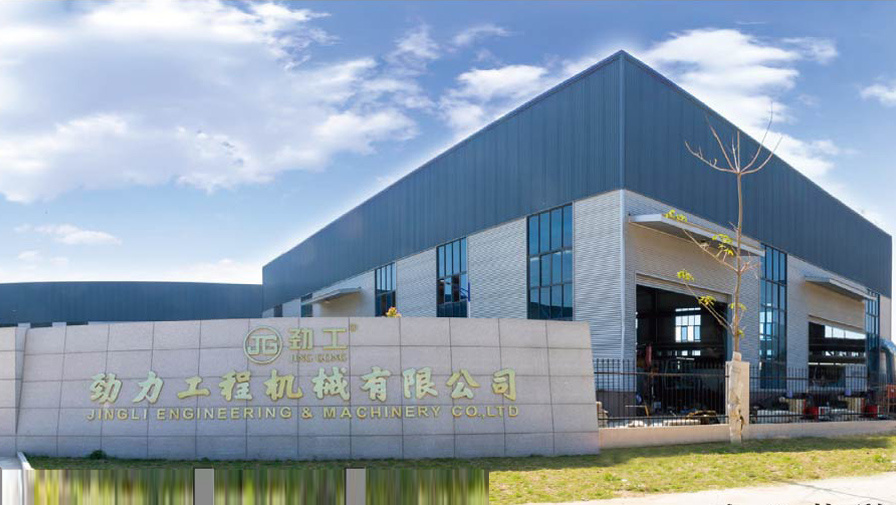
About UsQuanzhou Jinli Engineering Machinery Co., Ltd., established in July 2006, is a professional manufacturer specializing in design, development, production, and sales of equipment machinery.
-
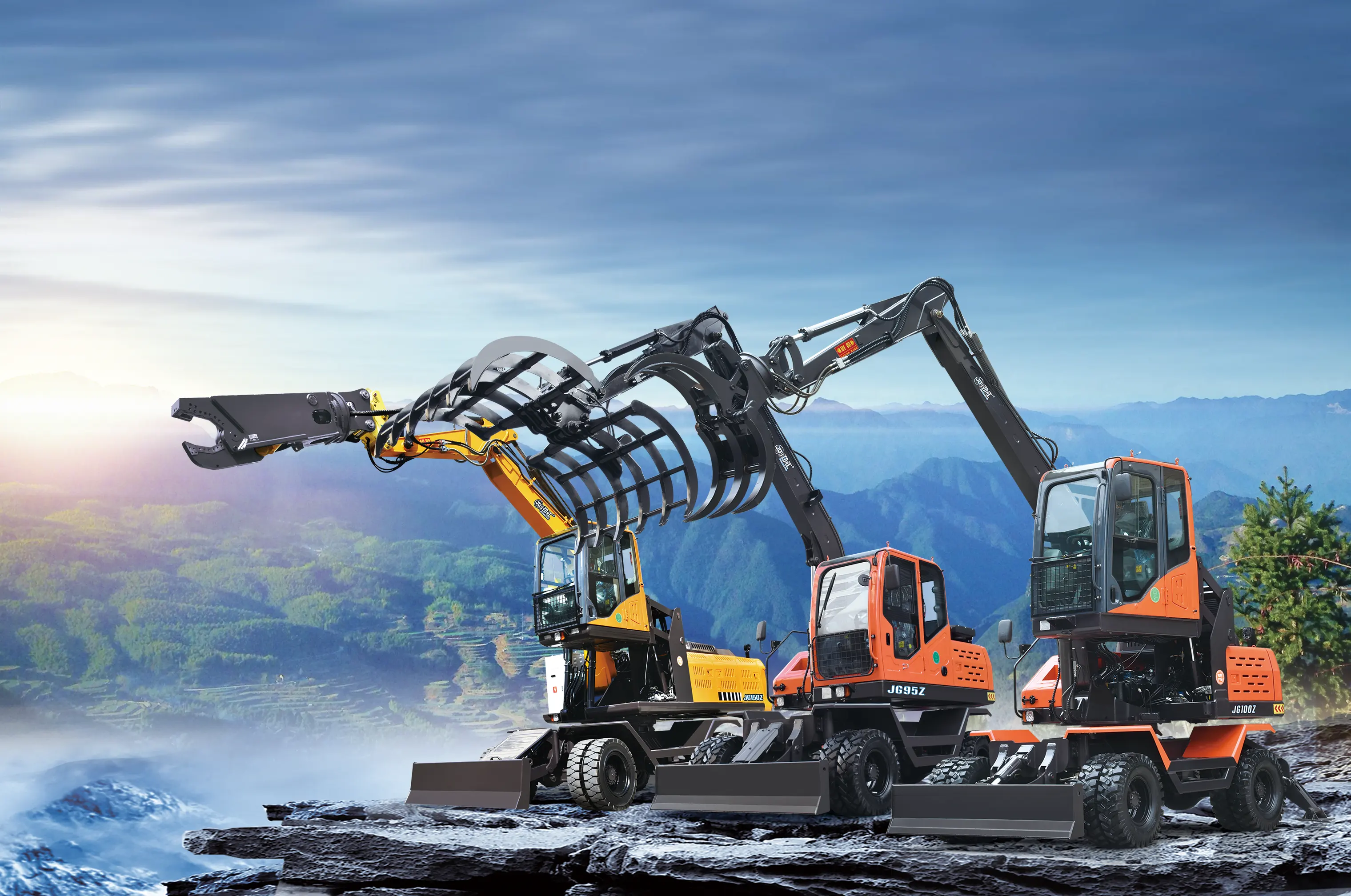
ProductsConstruction machinery: tire excavator, crawler excavator; Forestry machinery: bamboo and wood (sugarcane) picking and loading machines, multifunctional transfer machines; Harvesting machinery: whole rod sugarcane combine har
-
NewsJinggong adheres to the business philosophy of "technology supporting enterprises, quality bearing heavy trust", constantly develops new products guided by market demand, and presents satisfactory products to our customers.

-
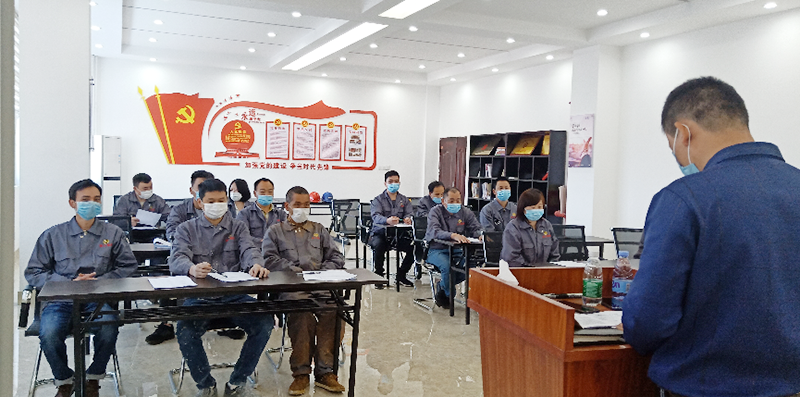
ServiceSince its establishment, we have always adhered to the service philosophy of "being close, caring, full lifecycle, and full value chain".
-
Contact UsCorporate Honors We provide our customers not only with advantageous products, technologies, and services, but also with a comprehensive solution to meet diverse needs, thereby continuously creating value for customers and he


Online Inquiry

JINGONG
NEWS
Revolutionizing Railway Special Machinery Manufacturing: A Game-changer in the Industry
TIME:2023-11-21 11:01
Table of Contents:
1. Introduction: The Evolution of Railway Special Machinery Manufacturing
2. Advancements in Railway Special Machinery Manufacturing
2.1. Automation and Robotics: Paving the Way for Efficiency
2.2. Intelligent Systems: Enhancing Safety and Precision
3. Innovative Technologies in Railway Special Machinery Manufacturing
3.1. 3D Printing: Redefining Manufacturing Processes
3.2. Artificial Intelligence: Revolutionizing Maintenance and Operations
3.3. Internet of Things: Transforming Connectivity and Data Analysis
4. Challenges and Opportunities in Railway Special Machinery Manufacturing
4.1. Global Market Trends and Demand
4.2. Environmental Sustainability and Energy Efficiency
4.3. Skilled Workforce and Training
5. FAQs (Frequently Asked Questions)
5.1. How are automation and robotics influencing railway special machinery manufacturing?
5.2. What are the benefits of intelligent systems in the industry?
5.3. How does 3D printing contribute to the manufacturing process?
5.4. What role does artificial intelligence play in maintenance and operations?
5.5. How does the Internet of Things improve connectivity and data analysis?
6. Conclusion: Embracing the Future of Railway Special Machinery Manufacturing
1. Introduction: The Evolution of Railway Special Machinery Manufacturing
In the dynamic world of manufacturing, railway special machinery has seen significant advancements over the years. From traditional manufacturing processes to the introduction of automation and robotics, the industry has undergone a remarkable transformation. This article explores the latest innovations and technologies revolutionizing railway special machinery manufacturing, paving the way for a more efficient, safe, and sustainable future.
2. Advancements in Railway Special Machinery Manufacturing
2.1. Automation and Robotics: Paving the Way for Efficiency
Automation and robotics have become integral to railway special machinery manufacturing. By automating various processes such as welding, assembly, and quality control, manufacturers can achieve higher production rates and improved precision. Robotic arms and automated guided vehicles (AGVs) streamline operations, reducing human error and enhancing overall efficiency. With the help of advanced sensors and artificial intelligence, these machines can adapt to changing conditions and optimize performance.
2.2. Intelligent Systems: Enhancing Safety and Precision
The integration of intelligent systems has revolutionized railway special machinery manufacturing. These systems combine artificial intelligence, machine learning, and sensor technologies to enable real-time monitoring, predictive maintenance, and enhanced safety features. By analyzing vast amounts of data, intelligent systems can detect anomalies, prevent equipment failures, and optimize performance. This not only ensures the safety of railway operations but also reduces downtime and maintenance costs.
3. Innovative Technologies in Railway Special Machinery Manufacturing
3.1. 3D Printing: Redefining Manufacturing Processes
3D printing, also known as additive manufacturing, has emerged as a game-changer in railway special machinery manufacturing. This technology allows the creation of complex geometries, reducing the need for multiple components and assembly processes. By using materials such as metal alloys and high-performance polymers, manufacturers can produce lightweight yet robust parts with superior mechanical properties. 3D printing also enables customization and rapid prototyping, accelerating the design and development cycle.
3.2. Artificial Intelligence: Revolutionizing Maintenance and Operations
Artificial intelligence (AI) has transformed various industries, and railway special machinery manufacturing is no exception. AI-powered systems can analyze vast amounts of data from sensors, cameras, and historical records to identify patterns, predict failures, and optimize maintenance schedules. By implementing AI algorithms, manufacturers can minimize downtime, extend equipment lifespan, and reduce maintenance costs. Furthermore, AI-driven algorithms can optimize energy consumption, leading to improved sustainability.
3.3. Internet of Things: Transforming Connectivity and Data Analysis
The Internet of Things (IoT) has revolutionized the way railway special machinery operates and communicates. By connecting various devices, sensors, and systems, IoT enables real-time data collection and analysis. This connectivity allows manufacturers to monitor equipment performance, detect anomalies, and proactively address potential issues. With IoT-enabled predictive maintenance, manufacturers can schedule repairs and replacements based on actual equipment conditions, reducing downtime and enhancing overall productivity.
4. Challenges and Opportunities in Railway Special Machinery Manufacturing
4.1. Global Market Trends and Demand
The railway special machinery manufacturing industry operates in a global market influenced by trends and demands. With the growing need for infrastructure development, urbanization, and transportation connectivity, the demand for railway special machinery is on the rise. Manufacturers must stay updated with the latest market trends, such as the shift towards electric and hybrid locomotives, to seize opportunities and address emerging challenges.
4.2. Environmental Sustainability and Energy Efficiency
As the world focuses on sustainable development, railway special machinery manufacturers face increasing pressure to reduce their environmental footprint. Embracing energy-efficient technologies, optimizing resource consumption, and adopting eco-friendly materials are key strategies to achieve sustainability goals. Manufacturers must prioritize the development of green solutions that align with global environmental standards to meet market demands and gain a competitive edge.
4.3. Skilled Workforce and Training
With the rapid evolution of technology, railway special machinery manufacturing requires a highly skilled workforce capable of operating and maintaining advanced equipment. Manufacturers must invest in training programs to ensure their employees possess the required technical expertise. Collaboration with educational institutions, vocational training centers, and industry associations can help bridge the skills gap and build a competent workforce for the future.
5. FAQs (Frequently Asked Questions)
5.1. How are automation and robotics influencing railway special machinery manufacturing?
Automation and robotics streamline manufacturing processes, improving efficiency and precision. Robotic arms and automated guided vehicles (AGVs) handle tasks such as welding, assembly, and quality control, reducing human error and increasing productivity.
5.2. What are the benefits of intelligent systems in the industry?
Intelligent systems enhance safety and precision in railway special machinery manufacturing. By combining artificial intelligence, machine learning, and sensor technologies, these systems enable real-time monitoring, predictive maintenance, and proactive safety measures.
5.3. How does 3D printing contribute to the manufacturing process?
3D printing revolutionizes manufacturing by allowing the creation of complex geometries in a single process. Manufacturers can produce lightweight yet robust parts, reduce assembly processes, and accelerate the design and development cycle.
5.4. What role does artificial intelligence play in maintenance and operations?
Artificial intelligence analyzes data from sensors, cameras, and historical records to predict failures, optimize maintenance schedules, and reduce downtime. AI-driven algorithms can also optimize energy consumption and enhance overall operational efficiency.
5.5. How does the Internet of Things improve connectivity and data analysis?
The Internet of Things connects devices, sensors, and systems, enabling real-time data collection and analysis. This connectivity enhances equipment monitoring, anomaly detection, and predictive maintenance, leading to optimized performance and reduced downtime.
6. Conclusion: Embracing the Future of Railway Special Machinery Manufacturing
The revolution in railway special machinery manufacturing has brought forth a new era of efficiency, safety, and sustainability. From automation and robotics to intelligent systems, innovative technologies are transforming the industry. By embracing these advancements, manufacturers can stay ahead of the competition, meet market demands, and contribute to the development of a robust and interconnected railway network. The future of railway special machinery manufacturing is bright, driven by continuous innovation and a commitment to excellence.
1. Introduction: The Evolution of Railway Special Machinery Manufacturing
2. Advancements in Railway Special Machinery Manufacturing
2.1. Automation and Robotics: Paving the Way for Efficiency
2.2. Intelligent Systems: Enhancing Safety and Precision
3. Innovative Technologies in Railway Special Machinery Manufacturing
3.1. 3D Printing: Redefining Manufacturing Processes
3.2. Artificial Intelligence: Revolutionizing Maintenance and Operations
3.3. Internet of Things: Transforming Connectivity and Data Analysis
4. Challenges and Opportunities in Railway Special Machinery Manufacturing
4.1. Global Market Trends and Demand
4.2. Environmental Sustainability and Energy Efficiency
4.3. Skilled Workforce and Training
5. FAQs (Frequently Asked Questions)
5.1. How are automation and robotics influencing railway special machinery manufacturing?
5.2. What are the benefits of intelligent systems in the industry?
5.3. How does 3D printing contribute to the manufacturing process?
5.4. What role does artificial intelligence play in maintenance and operations?
5.5. How does the Internet of Things improve connectivity and data analysis?
6. Conclusion: Embracing the Future of Railway Special Machinery Manufacturing
1. Introduction: The Evolution of Railway Special Machinery Manufacturing
In the dynamic world of manufacturing, railway special machinery has seen significant advancements over the years. From traditional manufacturing processes to the introduction of automation and robotics, the industry has undergone a remarkable transformation. This article explores the latest innovations and technologies revolutionizing railway special machinery manufacturing, paving the way for a more efficient, safe, and sustainable future.
2. Advancements in Railway Special Machinery Manufacturing
2.1. Automation and Robotics: Paving the Way for Efficiency
Automation and robotics have become integral to railway special machinery manufacturing. By automating various processes such as welding, assembly, and quality control, manufacturers can achieve higher production rates and improved precision. Robotic arms and automated guided vehicles (AGVs) streamline operations, reducing human error and enhancing overall efficiency. With the help of advanced sensors and artificial intelligence, these machines can adapt to changing conditions and optimize performance.
2.2. Intelligent Systems: Enhancing Safety and Precision
The integration of intelligent systems has revolutionized railway special machinery manufacturing. These systems combine artificial intelligence, machine learning, and sensor technologies to enable real-time monitoring, predictive maintenance, and enhanced safety features. By analyzing vast amounts of data, intelligent systems can detect anomalies, prevent equipment failures, and optimize performance. This not only ensures the safety of railway operations but also reduces downtime and maintenance costs.
3. Innovative Technologies in Railway Special Machinery Manufacturing
3.1. 3D Printing: Redefining Manufacturing Processes
3D printing, also known as additive manufacturing, has emerged as a game-changer in railway special machinery manufacturing. This technology allows the creation of complex geometries, reducing the need for multiple components and assembly processes. By using materials such as metal alloys and high-performance polymers, manufacturers can produce lightweight yet robust parts with superior mechanical properties. 3D printing also enables customization and rapid prototyping, accelerating the design and development cycle.
3.2. Artificial Intelligence: Revolutionizing Maintenance and Operations
Artificial intelligence (AI) has transformed various industries, and railway special machinery manufacturing is no exception. AI-powered systems can analyze vast amounts of data from sensors, cameras, and historical records to identify patterns, predict failures, and optimize maintenance schedules. By implementing AI algorithms, manufacturers can minimize downtime, extend equipment lifespan, and reduce maintenance costs. Furthermore, AI-driven algorithms can optimize energy consumption, leading to improved sustainability.
3.3. Internet of Things: Transforming Connectivity and Data Analysis
The Internet of Things (IoT) has revolutionized the way railway special machinery operates and communicates. By connecting various devices, sensors, and systems, IoT enables real-time data collection and analysis. This connectivity allows manufacturers to monitor equipment performance, detect anomalies, and proactively address potential issues. With IoT-enabled predictive maintenance, manufacturers can schedule repairs and replacements based on actual equipment conditions, reducing downtime and enhancing overall productivity.
4. Challenges and Opportunities in Railway Special Machinery Manufacturing
4.1. Global Market Trends and Demand
The railway special machinery manufacturing industry operates in a global market influenced by trends and demands. With the growing need for infrastructure development, urbanization, and transportation connectivity, the demand for railway special machinery is on the rise. Manufacturers must stay updated with the latest market trends, such as the shift towards electric and hybrid locomotives, to seize opportunities and address emerging challenges.
4.2. Environmental Sustainability and Energy Efficiency
As the world focuses on sustainable development, railway special machinery manufacturers face increasing pressure to reduce their environmental footprint. Embracing energy-efficient technologies, optimizing resource consumption, and adopting eco-friendly materials are key strategies to achieve sustainability goals. Manufacturers must prioritize the development of green solutions that align with global environmental standards to meet market demands and gain a competitive edge.
4.3. Skilled Workforce and Training
With the rapid evolution of technology, railway special machinery manufacturing requires a highly skilled workforce capable of operating and maintaining advanced equipment. Manufacturers must invest in training programs to ensure their employees possess the required technical expertise. Collaboration with educational institutions, vocational training centers, and industry associations can help bridge the skills gap and build a competent workforce for the future.
5. FAQs (Frequently Asked Questions)
5.1. How are automation and robotics influencing railway special machinery manufacturing?
Automation and robotics streamline manufacturing processes, improving efficiency and precision. Robotic arms and automated guided vehicles (AGVs) handle tasks such as welding, assembly, and quality control, reducing human error and increasing productivity.
5.2. What are the benefits of intelligent systems in the industry?
Intelligent systems enhance safety and precision in railway special machinery manufacturing. By combining artificial intelligence, machine learning, and sensor technologies, these systems enable real-time monitoring, predictive maintenance, and proactive safety measures.
5.3. How does 3D printing contribute to the manufacturing process?
3D printing revolutionizes manufacturing by allowing the creation of complex geometries in a single process. Manufacturers can produce lightweight yet robust parts, reduce assembly processes, and accelerate the design and development cycle.
5.4. What role does artificial intelligence play in maintenance and operations?
Artificial intelligence analyzes data from sensors, cameras, and historical records to predict failures, optimize maintenance schedules, and reduce downtime. AI-driven algorithms can also optimize energy consumption and enhance overall operational efficiency.
5.5. How does the Internet of Things improve connectivity and data analysis?
The Internet of Things connects devices, sensors, and systems, enabling real-time data collection and analysis. This connectivity enhances equipment monitoring, anomaly detection, and predictive maintenance, leading to optimized performance and reduced downtime.
6. Conclusion: Embracing the Future of Railway Special Machinery Manufacturing
The revolution in railway special machinery manufacturing has brought forth a new era of efficiency, safety, and sustainability. From automation and robotics to intelligent systems, innovative technologies are transforming the industry. By embracing these advancements, manufacturers can stay ahead of the competition, meet market demands, and contribute to the development of a robust and interconnected railway network. The future of railway special machinery manufacturing is bright, driven by continuous innovation and a commitment to excellence.
Related News
Contact Us
No. 88, Pan Cuo, Jiaonan Village, Heshizhen, Luojiang District, Quanzhou City, Fujian Province


