
-
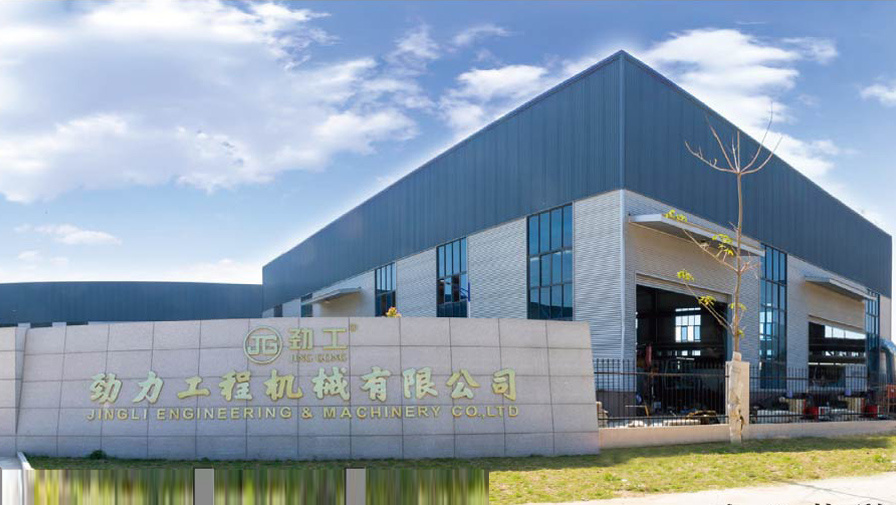
About UsQuanzhou Jinli Engineering Machinery Co., Ltd., established in July 2006, is a professional manufacturer specializing in design, development, production, and sales of equipment machinery.
-
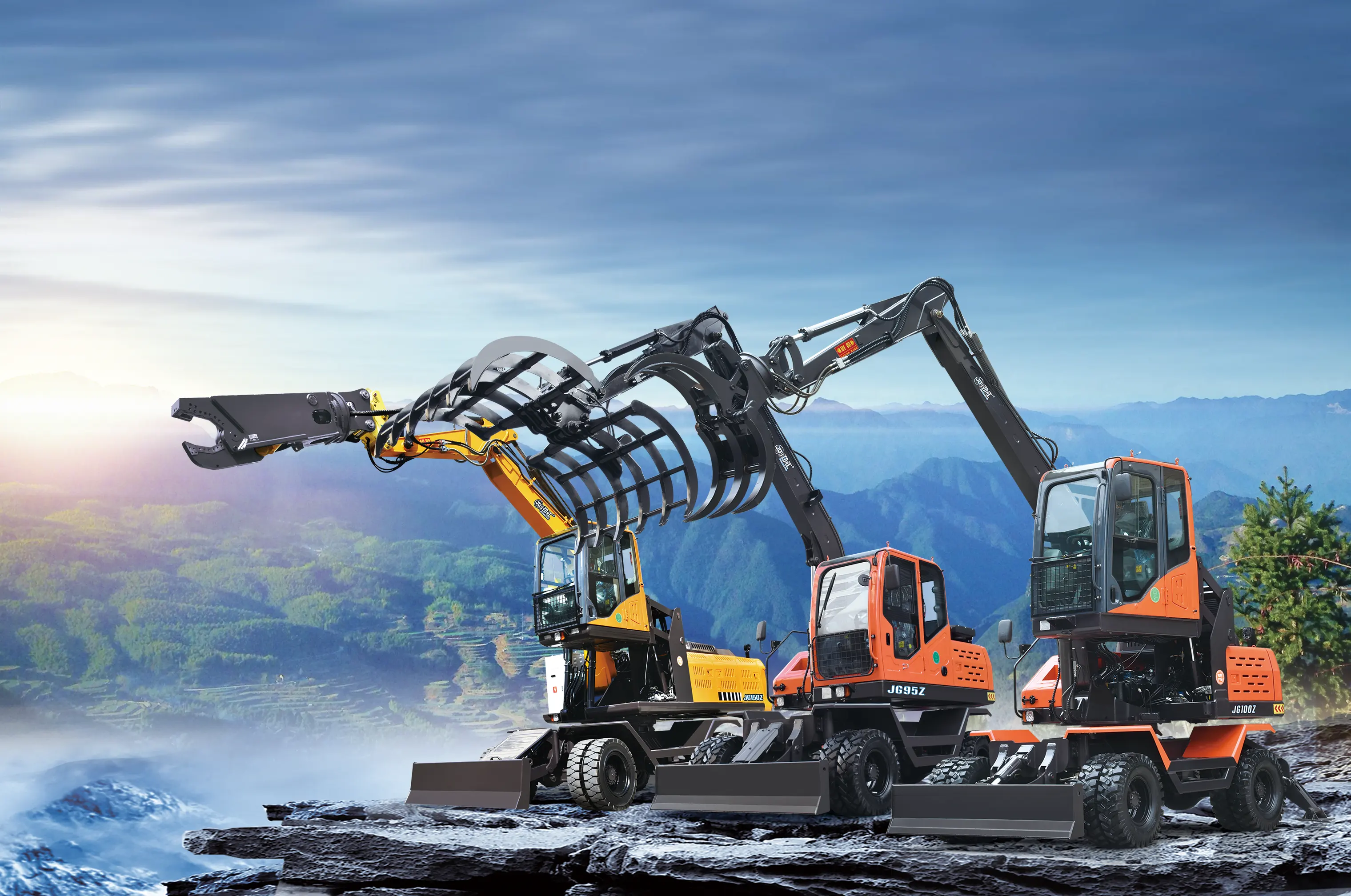
ProductsConstruction machinery: tire excavator, crawler excavator; Forestry machinery: bamboo and wood (sugarcane) picking and loading machines, multifunctional transfer machines; Harvesting machinery: whole rod sugarcane combine har
-
NewsJinggong adheres to the business philosophy of "technology supporting enterprises, quality bearing heavy trust", constantly develops new products guided by market demand, and presents satisfactory products to our customers.

-
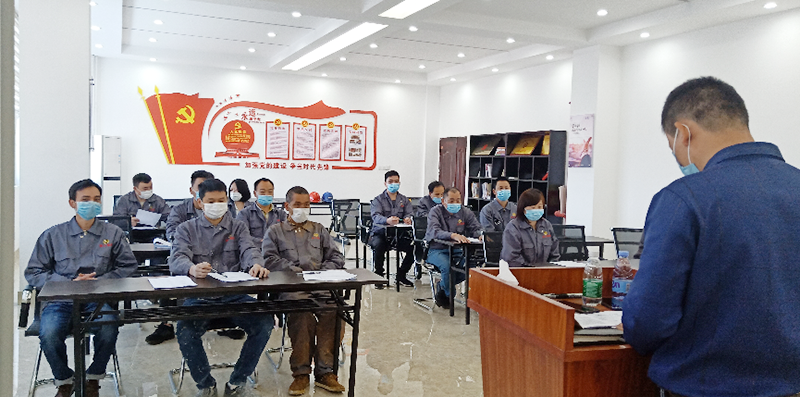
ServiceSince its establishment, we have always adhered to the service philosophy of "being close, caring, full lifecycle, and full value chain".
-
Contact UsCorporate Honors We provide our customers not only with advantageous products, technologies, and services, but also with a comprehensive solution to meet diverse needs, thereby continuously creating value for customers and he


Online Inquiry

JINGONG
NEWS
The Ultimate Guide to Choosing the Right Compaction Wheel for Your Mini Excavator
TIME:2023-11-23 11:00
Table of Contents
1. Introduction to Compaction Wheels
1.1 What is a Compaction Wheel?
2. Benefits of Using a Compaction Wheel
2.1 Increased Efficiency
2.2 Improved Soil Density
2.3 Versatility
3. Factors to Consider When Choosing a Compaction Wheel
3.1 Excavator Compatibility
3.2 Soil Type
3.3 Project Size and Scope
3.4 Attachments and Accessories
4. Different Types of Compaction Wheels
4.1 Pad Foot Compaction Wheel
4.2 Smooth Drum Compaction Wheel
4.3 Pneumatic Compaction Wheel
5. How to Choose the Right Size of Compaction Wheel
5.1 Consider the Excavator Weight
5.2 Assess the Project Requirements
5.3 Consult with Experts
6. Maintenance and Care Tips
6.1 Cleaning and Inspection
6.2 Lubrication
6.3 Storage
7. Frequently Asked Questions
7.1 What is the purpose of a compaction wheel?
7.2 Can I use a compaction wheel on any mini excavator?
7.3 How do I know if I need a pad foot or smooth drum compaction wheel?
7.4 Are there any safety precautions when using a compaction wheel?
7.5 Can I use a compaction wheel for different soil types?
8. Conclusion
1. Introduction to Compaction Wheels
Compaction wheels are essential attachments for mini excavators used in various construction projects. These specially designed wheels are used to compact soil, sand, and other materials, ensuring proper stability and preventing settlement issues. In this comprehensive guide, we will delve into the world of compaction wheels, helping you choose the perfect one for your mini excavator.
2. Benefits of Using a Compaction Wheel
2.1 Increased Efficiency
Using a compaction wheel significantly improves the efficiency of your mini excavator. The wheel's design allows for maximum coverage and compaction in a single pass, saving you time and energy.
2.2 Improved Soil Density
Compaction wheels exert consistent pressure on the soil, increasing its density and ensuring better stability. The compacted soil can withstand heavy loads, reducing the risk of settlement issues.
2.3 Versatility
Compaction wheels are versatile attachments that can be used for a wide range of applications. From preparing building foundations to compacting trenches, these wheels offer unparalleled versatility in construction projects.
3. Factors to Consider When Choosing a Compaction Wheel
3.1 Excavator Compatibility
Before selecting a compaction wheel, it is important to ensure compatibility with your mini excavator. Consider the weight capacity, hydraulic requirements, and attachment compatibility of your machine to choose the right wheel.
3.2 Soil Type
Different compaction wheels are designed for specific soil types. Understanding the soil conditions of your project site is crucial in determining the type of wheel that will deliver optimal compaction results.
3.3 Project Size and Scope
The size and scope of your construction project play a vital role in selecting the right compaction wheel. Evaluate the area to be compacted, the depth of compaction required, and the overall project timeline to make an informed choice.
3.4 Attachments and Accessories
Consider any additional attachments or accessories you may need for your compaction wheel, such as water sprinkler systems for moistening the soil during compaction. These add-ons can enhance the performance and efficiency of your compaction wheel.
4. Different Types of Compaction Wheels
4.1 Pad Foot Compaction Wheel
Pad foot compaction wheels are ideal for compacting cohesive soils, such as clay or silt. The pad feet on the wheel penetrate the soil, providing deep compaction and preventing slippage.
4.2 Smooth Drum Compaction Wheel
Smooth drum compaction wheels are best suited for granular soils, like sand or gravel. They offer a smooth and even compaction surface, perfect for achieving uniform density.
4.3 Pneumatic Compaction Wheel
Pneumatic compaction wheels use air pressure to compact the soil. These wheels are suitable for loose and fine-grained soils, providing excellent compaction without excessive weight.
5. How to Choose the Right Size of Compaction Wheel
5.1 Consider the Excavator Weight
The weight of your mini excavator is a crucial factor in determining the size of the compaction wheel. Ensure that the wheel you choose matches the weight capacity of your machine for optimal performance.
5.2 Assess the Project Requirements
Evaluate the specific requirements of your project, such as the desired compaction depth and the area to be compacted. This information will help you select the appropriate size of the compaction wheel.
5.3 Consult with Experts
Seek advice from industry experts or consult with the manufacturer to ensure you choose the right size of the compaction wheel. Their knowledge and experience can guide you towards the best option for your mini excavator.
6. Maintenance and Care Tips
6.1 Cleaning and Inspection
Regularly clean and inspect your compaction wheel to remove any debris or buildup. Check for any signs of wear or damage and address them promptly to maintain optimal performance.
6.2 Lubrication
Proper lubrication of moving parts is essential to prevent friction and ensure smooth operation. Follow the manufacturer's guidelines for lubrication intervals and use high-quality lubricants.
6.3 Storage
Store your compaction wheel in a clean and dry environment to prevent rust and other damage. Use proper storage techniques to prolong the lifespan of your attachment.
7. Frequently Asked Questions
7.1 What is the purpose of a compaction wheel?
Compaction wheels are used to compact soil, sand, or other materials to ensure stability and prevent settlement issues in construction projects.
7.2 Can I use a compaction wheel on any mini excavator?
Compaction wheels are designed for specific mini excavator models. Ensure compatibility with your machine's weight capacity, hydraulic requirements, and attachment compatibility.
7.3 How do I know if I need a pad foot or smooth drum compaction wheel?
Choose a pad foot compaction wheel for cohesive soils like clay or silt, and a smooth drum compaction wheel for granular soils like sand or gravel.
7.4 Are there any safety precautions when using a compaction wheel?
Always follow safety guidelines provided by the manufacturer. Wear appropriate personal protective equipment and ensure proper training before operating a compaction wheel.
7.5 Can I use a compaction wheel for different soil types?
Compaction wheels are designed for specific soil types, so it is important to choose the right type of wheel for optimal compaction results.
8. Conclusion
Choosing the right compaction wheel for your mini excavator is crucial for achieving efficient and effective soil compaction. Consider factors such as excavator compatibility, soil type, project requirements, and wheel type to make an informed decision. Regular maintenance and proper care will ensure the longevity and reliability of your compaction wheel. With the knowledge and insights provided in this guide, you are well-equipped to select the perfect compaction wheel for your construction projects.
Related News
Contact Us
No. 88, Pan Cuo, Jiaonan Village, Heshizhen, Luojiang District, Quanzhou City, Fujian Province


