
-
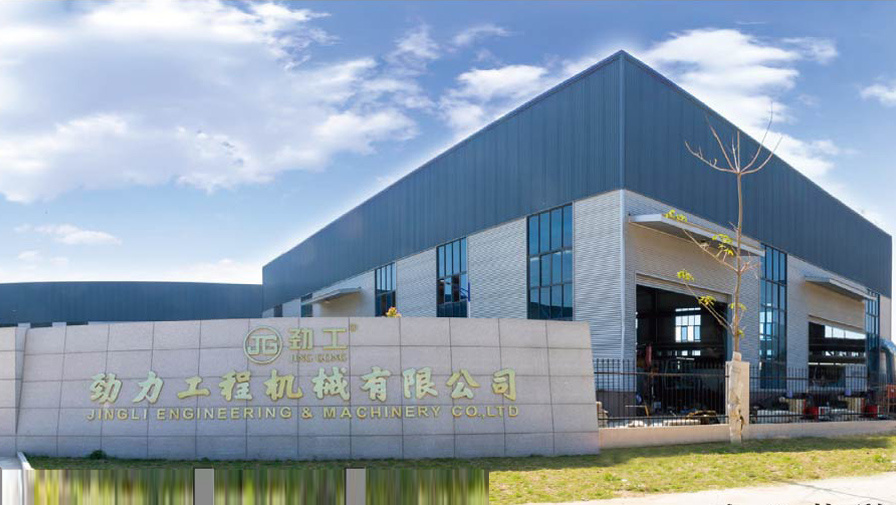
About UsQuanzhou Jinli Engineering Machinery Co., Ltd., established in July 2006, is a professional manufacturer specializing in design, development, production, and sales of equipment machinery.
-
ProductsConstruction machinery: tire excavator, crawler excavator; Forestry machinery: bamboo and wood (sugarcane) picking and loading machines, multifunctional transfer machines; Harvesting machinery: whole rod sugarcane combine har
-
NewsJinggong adheres to the business philosophy of "technology supporting enterprises, quality bearing heavy trust", constantly develops new products guided by market demand, and presents satisfactory products to our customers.

-
ServiceSince its establishment, we have always adhered to the service philosophy of "being close, caring, full lifecycle, and full value chain".

-
Contact UsCorporate Honors We provide our customers not only with advantageous products, technologies, and services, but also with a comprehensive solution to meet diverse needs, thereby continuously creating value for customers and he


Online Inquiry

JINGONG
NEWS
Exploring the Versatility of Wheeled Excavators in Different Industries
TIME:2023-11-24 11:00
Table of Contents:
1. Introduction
2. Understanding Wheeled Excavators
3. Advantages of Wheeled Excavators
4. Applications in Construction Industry
4.1 Enhanced Mobility on Construction Sites
4.2 Excavation and Digging Capabilities
4.3 Efficient Material Handling
5. Utilization in Mining Sector
5.1 Adaptability to Rough Terrains
5.2 Reliable Earthmoving Performance
5.3 Versatile Attachment Options for Mining Operations
6. Expanding Applications in Forestry
6.1 Precision Logging and Tree Clearing
6.2 Minimizing Environmental Impact
6.3 Versatility in Terrain Exploration
7. Agricultural Applications
7.1 Efficient Land Preparation and Clearing
7.2 Irrigation and Drainage System Installation
7.3 Easy Transportation and Maneuverability
8. Versatility in Utility and Road Works
8.1 Trenching and Pipe Laying
8.2 Road Construction and Maintenance
8.3 Effective Snow Removal Operations
9. Frequently Asked Questions
9.1 How do wheeled excavators differ from tracked excavators?
9.2 Can wheeled excavators handle heavy-duty tasks?
9.3 Are wheeled excavators suitable for urban construction sites?
9.4 What are the maintenance requirements for wheeled excavators?
9.5 Are there any safety considerations when operating wheeled excavators?
10. Conclusion
Introduction:
Wheeled excavators have emerged as a versatile solution in various industries, offering unparalleled mobility, efficiency, and adaptability. This article aims to shed light on the extensive applications of wheeled excavators, highlighting their benefits and exploring how they have revolutionized different sectors.
Understanding Wheeled Excavators:
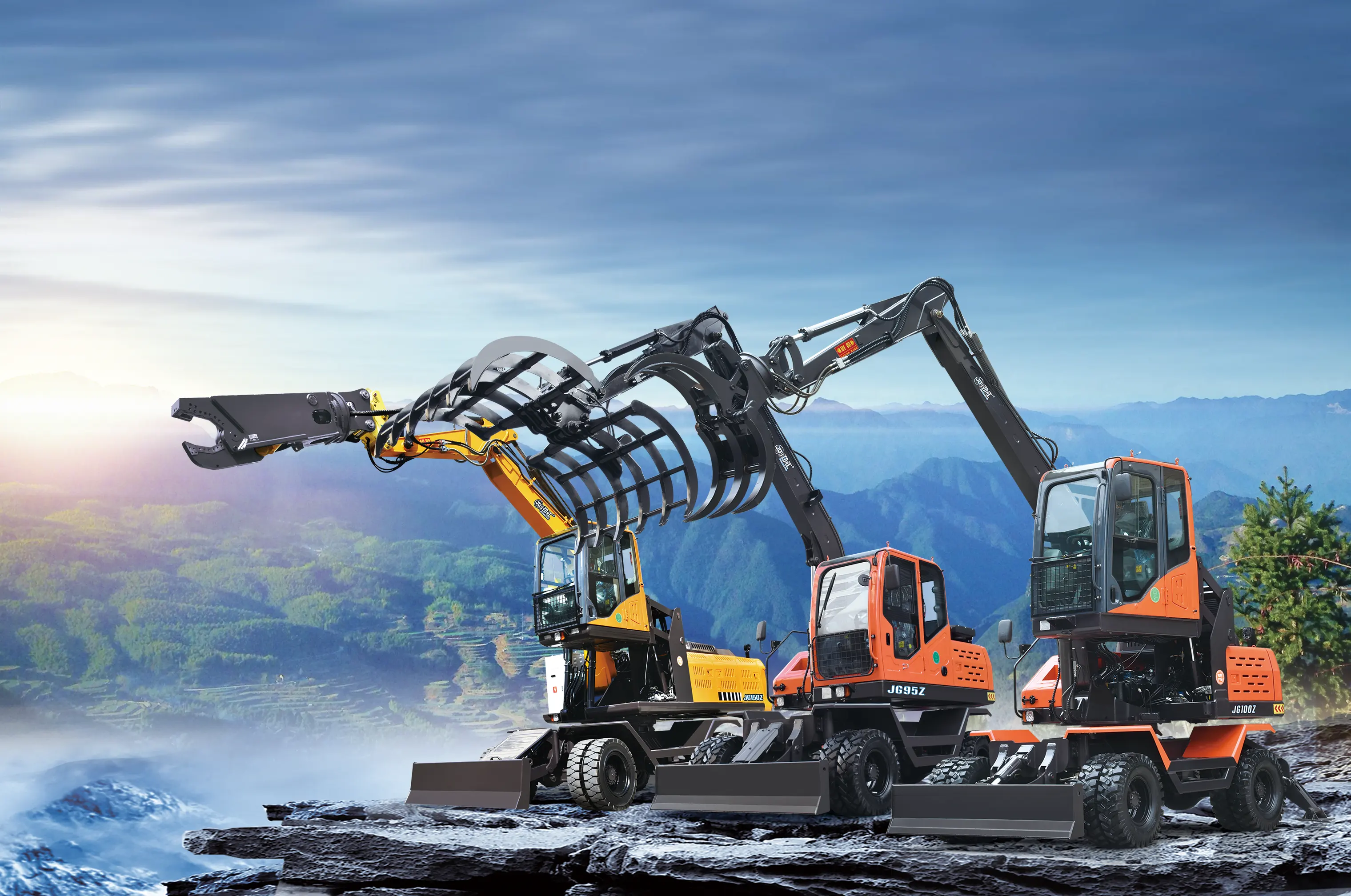
Wheeled excavators are heavy-duty machines equipped with a set of wheels instead of tracks. They are built with powerful engines, hydraulic systems, and a range of attachments that enable them to perform diverse tasks. These machines combine the capabilities of traditional excavators with the added advantage of mobility.
Advantages of Wheeled Excavators:
The use of wheeled excavators brings numerous advantages to industries. Their mobility allows for easier transportation between job sites, saving time and resources. Wheeled excavators also offer higher speed on roads, ensuring prompt response to project requirements. Additionally, their versatility in maneuvering tight spaces and uneven terrains makes them a preferred choice for various applications.
Applications in Construction Industry:
4.1 Enhanced Mobility on Construction Sites:
Wheeled excavators excel in construction projects, where frequent relocation is required. Their ability to move swiftly on roads and within construction sites enhances overall efficiency. With quick and easy transportation, these machines eliminate the need for additional transport vehicles.
4.2 Excavation and Digging Capabilities:
Equipped with powerful hydraulic systems, wheeled excavators have exceptional digging capabilities. They can efficiently excavate foundations, trenches, and basements, enabling smooth construction progress. Their stability and precision contribute to accurate digging and grading.
4.3 Efficient Material Handling:
Wheeled excavators are equipped with versatile attachments such as buckets, grapples, and forks, allowing for efficient material handling. They can load, transport, and deposit materials, reducing the need for manual labor and streamlining construction processes.
Utilization in Mining Sector:
5.1 Adaptability to Rough Terrains:
In the mining industry, wheeled excavators offer exceptional adaptability to different terrains. Their robust design and tire-based mobility enable them to traverse challenging landscapes, including soft soils and rocky surfaces. This adaptability enhances productivity and reduces downtime.
5.2 Reliable Earthmoving Performance:
Wheeled excavators are highly effective in earthmoving operations, allowing for efficient removal of overburden and excavation of minerals. With their powerful engines and durable construction, these machines deliver consistent performance in demanding mining environments.
5.3 Versatile Attachment Options for Mining Operations:
The versatility of wheeled excavators is further amplified through a wide range of attachments suitable for mining applications. These attachments include rock breakers, ripper teeth, and specialized buckets, enabling tasks such as drilling, crushing, and hauling in mining operations.
Expanding Applications in Forestry:
6.1 Precision Logging and Tree Clearing:
Wheeled excavators have found their way into the forestry industry due to their precise and controlled operation. With attachments like grapples and mulchers, they can selectively remove trees and clear land for timber harvesting without causing extensive damage to the surrounding environment.
6.2 Minimizing Environmental Impact:
Forestry operations require careful consideration of environmental impact. Wheeled excavators offer low ground pressure and minimal disturbance to the forest floor, reducing soil erosion and preserving the ecosystem. Their mobility allows operators to access remote areas without the need for extensive clearing.
6.3 Versatility in Terrain Exploration:
The forestry industry often involves exploring difficult terrains for potential timber resources. Wheeled excavators can maneuver through uneven landscapes, traverse slopes, and cross streams, aiding in the exploration and mapping of forestry areas.
Agricultural Applications:
7.1 Efficient Land Preparation and Clearing:
Wheeled excavators are well-suited for land preparation and clearing tasks in the agricultural sector. They can remove vegetation, level the ground, and create irrigation channels, facilitating efficient land use for crop cultivation.
7.2 Irrigation and Drainage System Installation:
The installation of irrigation and drainage systems is crucial in agriculture. Wheeled excavators, equipped with specialized attachments, can dig trenches and create channels for water management, ensuring optimal irrigation and drainage for crops.
7.3 Easy Transportation and Maneuverability:
With their mobility and high-speed capabilities, wheeled excavators provide a convenient solution for agricultural operations. They can be easily transported between fields, enabling quick response to changing requirements and reducing downtime.
Versatility in Utility and Road Works:
8.1 Trenching and Pipe Laying:
Wheeled excavators prove indispensable in utility works, such as trenching and pipe laying. Their precise control and maneuverability enable accurate excavation and installation of underground utilities, ensuring efficient and reliable infrastructure development.
8.2 Road Construction and Maintenance:
Road construction and maintenance projects require versatile machinery that can handle diverse tasks. Wheeled excavators excel in tasks like grading, leveling, and compacting, contributing to the efficient construction and maintenance of roads.
8.3 Effective Snow Removal Operations:
In regions experiencing harsh winters, wheeled excavators play a vital role in snow removal operations. Equipped with snowplow attachments, these machines efficiently clear roads, parking lots, and sidewalks, ensuring safe passage for vehicles and pedestrians.
Frequently Asked Questions:
9.1 How do wheeled excavators differ from tracked excavators?
Wheeled excavators use wheels for mobility, providing higher speed and easier transportation on roads. Tracked excavators, on the other hand, utilize tracks for stability and enhanced maneuverability on rough terrains.
9.2 Can wheeled excavators handle heavy-duty tasks?
Yes, wheeled excavators are designed to handle heavy-duty tasks. They have powerful engines, robust construction, and versatile attachments that enable them to perform tasks such as digging, lifting, and material handling in various industries.
9.3 Are wheeled excavators suitable for urban construction sites?
Wheeled excavators are highly suitable for urban construction sites due to their mobility and efficient transportation. They can maneuver through narrow streets, allowing for easy access to job sites in congested areas.
9.4 What are the maintenance requirements for wheeled excavators?
Regular maintenance is essential to ensure the optimal performance and longevity of wheeled excavators. Maintenance tasks include checking fluid levels, inspecting hydraulic systems, and greasing moving parts. It is recommended to follow the manufacturer's guidelines for maintenance intervals and procedures.
9.5 Are there any safety considerations when operating wheeled excavators?
Operating wheeled excavators requires adherence to strict safety protocols. Operators should receive proper training, wear appropriate personal protective equipment, and follow industry-standard safety guidelines. Regular equipment inspections and adherence to safe operating practices are essential to prevent accidents and ensure operator safety.
Conclusion:
The versatility of wheeled excavators has transformed various industries, offering enhanced productivity, mobility, and adaptability. From construction projects to mining operations, forestry activities to agricultural tasks, and utility works to road maintenance, these machines have become indispensable in achieving efficient and successful outcomes. By harnessing the power of wheeled excavators, industries can unlock new possibilities and push the boundaries of what can be achieved in diverse applications.
1. Introduction
2. Understanding Wheeled Excavators
3. Advantages of Wheeled Excavators
4. Applications in Construction Industry
4.1 Enhanced Mobility on Construction Sites
4.2 Excavation and Digging Capabilities
4.3 Efficient Material Handling
5. Utilization in Mining Sector
5.1 Adaptability to Rough Terrains
5.2 Reliable Earthmoving Performance
5.3 Versatile Attachment Options for Mining Operations
6. Expanding Applications in Forestry
6.1 Precision Logging and Tree Clearing
6.2 Minimizing Environmental Impact
6.3 Versatility in Terrain Exploration
7. Agricultural Applications
7.1 Efficient Land Preparation and Clearing
7.2 Irrigation and Drainage System Installation
7.3 Easy Transportation and Maneuverability
8. Versatility in Utility and Road Works
8.1 Trenching and Pipe Laying
8.2 Road Construction and Maintenance
8.3 Effective Snow Removal Operations
9. Frequently Asked Questions
9.1 How do wheeled excavators differ from tracked excavators?
9.2 Can wheeled excavators handle heavy-duty tasks?
9.3 Are wheeled excavators suitable for urban construction sites?
9.4 What are the maintenance requirements for wheeled excavators?
9.5 Are there any safety considerations when operating wheeled excavators?
10. Conclusion
Introduction:
Wheeled excavators have emerged as a versatile solution in various industries, offering unparalleled mobility, efficiency, and adaptability. This article aims to shed light on the extensive applications of wheeled excavators, highlighting their benefits and exploring how they have revolutionized different sectors.
Understanding Wheeled Excavators:
Wheeled excavators are heavy-duty machines equipped with a set of wheels instead of tracks. They are built with powerful engines, hydraulic systems, and a range of attachments that enable them to perform diverse tasks. These machines combine the capabilities of traditional excavators with the added advantage of mobility.
Advantages of Wheeled Excavators:
The use of wheeled excavators brings numerous advantages to industries. Their mobility allows for easier transportation between job sites, saving time and resources. Wheeled excavators also offer higher speed on roads, ensuring prompt response to project requirements. Additionally, their versatility in maneuvering tight spaces and uneven terrains makes them a preferred choice for various applications.
Applications in Construction Industry:
4.1 Enhanced Mobility on Construction Sites:
Wheeled excavators excel in construction projects, where frequent relocation is required. Their ability to move swiftly on roads and within construction sites enhances overall efficiency. With quick and easy transportation, these machines eliminate the need for additional transport vehicles.
4.2 Excavation and Digging Capabilities:
Equipped with powerful hydraulic systems, wheeled excavators have exceptional digging capabilities. They can efficiently excavate foundations, trenches, and basements, enabling smooth construction progress. Their stability and precision contribute to accurate digging and grading.
4.3 Efficient Material Handling:
Wheeled excavators are equipped with versatile attachments such as buckets, grapples, and forks, allowing for efficient material handling. They can load, transport, and deposit materials, reducing the need for manual labor and streamlining construction processes.
Utilization in Mining Sector:
5.1 Adaptability to Rough Terrains:
In the mining industry, wheeled excavators offer exceptional adaptability to different terrains. Their robust design and tire-based mobility enable them to traverse challenging landscapes, including soft soils and rocky surfaces. This adaptability enhances productivity and reduces downtime.
5.2 Reliable Earthmoving Performance:
Wheeled excavators are highly effective in earthmoving operations, allowing for efficient removal of overburden and excavation of minerals. With their powerful engines and durable construction, these machines deliver consistent performance in demanding mining environments.
5.3 Versatile Attachment Options for Mining Operations:
The versatility of wheeled excavators is further amplified through a wide range of attachments suitable for mining applications. These attachments include rock breakers, ripper teeth, and specialized buckets, enabling tasks such as drilling, crushing, and hauling in mining operations.
Expanding Applications in Forestry:
6.1 Precision Logging and Tree Clearing:
Wheeled excavators have found their way into the forestry industry due to their precise and controlled operation. With attachments like grapples and mulchers, they can selectively remove trees and clear land for timber harvesting without causing extensive damage to the surrounding environment.
6.2 Minimizing Environmental Impact:
Forestry operations require careful consideration of environmental impact. Wheeled excavators offer low ground pressure and minimal disturbance to the forest floor, reducing soil erosion and preserving the ecosystem. Their mobility allows operators to access remote areas without the need for extensive clearing.
6.3 Versatility in Terrain Exploration:
The forestry industry often involves exploring difficult terrains for potential timber resources. Wheeled excavators can maneuver through uneven landscapes, traverse slopes, and cross streams, aiding in the exploration and mapping of forestry areas.
Agricultural Applications:
7.1 Efficient Land Preparation and Clearing:
Wheeled excavators are well-suited for land preparation and clearing tasks in the agricultural sector. They can remove vegetation, level the ground, and create irrigation channels, facilitating efficient land use for crop cultivation.
7.2 Irrigation and Drainage System Installation:
The installation of irrigation and drainage systems is crucial in agriculture. Wheeled excavators, equipped with specialized attachments, can dig trenches and create channels for water management, ensuring optimal irrigation and drainage for crops.
7.3 Easy Transportation and Maneuverability:
With their mobility and high-speed capabilities, wheeled excavators provide a convenient solution for agricultural operations. They can be easily transported between fields, enabling quick response to changing requirements and reducing downtime.
Versatility in Utility and Road Works:
8.1 Trenching and Pipe Laying:
Wheeled excavators prove indispensable in utility works, such as trenching and pipe laying. Their precise control and maneuverability enable accurate excavation and installation of underground utilities, ensuring efficient and reliable infrastructure development.
8.2 Road Construction and Maintenance:
Road construction and maintenance projects require versatile machinery that can handle diverse tasks. Wheeled excavators excel in tasks like grading, leveling, and compacting, contributing to the efficient construction and maintenance of roads.
8.3 Effective Snow Removal Operations:
In regions experiencing harsh winters, wheeled excavators play a vital role in snow removal operations. Equipped with snowplow attachments, these machines efficiently clear roads, parking lots, and sidewalks, ensuring safe passage for vehicles and pedestrians.
Frequently Asked Questions:
9.1 How do wheeled excavators differ from tracked excavators?
Wheeled excavators use wheels for mobility, providing higher speed and easier transportation on roads. Tracked excavators, on the other hand, utilize tracks for stability and enhanced maneuverability on rough terrains.
9.2 Can wheeled excavators handle heavy-duty tasks?
Yes, wheeled excavators are designed to handle heavy-duty tasks. They have powerful engines, robust construction, and versatile attachments that enable them to perform tasks such as digging, lifting, and material handling in various industries.
9.3 Are wheeled excavators suitable for urban construction sites?
Wheeled excavators are highly suitable for urban construction sites due to their mobility and efficient transportation. They can maneuver through narrow streets, allowing for easy access to job sites in congested areas.
9.4 What are the maintenance requirements for wheeled excavators?
Regular maintenance is essential to ensure the optimal performance and longevity of wheeled excavators. Maintenance tasks include checking fluid levels, inspecting hydraulic systems, and greasing moving parts. It is recommended to follow the manufacturer's guidelines for maintenance intervals and procedures.
9.5 Are there any safety considerations when operating wheeled excavators?
Operating wheeled excavators requires adherence to strict safety protocols. Operators should receive proper training, wear appropriate personal protective equipment, and follow industry-standard safety guidelines. Regular equipment inspections and adherence to safe operating practices are essential to prevent accidents and ensure operator safety.
Conclusion:
The versatility of wheeled excavators has transformed various industries, offering enhanced productivity, mobility, and adaptability. From construction projects to mining operations, forestry activities to agricultural tasks, and utility works to road maintenance, these machines have become indispensable in achieving efficient and successful outcomes. By harnessing the power of wheeled excavators, industries can unlock new possibilities and push the boundaries of what can be achieved in diverse applications.
Related News
Contact Us
No. 88, Pan Cuo, Jiaonan Village, Heshizhen, Luojiang District, Quanzhou City, Fujian Province


