
-
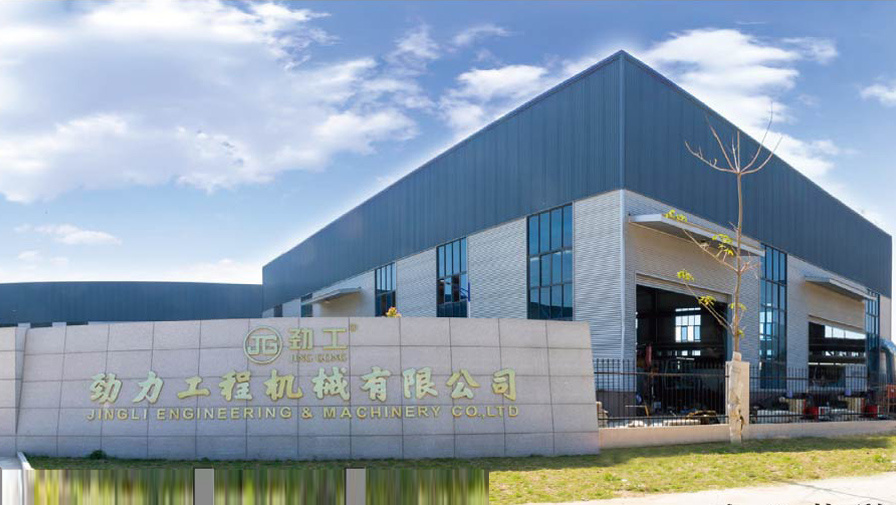
About UsQuanzhou Jinli Engineering Machinery Co., Ltd., established in July 2006, is a professional manufacturer specializing in design, development, production, and sales of equipment machinery.
-
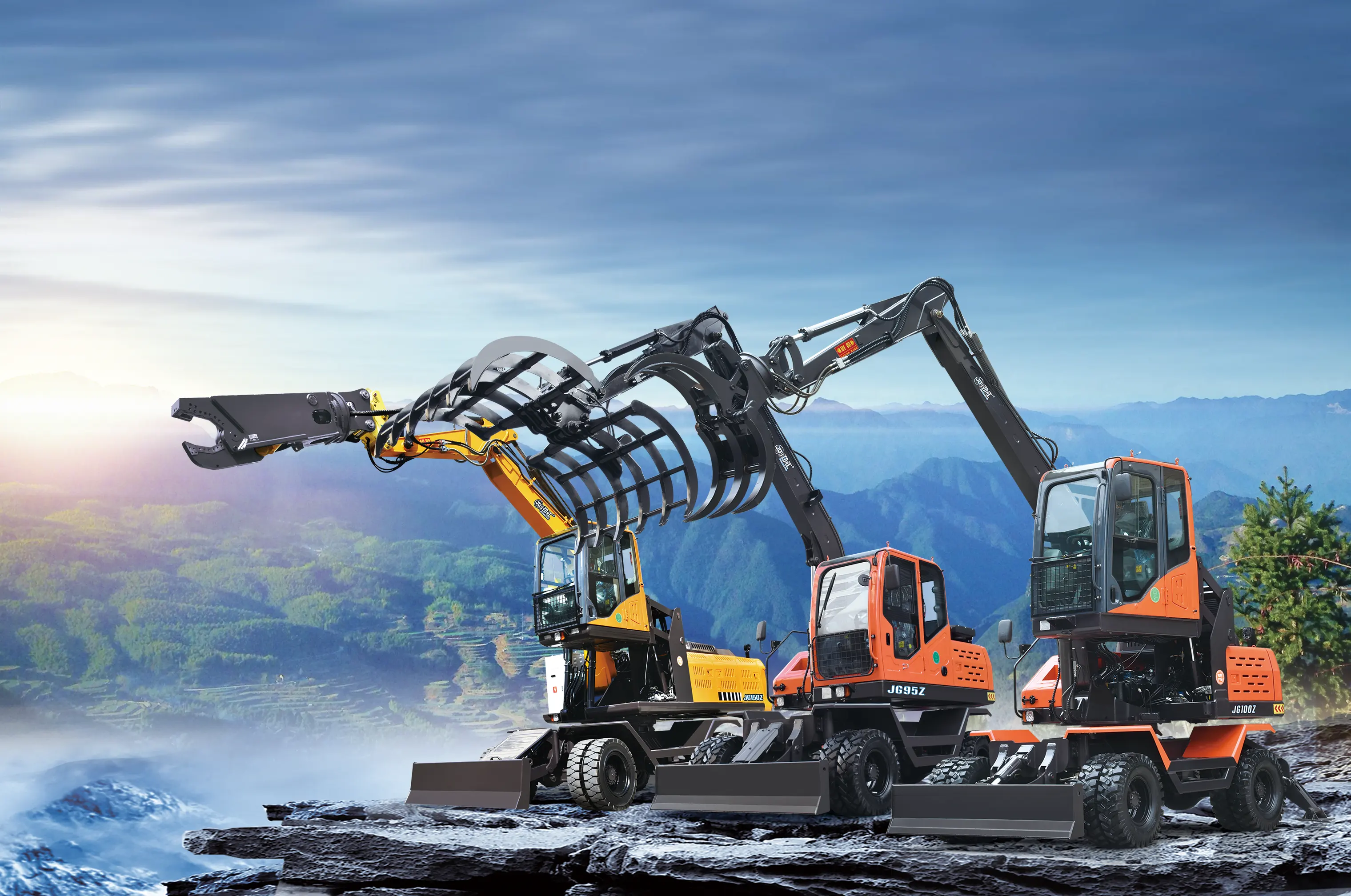
ProductsConstruction machinery: tire excavator, crawler excavator; Forestry machinery: bamboo and wood (sugarcane) picking and loading machines, multifunctional transfer machines; Harvesting machinery: whole rod sugarcane combine har
-
NewsJinggong adheres to the business philosophy of "technology supporting enterprises, quality bearing heavy trust", constantly develops new products guided by market demand, and presents satisfactory products to our customers.

-
ServiceSince its establishment, we have always adhered to the service philosophy of "being close, caring, full lifecycle, and full value chain".

-
Contact UsCorporate Honors We provide our customers not only with advantageous products, technologies, and services, but also with a comprehensive solution to meet diverse needs, thereby continuously creating value for customers and he


Online Inquiry

JINGONG
NEWS
Boost Your Excavator's Efficiency with the Latest Compaction Wheel
TIME:2023-12-01 09:20
Table of Contents:
1. Introduction: Unleashing Excavator's Potential with Compaction Wheels
2. Understanding the Latest Compaction Wheel Technology
2.1 Advancements in Design and Construction
2.2 High-Quality Materials and Durability
2.3 Cutting-Edge Features and Functions
3. The Benefits of Utilizing Compaction Wheels for Excavators
3.1 Improved Soil Compaction Efficiency
3.2 Enhanced Stability and Traction
3.3 Time and Cost Savings
3.4 Versatile Applications in Various Industries
4. How to Choose the Right Compaction Wheel for Your Excavator
4.1 Considering Excavator Specifications and Size
4.2 Identifying Project Requirements and Soil Conditions
4.3 Evaluating Maintenance and Serviceability
5. Common FAQs About Compaction Wheels for Excavators
5.1 What is a compaction wheel?
5.2 How does a compaction wheel work?
5.3 Can a compaction wheel be used on any soil type?
5.4 Are there different sizes available for compaction wheels?
5.5 How often does a compaction wheel need maintenance?
6. Conclusion: Maximizing Excavator Efficiency with the Latest Compaction Wheel Technology
1. Introduction: Unleashing Excavator's Potential with Compaction Wheels
Excavators are essential machines in the construction and engineering industry, capable of performing a wide range of tasks. However, to extract the maximum potential from these powerful machines, it is crucial to equip them with the latest technological advancements. One such innovation is the compaction wheel, which revolutionizes the efficiency and productivity of excavators in various construction projects.
2. Understanding the Latest Compaction Wheel Technology
2.1 Advancements in Design and Construction
The latest compaction wheels boast cutting-edge design and construction techniques that enhance their performance. Manufacturers employ state-of-the-art engineering to ensure durability, strength, and reliability in these attachments. The use of high-quality materials and precision manufacturing techniques results in compaction wheels that can withstand heavy-duty applications.
2.2 High-Quality Materials and Durability
Compaction wheels are typically constructed using high-strength steel or alloy materials, ensuring their ability to withstand intense pressure and harsh operating conditions. The latest technology enables manufacturers to create compaction wheels that are more durable, long-lasting, and resistant to wear and tear.
2.3 Cutting-Edge Features and Functions
The latest compaction wheels come equipped with advanced features and functions that optimize their efficiency and ease of use. These features may include adjustable weights, automatic vibration control, and versatile compaction settings. Such enhancements enable operators to adapt the compaction wheel's performance to different soil types and project requirements, ultimately improving overall productivity.
3. The Benefits of Utilizing Compaction Wheels for Excavators
3.1 Improved Soil Compaction Efficiency
Compaction wheels excel at compacting soil, ensuring optimal compaction density for various construction projects. The heavy, rotating drum of the compaction wheel applies pressure to the soil, compacting it effectively and reducing the chances of future settlement or instability. This results in a solid foundation for structures and improved overall project quality.
3.2 Enhanced Stability and Traction
By compacting the soil, compaction wheels significantly improve the stability and traction of the excavator. This allows operators to maneuver the machine with greater control and confidence, even in challenging terrain. The enhanced stability and traction contribute to increased safety and efficiency during excavation operations.
3.3 Time and Cost Savings
Efficiency is a crucial factor in the construction industry, and compaction wheels play a pivotal role in saving both time and costs. With their ability to compact soil effectively, projects can be completed more quickly, reducing labor requirements and associated expenses. Additionally, the improved stability and traction minimize the risk of delays caused by soil instability or inadequate compaction.
3.4 Versatile Applications in Various Industries
Compaction wheels find applications in a wide range of industries, including road construction, building foundations, pipeline installation, and landscaping. Their versatility makes them indispensable attachments for excavators, providing solutions for diverse soil compaction needs across different projects.
4. How to Choose the Right Compaction Wheel for Your Excavator
4.1 Considering Excavator Specifications and Size
When selecting a compaction wheel, it is essential to consider the specifications and size of your excavator. Different excavator models have varying weight capacities and hydraulic flow requirements. Choosing a compaction wheel that matches your machine's specifications ensures optimal performance and compatibility.
4.2 Identifying Project Requirements and Soil Conditions
Understanding the specific requirements of your construction project and the soil conditions you will encounter is crucial in selecting the right compaction wheel. Factors such as soil type, compaction depth, and desired compaction density play a role in determining the ideal compaction wheel design, size, and features.
4.3 Evaluating Maintenance and Serviceability
Maintenance and serviceability are vital aspects to consider when choosing a compaction wheel. Opt for a manufacturer that offers excellent after-sales support and readily available spare parts. Additionally, choose a compaction wheel design that allows for easy access and maintenance, reducing downtime and ensuring smooth operation throughout the project.
5. Common FAQs About Compaction Wheels for Excavators
5.1 What is a compaction wheel?
A compaction wheel is an attachment designed to be mounted on an excavator. It consists of a heavy drum with protrusions or feet that compact soil through the weight and rotational motion of the wheel.
5.2 How does a compaction wheel work?
The compaction wheel attaches to the excavator's arm or boom and is hydraulically powered. When in operation, the wheel's rotating motion and weight apply pressure to the soil, compacting it efficiently.
5.3 Can a compaction wheel be used on any soil type?
Compaction wheels can be used on various soil types, including clay, sand, gravel, and cohesive soils. However, certain compaction wheel designs may be more suitable for specific soil conditions. It is essential to match the compaction wheel to the soil type for optimal results.
5.4 Are there different sizes available for compaction wheels?
Yes, compaction wheels come in various sizes and configurations to accommodate different excavator models and project requirements. It is crucial to select the appropriate size based on your excavator's specifications and the scale of your project.
5.5 How often does a compaction wheel need maintenance?
The maintenance requirements for compaction wheels can vary based on usage, operating conditions, and manufacturer recommendations. However, regular inspection, lubrication, and cleaning are typically necessary to ensure optimal performance and longevity.
6. Conclusion: Maximizing Excavator Efficiency with the Latest Compaction Wheel Technology
In conclusion, incorporating the latest compaction wheel technology into your excavator operations can greatly enhance efficiency, productivity, and overall project success. The advanced features, durability, and versatility of these attachments enable you to achieve optimal soil compaction, stability, and traction. By carefully selecting the right compaction wheel for your excavator and project requirements, you can unlock the full potential of your machine and surpass your construction goals. Embrace the power of the latest compaction wheel technology and elevate your excavator's performance to new heights.
1. Introduction: Unleashing Excavator's Potential with Compaction Wheels
2. Understanding the Latest Compaction Wheel Technology
2.1 Advancements in Design and Construction
2.2 High-Quality Materials and Durability
2.3 Cutting-Edge Features and Functions
3. The Benefits of Utilizing Compaction Wheels for Excavators
3.1 Improved Soil Compaction Efficiency
3.2 Enhanced Stability and Traction
3.3 Time and Cost Savings
3.4 Versatile Applications in Various Industries
4. How to Choose the Right Compaction Wheel for Your Excavator
4.1 Considering Excavator Specifications and Size
4.2 Identifying Project Requirements and Soil Conditions
4.3 Evaluating Maintenance and Serviceability
5. Common FAQs About Compaction Wheels for Excavators
5.1 What is a compaction wheel?
5.2 How does a compaction wheel work?
5.3 Can a compaction wheel be used on any soil type?
5.4 Are there different sizes available for compaction wheels?
5.5 How often does a compaction wheel need maintenance?
6. Conclusion: Maximizing Excavator Efficiency with the Latest Compaction Wheel Technology
1. Introduction: Unleashing Excavator's Potential with Compaction Wheels
Excavators are essential machines in the construction and engineering industry, capable of performing a wide range of tasks. However, to extract the maximum potential from these powerful machines, it is crucial to equip them with the latest technological advancements. One such innovation is the compaction wheel, which revolutionizes the efficiency and productivity of excavators in various construction projects.
2. Understanding the Latest Compaction Wheel Technology
2.1 Advancements in Design and Construction
The latest compaction wheels boast cutting-edge design and construction techniques that enhance their performance. Manufacturers employ state-of-the-art engineering to ensure durability, strength, and reliability in these attachments. The use of high-quality materials and precision manufacturing techniques results in compaction wheels that can withstand heavy-duty applications.
2.2 High-Quality Materials and Durability
Compaction wheels are typically constructed using high-strength steel or alloy materials, ensuring their ability to withstand intense pressure and harsh operating conditions. The latest technology enables manufacturers to create compaction wheels that are more durable, long-lasting, and resistant to wear and tear.
2.3 Cutting-Edge Features and Functions
The latest compaction wheels come equipped with advanced features and functions that optimize their efficiency and ease of use. These features may include adjustable weights, automatic vibration control, and versatile compaction settings. Such enhancements enable operators to adapt the compaction wheel's performance to different soil types and project requirements, ultimately improving overall productivity.
3. The Benefits of Utilizing Compaction Wheels for Excavators
3.1 Improved Soil Compaction Efficiency
Compaction wheels excel at compacting soil, ensuring optimal compaction density for various construction projects. The heavy, rotating drum of the compaction wheel applies pressure to the soil, compacting it effectively and reducing the chances of future settlement or instability. This results in a solid foundation for structures and improved overall project quality.
3.2 Enhanced Stability and Traction
By compacting the soil, compaction wheels significantly improve the stability and traction of the excavator. This allows operators to maneuver the machine with greater control and confidence, even in challenging terrain. The enhanced stability and traction contribute to increased safety and efficiency during excavation operations.
3.3 Time and Cost Savings
Efficiency is a crucial factor in the construction industry, and compaction wheels play a pivotal role in saving both time and costs. With their ability to compact soil effectively, projects can be completed more quickly, reducing labor requirements and associated expenses. Additionally, the improved stability and traction minimize the risk of delays caused by soil instability or inadequate compaction.
3.4 Versatile Applications in Various Industries
Compaction wheels find applications in a wide range of industries, including road construction, building foundations, pipeline installation, and landscaping. Their versatility makes them indispensable attachments for excavators, providing solutions for diverse soil compaction needs across different projects.
4. How to Choose the Right Compaction Wheel for Your Excavator
4.1 Considering Excavator Specifications and Size
When selecting a compaction wheel, it is essential to consider the specifications and size of your excavator. Different excavator models have varying weight capacities and hydraulic flow requirements. Choosing a compaction wheel that matches your machine's specifications ensures optimal performance and compatibility.
4.2 Identifying Project Requirements and Soil Conditions
Understanding the specific requirements of your construction project and the soil conditions you will encounter is crucial in selecting the right compaction wheel. Factors such as soil type, compaction depth, and desired compaction density play a role in determining the ideal compaction wheel design, size, and features.
4.3 Evaluating Maintenance and Serviceability
Maintenance and serviceability are vital aspects to consider when choosing a compaction wheel. Opt for a manufacturer that offers excellent after-sales support and readily available spare parts. Additionally, choose a compaction wheel design that allows for easy access and maintenance, reducing downtime and ensuring smooth operation throughout the project.
5. Common FAQs About Compaction Wheels for Excavators
5.1 What is a compaction wheel?
A compaction wheel is an attachment designed to be mounted on an excavator. It consists of a heavy drum with protrusions or feet that compact soil through the weight and rotational motion of the wheel.
5.2 How does a compaction wheel work?
The compaction wheel attaches to the excavator's arm or boom and is hydraulically powered. When in operation, the wheel's rotating motion and weight apply pressure to the soil, compacting it efficiently.
5.3 Can a compaction wheel be used on any soil type?
Compaction wheels can be used on various soil types, including clay, sand, gravel, and cohesive soils. However, certain compaction wheel designs may be more suitable for specific soil conditions. It is essential to match the compaction wheel to the soil type for optimal results.
5.4 Are there different sizes available for compaction wheels?
Yes, compaction wheels come in various sizes and configurations to accommodate different excavator models and project requirements. It is crucial to select the appropriate size based on your excavator's specifications and the scale of your project.
5.5 How often does a compaction wheel need maintenance?
The maintenance requirements for compaction wheels can vary based on usage, operating conditions, and manufacturer recommendations. However, regular inspection, lubrication, and cleaning are typically necessary to ensure optimal performance and longevity.
6. Conclusion: Maximizing Excavator Efficiency with the Latest Compaction Wheel Technology
In conclusion, incorporating the latest compaction wheel technology into your excavator operations can greatly enhance efficiency, productivity, and overall project success. The advanced features, durability, and versatility of these attachments enable you to achieve optimal soil compaction, stability, and traction. By carefully selecting the right compaction wheel for your excavator and project requirements, you can unlock the full potential of your machine and surpass your construction goals. Embrace the power of the latest compaction wheel technology and elevate your excavator's performance to new heights.
Related News
Contact Us
No. 88, Pan Cuo, Jiaonan Village, Heshizhen, Luojiang District, Quanzhou City, Fujian Province


