
-
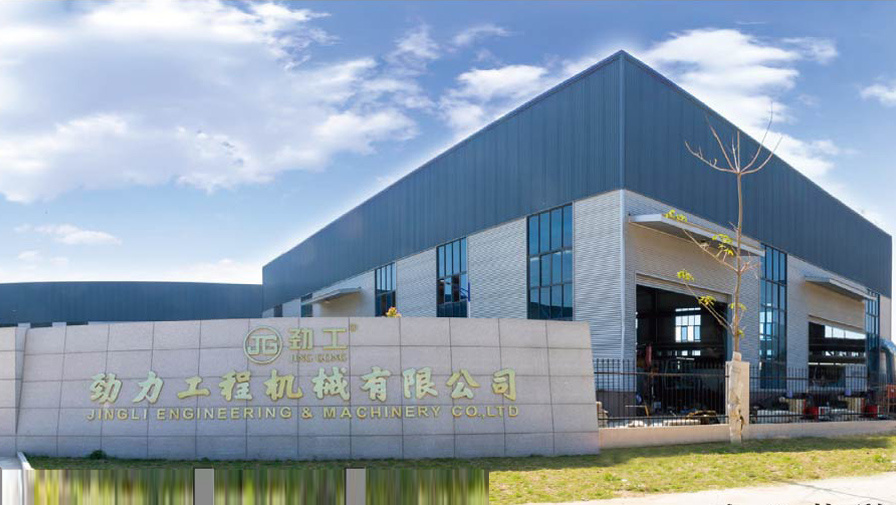
About UsQuanzhou Jinli Engineering Machinery Co., Ltd., established in July 2006, is a professional manufacturer specializing in design, development, production, and sales of equipment machinery.
-
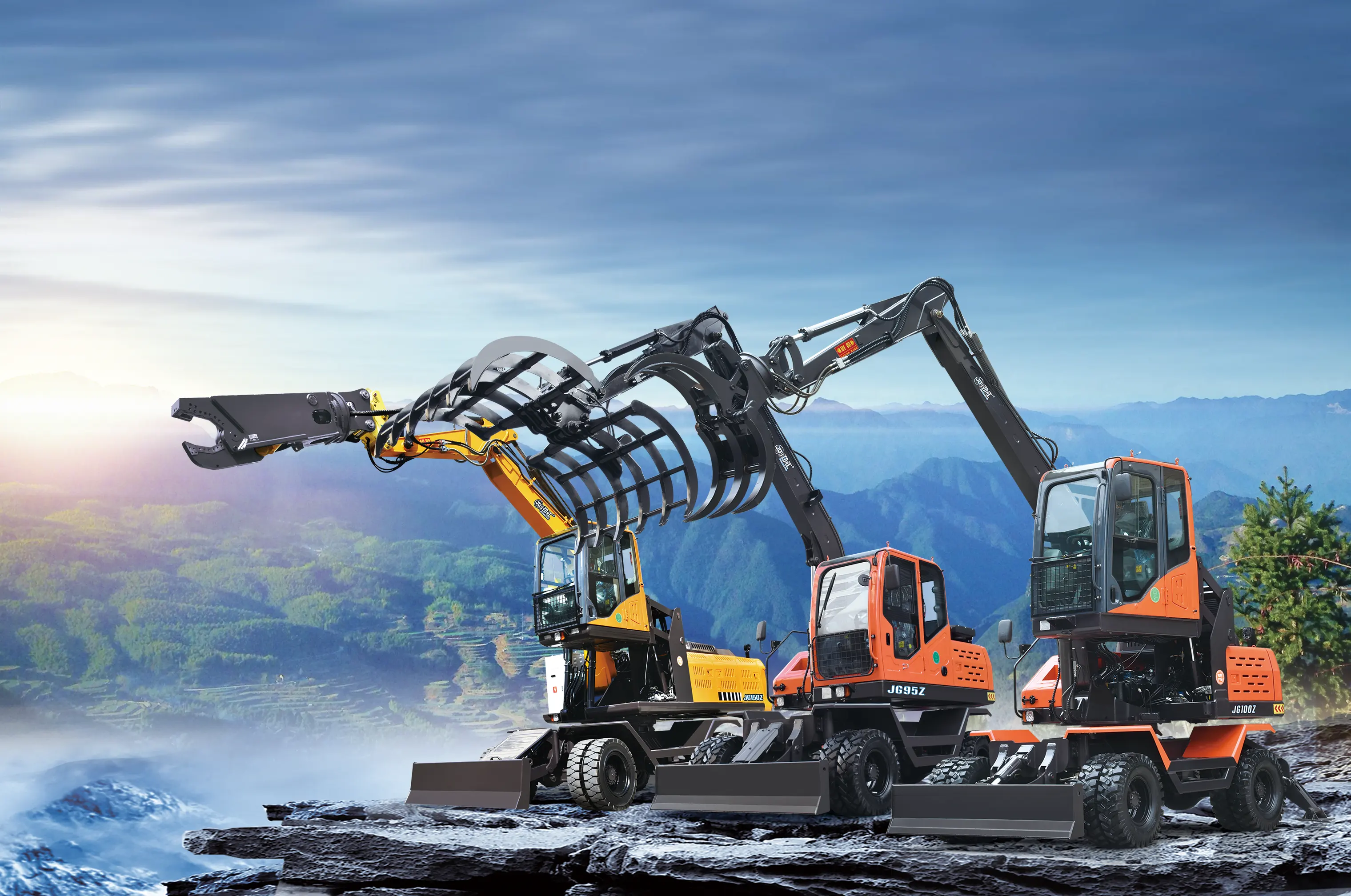
ProductsConstruction machinery: tire excavator, crawler excavator; Forestry machinery: bamboo and wood (sugarcane) picking and loading machines, multifunctional transfer machines; Harvesting machinery: whole rod sugarcane combine har
-
NewsJinggong adheres to the business philosophy of "technology supporting enterprises, quality bearing heavy trust", constantly develops new products guided by market demand, and presents satisfactory products to our customers.

-
ServiceSince its establishment, we have always adhered to the service philosophy of "being close, caring, full lifecycle, and full value chain".

-
Contact UsCorporate Honors We provide our customers not only with advantageous products, technologies, and services, but also with a comprehensive solution to meet diverse needs, thereby continuously creating value for customers and he


Online Inquiry

JINGONG
NEWS
Tips for Choosing the Perfect Hydraulic Crawler Excavator for Your Construction Projects
TIME:2023-12-06 10:20
Table of Contents:
1. Introduction
2. Understanding Hydraulic Crawler Excavators
3. Factors to Consider When Choosing a Hydraulic Crawler Excavator
3.1 Size and Weight
3.2 Digging Capacity
3.3 Bucket Capacity
3.4 Reach and Height
3.5 Engine Power
3.6 Fuel Efficiency
3.7 Additional Features and Attachments
4. Comparing Different Models
4.1 Researching Manufacturers and Brands
4.2 Evaluating Performance and Reliability
4.3 Checking Reviews and Customer Feedback
4.4 Considering Maintenance and Service Support
5. Setting a Budget
5.1 Determining the Total Cost of Ownership
5.2 Financing Options
5.3 Resale Value
6. Consulting with Experts
7. Frequently Asked Questions (FAQs)
7.1 What is the average lifespan of a hydraulic crawler excavator?
7.2 Can I use a hydraulic crawler excavator for other tasks besides digging?
7.3 How often should I conduct maintenance on my hydraulic crawler excavator?
7.4 Are there any safety precautions I should take when operating a hydraulic crawler excavator?
7.5 Can a hydraulic crawler excavator be used in different terrains?
8. Conclusion
1. Introduction
When it comes to construction projects, having the right equipment is crucial for efficiency and productivity. A hydraulic crawler excavator is a versatile machine that can handle a wide range of tasks, from digging trenches to demolishing structures. However, with numerous options available in the market, choosing the perfect excavator can be overwhelming. In this article, we will guide you through the process of selecting a high-quality hydraulic crawler excavator that meets your construction needs.
2. Understanding Hydraulic Crawler Excavators
Hydraulic crawler excavators are powerful machines specifically designed for heavy-duty construction work. They are equipped with tracks instead of wheels, allowing them to traverse rough terrains easily. These excavators utilize hydraulic systems to provide precise control and strength in various operations. Understanding the basic components and functionalities of a hydraulic crawler excavator is essential before making a purchase.
3. Factors to Consider When Choosing a Hydraulic Crawler Excavator
3.1 Size and Weight
The size and weight of an excavator play a crucial role in determining its suitability for different construction projects. Consider the space available on your worksite and the transportation requirements when selecting the appropriate size and weight.
3.2 Digging Capacity
The digging capacity of an excavator determines its efficiency in moving materials. It is measured by the depth and width of the bucket. Evaluate the maximum digging depth and reach to ensure it aligns with your project requirements.
3.3 Bucket Capacity
The bucket capacity determines the amount of material an excavator can move in one cycle. Consider the type of materials commonly encountered in your projects and choose an excavator with an appropriate bucket capacity.
3.4 Reach and Height
The reach and height of an excavator are crucial for tasks that require extended reach or working in confined spaces. Evaluate the maximum horizontal and vertical distances the excavator's arm can reach to ensure it fits your project requirements.
3.5 Engine Power
The engine power directly impacts the excavator's performance and productivity. Consider the power requirements of your projects and choose an excavator with an engine that delivers sufficient power.
3.6 Fuel Efficiency
Fuel efficiency is an important factor to consider, as it directly affects operating costs. Look for excavators that offer optimal fuel consumption without compromising on performance.
3.7 Additional Features and Attachments
Different excavators come with various additional features and attachments that can enhance their versatility. Consider features such as advanced control systems, hydraulic quick couplers, and attachments like breakers or grapples based on your specific construction needs.
4. Comparing Different Models
4.1 Researching Manufacturers and Brands
Before making a decision, research different manufacturers and brands to ensure reliability and quality. Look for reputable companies with a track record of producing durable and efficient hydraulic crawler excavators.
4.2 Evaluating Performance and Reliability
Compare the performance specifications such as digging force, lifting capacity, and cycle times of different models. Additionally, consider the reliability and durability of the excavator, as it will impact its longevity and maintenance requirements.
4.3 Checking Reviews and Customer Feedback
Read reviews and seek feedback from other construction professionals who have experience with the models you are considering. Their insights can provide valuable information about the excavator's performance, serviceability, and overall satisfaction.
4.4 Considering Maintenance and Service Support
Evaluate the availability of spare parts and service support for the excavator you intend to purchase. A reliable manufacturer should provide easy access to spare parts, technical support, and service centers to ensure minimal downtime during maintenance or repairs.
5. Setting a Budget
5.1 Determining the Total Cost of Ownership
When setting a budget, consider not only the initial purchase cost but also the long-term expenses. Assess factors such as fuel consumption, maintenance requirements, and potential resale value to determine the total cost of ownership.
5.2 Financing Options
Explore financing options offered by manufacturers or financial institutions to ease the burden of purchasing a hydraulic crawler excavator. Compare interest rates, down payment requirements, and repayment terms to find the most suitable financing solution.
5.3 Resale Value
Consider the potential resale value of the excavator when making your decision. Resale value can be influenced by factors such as the brand reputation, model popularity, and overall condition of the machine.
6. Consulting with Experts
To ensure you make an informed decision, consult with experts in the field. Experienced professionals can provide valuable insights and advice based on your specific construction needs. They can also help you navigate through the various options available in the market.
7. Frequently Asked Questions (FAQs)
7.1 What is the average lifespan of a hydraulic crawler excavator?
Hydraulic crawler excavators can have an average lifespan of 10,000 to 15,000 hours, depending on factors such as maintenance, operating conditions, and quality of components.
7.2 Can I use a hydraulic crawler excavator for other tasks besides digging?
Yes, hydraulic crawler excavators can be equipped with various attachments such as breakers, grapples, and shears, allowing them to perform tasks such as demolition, material handling, and land clearing.
7.3 How often should I conduct maintenance on my hydraulic crawler excavator?
Regular maintenance intervals typically include daily, weekly, monthly, and yearly checks. However, the exact frequency may vary depending on the manufacturer's recommendations, operating conditions, and usage.
7.4 Are there any safety precautions I should take when operating a hydraulic crawler excavator?
Yes, operators should adhere to safety guidelines provided by the manufacturer and receive proper training. Safety precautions may include wearing personal protective equipment, maintaining a safe distance from the working area, and following proper operating procedures.
7.5 Can a hydraulic crawler excavator be used in different terrains?
Yes, hydraulic crawler excavators are designed to navigate various terrains, including soft soil, rocky surfaces, and uneven ground. The tracks provide stability and traction, allowing them to operate efficiently in different conditions.
8. Conclusion
Choosing the right hydraulic crawler excavator is a crucial decision that can significantly impact the success of your construction projects. By considering factors such as size, digging capacity, engine power, and additional features, you can make an informed choice. Don't forget to thoroughly research different models, read reviews, and consult with experts to ensure you select a high-quality excavator that meets all your construction needs. With the right excavator by your side, your projects will run smoothly and efficiently.
1. Introduction
2. Understanding Hydraulic Crawler Excavators
3. Factors to Consider When Choosing a Hydraulic Crawler Excavator
3.1 Size and Weight
3.2 Digging Capacity
3.3 Bucket Capacity
3.4 Reach and Height
3.5 Engine Power
3.6 Fuel Efficiency
3.7 Additional Features and Attachments
4. Comparing Different Models
4.1 Researching Manufacturers and Brands
4.2 Evaluating Performance and Reliability
4.3 Checking Reviews and Customer Feedback
4.4 Considering Maintenance and Service Support
5. Setting a Budget
5.1 Determining the Total Cost of Ownership
5.2 Financing Options
5.3 Resale Value
6. Consulting with Experts
7. Frequently Asked Questions (FAQs)
7.1 What is the average lifespan of a hydraulic crawler excavator?
7.2 Can I use a hydraulic crawler excavator for other tasks besides digging?
7.3 How often should I conduct maintenance on my hydraulic crawler excavator?
7.4 Are there any safety precautions I should take when operating a hydraulic crawler excavator?
7.5 Can a hydraulic crawler excavator be used in different terrains?
8. Conclusion
1. Introduction
When it comes to construction projects, having the right equipment is crucial for efficiency and productivity. A hydraulic crawler excavator is a versatile machine that can handle a wide range of tasks, from digging trenches to demolishing structures. However, with numerous options available in the market, choosing the perfect excavator can be overwhelming. In this article, we will guide you through the process of selecting a high-quality hydraulic crawler excavator that meets your construction needs.
2. Understanding Hydraulic Crawler Excavators
Hydraulic crawler excavators are powerful machines specifically designed for heavy-duty construction work. They are equipped with tracks instead of wheels, allowing them to traverse rough terrains easily. These excavators utilize hydraulic systems to provide precise control and strength in various operations. Understanding the basic components and functionalities of a hydraulic crawler excavator is essential before making a purchase.
3. Factors to Consider When Choosing a Hydraulic Crawler Excavator
3.1 Size and Weight
The size and weight of an excavator play a crucial role in determining its suitability for different construction projects. Consider the space available on your worksite and the transportation requirements when selecting the appropriate size and weight.
3.2 Digging Capacity
The digging capacity of an excavator determines its efficiency in moving materials. It is measured by the depth and width of the bucket. Evaluate the maximum digging depth and reach to ensure it aligns with your project requirements.
3.3 Bucket Capacity
The bucket capacity determines the amount of material an excavator can move in one cycle. Consider the type of materials commonly encountered in your projects and choose an excavator with an appropriate bucket capacity.
3.4 Reach and Height
The reach and height of an excavator are crucial for tasks that require extended reach or working in confined spaces. Evaluate the maximum horizontal and vertical distances the excavator's arm can reach to ensure it fits your project requirements.
3.5 Engine Power
The engine power directly impacts the excavator's performance and productivity. Consider the power requirements of your projects and choose an excavator with an engine that delivers sufficient power.
3.6 Fuel Efficiency
Fuel efficiency is an important factor to consider, as it directly affects operating costs. Look for excavators that offer optimal fuel consumption without compromising on performance.
3.7 Additional Features and Attachments
Different excavators come with various additional features and attachments that can enhance their versatility. Consider features such as advanced control systems, hydraulic quick couplers, and attachments like breakers or grapples based on your specific construction needs.
4. Comparing Different Models
4.1 Researching Manufacturers and Brands
Before making a decision, research different manufacturers and brands to ensure reliability and quality. Look for reputable companies with a track record of producing durable and efficient hydraulic crawler excavators.
4.2 Evaluating Performance and Reliability
Compare the performance specifications such as digging force, lifting capacity, and cycle times of different models. Additionally, consider the reliability and durability of the excavator, as it will impact its longevity and maintenance requirements.
4.3 Checking Reviews and Customer Feedback
Read reviews and seek feedback from other construction professionals who have experience with the models you are considering. Their insights can provide valuable information about the excavator's performance, serviceability, and overall satisfaction.
4.4 Considering Maintenance and Service Support
Evaluate the availability of spare parts and service support for the excavator you intend to purchase. A reliable manufacturer should provide easy access to spare parts, technical support, and service centers to ensure minimal downtime during maintenance or repairs.
5. Setting a Budget
5.1 Determining the Total Cost of Ownership
When setting a budget, consider not only the initial purchase cost but also the long-term expenses. Assess factors such as fuel consumption, maintenance requirements, and potential resale value to determine the total cost of ownership.
5.2 Financing Options
Explore financing options offered by manufacturers or financial institutions to ease the burden of purchasing a hydraulic crawler excavator. Compare interest rates, down payment requirements, and repayment terms to find the most suitable financing solution.
5.3 Resale Value
Consider the potential resale value of the excavator when making your decision. Resale value can be influenced by factors such as the brand reputation, model popularity, and overall condition of the machine.
6. Consulting with Experts
To ensure you make an informed decision, consult with experts in the field. Experienced professionals can provide valuable insights and advice based on your specific construction needs. They can also help you navigate through the various options available in the market.
7. Frequently Asked Questions (FAQs)
7.1 What is the average lifespan of a hydraulic crawler excavator?
Hydraulic crawler excavators can have an average lifespan of 10,000 to 15,000 hours, depending on factors such as maintenance, operating conditions, and quality of components.
7.2 Can I use a hydraulic crawler excavator for other tasks besides digging?
Yes, hydraulic crawler excavators can be equipped with various attachments such as breakers, grapples, and shears, allowing them to perform tasks such as demolition, material handling, and land clearing.
7.3 How often should I conduct maintenance on my hydraulic crawler excavator?
Regular maintenance intervals typically include daily, weekly, monthly, and yearly checks. However, the exact frequency may vary depending on the manufacturer's recommendations, operating conditions, and usage.
7.4 Are there any safety precautions I should take when operating a hydraulic crawler excavator?
Yes, operators should adhere to safety guidelines provided by the manufacturer and receive proper training. Safety precautions may include wearing personal protective equipment, maintaining a safe distance from the working area, and following proper operating procedures.
7.5 Can a hydraulic crawler excavator be used in different terrains?
Yes, hydraulic crawler excavators are designed to navigate various terrains, including soft soil, rocky surfaces, and uneven ground. The tracks provide stability and traction, allowing them to operate efficiently in different conditions.
8. Conclusion
Choosing the right hydraulic crawler excavator is a crucial decision that can significantly impact the success of your construction projects. By considering factors such as size, digging capacity, engine power, and additional features, you can make an informed choice. Don't forget to thoroughly research different models, read reviews, and consult with experts to ensure you select a high-quality excavator that meets all your construction needs. With the right excavator by your side, your projects will run smoothly and efficiently.
Related News
Contact Us
No. 88, Pan Cuo, Jiaonan Village, Heshizhen, Luojiang District, Quanzhou City, Fujian Province


