
-
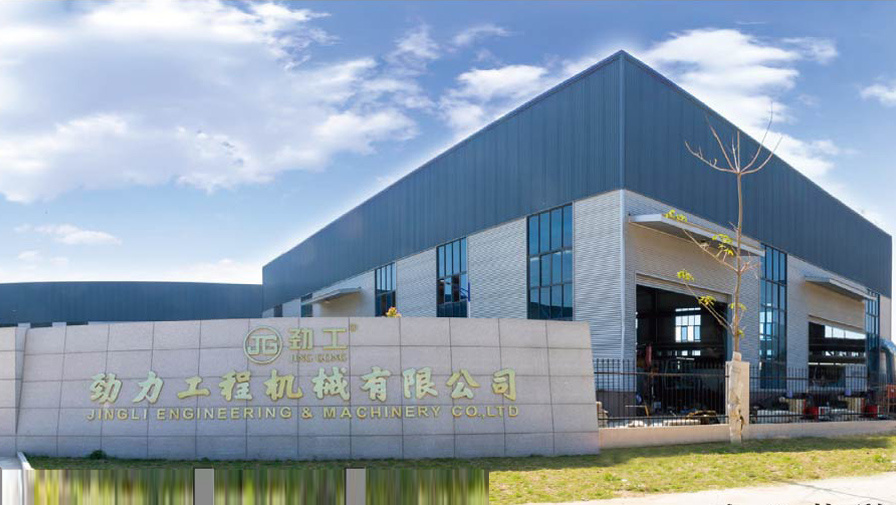
About UsQuanzhou Jinli Engineering Machinery Co., Ltd., established in July 2006, is a professional manufacturer specializing in design, development, production, and sales of equipment machinery.
-
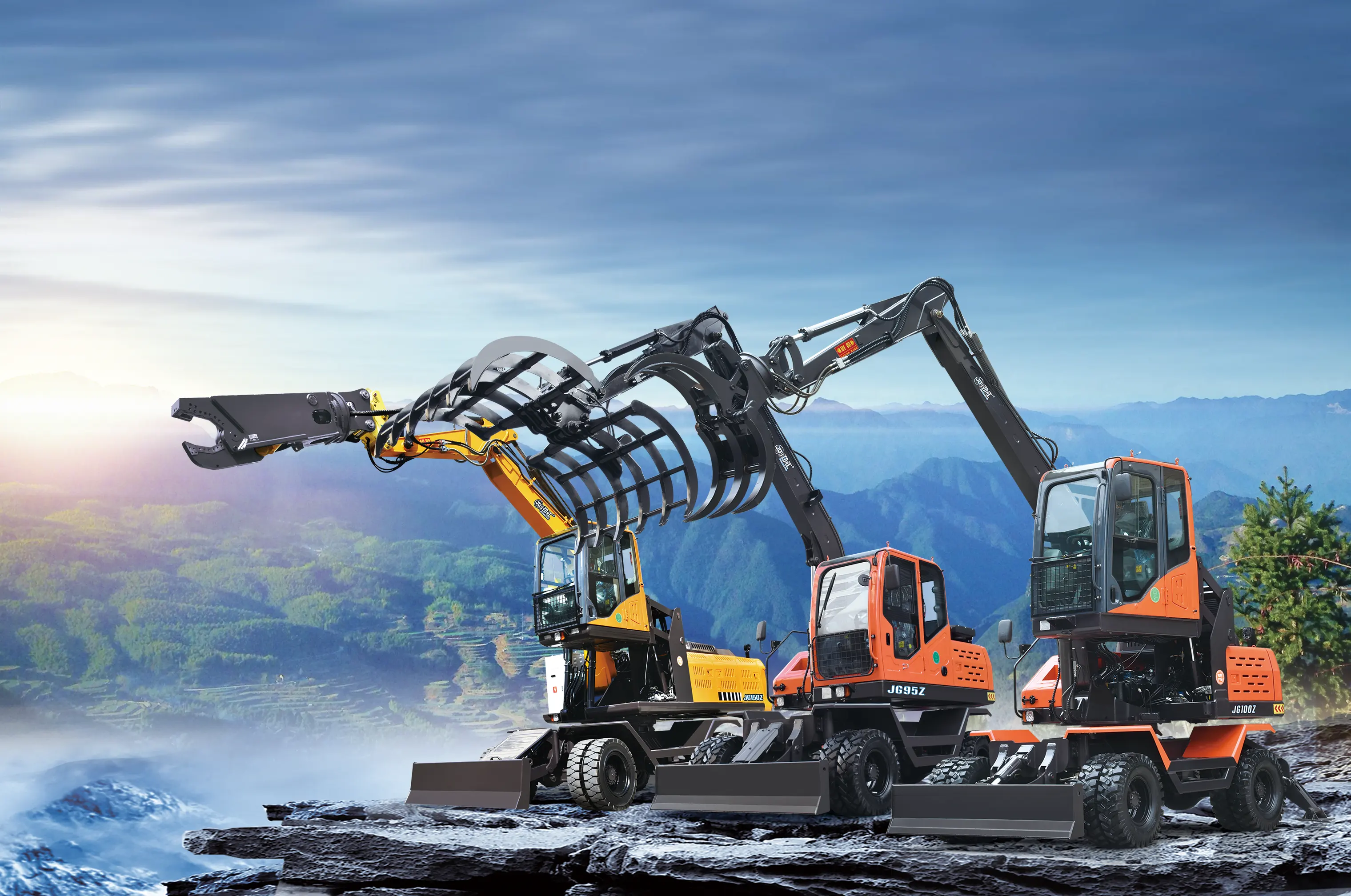
ProductsConstruction machinery: tire excavator, crawler excavator; Forestry machinery: bamboo and wood (sugarcane) picking and loading machines, multifunctional transfer machines; Harvesting machinery: whole rod sugarcane combine har
-
NewsJinggong adheres to the business philosophy of "technology supporting enterprises, quality bearing heavy trust", constantly develops new products guided by market demand, and presents satisfactory products to our customers.

-
ServiceSince its establishment, we have always adhered to the service philosophy of "being close, caring, full lifecycle, and full value chain".

-
Contact UsCorporate Honors We provide our customers not only with advantageous products, technologies, and services, but also with a comprehensive solution to meet diverse needs, thereby continuously creating value for customers and he


Online Inquiry

JINGONG
NEWS
Exploring the Various Types of Classy Compaction Wheels for Excavators
TIME:2023-12-09 10:20
Table of Contents:
1. Introduction
2. Understanding Compaction Wheels
2.1 How Do Compaction Wheels Work?
2.2 Why Are Compaction Wheels Important for Excavators?
3. Types of Classy Compaction Wheels
3.1 Smooth Drum Compaction Wheels
3.2 Padfoot Compaction Wheels
3.3 Pneumatic Compaction Wheels
3.4 Vibratory Compaction Wheels
3.5 Combination Compaction Wheels
3.6 Steel Drum Compaction Wheels
3.7 Rubber Coated Compaction Wheels
3.8 Split Drum Compaction Wheels
4. Factors to Consider When Choosing Compaction Wheels
4.1 Excavator Size and Weight Capacity
4.2 Soil Type and Conditions
4.3 Project Requirements and Specifications
4.4 Operator Experience and Skill Level
5. Benefits of Using Classy Compaction Wheels
5.1 Enhanced Soil Compaction
5.2 Increased Stability and Load-Bearing Capacity
5.3 Time and Cost Efficiency
5.4 Versatile Applications
6. Frequently Asked Questions (FAQs)
6.1 How often should I maintain my compaction wheel?
6.2 Are compaction wheels compatible with all excavator models?
6.3 Can I use compaction wheels for other construction equipment?
6.4 What safety precautions should I follow when using compaction wheels?
6.5 Can compaction wheels be used on both hard and soft soils?
7. Conclusion
Welcome to our comprehensive guide on the various types of classy compaction wheels for excavators. In this article, we will delve into the world of compaction wheels, providing valuable information to help you make informed decisions for your excavation projects. With the right compaction wheel, you can ensure optimal soil compaction, stability, and cost-efficiency.
Compaction wheels are specially designed attachments that attach to an excavator and are used to compact soil, aggregates, and other construction materials. They operate by applying pressure and vibrations to the ground, significantly increasing the density and load-bearing capacity of the soil beneath.
Excavators equipped with compaction wheels offer numerous advantages in the construction industry. These attachments simplify the compaction process, allowing for efficient and uniform soil density. Moreover, they enhance stability, promote better drainage, and reduce the risk of future settlement or structural damage.
Smooth drum compaction wheels feature a cylindrical drum without any protrusions or patterns. They are ideal for compacting granular materials and cohesive soils, providing excellent results in road construction, trench backfilling, and general compaction projects.
Padfoot compaction wheels, also known as sheepsfoot rollers, have a drum covered in rectangular or cylindrical pads. These pads penetrate the soil, making them perfect for compacting cohesive soils, clay, and silt. They are commonly used in landfill construction, pipeline projects, and compaction of cohesive fill materials.
Pneumatic compaction wheels are filled with air, offering a cushioned and flexible compaction method. They excel in compacting loose or granular materials, such as asphalt, gravel, and sand. Pneumatic wheels are often used in road construction and maintenance, airport runways, and parking lot projects.
Vibratory compaction wheels incorporate vibrations into the compaction process, enhancing soil compaction efficiency. These wheels are suited for cohesive and granular soils and are commonly utilized in trench compaction, slope stabilization, and compacting backfilled foundations.
Combination compaction wheels offer versatility by combining the features of different compaction wheel types. They typically have alternating smooth and padfoot sections, allowing for efficient compaction of various soil types. Combination wheels are often used in road construction, landfill compaction, and site development projects.
Steel drum compaction wheels consist of a solid steel drum and are highly durable and efficient. They are particularly effective in compacting cohesive soils, clay, and silt. Steel drum wheels find applications in highway construction, land reclamation, and compaction of cohesive fill materials.
Rubber coated compaction wheels feature a layer of rubber covering the drum surface. These wheels offer excellent traction and prevent surface damage, making them suitable for compacting asphalt, concrete, and delicate surfaces. Rubber coated wheels are commonly used in road maintenance, landscaping, and pavement projects.
Split drum compaction wheels have a divided drum with a gap in the middle, allowing for better maneuverability and flexibility. They offer effective compaction of cohesive and granular soils, making them suitable for bridge construction, pipeline projects, and trench compaction.
It is crucial to select compaction wheels that are compatible with your excavator's size and weight capacity. Ensure that the attachment will not exceed the excavator's limitations to ensure optimal performance and safety.
Different compaction wheels are designed to excel in specific soil types and conditions. Consider the soil's composition, moisture content, and compaction requirements to choose the most suitable compaction wheel for your project.
Evaluate the specific requirements and specifications of your project. Consider factors such as compaction depth, surface area, and desired compaction results to select the compaction wheel that best aligns with your project goals.
The operator's experience and skill level play a crucial role in achieving optimal compaction results. Choose compaction wheels that match the operator's expertise, ensuring safe and efficient operation.
Classy compaction wheels offer superior soil compaction, significantly increasing soil density and eliminating air pockets. This improves the load-bearing capacity of the soil and ensures long-term stability for your construction projects.
By compacting the soil efficiently, compaction wheels enhance the stability and load-bearing capacity of the ground. This reduces the risk of settlement, foundation damage, and structural failure, ensuring the longevity of your structures.
Utilizing compaction wheels saves time and labor costs by streamlining the compaction process. With improved compaction efficiency, projects can be completed faster, resulting in reduced overall costs.
Classy compaction wheels offer versatile applications across various construction projects. From road construction and site development to landfill compaction and pipeline installation, these attachments cater to a broad range of industry needs.
Regular maintenance is essential to ensure the optimal performance and longevity of your compaction wheel. It is recommended to follow the manufacturer's guidelines and conduct routine inspections and servicing.
Compaction wheels come in different sizes and specifications to accommodate various excavator models. However, it is crucial to verify compatibility before making a purchase, ensuring a proper fit and safe operation.
Compaction wheels are specifically designed for excavators, and their compatibility with other construction equipment may vary. It is best to consult with manufacturers or experts to determine if they can be used on alternative machinery.
When operating compaction wheels, it is essential to follow strict safety protocols. This includes ensuring proper installation, wearing personal protective equipment, maintaining a safe distance from the working area, and thoroughly training operators on equipment operation and safety guidelines.
Compaction wheels are versatile attachments suitable for both hard and soft soils. However, different compaction wheel types may yield better results depending on the soil's characteristics. Consider the soil type and conditions when selecting the appropriate compaction wheel.
In conclusion, exploring the various types of classy compaction wheels for excavators reveals a wide range of options available to meet the specific needs of your excavation projects. By selecting the right compaction wheel, you can achieve optimal soil compaction, stability, and cost-efficiency. Consider the different compaction wheel types, evaluate project requirements, and prioritize compatibility with your excavator to ensure successful compaction and construction endeavors. Stay ahead in the construction industry by utilizing the power and versatility of classy compaction wheels.
1. Introduction
2. Understanding Compaction Wheels
2.1 How Do Compaction Wheels Work?
2.2 Why Are Compaction Wheels Important for Excavators?
3. Types of Classy Compaction Wheels
3.1 Smooth Drum Compaction Wheels
3.2 Padfoot Compaction Wheels
3.3 Pneumatic Compaction Wheels
3.4 Vibratory Compaction Wheels
3.5 Combination Compaction Wheels
3.6 Steel Drum Compaction Wheels
3.7 Rubber Coated Compaction Wheels
3.8 Split Drum Compaction Wheels
4. Factors to Consider When Choosing Compaction Wheels
4.1 Excavator Size and Weight Capacity
4.2 Soil Type and Conditions
4.3 Project Requirements and Specifications
4.4 Operator Experience and Skill Level
5. Benefits of Using Classy Compaction Wheels
5.1 Enhanced Soil Compaction
5.2 Increased Stability and Load-Bearing Capacity
5.3 Time and Cost Efficiency
5.4 Versatile Applications
6. Frequently Asked Questions (FAQs)
6.1 How often should I maintain my compaction wheel?
6.2 Are compaction wheels compatible with all excavator models?
6.3 Can I use compaction wheels for other construction equipment?
6.4 What safety precautions should I follow when using compaction wheels?
6.5 Can compaction wheels be used on both hard and soft soils?
7. Conclusion
1. Introduction
Welcome to our comprehensive guide on the various types of classy compaction wheels for excavators. In this article, we will delve into the world of compaction wheels, providing valuable information to help you make informed decisions for your excavation projects. With the right compaction wheel, you can ensure optimal soil compaction, stability, and cost-efficiency.
2. Understanding Compaction Wheels
2.1 How Do Compaction Wheels Work?
Compaction wheels are specially designed attachments that attach to an excavator and are used to compact soil, aggregates, and other construction materials. They operate by applying pressure and vibrations to the ground, significantly increasing the density and load-bearing capacity of the soil beneath.
2.2 Why Are Compaction Wheels Important for Excavators?
Excavators equipped with compaction wheels offer numerous advantages in the construction industry. These attachments simplify the compaction process, allowing for efficient and uniform soil density. Moreover, they enhance stability, promote better drainage, and reduce the risk of future settlement or structural damage.
3. Types of Classy Compaction Wheels
3.1 Smooth Drum Compaction Wheels
Smooth drum compaction wheels feature a cylindrical drum without any protrusions or patterns. They are ideal for compacting granular materials and cohesive soils, providing excellent results in road construction, trench backfilling, and general compaction projects.
3.2 Padfoot Compaction Wheels
Padfoot compaction wheels, also known as sheepsfoot rollers, have a drum covered in rectangular or cylindrical pads. These pads penetrate the soil, making them perfect for compacting cohesive soils, clay, and silt. They are commonly used in landfill construction, pipeline projects, and compaction of cohesive fill materials.
3.3 Pneumatic Compaction Wheels
Pneumatic compaction wheels are filled with air, offering a cushioned and flexible compaction method. They excel in compacting loose or granular materials, such as asphalt, gravel, and sand. Pneumatic wheels are often used in road construction and maintenance, airport runways, and parking lot projects.
3.4 Vibratory Compaction Wheels
Vibratory compaction wheels incorporate vibrations into the compaction process, enhancing soil compaction efficiency. These wheels are suited for cohesive and granular soils and are commonly utilized in trench compaction, slope stabilization, and compacting backfilled foundations.
3.5 Combination Compaction Wheels
Combination compaction wheels offer versatility by combining the features of different compaction wheel types. They typically have alternating smooth and padfoot sections, allowing for efficient compaction of various soil types. Combination wheels are often used in road construction, landfill compaction, and site development projects.
3.6 Steel Drum Compaction Wheels
Steel drum compaction wheels consist of a solid steel drum and are highly durable and efficient. They are particularly effective in compacting cohesive soils, clay, and silt. Steel drum wheels find applications in highway construction, land reclamation, and compaction of cohesive fill materials.
3.7 Rubber Coated Compaction Wheels
Rubber coated compaction wheels feature a layer of rubber covering the drum surface. These wheels offer excellent traction and prevent surface damage, making them suitable for compacting asphalt, concrete, and delicate surfaces. Rubber coated wheels are commonly used in road maintenance, landscaping, and pavement projects.
3.8 Split Drum Compaction Wheels
Split drum compaction wheels have a divided drum with a gap in the middle, allowing for better maneuverability and flexibility. They offer effective compaction of cohesive and granular soils, making them suitable for bridge construction, pipeline projects, and trench compaction.
4. Factors to Consider When Choosing Compaction Wheels
4.1 Excavator Size and Weight Capacity
It is crucial to select compaction wheels that are compatible with your excavator's size and weight capacity. Ensure that the attachment will not exceed the excavator's limitations to ensure optimal performance and safety.
4.2 Soil Type and Conditions
Different compaction wheels are designed to excel in specific soil types and conditions. Consider the soil's composition, moisture content, and compaction requirements to choose the most suitable compaction wheel for your project.
4.3 Project Requirements and Specifications
Evaluate the specific requirements and specifications of your project. Consider factors such as compaction depth, surface area, and desired compaction results to select the compaction wheel that best aligns with your project goals.
4.4 Operator Experience and Skill Level
The operator's experience and skill level play a crucial role in achieving optimal compaction results. Choose compaction wheels that match the operator's expertise, ensuring safe and efficient operation.
5. Benefits of Using Classy Compaction Wheels
5.1 Enhanced Soil Compaction
Classy compaction wheels offer superior soil compaction, significantly increasing soil density and eliminating air pockets. This improves the load-bearing capacity of the soil and ensures long-term stability for your construction projects.
5.2 Increased Stability and Load-Bearing Capacity
By compacting the soil efficiently, compaction wheels enhance the stability and load-bearing capacity of the ground. This reduces the risk of settlement, foundation damage, and structural failure, ensuring the longevity of your structures.
5.3 Time and Cost Efficiency
Utilizing compaction wheels saves time and labor costs by streamlining the compaction process. With improved compaction efficiency, projects can be completed faster, resulting in reduced overall costs.
5.4 Versatile Applications
Classy compaction wheels offer versatile applications across various construction projects. From road construction and site development to landfill compaction and pipeline installation, these attachments cater to a broad range of industry needs.
6. Frequently Asked Questions (FAQs)
6.1 How often should I maintain my compaction wheel?
Regular maintenance is essential to ensure the optimal performance and longevity of your compaction wheel. It is recommended to follow the manufacturer's guidelines and conduct routine inspections and servicing.
6.2 Are compaction wheels compatible with all excavator models?
Compaction wheels come in different sizes and specifications to accommodate various excavator models. However, it is crucial to verify compatibility before making a purchase, ensuring a proper fit and safe operation.
6.3 Can I use compaction wheels for other construction equipment?
Compaction wheels are specifically designed for excavators, and their compatibility with other construction equipment may vary. It is best to consult with manufacturers or experts to determine if they can be used on alternative machinery.
6.4 What safety precautions should I follow when using compaction wheels?
When operating compaction wheels, it is essential to follow strict safety protocols. This includes ensuring proper installation, wearing personal protective equipment, maintaining a safe distance from the working area, and thoroughly training operators on equipment operation and safety guidelines.
6.5 Can compaction wheels be used on both hard and soft soils?
Compaction wheels are versatile attachments suitable for both hard and soft soils. However, different compaction wheel types may yield better results depending on the soil's characteristics. Consider the soil type and conditions when selecting the appropriate compaction wheel.
7. Conclusion
In conclusion, exploring the various types of classy compaction wheels for excavators reveals a wide range of options available to meet the specific needs of your excavation projects. By selecting the right compaction wheel, you can achieve optimal soil compaction, stability, and cost-efficiency. Consider the different compaction wheel types, evaluate project requirements, and prioritize compatibility with your excavator to ensure successful compaction and construction endeavors. Stay ahead in the construction industry by utilizing the power and versatility of classy compaction wheels.
Related News
Contact Us
No. 88, Pan Cuo, Jiaonan Village, Heshizhen, Luojiang District, Quanzhou City, Fujian Province


