
-
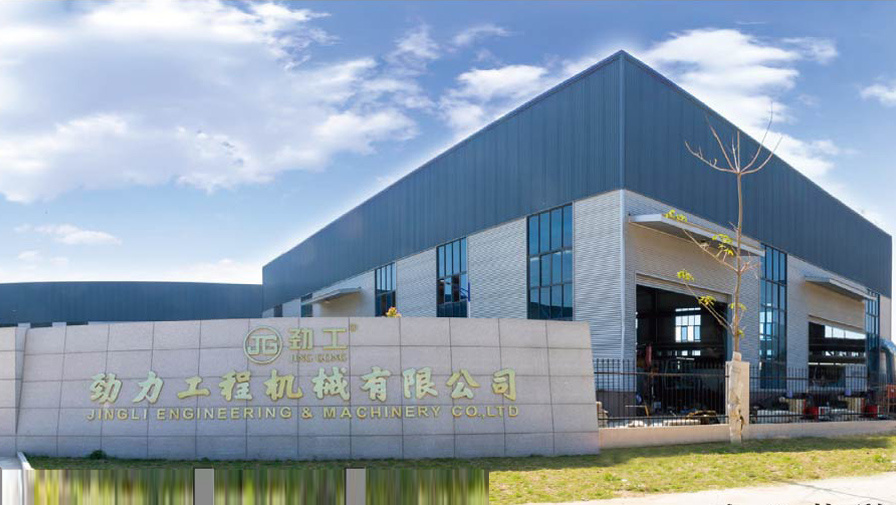
About UsQuanzhou Jinli Engineering Machinery Co., Ltd., established in July 2006, is a professional manufacturer specializing in design, development, production, and sales of equipment machinery.
-
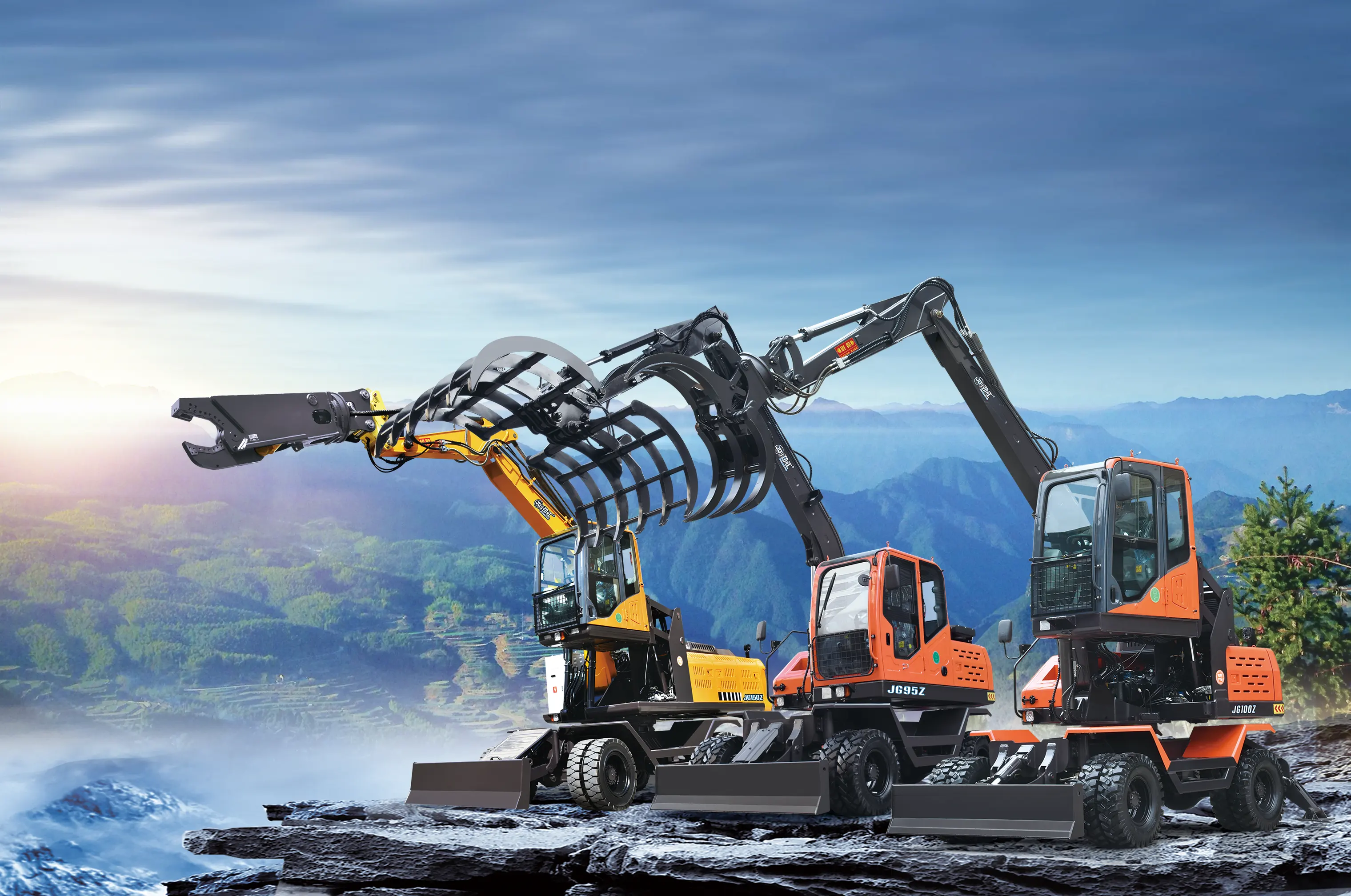
ProductsConstruction machinery: tire excavator, crawler excavator; Forestry machinery: bamboo and wood (sugarcane) picking and loading machines, multifunctional transfer machines; Harvesting machinery: whole rod sugarcane combine har
-
NewsJinggong adheres to the business philosophy of "technology supporting enterprises, quality bearing heavy trust", constantly develops new products guided by market demand, and presents satisfactory products to our customers.

-
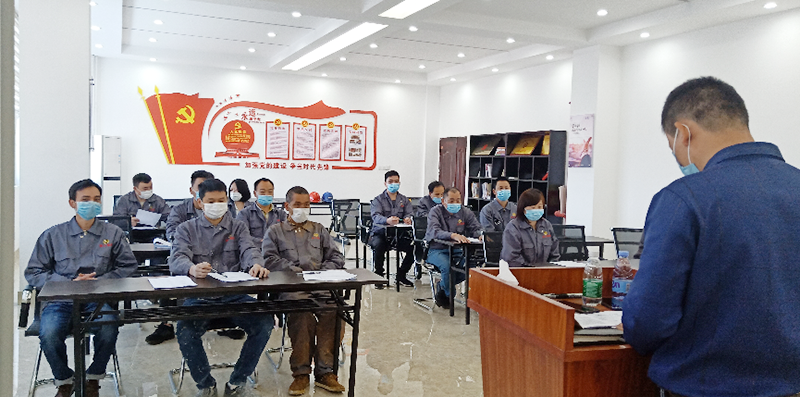
ServiceSince its establishment, we have always adhered to the service philosophy of "being close, caring, full lifecycle, and full value chain".
-
Contact UsCorporate Honors We provide our customers not only with advantageous products, technologies, and services, but also with a comprehensive solution to meet diverse needs, thereby continuously creating value for customers and he


Online Inquiry

JINGONG
NEWS
Boost Productivity with a High-Quality Compaction Wheel for Mini Excavators
TIME:2023-12-15 09:20
Table of Contents
1. Introduction: The Importance of a High-Quality Compaction Wheel for Mini Excavators
2. Understanding the Functions and Features of a Compaction Wheel
3. Benefits of Using a High-Quality Compaction Wheel for Mini Excavators
4. Applications of Compaction Wheels in Construction and Engineering
5. Factors to Consider When Choosing a Compaction Wheel
6. Frequently Asked Questions (FAQs) about Compaction Wheels
7. Conclusion: Enhancing Productivity with a Reliable Compaction Wheel
When it comes to construction and engineering projects, compacting soil and gravel is a crucial task that directly influences the overall quality and durability of the project. To ensure superior results and maximize productivity, utilizing a high-quality compaction wheel specifically designed for mini excavators becomes paramount. This article delves into the functions, benefits, applications, and factors to consider when choosing a compaction wheel, ultimately emphasizing the importance of this essential attachment in boosting productivity.
A compaction wheel is a specialized attachment that connects to the mini excavator's arm or boom. It operates similarly to a roller, exerting downward force to compress and compact soil, gravel, or other materials. By effectively eliminating air voids and achieving optimum density, a compaction wheel enhances the stability, load-bearing capacity, and long-term durability of the compacted surface.
Key features of a high-quality compaction wheel include durable construction materials, precision-engineered design, and compatibility with various mini excavator models. This attachment typically consists of a drum with strategically placed teeth or pads that facilitate efficient compaction. The design may also incorporate water tanks to aid in moisture control during compaction.
Using a high-quality compaction wheel for mini excavators offers numerous benefits that contribute to enhanced productivity and efficiency in construction and engineering projects. Some of these advantages include:
1. Improved Compaction Efficiency: The specialized design of a compaction wheel allows for efficient and uniform compaction, minimizing the number of passes required to achieve desired density levels. This results in significant time savings and increased productivity.
2. Enhanced Ground Stability: By effectively compacting the soil or gravel, a compaction wheel improves the ground's stability, reducing the risk of settlement or erosion. This is particularly crucial for projects involving foundations, retaining walls, or road construction.
3. Increased Load-Bearing Capacity: Compacted surfaces have higher load-bearing capacity, making them suitable for supporting heavy equipment, structures, or traffic. This durability ensures the longevity and reliability of the constructed infrastructure.
4. Versatile Applications: A high-quality compaction wheel can be used in various applications, including trench backfilling, pipeline installation, landscaping, and compaction of sub-base materials. Its versatility makes it an indispensable tool for a wide range of construction and engineering projects.
The applications of compaction wheels are diverse, showcasing their indispensability in construction and engineering projects. Some common applications include:
1. Road Construction: Compact and stable road surfaces are essential for safe and efficient transportation. Compaction wheels are used to achieve optimum density and stability in various road construction stages, such as sub-base compaction and asphalt compaction.
2. Foundation Preparation: Before constructing buildings or other structures, the ground must be properly prepared to ensure stability and prevent settling. Compaction wheels help achieve the necessary compaction levels, creating a solid foundation for the project.
3. Trench Backfilling: When trenches are dug for utility lines or pipelines, compacting the backfilled soil is crucial to prevent future settling or damage to the infrastructure. Compaction wheels effectively compact the soil, ensuring a stable and reliable backfill.
4. Landscaping and Groundworks: Whether creating green spaces or installing outdoor features, achieving proper compaction is vital for landscaping projects. Compaction wheels provide the necessary force to ensure the stability and longevity of the landscaped areas.
Selecting the right compaction wheel for your mini excavator requires careful consideration of several factors. These include:
1. Excavator Compatibility: Ensure that the compaction wheel is compatible with your mini excavator model. Consider the attachment's weight and dimensions to ensure a proper fit and optimal performance.
2. Material Quality: Opt for a compaction wheel made from high-quality, durable materials that can withstand the rigors of construction work. This ensures a longer lifespan and consistent performance.
3. Tooth Configuration: The tooth configuration of the compaction wheel affects its compaction efficiency. Choose a design that suits your specific project requirements, considering factors such as soil type, compaction depth, and desired density.
4. Ease of Maintenance: Look for a compaction wheel that is easy to maintain, with accessible components and replaceable parts. This ensures minimal downtime and maximizes productivity.
A compaction wheel exerts downward force on the soil or gravel, compacting it to achieve optimum density and stability.
Using a compaction wheel enhances compaction efficiency, ground stability, load-bearing capacity, and enables versatile applications in construction projects.
Compaction wheels come in various sizes and designs to ensure compatibility with different mini excavator models. It is essential to choose one that matches your specific equipment.
Regular maintenance is crucial to ensure optimal performance and longevity. Follow the manufacturer's guidelines and inspect for any signs of wear or damage.
Yes, many equipment rental companies offer compaction wheels for short-term use, providing flexibility and cost-saving options for projects.
In the realm of construction and engineering, achieving superior results and maximizing productivity is paramount. A high-quality compaction wheel for mini excavators proves to be an indispensable tool in achieving optimum compaction, enhancing ground stability, and increasing load-bearing capacity. By carefully considering factors such as excavator compatibility, material quality, and tooth configuration, you can select the right compaction wheel for your project's specific needs. Utilize this essential attachment to boost productivity and efficiency, ultimately elevating the success of your construction and engineering endeavors.
1. Introduction: The Importance of a High-Quality Compaction Wheel for Mini Excavators
2. Understanding the Functions and Features of a Compaction Wheel
3. Benefits of Using a High-Quality Compaction Wheel for Mini Excavators
4. Applications of Compaction Wheels in Construction and Engineering
5. Factors to Consider When Choosing a Compaction Wheel
6. Frequently Asked Questions (FAQs) about Compaction Wheels
7. Conclusion: Enhancing Productivity with a Reliable Compaction Wheel
1. Introduction: The Importance of a High-Quality Compaction Wheel for Mini Excavators
When it comes to construction and engineering projects, compacting soil and gravel is a crucial task that directly influences the overall quality and durability of the project. To ensure superior results and maximize productivity, utilizing a high-quality compaction wheel specifically designed for mini excavators becomes paramount. This article delves into the functions, benefits, applications, and factors to consider when choosing a compaction wheel, ultimately emphasizing the importance of this essential attachment in boosting productivity.
2. Understanding the Functions and Features of a Compaction Wheel
A compaction wheel is a specialized attachment that connects to the mini excavator's arm or boom. It operates similarly to a roller, exerting downward force to compress and compact soil, gravel, or other materials. By effectively eliminating air voids and achieving optimum density, a compaction wheel enhances the stability, load-bearing capacity, and long-term durability of the compacted surface.
Key features of a high-quality compaction wheel include durable construction materials, precision-engineered design, and compatibility with various mini excavator models. This attachment typically consists of a drum with strategically placed teeth or pads that facilitate efficient compaction. The design may also incorporate water tanks to aid in moisture control during compaction.
3. Benefits of Using a High-Quality Compaction Wheel for Mini Excavators
Using a high-quality compaction wheel for mini excavators offers numerous benefits that contribute to enhanced productivity and efficiency in construction and engineering projects. Some of these advantages include:
1. Improved Compaction Efficiency: The specialized design of a compaction wheel allows for efficient and uniform compaction, minimizing the number of passes required to achieve desired density levels. This results in significant time savings and increased productivity.
2. Enhanced Ground Stability: By effectively compacting the soil or gravel, a compaction wheel improves the ground's stability, reducing the risk of settlement or erosion. This is particularly crucial for projects involving foundations, retaining walls, or road construction.
3. Increased Load-Bearing Capacity: Compacted surfaces have higher load-bearing capacity, making them suitable for supporting heavy equipment, structures, or traffic. This durability ensures the longevity and reliability of the constructed infrastructure.
4. Versatile Applications: A high-quality compaction wheel can be used in various applications, including trench backfilling, pipeline installation, landscaping, and compaction of sub-base materials. Its versatility makes it an indispensable tool for a wide range of construction and engineering projects.
4. Applications of Compaction Wheels in Construction and Engineering
The applications of compaction wheels are diverse, showcasing their indispensability in construction and engineering projects. Some common applications include:
1. Road Construction: Compact and stable road surfaces are essential for safe and efficient transportation. Compaction wheels are used to achieve optimum density and stability in various road construction stages, such as sub-base compaction and asphalt compaction.
2. Foundation Preparation: Before constructing buildings or other structures, the ground must be properly prepared to ensure stability and prevent settling. Compaction wheels help achieve the necessary compaction levels, creating a solid foundation for the project.
3. Trench Backfilling: When trenches are dug for utility lines or pipelines, compacting the backfilled soil is crucial to prevent future settling or damage to the infrastructure. Compaction wheels effectively compact the soil, ensuring a stable and reliable backfill.
4. Landscaping and Groundworks: Whether creating green spaces or installing outdoor features, achieving proper compaction is vital for landscaping projects. Compaction wheels provide the necessary force to ensure the stability and longevity of the landscaped areas.
5. Factors to Consider When Choosing a Compaction Wheel
Selecting the right compaction wheel for your mini excavator requires careful consideration of several factors. These include:
1. Excavator Compatibility: Ensure that the compaction wheel is compatible with your mini excavator model. Consider the attachment's weight and dimensions to ensure a proper fit and optimal performance.
2. Material Quality: Opt for a compaction wheel made from high-quality, durable materials that can withstand the rigors of construction work. This ensures a longer lifespan and consistent performance.
3. Tooth Configuration: The tooth configuration of the compaction wheel affects its compaction efficiency. Choose a design that suits your specific project requirements, considering factors such as soil type, compaction depth, and desired density.
4. Ease of Maintenance: Look for a compaction wheel that is easy to maintain, with accessible components and replaceable parts. This ensures minimal downtime and maximizes productivity.
6. Frequently Asked Questions (FAQs) about Compaction Wheels
FAQ 1: How does a compaction wheel work?
A compaction wheel exerts downward force on the soil or gravel, compacting it to achieve optimum density and stability.
FAQ 2: What are the advantages of using a compaction wheel?
Using a compaction wheel enhances compaction efficiency, ground stability, load-bearing capacity, and enables versatile applications in construction projects.
FAQ 3: Can a compaction wheel be used with all mini excavators?
Compaction wheels come in various sizes and designs to ensure compatibility with different mini excavator models. It is essential to choose one that matches your specific equipment.
FAQ 4: How often should a compaction wheel be maintained?
Regular maintenance is crucial to ensure optimal performance and longevity. Follow the manufacturer's guidelines and inspect for any signs of wear or damage.
FAQ 5: Can a compaction wheel be rented instead of purchased?
Yes, many equipment rental companies offer compaction wheels for short-term use, providing flexibility and cost-saving options for projects.
7. Conclusion: Enhancing Productivity with a Reliable Compaction Wheel
In the realm of construction and engineering, achieving superior results and maximizing productivity is paramount. A high-quality compaction wheel for mini excavators proves to be an indispensable tool in achieving optimum compaction, enhancing ground stability, and increasing load-bearing capacity. By carefully considering factors such as excavator compatibility, material quality, and tooth configuration, you can select the right compaction wheel for your project's specific needs. Utilize this essential attachment to boost productivity and efficiency, ultimately elevating the success of your construction and engineering endeavors.
Related News
Contact Us
No. 88, Pan Cuo, Jiaonan Village, Heshizhen, Luojiang District, Quanzhou City, Fujian Province


