
-
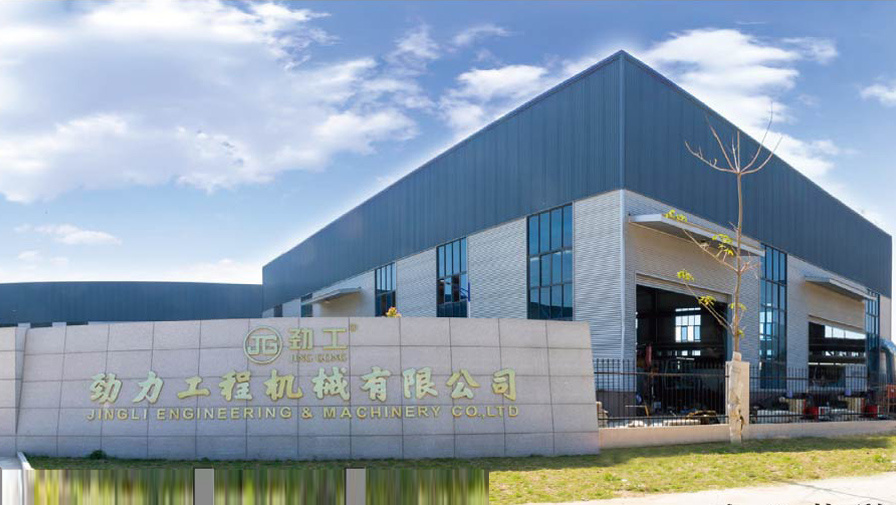
About UsQuanzhou Jinli Engineering Machinery Co., Ltd., established in July 2006, is a professional manufacturer specializing in design, development, production, and sales of equipment machinery.
-
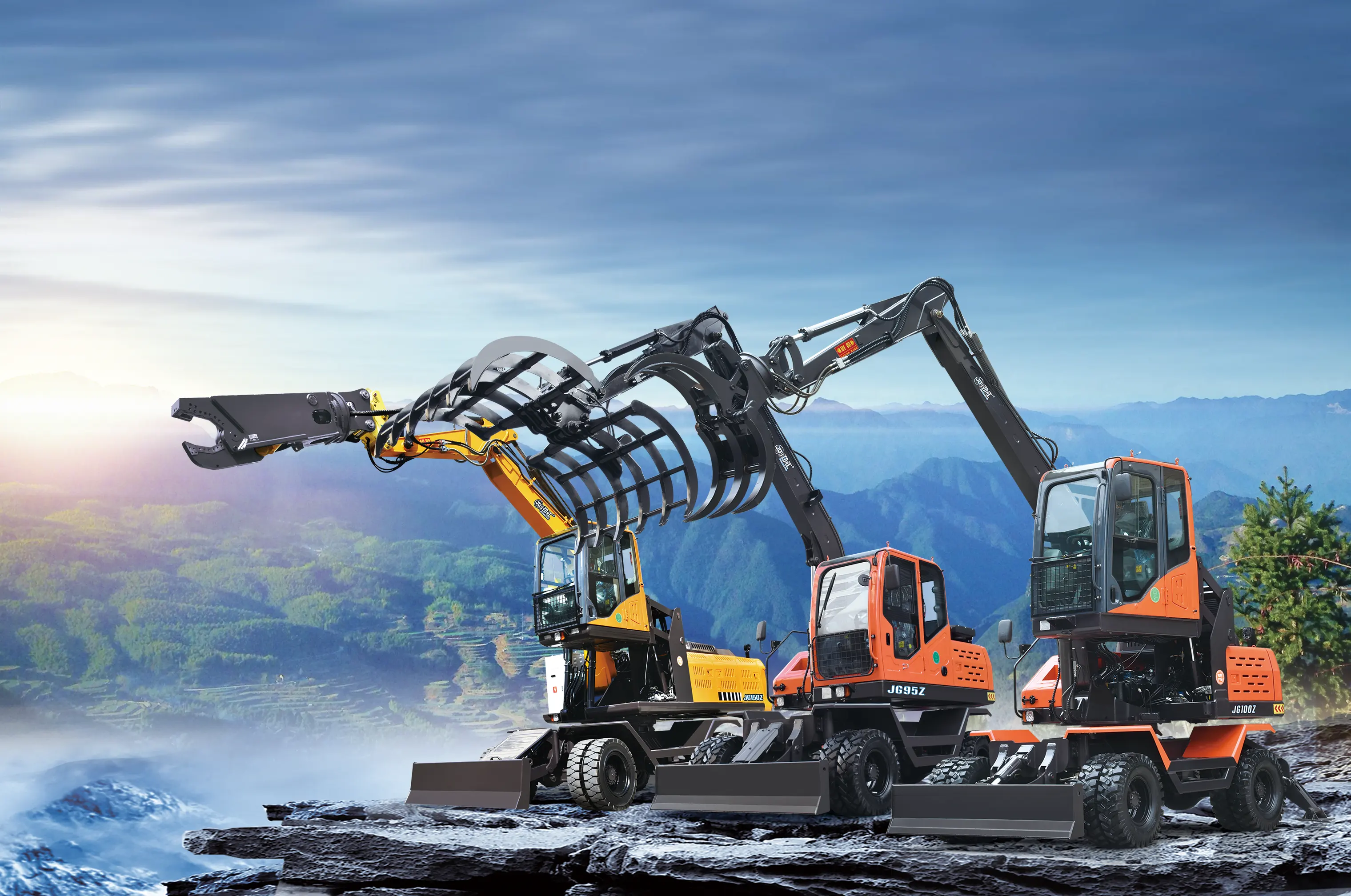
ProductsConstruction machinery: tire excavator, crawler excavator; Forestry machinery: bamboo and wood (sugarcane) picking and loading machines, multifunctional transfer machines; Harvesting machinery: whole rod sugarcane combine har
-
NewsJinggong adheres to the business philosophy of "technology supporting enterprises, quality bearing heavy trust", constantly develops new products guided by market demand, and presents satisfactory products to our customers.

-
ServiceSince its establishment, we have always adhered to the service philosophy of "being close, caring, full lifecycle, and full value chain".

-
Contact UsCorporate Honors We provide our customers not only with advantageous products, technologies, and services, but also with a comprehensive solution to meet diverse needs, thereby continuously creating value for customers and he


Online Inquiry

JINGONG
NEWS
Maximize Productivity with the Revolutionary Compaction Wheel for Excavators
TIME:2023-12-16 10:40
Table of Contents:
1. Introduction: The Need for Effective Compaction in Construction
2. Understanding the Compaction Wheel for Excavators
3. Advantages of Using a Compaction Wheel for Excavators
4. How to Choose the Right Compaction Wheel for Your Excavator
5. Installation and Operation Instructions
6. Tips for Maximizing Productivity with the Compaction Wheel
7. Frequently Asked Questions (FAQs)
8. Conclusion
Construction projects require a solid foundation, and one of the key elements to achieve this is effective compaction. Proper compaction ensures stability, durability, and long-term performance of structures. In the past, compaction was a labor-intensive and time-consuming process. However, with the introduction of the revolutionary Compaction Wheel for Excavators, this task has been simplified and optimized.
The Compaction Wheel for Excavators is a cutting-edge attachment designed to enhance the compaction process. It is specifically engineered to be mounted on excavators, allowing for efficient and precise compaction in various soil types. This innovative technology utilizes the power and versatility of excavators, making it an indispensable tool for construction projects of all sizes.
The Compaction Wheel is equipped with multiple steel drums that exert pressure on the soil, creating a compaction effect. As the excavator moves forward, the wheels rotate, applying force evenly across the surface. The compaction action significantly improves soil density, reducing voids and increasing load-bearing capacity.
The Compaction Wheel offers several advantages over traditional compaction methods:
1. Increased Efficiency: The attachment allows for simultaneous excavation and compaction, saving time and labor costs.
2. Versatility: The Compaction Wheel can be used in various applications, including road construction, pipeline installation, and trench backfilling.
3. Precise Compaction: The rotating drums ensure uniform pressure distribution, resulting in consistent compaction throughout the work area.
4. Reduced Environmental Impact: The compaction wheel minimizes the need for additional compaction equipment, reducing carbon emissions and fuel consumption.
5. Cost Savings: By streamlining the compaction process, the Compaction Wheel helps complete projects faster, reducing overall construction costs.
The Compaction Wheel offers numerous benefits that contribute to maximizing productivity on construction sites. Some key advantages include:
By combining excavation and compaction into a single operation, the Compaction Wheel significantly reduces project timelines. The simultaneous tasks eliminate the need for multiple machines, saving both time and resources. This acceleration in project completion can have a positive impact on overall productivity and profitability.
The Compaction Wheel ensures superior soil compaction, leading to improved stability and reduced settlement. It effectively eliminates air pockets and voids in the soil, creating a solid base for construction. The result is enhanced load-bearing capacity and increased durability of structures.
Traditional compaction methods often involve manual labor and heavy machinery, posing risks to operators. The Compaction Wheel eliminates the need for manual labor, reducing the chances of accidents and injuries. Operators can control the compaction process from the comfort and safety of the excavator cabin.
Selecting the appropriate Compaction Wheel for your excavator is essential for optimal performance. Consider the following factors when choosing:
1. Excavator Size: Match the size and weight range of the Compaction Wheel to your excavator's specifications for seamless integration and efficient operation.
2. Soil Type: Different soil types require specific compaction methods. Ensure the Compaction Wheel is designed to handle the soil conditions prevalent in your project area.
3. Work Environment: Consider the terrain, space limitations, and any specific project requirements when selecting the Compaction Wheel. Opt for features like adjustable drum width or specialized designs for challenging conditions.
Installing and operating the Compaction Wheel is straightforward but requires attention to detail. Follow these steps for a smooth experience:
1. Ensure the excavator is turned off and parked on stable ground.
2. Connect the Compaction Wheel securely to the excavator arm using the provided mounting brackets.
3. Confirm that all connections are tightened and locked to prevent any movement during operation.
4. Start the excavator and familiarize yourself with the controls responsible for operating the Compaction Wheel.
5. Begin compaction by slowly moving the excavator forward while monitoring the compaction progress.
6. Adjust the compaction wheel settings as necessary to achieve the desired results.
To optimize your productivity when using the Compaction Wheel, consider the following tips:
1. Plan Ahead: Proper project planning, including soil analysis and compaction requirements, ensures efficient utilization of the Compaction Wheel.
2. Regular Maintenance: Keep the Compaction Wheel clean and well-maintained to prevent any operational issues. Regularly inspect and lubricate components as per the manufacturer's recommendations.
3. Operator Training: Train operators on the correct usage and safety procedures of the Compaction Wheel to maximize productivity and prevent accidents.
4. Monitor Progress: Regularly assess the compaction progress using appropriate measuring techniques to ensure compliance with project specifications.
5. Seek Expert Advice: Consult with compaction experts to address any specific challenges and obtain recommendations for optimal compaction practices.
A1: The Compaction Wheel is available in various sizes and can be compatible with a wide range of excavators. Ensure you select the appropriate size to match your excavator's specifications.
A2: The Compaction Wheel is designed to handle various soil types, including sand, gravel, clay, and cohesive soils. However, it is essential to consider the specific characteristics of the soil in your project area when selecting the Compaction Wheel.
A3: Yes, the Compaction Wheel is designed for easy installation and operation. However, it is recommended to read the manufacturer's instructions and receive proper training if needed.
A4: While the Compaction Wheel offers numerous advantages and streamlines the compaction process, it may not entirely replace traditional compaction methods in all scenarios. Evaluate your specific project requirements and consult with experts to determine the most suitable approach.
A5: Yes, the Compaction Wheel reduces the need for additional compaction equipment, minimizing carbon emissions and fuel consumption. It contributes to a more sustainable construction process.
Maximize productivity and efficiency in your construction projects with the revolutionary Compaction Wheel for Excavators. This cutting-edge attachment offers a range of benefits, including faster project completion, enhanced soil stabilization, and increased operator safety. By utilizing the power and versatility of excavators, the Compaction Wheel enables efficient and precise compaction in various soil types. Choose the right Compaction Wheel for your excavator, follow proper installation and operation instructions, and implement tips for maximizing productivity. Unleash the full potential of your excavators and elevate your construction projects to new heights with this groundbreaking technology.
1. Introduction: The Need for Effective Compaction in Construction
2. Understanding the Compaction Wheel for Excavators
3. Advantages of Using a Compaction Wheel for Excavators
4. How to Choose the Right Compaction Wheel for Your Excavator
5. Installation and Operation Instructions
6. Tips for Maximizing Productivity with the Compaction Wheel
7. Frequently Asked Questions (FAQs)
8. Conclusion
1. Introduction: The Need for Effective Compaction in Construction
Construction projects require a solid foundation, and one of the key elements to achieve this is effective compaction. Proper compaction ensures stability, durability, and long-term performance of structures. In the past, compaction was a labor-intensive and time-consuming process. However, with the introduction of the revolutionary Compaction Wheel for Excavators, this task has been simplified and optimized.
2. Understanding the Compaction Wheel for Excavators
The Compaction Wheel for Excavators is a cutting-edge attachment designed to enhance the compaction process. It is specifically engineered to be mounted on excavators, allowing for efficient and precise compaction in various soil types. This innovative technology utilizes the power and versatility of excavators, making it an indispensable tool for construction projects of all sizes.
2.1 How Does the Compaction Wheel Work?
The Compaction Wheel is equipped with multiple steel drums that exert pressure on the soil, creating a compaction effect. As the excavator moves forward, the wheels rotate, applying force evenly across the surface. The compaction action significantly improves soil density, reducing voids and increasing load-bearing capacity.
2.2 Benefits of the Compaction Wheel
The Compaction Wheel offers several advantages over traditional compaction methods:
1. Increased Efficiency: The attachment allows for simultaneous excavation and compaction, saving time and labor costs.
2. Versatility: The Compaction Wheel can be used in various applications, including road construction, pipeline installation, and trench backfilling.
3. Precise Compaction: The rotating drums ensure uniform pressure distribution, resulting in consistent compaction throughout the work area.
4. Reduced Environmental Impact: The compaction wheel minimizes the need for additional compaction equipment, reducing carbon emissions and fuel consumption.
5. Cost Savings: By streamlining the compaction process, the Compaction Wheel helps complete projects faster, reducing overall construction costs.
3. Advantages of Using a Compaction Wheel for Excavators
The Compaction Wheel offers numerous benefits that contribute to maximizing productivity on construction sites. Some key advantages include:
3.1 Faster Project Completion
By combining excavation and compaction into a single operation, the Compaction Wheel significantly reduces project timelines. The simultaneous tasks eliminate the need for multiple machines, saving both time and resources. This acceleration in project completion can have a positive impact on overall productivity and profitability.
3.2 Enhanced Soil Stabilization
The Compaction Wheel ensures superior soil compaction, leading to improved stability and reduced settlement. It effectively eliminates air pockets and voids in the soil, creating a solid base for construction. The result is enhanced load-bearing capacity and increased durability of structures.
3.3 Increased Operator Safety
Traditional compaction methods often involve manual labor and heavy machinery, posing risks to operators. The Compaction Wheel eliminates the need for manual labor, reducing the chances of accidents and injuries. Operators can control the compaction process from the comfort and safety of the excavator cabin.
4. How to Choose the Right Compaction Wheel for Your Excavator
Selecting the appropriate Compaction Wheel for your excavator is essential for optimal performance. Consider the following factors when choosing:
1. Excavator Size: Match the size and weight range of the Compaction Wheel to your excavator's specifications for seamless integration and efficient operation.
2. Soil Type: Different soil types require specific compaction methods. Ensure the Compaction Wheel is designed to handle the soil conditions prevalent in your project area.
3. Work Environment: Consider the terrain, space limitations, and any specific project requirements when selecting the Compaction Wheel. Opt for features like adjustable drum width or specialized designs for challenging conditions.
5. Installation and Operation Instructions
Installing and operating the Compaction Wheel is straightforward but requires attention to detail. Follow these steps for a smooth experience:
1. Ensure the excavator is turned off and parked on stable ground.
2. Connect the Compaction Wheel securely to the excavator arm using the provided mounting brackets.
3. Confirm that all connections are tightened and locked to prevent any movement during operation.
4. Start the excavator and familiarize yourself with the controls responsible for operating the Compaction Wheel.
5. Begin compaction by slowly moving the excavator forward while monitoring the compaction progress.
6. Adjust the compaction wheel settings as necessary to achieve the desired results.
6. Tips for Maximizing Productivity with the Compaction Wheel
To optimize your productivity when using the Compaction Wheel, consider the following tips:
1. Plan Ahead: Proper project planning, including soil analysis and compaction requirements, ensures efficient utilization of the Compaction Wheel.
2. Regular Maintenance: Keep the Compaction Wheel clean and well-maintained to prevent any operational issues. Regularly inspect and lubricate components as per the manufacturer's recommendations.
3. Operator Training: Train operators on the correct usage and safety procedures of the Compaction Wheel to maximize productivity and prevent accidents.
4. Monitor Progress: Regularly assess the compaction progress using appropriate measuring techniques to ensure compliance with project specifications.
5. Seek Expert Advice: Consult with compaction experts to address any specific challenges and obtain recommendations for optimal compaction practices.
7. Frequently Asked Questions (FAQs)
Q1: Can the Compaction Wheel be used with any excavator?
A1: The Compaction Wheel is available in various sizes and can be compatible with a wide range of excavators. Ensure you select the appropriate size to match your excavator's specifications.
Q2: What type of soil can the Compaction Wheel handle?
A2: The Compaction Wheel is designed to handle various soil types, including sand, gravel, clay, and cohesive soils. However, it is essential to consider the specific characteristics of the soil in your project area when selecting the Compaction Wheel.
Q3: Is the Compaction Wheel easy to install and operate?
A3: Yes, the Compaction Wheel is designed for easy installation and operation. However, it is recommended to read the manufacturer's instructions and receive proper training if needed.
Q4: Can the Compaction Wheel replace traditional compaction methods entirely?
A4: While the Compaction Wheel offers numerous advantages and streamlines the compaction process, it may not entirely replace traditional compaction methods in all scenarios. Evaluate your specific project requirements and consult with experts to determine the most suitable approach.
Q5: Are there any environmental benefits to using the Compaction Wheel?
A5: Yes, the Compaction Wheel reduces the need for additional compaction equipment, minimizing carbon emissions and fuel consumption. It contributes to a more sustainable construction process.
8. Conclusion
Maximize productivity and efficiency in your construction projects with the revolutionary Compaction Wheel for Excavators. This cutting-edge attachment offers a range of benefits, including faster project completion, enhanced soil stabilization, and increased operator safety. By utilizing the power and versatility of excavators, the Compaction Wheel enables efficient and precise compaction in various soil types. Choose the right Compaction Wheel for your excavator, follow proper installation and operation instructions, and implement tips for maximizing productivity. Unleash the full potential of your excavators and elevate your construction projects to new heights with this groundbreaking technology.
Related News
Contact Us
No. 88, Pan Cuo, Jiaonan Village, Heshizhen, Luojiang District, Quanzhou City, Fujian Province


