-
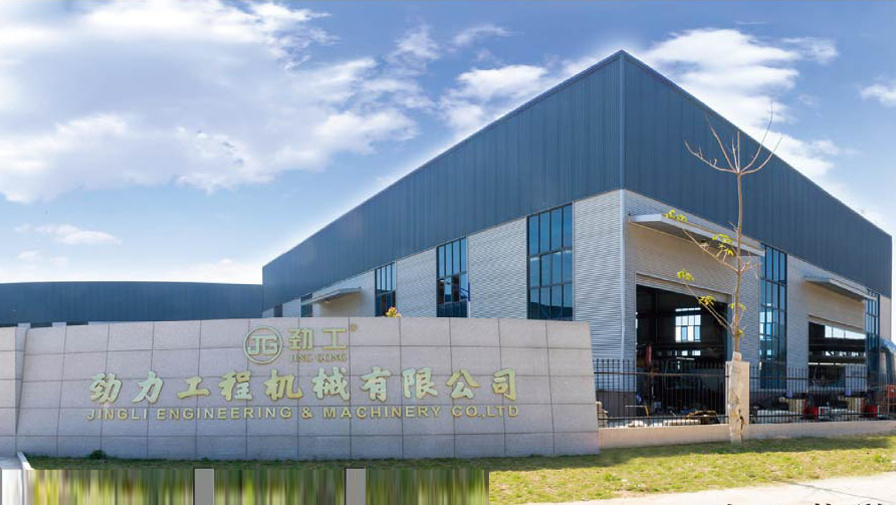
About UsQuanzhou Jinli Engineering Machinery Co., Ltd., established in July 2006, is a professional manufacturer specializing in design, development, production, and sales of equipment machinery.
-
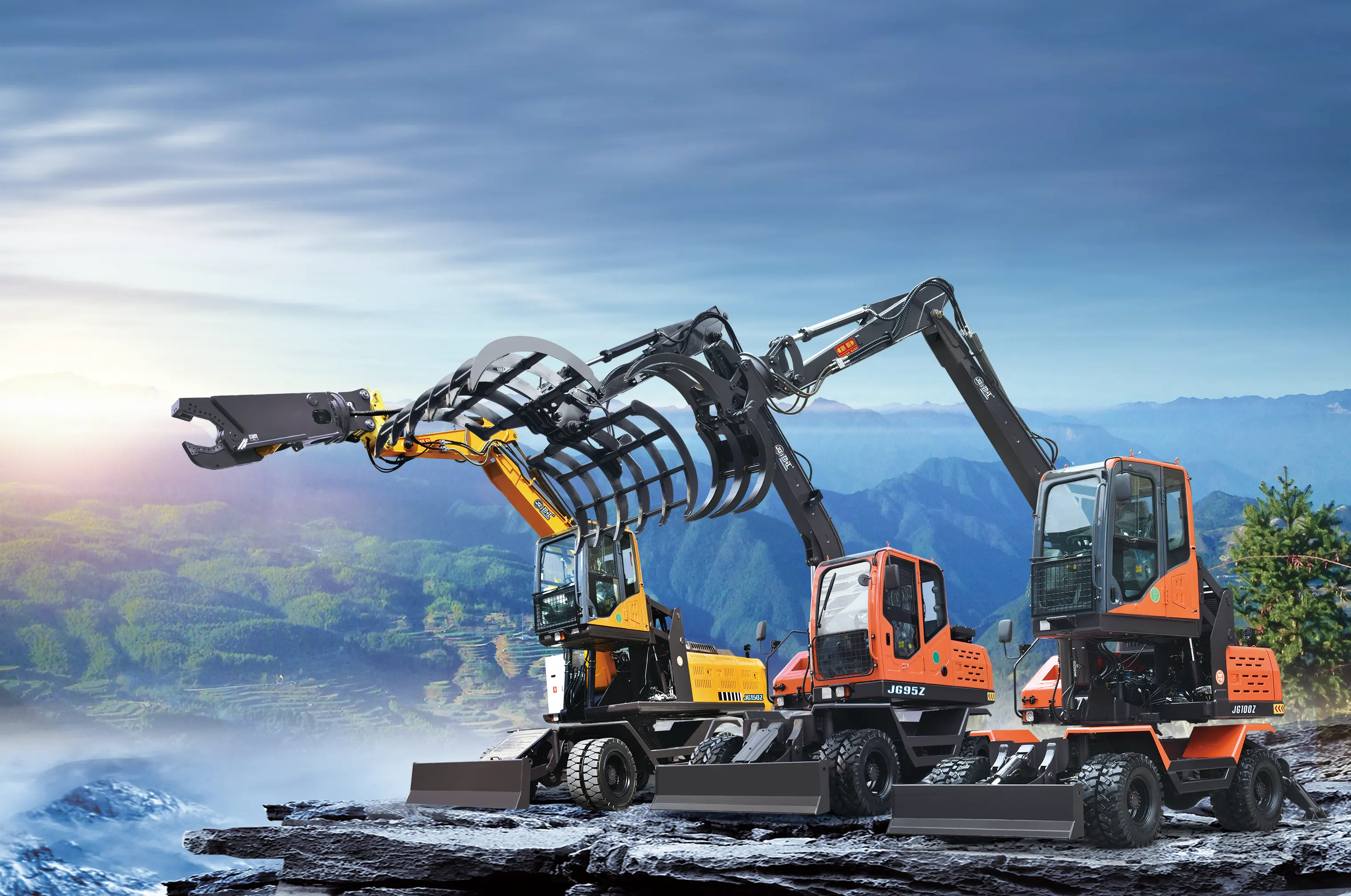
ProductsConstruction machinery: tire excavator, crawler excavator; Forestry machinery: bamboo and wood (sugarcane) picking and loading machines, multifunctional transfer machines; Harvesting machinery: whole rod sugarcane combine har
-
NewsJinggong adheres to the business philosophy of "technology supporting enterprises, quality bearing heavy trust", constantly develops new products guided by market demand, and presents satisfactory products to our customers.

-
ServiceSince its establishment, we have always adhered to the service philosophy of "being close, caring, full lifecycle, and full value chain".

-
Contact UsCorporate Honors We provide our customers not only with advantageous products, technologies, and services, but also with a comprehensive solution to meet diverse needs, thereby continuously creating value for customers and he


Online Inquiry

JINGONG
NEWS
Choosing the Right Customized Hydraulic Crawler Excavator for Your Construction Project
TIME:2023-12-21 09:00
Table of Contents:
1. Introduction: The Importance of Choosing the Right Hydraulic Crawler Excavator
2. Understanding the Customization Options for Hydraulic Crawler Excavators
3. Evaluating the Size and Weight Capacity of the Excavator
4. Assessing the Power and Performance of the Machine
5. Examining the Hydraulic System and Attachments
6. Considering the Excavator's Mobility and Versatility
7. Ensuring Operator Comfort and Safety Features
8. Evaluating Maintenance and Service Support
9. Frequently Asked Questions (FAQs)
a. What are the advantages of using a customized hydraulic crawler excavator?
b. How do I determine the right size of excavator for my project?
c. Can I attach additional tools or attachments to the excavator?
d. What safety features should I look for in a customized excavator?
e. How often does the excavator require maintenance?
10. Conclusion
1. Introduction: The Importance of Choosing the Right Hydraulic Crawler Excavator
When it comes to construction projects, the choice of equipment plays a crucial role in determining the overall success and efficiency. A hydraulic crawler excavator is a versatile and powerful machine that can significantly impact the productivity and performance of your construction project. In this article, we will guide you on how to choose the right customized hydraulic crawler excavator that perfectly aligns with your project requirements and enhances profitability.
2. Understanding the Customization Options for Hydraulic Crawler Excavators
One of the key advantages of hydraulic crawler excavators is their ability to be customized according to specific project needs. Customization options include the size, weight capacity, power, attachments, and various other features. By understanding the available customization options, you can tailor the excavator to meet the exact requirements of your construction project.
3. Evaluating the Size and Weight Capacity of the Excavator
The size and weight capacity of the excavator are crucial factors to consider. The size should be compatible with the available space at the construction site, ensuring unrestricted movement and efficient operation. The weight capacity should be able to handle the materials or loads commonly encountered in your project.
4. Assessing the Power and Performance of the Machine
The power and performance of a hydraulic crawler excavator are determined by factors such as engine horsepower, digging force, and cycle times. Opting for a machine with higher power ensures faster digging and lifting capabilities, reducing project timelines and increasing productivity. It is essential to match the excavator's power with the demands of your construction project.
5. Examining the Hydraulic System and Attachments
The hydraulic system is the heart of a hydraulic crawler excavator. It controls the movement and performance of the machine. Ensure that the excavator you choose has a reliable and efficient hydraulic system that enables smooth and precise operation. Additionally, consider the compatibility and availability of various attachments such as buckets, grapples, and breakers to expand the excavator's capabilities.
6. Considering the Excavator's Mobility and Versatility
Mobility and versatility are vital aspects of a customized hydraulic crawler excavator. It should be able to navigate challenging terrain, including uneven surfaces and limited access areas. Look for features like track adjustability, compact design, and multiple operating modes to ensure optimal maneuverability and adaptability to various job sites.
7. Ensuring Operator Comfort and Safety Features
The operator's comfort and safety are paramount when selecting a hydraulic crawler excavator. Features like ergonomic controls, adjustable seats, and climate-controlled cabins enhance the operator's comfort and reduce fatigue. Additionally, prioritize excavators with advanced safety features such as rearview cameras, proximity sensors, and stability control systems to minimize the risk of accidents and injuries.
8. Evaluating Maintenance and Service Support
Maintenance and service support are crucial for the long-term performance and reliability of your hydraulic crawler excavator. Ensure that the manufacturer or dealer provides prompt and efficient support, including routine maintenance, spare parts availability, and technical assistance. Regular maintenance and timely repairs will extend the excavator's lifespan and minimize downtime during your construction project.
9. Frequently Asked Questions (FAQs)
a. What are the advantages of using a customized hydraulic crawler excavator?
Using a customized hydraulic crawler excavator allows you to match the machine's specifications precisely to your project requirements. This enhances productivity, efficiency, and cost-effectiveness.
b. How do I determine the right size of excavator for my project?
Consider factors like the available space, weight capacity required, and the typical materials or loads encountered in your project to determine the appropriate size of the excavator.
c. Can I attach additional tools or attachments to the excavator?
Yes, hydraulic crawler excavators offer the flexibility to attach various tools and attachments like buckets, breakers, and grapples to enhance their functionality and adaptability to different tasks.
d. What safety features should I look for in a customized excavator?
Look for safety features such as rearview cameras, proximity sensors, stability control systems, and operator protection structures to ensure the safety of the operator and the surrounding environment.
e. How often does the excavator require maintenance?
The maintenance requirements of an excavator vary depending on factors like usage intensity, operating conditions, and manufacturer recommendations. Regular inspections and routine maintenance should be conducted as per the manufacturer's guidelines.
10. Conclusion
Choosing the right customized hydraulic crawler excavator is a critical decision that can significantly impact the success of your construction project. By considering factors such as size, weight capacity, power, attachments, mobility, operator comfort, and maintenance support, you can make an informed choice that maximizes efficiency, productivity, and safety. Partner with a reputable manufacturer or dealer to ensure you receive high-quality equipment tailored to your project's specific needs.
1. Introduction: The Importance of Choosing the Right Hydraulic Crawler Excavator
2. Understanding the Customization Options for Hydraulic Crawler Excavators
3. Evaluating the Size and Weight Capacity of the Excavator
4. Assessing the Power and Performance of the Machine
5. Examining the Hydraulic System and Attachments
6. Considering the Excavator's Mobility and Versatility
7. Ensuring Operator Comfort and Safety Features
8. Evaluating Maintenance and Service Support
9. Frequently Asked Questions (FAQs)
a. What are the advantages of using a customized hydraulic crawler excavator?
b. How do I determine the right size of excavator for my project?
c. Can I attach additional tools or attachments to the excavator?
d. What safety features should I look for in a customized excavator?
e. How often does the excavator require maintenance?
10. Conclusion
1. Introduction: The Importance of Choosing the Right Hydraulic Crawler Excavator
When it comes to construction projects, the choice of equipment plays a crucial role in determining the overall success and efficiency. A hydraulic crawler excavator is a versatile and powerful machine that can significantly impact the productivity and performance of your construction project. In this article, we will guide you on how to choose the right customized hydraulic crawler excavator that perfectly aligns with your project requirements and enhances profitability.
2. Understanding the Customization Options for Hydraulic Crawler Excavators
One of the key advantages of hydraulic crawler excavators is their ability to be customized according to specific project needs. Customization options include the size, weight capacity, power, attachments, and various other features. By understanding the available customization options, you can tailor the excavator to meet the exact requirements of your construction project.
3. Evaluating the Size and Weight Capacity of the Excavator
The size and weight capacity of the excavator are crucial factors to consider. The size should be compatible with the available space at the construction site, ensuring unrestricted movement and efficient operation. The weight capacity should be able to handle the materials or loads commonly encountered in your project.
4. Assessing the Power and Performance of the Machine
The power and performance of a hydraulic crawler excavator are determined by factors such as engine horsepower, digging force, and cycle times. Opting for a machine with higher power ensures faster digging and lifting capabilities, reducing project timelines and increasing productivity. It is essential to match the excavator's power with the demands of your construction project.
5. Examining the Hydraulic System and Attachments
The hydraulic system is the heart of a hydraulic crawler excavator. It controls the movement and performance of the machine. Ensure that the excavator you choose has a reliable and efficient hydraulic system that enables smooth and precise operation. Additionally, consider the compatibility and availability of various attachments such as buckets, grapples, and breakers to expand the excavator's capabilities.
6. Considering the Excavator's Mobility and Versatility
Mobility and versatility are vital aspects of a customized hydraulic crawler excavator. It should be able to navigate challenging terrain, including uneven surfaces and limited access areas. Look for features like track adjustability, compact design, and multiple operating modes to ensure optimal maneuverability and adaptability to various job sites.
7. Ensuring Operator Comfort and Safety Features
The operator's comfort and safety are paramount when selecting a hydraulic crawler excavator. Features like ergonomic controls, adjustable seats, and climate-controlled cabins enhance the operator's comfort and reduce fatigue. Additionally, prioritize excavators with advanced safety features such as rearview cameras, proximity sensors, and stability control systems to minimize the risk of accidents and injuries.
8. Evaluating Maintenance and Service Support
Maintenance and service support are crucial for the long-term performance and reliability of your hydraulic crawler excavator. Ensure that the manufacturer or dealer provides prompt and efficient support, including routine maintenance, spare parts availability, and technical assistance. Regular maintenance and timely repairs will extend the excavator's lifespan and minimize downtime during your construction project.
9. Frequently Asked Questions (FAQs)
a. What are the advantages of using a customized hydraulic crawler excavator?
Using a customized hydraulic crawler excavator allows you to match the machine's specifications precisely to your project requirements. This enhances productivity, efficiency, and cost-effectiveness.
b. How do I determine the right size of excavator for my project?
Consider factors like the available space, weight capacity required, and the typical materials or loads encountered in your project to determine the appropriate size of the excavator.
c. Can I attach additional tools or attachments to the excavator?
Yes, hydraulic crawler excavators offer the flexibility to attach various tools and attachments like buckets, breakers, and grapples to enhance their functionality and adaptability to different tasks.
d. What safety features should I look for in a customized excavator?
Look for safety features such as rearview cameras, proximity sensors, stability control systems, and operator protection structures to ensure the safety of the operator and the surrounding environment.
e. How often does the excavator require maintenance?
The maintenance requirements of an excavator vary depending on factors like usage intensity, operating conditions, and manufacturer recommendations. Regular inspections and routine maintenance should be conducted as per the manufacturer's guidelines.
10. Conclusion
Choosing the right customized hydraulic crawler excavator is a critical decision that can significantly impact the success of your construction project. By considering factors such as size, weight capacity, power, attachments, mobility, operator comfort, and maintenance support, you can make an informed choice that maximizes efficiency, productivity, and safety. Partner with a reputable manufacturer or dealer to ensure you receive high-quality equipment tailored to your project's specific needs.
Related News
Contact Us
No. 88, Pan Cuo, Jiaonan Village, Heshizhen, Luojiang District, Quanzhou City, Fujian Province


