
-
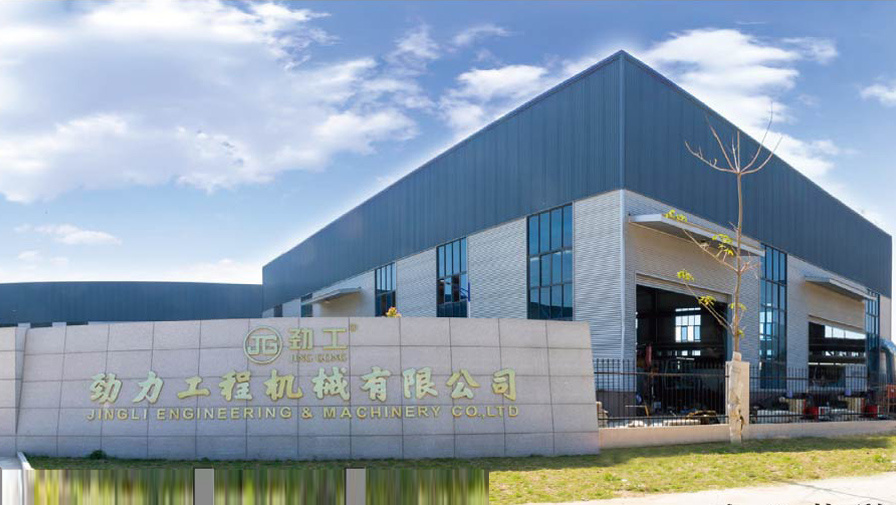
About UsQuanzhou Jinli Engineering Machinery Co., Ltd., established in July 2006, is a professional manufacturer specializing in design, development, production, and sales of equipment machinery.
-
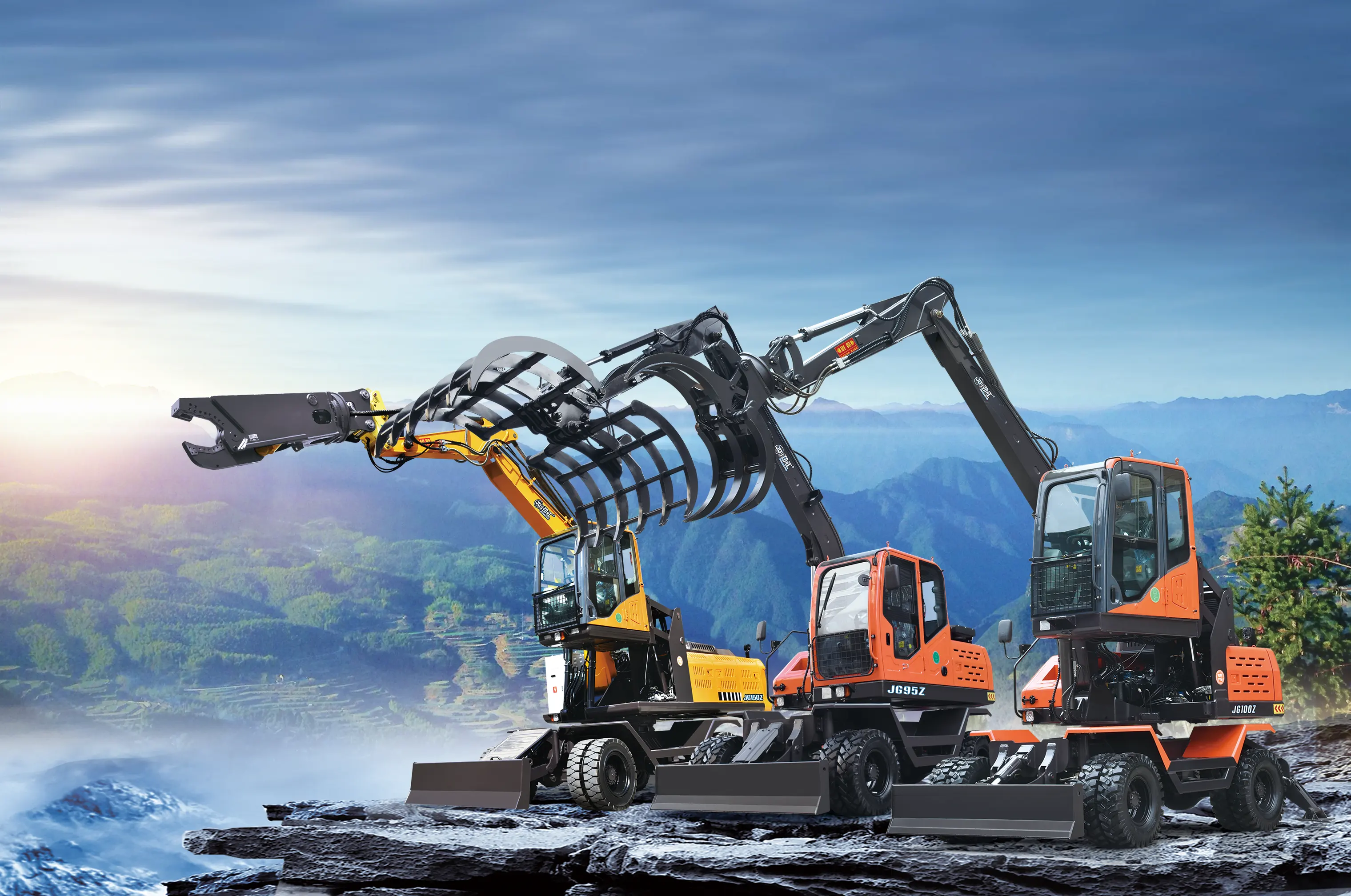
ProductsConstruction machinery: tire excavator, crawler excavator; Forestry machinery: bamboo and wood (sugarcane) picking and loading machines, multifunctional transfer machines; Harvesting machinery: whole rod sugarcane combine har
-
NewsJinggong adheres to the business philosophy of "technology supporting enterprises, quality bearing heavy trust", constantly develops new products guided by market demand, and presents satisfactory products to our customers.

-
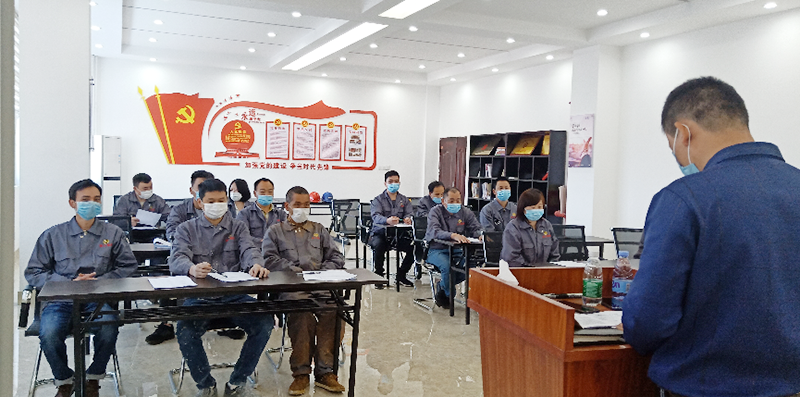
ServiceSince its establishment, we have always adhered to the service philosophy of "being close, caring, full lifecycle, and full value chain".
-
Contact UsCorporate Honors We provide our customers not only with advantageous products, technologies, and services, but also with a comprehensive solution to meet diverse needs, thereby continuously creating value for customers and he


Online Inquiry

JINGONG
NEWS
Common Mistakes to Avoid When Using Classy Compaction Wheel for Excavator: A Comprehensive Guide
TIME:2023-12-26 09:00
Table of Contents:
1. Introduction
2. Understanding the Classy Compaction Wheel for Excavator
3. Mistake 1: Neglecting Proper Training and Familiarization
4. Mistake 2: Ignoring Manufacturer Guidelines and Specifications
5. Mistake 3: Incorrect Installation and Attachment
6. Mistake 4: Inadequate Inspection and Maintenance Procedures
7. Mistake 5: Overloading and Improper Weight Distribution
8. Mistake 6: Using the Wrong Soil Type or Ground Conditions
9. Mistake 7: Ignoring Safety Precautions
10. Mistake 8: Failing to Monitor Performance and Adjust as Needed
11. Frequently Asked Questions (FAQs)
12. Conclusion
Using a classy compaction wheel for an excavator offers numerous advantages in the construction and engineering industry. However, without proper knowledge and understanding, certain mistakes can lead to performance issues, equipment damage, and potential safety hazards. In this article, we will delve into the most common mistakes to avoid when using this specialized attachment, ensuring optimal results and longevity for your excavator.
Before we dive into the mistakes to avoid, let's first gain a comprehensive understanding of what a classy compaction wheel for an excavator is. This attachment is designed to compact soil and other materials, improving stability and increasing load-bearing capacity. Its unique design allows for efficient compaction, making it an essential tool in various construction and landscaping projects.
One of the most critical mistakes when using a classy compaction wheel for an excavator is neglecting proper training and familiarization with the equipment. Operators must receive comprehensive training to understand the attachment's features, functions, and safe operation techniques. Ignoring this step can lead to improper usage, reduced efficiency, and potential accidents.
Each classy compaction wheel for an excavator comes with specific guidelines and specifications provided by the manufacturer. Ignoring or disregarding these guidelines is a common mistake that can result in equipment damage, decreased productivity, and even voiding warranties. It is crucial to carefully review and adhere to the manufacturer's instructions for optimal performance and safety.
Improper installation and attachment of the classy compaction wheel is a mistake that can have detrimental effects on both the attachment and the excavator. Failing to secure the compaction wheel correctly can lead to detachment during operation, causing accidents and equipment damage. It is essential to follow the recommended installation procedures to ensure a secure and reliable attachment.
Regular inspection and maintenance are vital for the smooth functioning and longevity of the classy compaction wheel. Neglecting these procedures can result in premature wear and tear, decreased performance, and costly repairs. It is necessary to establish a routine inspection and maintenance schedule to identify potential issues early on and take prompt corrective measures.
Overloading the classy compaction wheel or improper weight distribution on the excavator can lead to excessive stress on both the attachment and the machine. This mistake can cause structural damage, decreased compaction efficiency, and potential safety risks. Operators should be aware of the recommended weight limits and ensure proper distribution to maintain optimal performance.
Using the classy compaction wheel on the wrong soil type or unsuitable ground conditions is a common error that can hinder the compaction process and compromise results. Different soil types require specific compaction techniques and attachments. Choosing the wrong compaction wheel can lead to inefficiency, inadequate compaction, and potential project delays. It is crucial to assess the soil type and ground conditions before selecting the appropriate attachment.
Safety should always be a top priority when using a classy compaction wheel for an excavator. Ignoring safety precautions can result in severe accidents, injuries, or even fatalities. Operators must adhere to all safety guidelines, wear appropriate personal protective equipment, and ensure a safe working environment for themselves and others.
Regularly monitoring the performance of the classy compaction wheel and making necessary adjustments is crucial for optimal results. Failing to do so can lead to inefficiency, inadequate compaction, and potential project setbacks. Operators should be attentive to the attachment's performance, make adjustments as required, and promptly address any issues that arise.
1. What is the purpose of a compaction wheel for an excavator?
2. How often should the classy compaction wheel be inspected?
3. Can I use the compaction wheel on any type of soil?
4. Are there any weight restrictions for using the attachment?
5. What are the essential safety precautions when using a classy compaction wheel?
In conclusion, avoiding common mistakes when using a classy compaction wheel for an excavator is crucial to maximize its efficiency and longevity. By emphasizing proper training, following manufacturer guidelines, ensuring correct installation, regular inspection and maintenance, proper weight distribution, suitable soil type and ground conditions, prioritizing safety, and monitoring performance, you can achieve optimal results and avoid costly errors. Remember, a well-informed operator is the key to successful and safe operation.
1. Introduction
2. Understanding the Classy Compaction Wheel for Excavator
3. Mistake 1: Neglecting Proper Training and Familiarization
4. Mistake 2: Ignoring Manufacturer Guidelines and Specifications
5. Mistake 3: Incorrect Installation and Attachment
6. Mistake 4: Inadequate Inspection and Maintenance Procedures
7. Mistake 5: Overloading and Improper Weight Distribution
8. Mistake 6: Using the Wrong Soil Type or Ground Conditions
9. Mistake 7: Ignoring Safety Precautions
10. Mistake 8: Failing to Monitor Performance and Adjust as Needed
11. Frequently Asked Questions (FAQs)
12. Conclusion
Introduction
Using a classy compaction wheel for an excavator offers numerous advantages in the construction and engineering industry. However, without proper knowledge and understanding, certain mistakes can lead to performance issues, equipment damage, and potential safety hazards. In this article, we will delve into the most common mistakes to avoid when using this specialized attachment, ensuring optimal results and longevity for your excavator.
Understanding the Classy Compaction Wheel for Excavator
Before we dive into the mistakes to avoid, let's first gain a comprehensive understanding of what a classy compaction wheel for an excavator is. This attachment is designed to compact soil and other materials, improving stability and increasing load-bearing capacity. Its unique design allows for efficient compaction, making it an essential tool in various construction and landscaping projects.
Mistake 1: Neglecting Proper Training and Familiarization
One of the most critical mistakes when using a classy compaction wheel for an excavator is neglecting proper training and familiarization with the equipment. Operators must receive comprehensive training to understand the attachment's features, functions, and safe operation techniques. Ignoring this step can lead to improper usage, reduced efficiency, and potential accidents.
Mistake 2: Ignoring Manufacturer Guidelines and Specifications
Each classy compaction wheel for an excavator comes with specific guidelines and specifications provided by the manufacturer. Ignoring or disregarding these guidelines is a common mistake that can result in equipment damage, decreased productivity, and even voiding warranties. It is crucial to carefully review and adhere to the manufacturer's instructions for optimal performance and safety.
Mistake 3: Incorrect Installation and Attachment
Improper installation and attachment of the classy compaction wheel is a mistake that can have detrimental effects on both the attachment and the excavator. Failing to secure the compaction wheel correctly can lead to detachment during operation, causing accidents and equipment damage. It is essential to follow the recommended installation procedures to ensure a secure and reliable attachment.
Mistake 4: Inadequate Inspection and Maintenance Procedures
Regular inspection and maintenance are vital for the smooth functioning and longevity of the classy compaction wheel. Neglecting these procedures can result in premature wear and tear, decreased performance, and costly repairs. It is necessary to establish a routine inspection and maintenance schedule to identify potential issues early on and take prompt corrective measures.
Mistake 5: Overloading and Improper Weight Distribution
Overloading the classy compaction wheel or improper weight distribution on the excavator can lead to excessive stress on both the attachment and the machine. This mistake can cause structural damage, decreased compaction efficiency, and potential safety risks. Operators should be aware of the recommended weight limits and ensure proper distribution to maintain optimal performance.
Mistake 6: Using the Wrong Soil Type or Ground Conditions
Using the classy compaction wheel on the wrong soil type or unsuitable ground conditions is a common error that can hinder the compaction process and compromise results. Different soil types require specific compaction techniques and attachments. Choosing the wrong compaction wheel can lead to inefficiency, inadequate compaction, and potential project delays. It is crucial to assess the soil type and ground conditions before selecting the appropriate attachment.
Mistake 7: Ignoring Safety Precautions
Safety should always be a top priority when using a classy compaction wheel for an excavator. Ignoring safety precautions can result in severe accidents, injuries, or even fatalities. Operators must adhere to all safety guidelines, wear appropriate personal protective equipment, and ensure a safe working environment for themselves and others.
Mistake 8: Failing to Monitor Performance and Adjust as Needed
Regularly monitoring the performance of the classy compaction wheel and making necessary adjustments is crucial for optimal results. Failing to do so can lead to inefficiency, inadequate compaction, and potential project setbacks. Operators should be attentive to the attachment's performance, make adjustments as required, and promptly address any issues that arise.
Frequently Asked Questions (FAQs)
1. What is the purpose of a compaction wheel for an excavator?
2. How often should the classy compaction wheel be inspected?
3. Can I use the compaction wheel on any type of soil?
4. Are there any weight restrictions for using the attachment?
5. What are the essential safety precautions when using a classy compaction wheel?
Conclusion
In conclusion, avoiding common mistakes when using a classy compaction wheel for an excavator is crucial to maximize its efficiency and longevity. By emphasizing proper training, following manufacturer guidelines, ensuring correct installation, regular inspection and maintenance, proper weight distribution, suitable soil type and ground conditions, prioritizing safety, and monitoring performance, you can achieve optimal results and avoid costly errors. Remember, a well-informed operator is the key to successful and safe operation.
Related News
Contact Us
No. 88, Pan Cuo, Jiaonan Village, Heshizhen, Luojiang District, Quanzhou City, Fujian Province


