
-
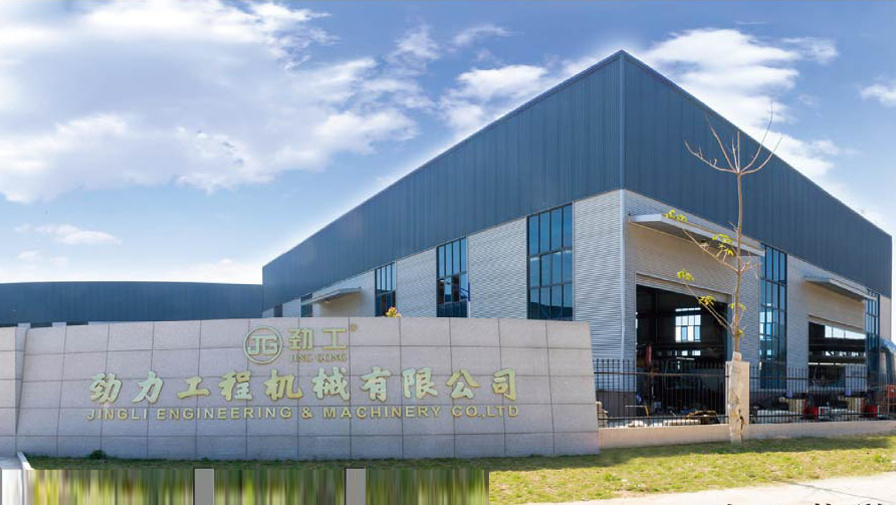
About UsQuanzhou Jinli Engineering Machinery Co., Ltd., established in July 2006, is a professional manufacturer specializing in design, development, production, and sales of equipment machinery.
-
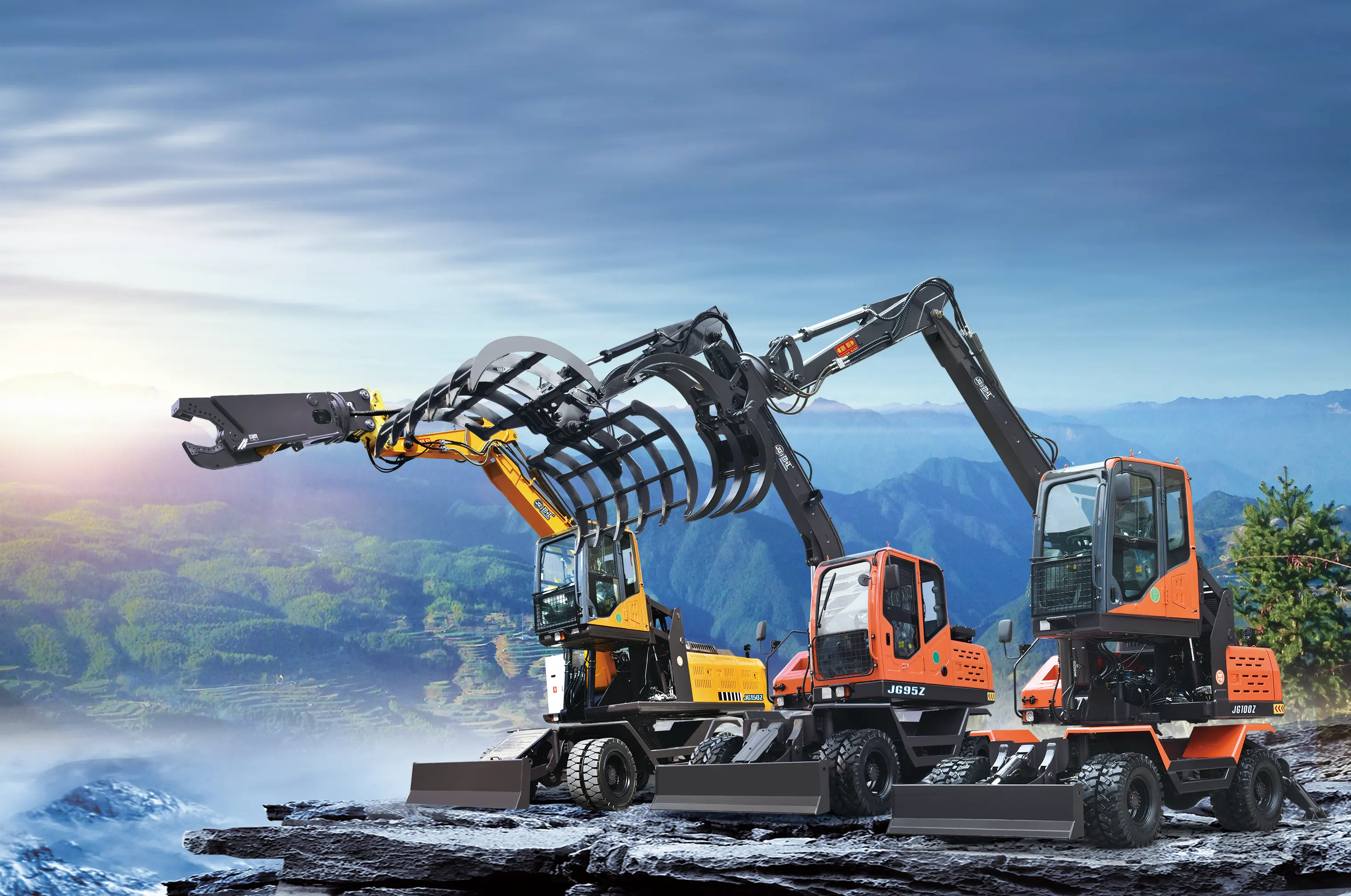
ProductsConstruction machinery: tire excavator, crawler excavator; Forestry machinery: bamboo and wood (sugarcane) picking and loading machines, multifunctional transfer machines; Harvesting machinery: whole rod sugarcane combine har
-
NewsJinggong adheres to the business philosophy of "technology supporting enterprises, quality bearing heavy trust", constantly develops new products guided by market demand, and presents satisfactory products to our customers.

-
ServiceSince its establishment, we have always adhered to the service philosophy of "being close, caring, full lifecycle, and full value chain".

-
Contact UsCorporate Honors We provide our customers not only with advantageous products, technologies, and services, but also with a comprehensive solution to meet diverse needs, thereby continuously creating value for customers and he


Online Inquiry

JINGONG
NEWS
Choosing the Right Hydraulic Crawler Excavator: Insights from Industry-leading Companies
TIME:2023-12-28 09:21
Table of Contents:
1. Introduction: Understanding the Importance of Choosing the Right Hydraulic Crawler Excavator
2. Key Factors to Consider When Selecting a Hydraulic Crawler Excavator
2.1. Performance and Power
2.2. Operating Weight and Size
2.3. Digging Depth and Reach
2.4. Bucket Capacity and Attachments
2.5. Fuel Efficiency and Environmental Impact
2.6. Durability and Maintenance
2.7. Advanced Features and Technology
2.8. Cost and Return on Investment (ROI)
3. Insights from Industry-leading Companies: Best Practices in Choosing a Hydraulic Crawler Excavator
3.1. Company A: Focus on Performance and Power
3.2. Company B: Prioritizing Fuel Efficiency and Environmental Impact
3.3. Company C: Emphasis on Durability and Maintenance
3.4. Company D: Innovations in Advanced Features and Technology
4. Frequently Asked Questions (FAQs)
4.1. What is the ideal operating weight for a hydraulic crawler excavator?
4.2. How can I determine the right bucket capacity for my project?
4.3. Are there any specific attachments that enhance the excavator's versatility?
4.4. What are the benefits of investing in a fuel-efficient hydraulic crawler excavator?
4.5. How often should I schedule maintenance for my excavator?
4.6. What advanced features should I look for in a hydraulic crawler excavator?
4.7. How can I calculate the potential ROI of a hydraulic crawler excavator?
4.8. Is it better to buy or rent a hydraulic crawler excavator for my project?
5. Conclusion: Making an Informed Decision for Optimal Excavation Performance
Selecting the appropriate hydraulic crawler excavator is crucial for any construction or engineering project. The right excavator can significantly impact productivity, efficiency, and overall project success. By exploring insights from industry-leading companies, you can gain valuable knowledge to guide your decision-making process.
When choosing a hydraulic crawler excavator, several factors should be taken into account to ensure optimal performance. These factors include:
The performance and power of an excavator are essential for efficient digging, lifting, and loading operations. Consider the engine horsepower, hydraulic system capabilities, and digging force when evaluating the excavator's performance.
The operating weight and size of the excavator determine its maneuverability and suitability for different job sites. It is crucial to assess the machine's weight limits and ensure it can handle the required tasks without compromising stability.
The excavator's digging depth and reach directly impact its ability to handle various excavation tasks. Evaluate the maximum reach and depth specifications to ensure they align with your project requirements.
The bucket capacity and available attachments play a significant role in the excavator's versatility. Consider the required bucket size and explore additional attachments such as breakers, grapples, or augers based on your project needs.
Opting for a fuel-efficient excavator not only reduces operational costs but also minimizes the environmental impact. Look for models with advanced engine technologies and features like auto-idle or eco-mode to increase fuel efficiency.
An excavator's durability and ease of maintenance can significantly impact its lifespan and overall operating costs. Evaluate the quality of materials, design, and accessibility for routine maintenance and repairs.
Excavators with advanced features and technology can enhance productivity and efficiency. Look for features like GPS systems, telematics, or automated functions that assist operators in streamlining operations.
Consider the initial investment cost, financing options, and potential return on investment when selecting an excavator. Assess the long-term benefits and weigh them against the upfront expenses to make an informed financial decision.
To gain valuable insights into the selection process, let's explore best practices followed by some industry-leading companies:
Company A emphasizes the importance of selecting excavators with high-performance engines and robust hydraulic systems. Their recommendation is to prioritize digging force and hydraulic capabilities to ensure efficient operations in demanding conditions.
Company B highlights the significance of fuel efficiency and reducing environmental impact. They advocate for excavators equipped with advanced engine technologies and features like auto-idle to optimize fuel consumption and minimize emissions.
Company C places a strong emphasis on durable excavators with easy maintenance requirements. They stress the importance of selecting machines with quality materials and accessible components, reducing downtime and overall operating costs.
Company D focuses on excavators with cutting-edge features and technology. They recommend considering features like GPS systems or telematics that enhance productivity and provide real-time data for efficient project management.
Here are answers to some frequently asked questions related to choosing the right hydraulic crawler excavator:
The ideal operating weight depends on the specific project requirements. Consider factors like job site conditions, lifting capacities, and transportation limitations to determine the appropriate operating weight.
The right bucket capacity depends on the type of materials being excavated and the desired productivity. Consult with industry experts or manufacturers to assess your project needs accurately.
Yes, various attachments like breakers, grapples, or augers can enhance the excavator's versatility. Assess your project requirements and consult with manufacturers or experts to determine the most suitable attachments.
Investing in a fuel-efficient excavator reduces operational costs, lowers emissions, and contributes to environmental sustainability. It also ensures longer operating hours on a single tank and reduces refueling downtime.
The maintenance schedule depends on the manufacturer's recommendations and the operating conditions. Regular inspections, routine maintenance, and timely repairs are vital to ensure optimal performance and longevity.
Advanced features like GPS systems, telematics, automated functions, or remote monitoring enhance productivity and efficiency. Assess your project requirements and explore the available features to optimize operations.
To calculate the potential return on investment, consider factors like projected utilization, estimated fuel savings, reduced maintenance costs, and increased productivity. Consult with financial experts or manufacturers for a comprehensive analysis.
The decision to buy or rent an excavator depends on various factors like project duration, frequency of use, capital availability, and long-term equipment needs. Evaluate the pros and cons of each option to determine the most cost-effective solution.
Choosing the right hydraulic crawler excavator is crucial to ensure optimal excavation performance, productivity, and efficiency. By considering key factors such as performance, size, attachments, and advanced features, along with insights from industry-leading companies, you can make an informed decision that maximizes your project's success. Take the time to evaluate your specific requirements and consult with experts to select a hydraulic crawler excavator that meets your needs and surpasses your expectations.
1. Introduction: Understanding the Importance of Choosing the Right Hydraulic Crawler Excavator
2. Key Factors to Consider When Selecting a Hydraulic Crawler Excavator
2.1. Performance and Power
2.2. Operating Weight and Size
2.3. Digging Depth and Reach
2.4. Bucket Capacity and Attachments
2.5. Fuel Efficiency and Environmental Impact
2.6. Durability and Maintenance
2.7. Advanced Features and Technology
2.8. Cost and Return on Investment (ROI)
3. Insights from Industry-leading Companies: Best Practices in Choosing a Hydraulic Crawler Excavator
3.1. Company A: Focus on Performance and Power
3.2. Company B: Prioritizing Fuel Efficiency and Environmental Impact
3.3. Company C: Emphasis on Durability and Maintenance
3.4. Company D: Innovations in Advanced Features and Technology
4. Frequently Asked Questions (FAQs)
4.1. What is the ideal operating weight for a hydraulic crawler excavator?
4.2. How can I determine the right bucket capacity for my project?
4.3. Are there any specific attachments that enhance the excavator's versatility?
4.4. What are the benefits of investing in a fuel-efficient hydraulic crawler excavator?
4.5. How often should I schedule maintenance for my excavator?
4.6. What advanced features should I look for in a hydraulic crawler excavator?
4.7. How can I calculate the potential ROI of a hydraulic crawler excavator?
4.8. Is it better to buy or rent a hydraulic crawler excavator for my project?
5. Conclusion: Making an Informed Decision for Optimal Excavation Performance
Introduction: Understanding the Importance of Choosing the Right Hydraulic Crawler Excavator
Selecting the appropriate hydraulic crawler excavator is crucial for any construction or engineering project. The right excavator can significantly impact productivity, efficiency, and overall project success. By exploring insights from industry-leading companies, you can gain valuable knowledge to guide your decision-making process.
Key Factors to Consider When Selecting a Hydraulic Crawler Excavator
When choosing a hydraulic crawler excavator, several factors should be taken into account to ensure optimal performance. These factors include:
2.1 Performance and Power
The performance and power of an excavator are essential for efficient digging, lifting, and loading operations. Consider the engine horsepower, hydraulic system capabilities, and digging force when evaluating the excavator's performance.
2.2 Operating Weight and Size
The operating weight and size of the excavator determine its maneuverability and suitability for different job sites. It is crucial to assess the machine's weight limits and ensure it can handle the required tasks without compromising stability.
2.3 Digging Depth and Reach
The excavator's digging depth and reach directly impact its ability to handle various excavation tasks. Evaluate the maximum reach and depth specifications to ensure they align with your project requirements.
2.4 Bucket Capacity and Attachments
The bucket capacity and available attachments play a significant role in the excavator's versatility. Consider the required bucket size and explore additional attachments such as breakers, grapples, or augers based on your project needs.
2.5 Fuel Efficiency and Environmental Impact
Opting for a fuel-efficient excavator not only reduces operational costs but also minimizes the environmental impact. Look for models with advanced engine technologies and features like auto-idle or eco-mode to increase fuel efficiency.
2.6 Durability and Maintenance
An excavator's durability and ease of maintenance can significantly impact its lifespan and overall operating costs. Evaluate the quality of materials, design, and accessibility for routine maintenance and repairs.
2.7 Advanced Features and Technology
Excavators with advanced features and technology can enhance productivity and efficiency. Look for features like GPS systems, telematics, or automated functions that assist operators in streamlining operations.
2.8 Cost and Return on Investment (ROI)
Consider the initial investment cost, financing options, and potential return on investment when selecting an excavator. Assess the long-term benefits and weigh them against the upfront expenses to make an informed financial decision.
Insights from Industry-leading Companies: Best Practices in Choosing a Hydraulic Crawler Excavator
To gain valuable insights into the selection process, let's explore best practices followed by some industry-leading companies:
3.1 Company A: Focus on Performance and Power
Company A emphasizes the importance of selecting excavators with high-performance engines and robust hydraulic systems. Their recommendation is to prioritize digging force and hydraulic capabilities to ensure efficient operations in demanding conditions.
3.2 Company B: Prioritizing Fuel Efficiency and Environmental Impact
Company B highlights the significance of fuel efficiency and reducing environmental impact. They advocate for excavators equipped with advanced engine technologies and features like auto-idle to optimize fuel consumption and minimize emissions.
3.3 Company C: Emphasis on Durability and Maintenance
Company C places a strong emphasis on durable excavators with easy maintenance requirements. They stress the importance of selecting machines with quality materials and accessible components, reducing downtime and overall operating costs.
3.4 Company D: Innovations in Advanced Features and Technology
Company D focuses on excavators with cutting-edge features and technology. They recommend considering features like GPS systems or telematics that enhance productivity and provide real-time data for efficient project management.
Frequently Asked Questions (FAQs)
Here are answers to some frequently asked questions related to choosing the right hydraulic crawler excavator:
4.1 What is the ideal operating weight for a hydraulic crawler excavator?
The ideal operating weight depends on the specific project requirements. Consider factors like job site conditions, lifting capacities, and transportation limitations to determine the appropriate operating weight.
4.2 How can I determine the right bucket capacity for my project?
The right bucket capacity depends on the type of materials being excavated and the desired productivity. Consult with industry experts or manufacturers to assess your project needs accurately.
4.3 Are there any specific attachments that enhance the excavator's versatility?
Yes, various attachments like breakers, grapples, or augers can enhance the excavator's versatility. Assess your project requirements and consult with manufacturers or experts to determine the most suitable attachments.
4.4 What are the benefits of investing in a fuel-efficient hydraulic crawler excavator?
Investing in a fuel-efficient excavator reduces operational costs, lowers emissions, and contributes to environmental sustainability. It also ensures longer operating hours on a single tank and reduces refueling downtime.
4.5 How often should I schedule maintenance for my excavator?
The maintenance schedule depends on the manufacturer's recommendations and the operating conditions. Regular inspections, routine maintenance, and timely repairs are vital to ensure optimal performance and longevity.
4.6 What advanced features should I look for in a hydraulic crawler excavator?
Advanced features like GPS systems, telematics, automated functions, or remote monitoring enhance productivity and efficiency. Assess your project requirements and explore the available features to optimize operations.
4.7 How can I calculate the potential ROI of a hydraulic crawler excavator?
To calculate the potential return on investment, consider factors like projected utilization, estimated fuel savings, reduced maintenance costs, and increased productivity. Consult with financial experts or manufacturers for a comprehensive analysis.
4.8 Is it better to buy or rent a hydraulic crawler excavator for my project?
The decision to buy or rent an excavator depends on various factors like project duration, frequency of use, capital availability, and long-term equipment needs. Evaluate the pros and cons of each option to determine the most cost-effective solution.
Conclusion: Making an Informed Decision for Optimal Excavation Performance
Choosing the right hydraulic crawler excavator is crucial to ensure optimal excavation performance, productivity, and efficiency. By considering key factors such as performance, size, attachments, and advanced features, along with insights from industry-leading companies, you can make an informed decision that maximizes your project's success. Take the time to evaluate your specific requirements and consult with experts to select a hydraulic crawler excavator that meets your needs and surpasses your expectations.
Related News
Contact Us
No. 88, Pan Cuo, Jiaonan Village, Heshizhen, Luojiang District, Quanzhou City, Fujian Province


