
-
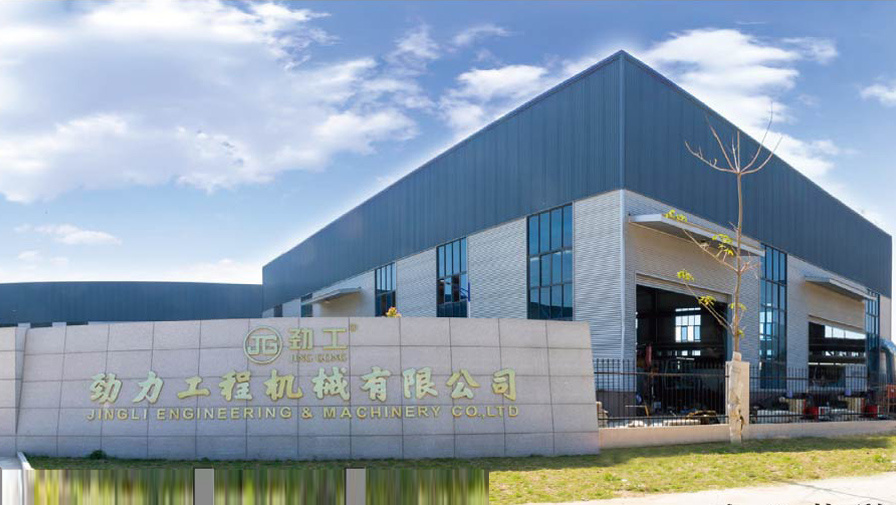
About UsQuanzhou Jinli Engineering Machinery Co., Ltd., established in July 2006, is a professional manufacturer specializing in design, development, production, and sales of equipment machinery.
-
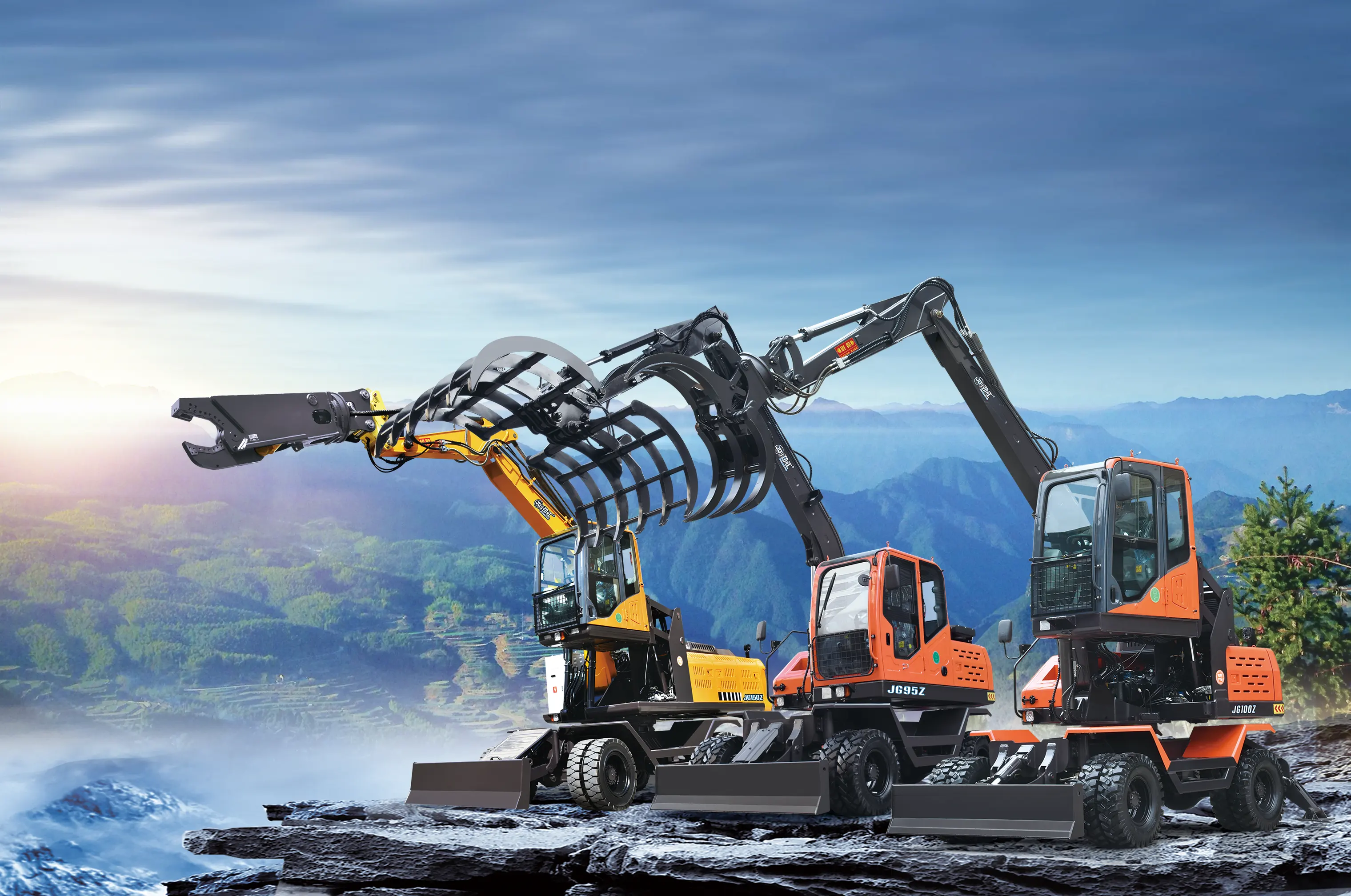
ProductsConstruction machinery: tire excavator, crawler excavator; Forestry machinery: bamboo and wood (sugarcane) picking and loading machines, multifunctional transfer machines; Harvesting machinery: whole rod sugarcane combine har
-
NewsJinggong adheres to the business philosophy of "technology supporting enterprises, quality bearing heavy trust", constantly develops new products guided by market demand, and presents satisfactory products to our customers.

-
ServiceSince its establishment, we have always adhered to the service philosophy of "being close, caring, full lifecycle, and full value chain".

-
Contact UsCorporate Honors We provide our customers not only with advantageous products, technologies, and services, but also with a comprehensive solution to meet diverse needs, thereby continuously creating value for customers and he


Online Inquiry

JINGONG
NEWS
Enhance Soil Compaction with a Mini Excavator Compaction Wheel
TIME:2024-01-01 10:40
Table of Contents:
1. Introduction: The Importance of Soil Compaction
2. Understanding Soil Compaction
2.1 What is Soil Compaction?
2.2 Why is Soil Compaction Important in Construction?
3. The Role of Mini Excavator Compaction Wheels
3.1 What is a Mini Excavator Compaction Wheel?
3.2 How Does a Mini Excavator Compaction Wheel Work?
4. Advantages of Using a Mini Excavator Compaction Wheel
4.1 Increased Efficiency and Productivity
4.2 Enhanced Soil Stability and Load-Bearing Capacity
4.3 Cost Savings and Time Efficiency
4.4 Versatility and Adaptability to Different Terrains
5. Factors to Consider When Choosing a Mini Excavator Compaction Wheel
5.1 Size and Weight
5.2 Drum Design and Construction
5.3 Vibration Frequency and Force
5.4 Compatibility with Excavator Models
6. Common Applications of Mini Excavator Compaction Wheels
6.1 Road Construction and Repair
6.2 Building Foundations and Footings
6.3 Trench Backfilling and Pipeline Construction
6.4 Landscaping and Ground Improvement
7. Frequently Asked Questions (FAQs)
7.1 How does a mini excavator compaction wheel compare to other compaction methods?
7.2 Can a mini excavator compaction wheel be used in tight or confined spaces?
7.3 Is it necessary to wet the soil before using a compaction wheel?
7.4 What maintenance is required for a mini excavator compaction wheel?
7.5 Can a mini excavator compaction wheel be used on different soil types?
8. Conclusion: Achieve Optimal Soil Compaction with a Mini Excavator Compaction Wheel
1. Introduction: The Importance of Soil Compaction
Proper soil compaction is crucial in construction projects to ensure the durability, stability, and longevity of structures. It involves the process of mechanically increasing the density of soil particles, reducing air voids, and improving its load-bearing capacity. Inadequate soil compaction can lead to settlement, differential settlement, and structural failures, compromising the safety and integrity of buildings, roads, and infrastructure.
2. Understanding Soil Compaction
2.1 What is Soil Compaction?
Soil compaction refers to the process of mechanically compressing soil particles, reducing pore spaces, and increasing its bulk density. It involves the application of external force to the soil, which reduces air and water content, resulting in improved load-bearing capacity and stability.
2.2 Why is Soil Compaction Important in Construction?
Proper soil compaction is essential for several reasons:
- Increases the soil's ability to bear loads and resist deformation
- Prevents excessive settlement and differential settlement
- Enhances the stability and durability of structures
- Improves the performance of pavements and roadways
- Reduces the occurrence of soil erosion and shifting
3. The Role of Mini Excavator Compaction Wheels
3.1 What is a Mini Excavator Compaction Wheel?
A mini excavator compaction wheel is a specialized attachment designed to enhance soil compaction efficiency. It is typically mounted on the end of an excavator arm and operates by exerting downward force and vibration onto the soil surface. The compaction wheel consists of a drum with specially designed lugs or pads that penetrate the soil, compacting it effectively.
3.2 How Does a Mini Excavator Compaction Wheel Work?
When the mini excavator compaction wheel is in operation, it exerts pressure on the soil, reducing air voids and increasing its density. The vibration generated by the compaction wheel ensures optimal compaction by improving particle rearrangement and eliminating voids. This results in a more stable and evenly compacted soil, ready for construction activities.
4. Advantages of Using a Mini Excavator Compaction Wheel
4.1 Increased Efficiency and Productivity
Utilizing a mini excavator compaction wheel allows for faster and more efficient soil compaction compared to manual methods. It eliminates the need for labor-intensive processes such as manually tamping or compacting soil using handheld tools, saving both time and manpower.
4.2 Enhanced Soil Stability and Load-Bearing Capacity
The use of a mini excavator compaction wheel ensures uniform soil compaction, eliminating weak spots and irregularities. This enhances the soil's stability and load-bearing capacity, providing a solid foundation for construction and reducing the risk of settlement or structural failure.
4.3 Cost Savings and Time Efficiency
By utilizing a mini excavator compaction wheel, construction projects can save on labor costs and complete compaction tasks more efficiently. The productivity gained from using this specialized attachment can significantly reduce project timelines and associated costs, positively impacting the overall budget.
4.4 Versatility and Adaptability to Different Terrains
Mini excavator compaction wheels are designed to be versatile and adaptable to various terrains and soil types. Whether it's compacting cohesive soils, granular materials, or even mixed soil compositions, these attachments can provide effective compaction across different construction projects.
5. Factors to Consider When Choosing a Mini Excavator Compaction Wheel
5.1 Size and Weight
Selecting a mini excavator compaction wheel of the appropriate size and weight is crucial for achieving optimal compaction results. Consider the capabilities and specifications of your mini excavator to ensure compatibility and operational efficiency.
5.2 Drum Design and Construction
The design of the compaction wheel's drum is an important consideration. Look for features such as optimal pad or lug spacing, self-cleaning design, and durable drum construction to ensure efficient compaction and long-term reliability.
5.3 Vibration Frequency and Force
The vibration frequency and force generated by the compaction wheel play a significant role in achieving desired compaction results. Ensure that the attachment provides adjustable vibration settings to adapt to different soil conditions and compaction requirements.
5.4 Compatibility with Excavator Models
Check the compatibility of the mini excavator compaction wheel with your specific excavator model. Ensure that the attachment is compatible with the hydraulic system and weight capacity of your machine for seamless integration and efficient operation.
6. Common Applications of Mini Excavator Compaction Wheels
6.1 Road Construction and Repair
Mini excavator compaction wheels are widely used in road construction and repair projects. They effectively compact base materials, subgrade soils, and asphalt layers, ensuring proper compaction and stability for safe and durable roadways.
6.2 Building Foundations and Footings
Achieving optimal soil compaction is crucial for constructing stable foundations and footings. Mini excavator compaction wheels can efficiently compact the soil beneath foundation slabs, footings, and retaining walls, providing a solid base for the structure.
6.3 Trench Backfilling and Pipeline Construction
When backfilling trenches or installing pipelines, compaction is necessary to ensure proper compaction density around the pipes and prevent future settling. Mini excavator compaction wheels offer a compact solution for achieving uniform compaction in narrow trenches.
6.4 Landscaping and Ground Improvement
Mini excavator compaction wheels are also valuable in landscaping and ground improvement projects. They can be used to compact soil in areas such as golf course construction, playgrounds, and garden beds, enhancing soil stability and promoting healthy plant growth.
7. Frequently Asked Questions (FAQs)
7.1 How does a mini excavator compaction wheel compare to other compaction methods?
Mini excavator compaction wheels offer superior efficiency, productivity, and versatility compared to manual methods or larger compaction equipment. Their compact size allows access to confined spaces, while their vibration capabilities ensure optimal compaction results.
7.2 Can a mini excavator compaction wheel be used in tight or confined spaces?
Yes, mini excavator compaction wheels are specifically designed for use in tight or confined spaces. Their compact size allows for maneuverability and efficient operation in areas where larger compaction equipment may not be suitable.
7.3 Is it necessary to wet the soil before using a compaction wheel?
In some cases, wetting the soil before using a compaction wheel can improve compaction efficiency, especially for cohesive soils. However, it is best to follow the manufacturer's recommendations and consult with soil engineers to determine the appropriate moisture content for optimal compaction.
7.4 What maintenance is required for a mini excavator compaction wheel?
Regular maintenance of the mini excavator compaction wheel is essential to ensure its optimal performance and longevity. This includes periodic cleaning, inspection of drums and lugs, lubrication of moving parts, and addressing any wear or damage promptly.
7.5 Can a mini excavator compaction wheel be used on different soil types?
Yes, mini excavator compaction wheels can be used on various soil types, including cohesive soils, granular materials, and mixed compositions. Their adaptability and adjustable settings allow for efficient compaction across different construction scenarios.
8. Conclusion: Achieve Optimal Soil Compaction with a Mini Excavator Compaction Wheel
In conclusion, a mini excavator compaction wheel is an invaluable tool in achieving superior soil compaction results for construction projects. Its efficiency, versatility, and cost-effectiveness make it a preferred choice for contractors aiming to enhance soil stability, load-bearing capacity, and overall project success. By understanding the importance of soil compaction and selecting the right mini excavator compaction wheel, construction professionals can ensure durable and safe structures that stand the test of time.
1. Introduction: The Importance of Soil Compaction
2. Understanding Soil Compaction
2.1 What is Soil Compaction?
2.2 Why is Soil Compaction Important in Construction?
3. The Role of Mini Excavator Compaction Wheels
3.1 What is a Mini Excavator Compaction Wheel?
3.2 How Does a Mini Excavator Compaction Wheel Work?
4. Advantages of Using a Mini Excavator Compaction Wheel
4.1 Increased Efficiency and Productivity
4.2 Enhanced Soil Stability and Load-Bearing Capacity
4.3 Cost Savings and Time Efficiency
4.4 Versatility and Adaptability to Different Terrains
5. Factors to Consider When Choosing a Mini Excavator Compaction Wheel
5.1 Size and Weight
5.2 Drum Design and Construction
5.3 Vibration Frequency and Force
5.4 Compatibility with Excavator Models
6. Common Applications of Mini Excavator Compaction Wheels
6.1 Road Construction and Repair
6.2 Building Foundations and Footings
6.3 Trench Backfilling and Pipeline Construction
6.4 Landscaping and Ground Improvement
7. Frequently Asked Questions (FAQs)
7.1 How does a mini excavator compaction wheel compare to other compaction methods?
7.2 Can a mini excavator compaction wheel be used in tight or confined spaces?
7.3 Is it necessary to wet the soil before using a compaction wheel?
7.4 What maintenance is required for a mini excavator compaction wheel?
7.5 Can a mini excavator compaction wheel be used on different soil types?
8. Conclusion: Achieve Optimal Soil Compaction with a Mini Excavator Compaction Wheel
1. Introduction: The Importance of Soil Compaction
Proper soil compaction is crucial in construction projects to ensure the durability, stability, and longevity of structures. It involves the process of mechanically increasing the density of soil particles, reducing air voids, and improving its load-bearing capacity. Inadequate soil compaction can lead to settlement, differential settlement, and structural failures, compromising the safety and integrity of buildings, roads, and infrastructure.
2. Understanding Soil Compaction
2.1 What is Soil Compaction?
Soil compaction refers to the process of mechanically compressing soil particles, reducing pore spaces, and increasing its bulk density. It involves the application of external force to the soil, which reduces air and water content, resulting in improved load-bearing capacity and stability.
2.2 Why is Soil Compaction Important in Construction?
Proper soil compaction is essential for several reasons:
- Increases the soil's ability to bear loads and resist deformation
- Prevents excessive settlement and differential settlement
- Enhances the stability and durability of structures
- Improves the performance of pavements and roadways
- Reduces the occurrence of soil erosion and shifting
3. The Role of Mini Excavator Compaction Wheels
3.1 What is a Mini Excavator Compaction Wheel?
A mini excavator compaction wheel is a specialized attachment designed to enhance soil compaction efficiency. It is typically mounted on the end of an excavator arm and operates by exerting downward force and vibration onto the soil surface. The compaction wheel consists of a drum with specially designed lugs or pads that penetrate the soil, compacting it effectively.
3.2 How Does a Mini Excavator Compaction Wheel Work?
When the mini excavator compaction wheel is in operation, it exerts pressure on the soil, reducing air voids and increasing its density. The vibration generated by the compaction wheel ensures optimal compaction by improving particle rearrangement and eliminating voids. This results in a more stable and evenly compacted soil, ready for construction activities.
4. Advantages of Using a Mini Excavator Compaction Wheel
4.1 Increased Efficiency and Productivity
Utilizing a mini excavator compaction wheel allows for faster and more efficient soil compaction compared to manual methods. It eliminates the need for labor-intensive processes such as manually tamping or compacting soil using handheld tools, saving both time and manpower.
4.2 Enhanced Soil Stability and Load-Bearing Capacity
The use of a mini excavator compaction wheel ensures uniform soil compaction, eliminating weak spots and irregularities. This enhances the soil's stability and load-bearing capacity, providing a solid foundation for construction and reducing the risk of settlement or structural failure.
4.3 Cost Savings and Time Efficiency
By utilizing a mini excavator compaction wheel, construction projects can save on labor costs and complete compaction tasks more efficiently. The productivity gained from using this specialized attachment can significantly reduce project timelines and associated costs, positively impacting the overall budget.
4.4 Versatility and Adaptability to Different Terrains
Mini excavator compaction wheels are designed to be versatile and adaptable to various terrains and soil types. Whether it's compacting cohesive soils, granular materials, or even mixed soil compositions, these attachments can provide effective compaction across different construction projects.
5. Factors to Consider When Choosing a Mini Excavator Compaction Wheel
5.1 Size and Weight
Selecting a mini excavator compaction wheel of the appropriate size and weight is crucial for achieving optimal compaction results. Consider the capabilities and specifications of your mini excavator to ensure compatibility and operational efficiency.
5.2 Drum Design and Construction
The design of the compaction wheel's drum is an important consideration. Look for features such as optimal pad or lug spacing, self-cleaning design, and durable drum construction to ensure efficient compaction and long-term reliability.
5.3 Vibration Frequency and Force
The vibration frequency and force generated by the compaction wheel play a significant role in achieving desired compaction results. Ensure that the attachment provides adjustable vibration settings to adapt to different soil conditions and compaction requirements.
5.4 Compatibility with Excavator Models
Check the compatibility of the mini excavator compaction wheel with your specific excavator model. Ensure that the attachment is compatible with the hydraulic system and weight capacity of your machine for seamless integration and efficient operation.
6. Common Applications of Mini Excavator Compaction Wheels
6.1 Road Construction and Repair
Mini excavator compaction wheels are widely used in road construction and repair projects. They effectively compact base materials, subgrade soils, and asphalt layers, ensuring proper compaction and stability for safe and durable roadways.
6.2 Building Foundations and Footings
Achieving optimal soil compaction is crucial for constructing stable foundations and footings. Mini excavator compaction wheels can efficiently compact the soil beneath foundation slabs, footings, and retaining walls, providing a solid base for the structure.
6.3 Trench Backfilling and Pipeline Construction
When backfilling trenches or installing pipelines, compaction is necessary to ensure proper compaction density around the pipes and prevent future settling. Mini excavator compaction wheels offer a compact solution for achieving uniform compaction in narrow trenches.
6.4 Landscaping and Ground Improvement
Mini excavator compaction wheels are also valuable in landscaping and ground improvement projects. They can be used to compact soil in areas such as golf course construction, playgrounds, and garden beds, enhancing soil stability and promoting healthy plant growth.
7. Frequently Asked Questions (FAQs)
7.1 How does a mini excavator compaction wheel compare to other compaction methods?
Mini excavator compaction wheels offer superior efficiency, productivity, and versatility compared to manual methods or larger compaction equipment. Their compact size allows access to confined spaces, while their vibration capabilities ensure optimal compaction results.
7.2 Can a mini excavator compaction wheel be used in tight or confined spaces?
Yes, mini excavator compaction wheels are specifically designed for use in tight or confined spaces. Their compact size allows for maneuverability and efficient operation in areas where larger compaction equipment may not be suitable.
7.3 Is it necessary to wet the soil before using a compaction wheel?
In some cases, wetting the soil before using a compaction wheel can improve compaction efficiency, especially for cohesive soils. However, it is best to follow the manufacturer's recommendations and consult with soil engineers to determine the appropriate moisture content for optimal compaction.
7.4 What maintenance is required for a mini excavator compaction wheel?
Regular maintenance of the mini excavator compaction wheel is essential to ensure its optimal performance and longevity. This includes periodic cleaning, inspection of drums and lugs, lubrication of moving parts, and addressing any wear or damage promptly.
7.5 Can a mini excavator compaction wheel be used on different soil types?
Yes, mini excavator compaction wheels can be used on various soil types, including cohesive soils, granular materials, and mixed compositions. Their adaptability and adjustable settings allow for efficient compaction across different construction scenarios.
8. Conclusion: Achieve Optimal Soil Compaction with a Mini Excavator Compaction Wheel
In conclusion, a mini excavator compaction wheel is an invaluable tool in achieving superior soil compaction results for construction projects. Its efficiency, versatility, and cost-effectiveness make it a preferred choice for contractors aiming to enhance soil stability, load-bearing capacity, and overall project success. By understanding the importance of soil compaction and selecting the right mini excavator compaction wheel, construction professionals can ensure durable and safe structures that stand the test of time.
Related News
Contact Us
No. 88, Pan Cuo, Jiaonan Village, Heshizhen, Luojiang District, Quanzhou City, Fujian Province


