
-
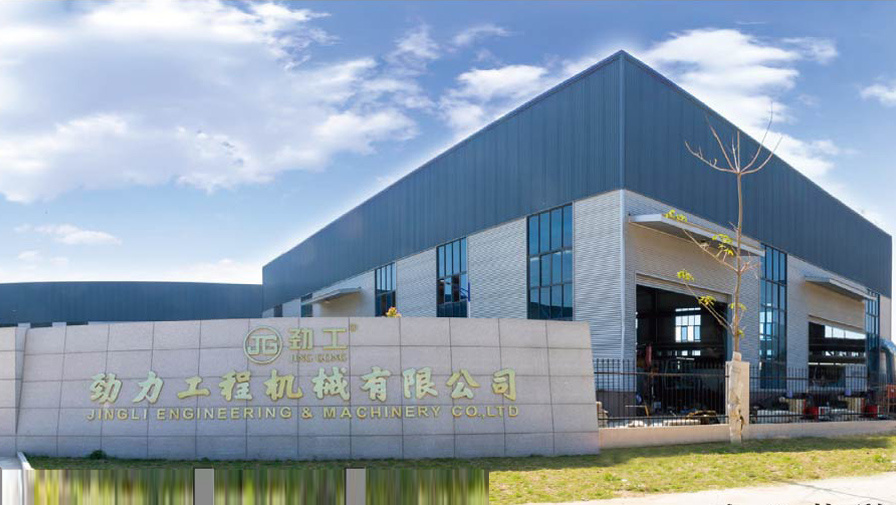
About UsQuanzhou Jinli Engineering Machinery Co., Ltd., established in July 2006, is a professional manufacturer specializing in design, development, production, and sales of equipment machinery.
-
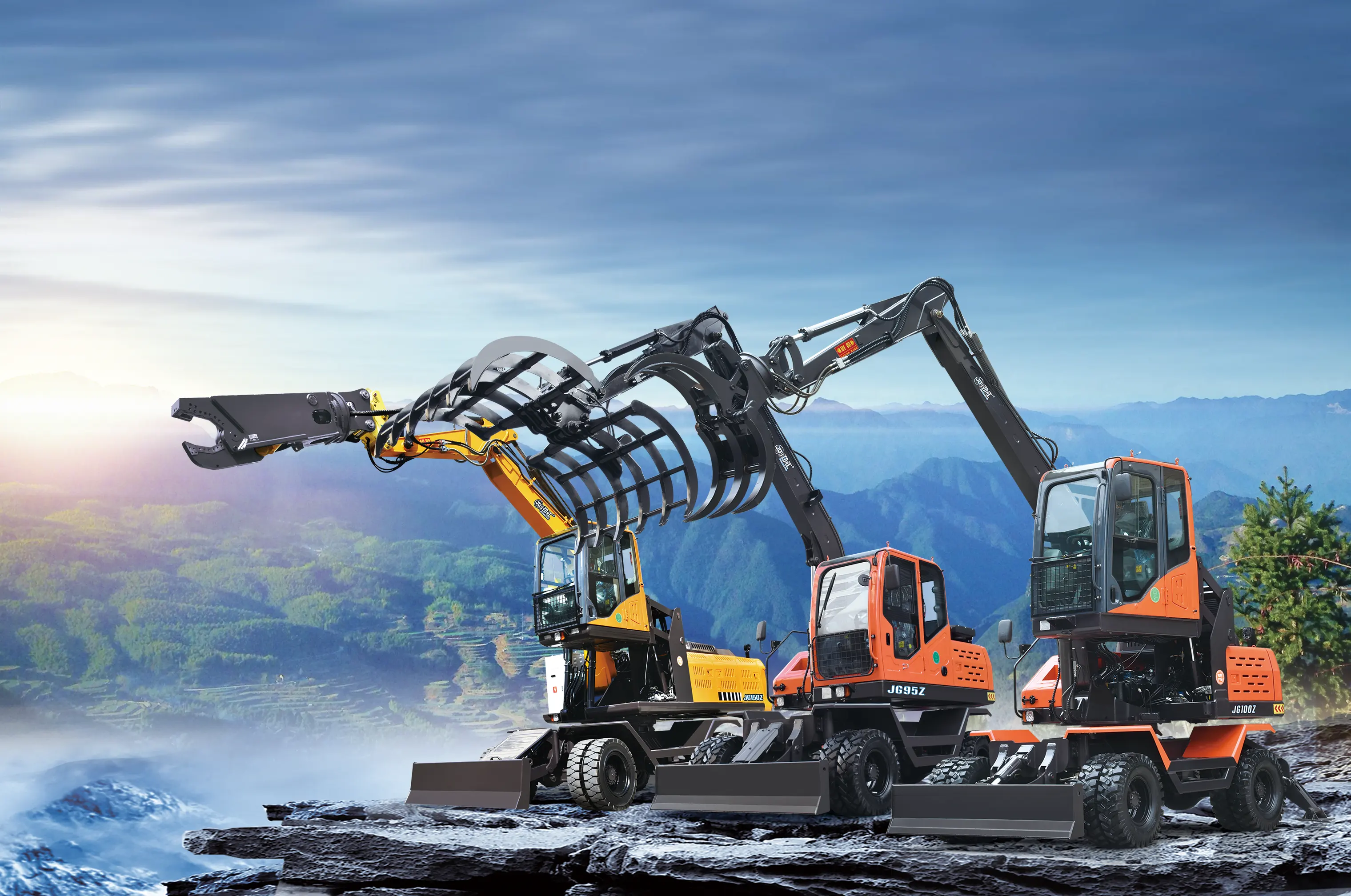
ProductsConstruction machinery: tire excavator, crawler excavator; Forestry machinery: bamboo and wood (sugarcane) picking and loading machines, multifunctional transfer machines; Harvesting machinery: whole rod sugarcane combine har
-
NewsJinggong adheres to the business philosophy of "technology supporting enterprises, quality bearing heavy trust", constantly develops new products guided by market demand, and presents satisfactory products to our customers.

-
ServiceSince its establishment, we have always adhered to the service philosophy of "being close, caring, full lifecycle, and full value chain".

-
Contact UsCorporate Honors We provide our customers not only with advantageous products, technologies, and services, but also with a comprehensive solution to meet diverse needs, thereby continuously creating value for customers and he


Online Inquiry

JINGONG
NEWS
The Ultimate Guide to Choosing the Best Compaction Wheel for Excavators
TIME:2024-01-02 10:20
Introduction:
When it comes to excavator machinery in the manufacturing and construction machinery industry, choosing the right compaction wheel is crucial for efficient operations. This guide aims to assist you in finding the best compaction wheel for your excavator, offering valuable insights without any pricing, brand, or commitment information.
1. Understanding Compaction Wheels:
Compaction wheels are specialized attachments for excavators designed to compact soil, gravel, and other materials. They are commonly used in various applications, such as pipeline construction, road building, and landfills. By applying pressure, compaction wheels increase soil density and stability, improving the overall performance of the excavator.
2. Factors to Consider:
When selecting a compaction wheel, several factors should be taken into account:
a. Size and Weight:
Choose a compaction wheel that is compatible with the size and weight capacity of your excavator. It should not exceed the manufacturer's recommended limits to ensure safe and efficient operation.
b. Soil Type and Conditions:
Consider the type of soil and conditions you frequently encounter. Different compaction wheels are designed for specific soil types, such as cohesive soil or granular material. Additionally, factors like moisture content and compaction depth should be considered to achieve optimal results.
c. Design and Features:
Look for compaction wheels with durable construction and high-quality materials to withstand heavy-duty usage. Features like self-cleaning capabilities, replaceable teeth, and adjustable width can enhance efficiency and convenience.
3. Types of Compaction Wheels:
There are various types of compaction wheels available, each with its distinct advantages. These include:
a. Padfoot Wheels:
Ideal for compacting cohesive soil, padfoot wheels have protruding pads that penetrate and compact the material effectively. They provide excellent traction and are suitable for challenging terrain.
b. Smooth Wheels:
Smooth wheels are versatile and suitable for both cohesive and granular soils. They exert consistent pressure across the surface, resulting in uniform compaction.
c. Pneumatic Wheels:
Pneumatic wheels are filled with air and are effective for compacting granular materials. They provide a cushioning effect, reducing the risk of over-compaction and potential damage to the surface.
4. Maintaining and Operating a Compaction Wheel:
To maximize the lifespan and performance of your compaction wheel, regular maintenance is essential. Keep the attachment clean from debris and inspect it for any signs of wear or damage. Follow the manufacturer's guidelines for proper operation and ensure the excavator is operated by trained personnel.
Conclusion:
Selecting the best compaction wheel for your excavator is crucial for achieving efficient and effective compaction results. By considering factors such as size, soil type, and design features, you can make an informed decision. Remember to prioritize safety and regular maintenance to ensure optimal performance and longevity.
When it comes to excavator machinery in the manufacturing and construction machinery industry, choosing the right compaction wheel is crucial for efficient operations. This guide aims to assist you in finding the best compaction wheel for your excavator, offering valuable insights without any pricing, brand, or commitment information.
1. Understanding Compaction Wheels:
Compaction wheels are specialized attachments for excavators designed to compact soil, gravel, and other materials. They are commonly used in various applications, such as pipeline construction, road building, and landfills. By applying pressure, compaction wheels increase soil density and stability, improving the overall performance of the excavator.
2. Factors to Consider:
When selecting a compaction wheel, several factors should be taken into account:
a. Size and Weight:
Choose a compaction wheel that is compatible with the size and weight capacity of your excavator. It should not exceed the manufacturer's recommended limits to ensure safe and efficient operation.
b. Soil Type and Conditions:
Consider the type of soil and conditions you frequently encounter. Different compaction wheels are designed for specific soil types, such as cohesive soil or granular material. Additionally, factors like moisture content and compaction depth should be considered to achieve optimal results.
c. Design and Features:
Look for compaction wheels with durable construction and high-quality materials to withstand heavy-duty usage. Features like self-cleaning capabilities, replaceable teeth, and adjustable width can enhance efficiency and convenience.
3. Types of Compaction Wheels:
There are various types of compaction wheels available, each with its distinct advantages. These include:
a. Padfoot Wheels:
Ideal for compacting cohesive soil, padfoot wheels have protruding pads that penetrate and compact the material effectively. They provide excellent traction and are suitable for challenging terrain.
b. Smooth Wheels:
Smooth wheels are versatile and suitable for both cohesive and granular soils. They exert consistent pressure across the surface, resulting in uniform compaction.
c. Pneumatic Wheels:
Pneumatic wheels are filled with air and are effective for compacting granular materials. They provide a cushioning effect, reducing the risk of over-compaction and potential damage to the surface.
4. Maintaining and Operating a Compaction Wheel:
To maximize the lifespan and performance of your compaction wheel, regular maintenance is essential. Keep the attachment clean from debris and inspect it for any signs of wear or damage. Follow the manufacturer's guidelines for proper operation and ensure the excavator is operated by trained personnel.
Conclusion:
Selecting the best compaction wheel for your excavator is crucial for achieving efficient and effective compaction results. By considering factors such as size, soil type, and design features, you can make an informed decision. Remember to prioritize safety and regular maintenance to ensure optimal performance and longevity.
Related News
Contact Us
No. 88, Pan Cuo, Jiaonan Village, Heshizhen, Luojiang District, Quanzhou City, Fujian Province


