-
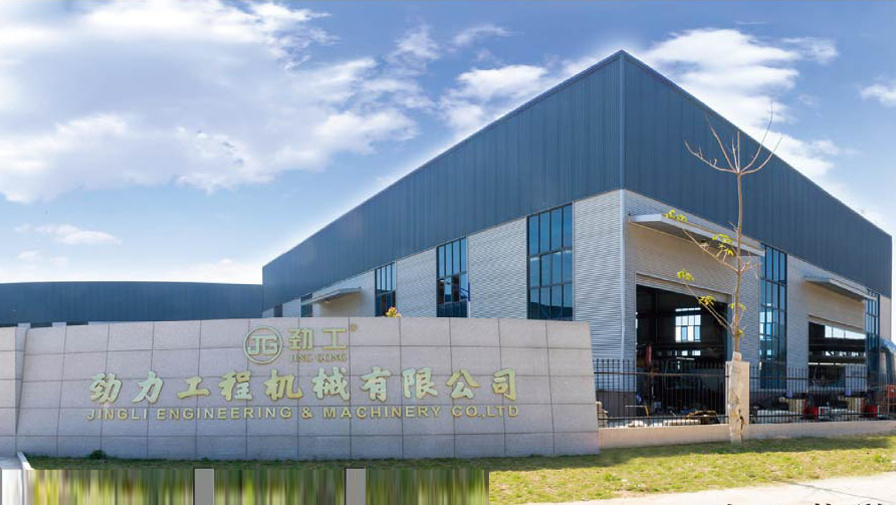
About UsQuanzhou Jinli Engineering Machinery Co., Ltd., established in July 2006, is a professional manufacturer specializing in design, development, production, and sales of equipment machinery.
-
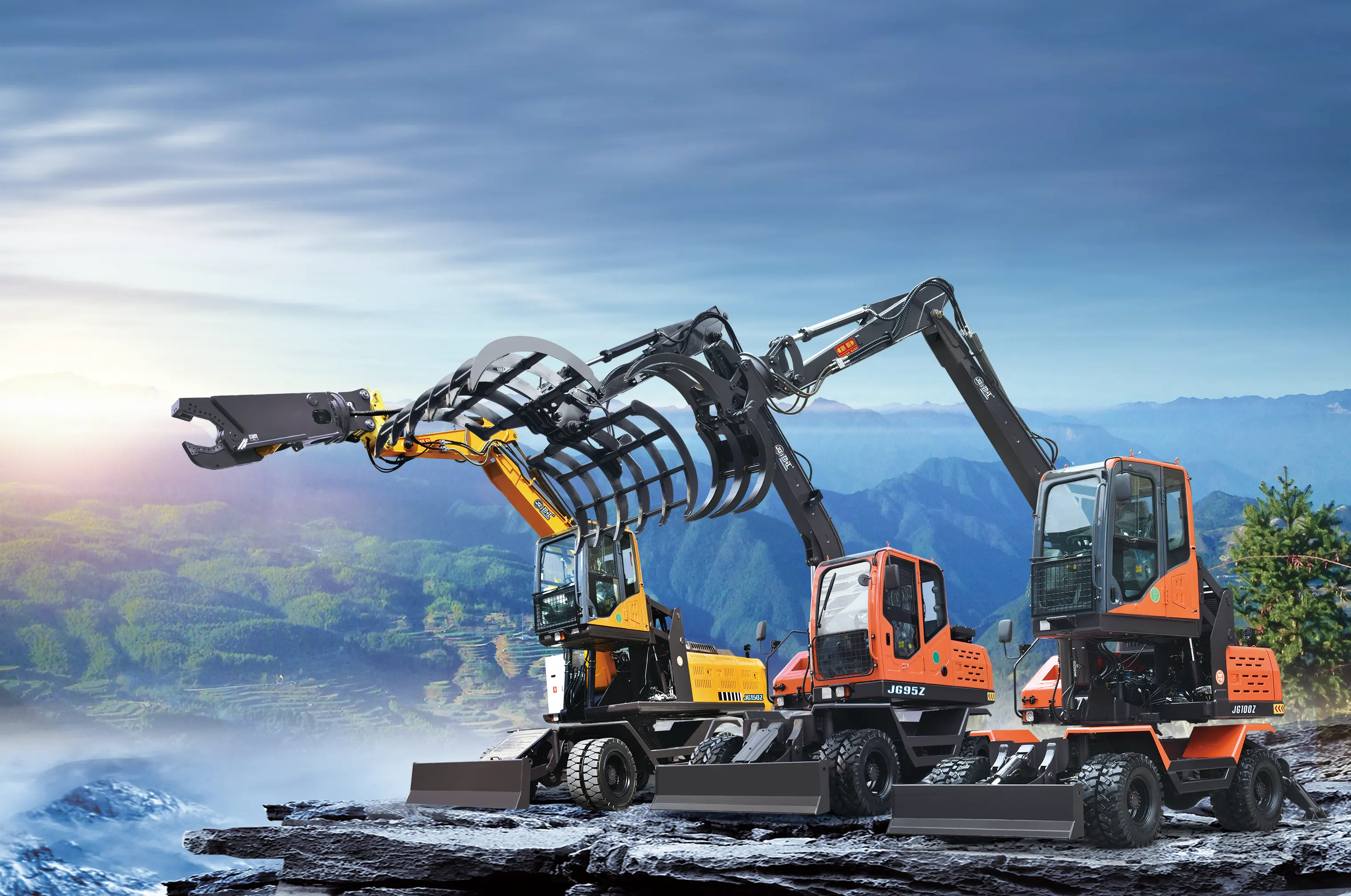
ProductsConstruction machinery: tire excavator, crawler excavator; Forestry machinery: bamboo and wood (sugarcane) picking and loading machines, multifunctional transfer machines; Harvesting machinery: whole rod sugarcane combine har
-
NewsJinggong adheres to the business philosophy of "technology supporting enterprises, quality bearing heavy trust", constantly develops new products guided by market demand, and presents satisfactory products to our customers.

-
ServiceSince its establishment, we have always adhered to the service philosophy of "being close, caring, full lifecycle, and full value chain".

-
Contact UsCorporate Honors We provide our customers not only with advantageous products, technologies, and services, but also with a comprehensive solution to meet diverse needs, thereby continuously creating value for customers and he


Online Inquiry

JINGONG
NEWS
Key Features to Consider When Selecting a Hydraulic Crawler Excavator
TIME:2024-01-04 11:20
Table of Contents:
1. Introduction
2. Understanding Hydraulic Crawler Excavators
3. Excavator Size and Configuration
4. Engine Power and Performance
5. Operating Weight and Stability
6. Digging Depth and Reach
7. Bucket Capacity and Productivity
8. Hydraulic Systems and Control
9. Fuel Efficiency and Emissions
10. Operator Comfort and Safety
11. Maintenance and Serviceability
12. Frequently Asked Questions (FAQs)
13. Conclusion
Choosing the right hydraulic crawler excavator for your manufacturing or construction projects is crucial. With numerous options available in the market, it can be overwhelming to identify the key features to prioritize. In this guide, we will discuss the essential factors that should influence your decision-making process. By considering these factors, you can ensure that the excavator you select meets your requirements and delivers optimal performance.
Before diving into the key features, it is important to have a basic understanding of hydraulic crawler excavators. These heavy-duty machines are designed for digging and excavation tasks, commonly used in construction, mining, and demolition projects. The hydraulic system powers the movement of the excavator's arm, boom, and bucket, providing flexibility and maneuverability in various terrains.
The size and configuration of the hydraulic crawler excavator play a crucial role in determining its suitability for different projects. Consider the specific requirements of your job site, including space constraints and ground conditions. Smaller excavators are ideal for confined areas, while larger ones offer greater power and digging capabilities. Additionally, choose between a short-tail swing or zero-tail swing configuration depending on the maneuverability needed.
The engine power of the excavator directly affects its performance. Look for a model with sufficient horsepower to handle the tasks at hand. Factors such as maximum digging force, breakout force, and swing torque are indicators of an excavator's capability. Higher values signify better performance and efficiency, enabling you to complete projects more effectively.
The operating weight of the hydraulic crawler excavator is another critical aspect to consider. It influences stability, maneuverability, and transportation requirements. A balanced excavator with proper weight distribution ensures safe operation on various terrains. Additionally, verify the lifting capacity of the excavator's boom and arm to ensure it can handle the loads required for your project.
The digging depth and reach of the excavator are crucial factors in determining its ability to perform specific tasks. Digging depth refers to the maximum depth the excavator can reach, while reach refers to the horizontal distance it can cover. Consider the project requirements and choose an excavator with sufficient digging depth and reach to avoid any limitations during operations.
The bucket capacity of the hydraulic crawler excavator determines its productivity and efficiency. A larger bucket allows for more material to be moved in a single operation. However, it is important to strike a balance between bucket size and the excavator's other specifications to ensure optimal performance. Consider the materials you will be handling to select the most suitable bucket capacity for your needs.
The quality and efficiency of the hydraulic systems and control mechanisms greatly impact the excavator's overall performance. Look for advanced hydraulic technology that provides smooth and precise operation. Features like adjustable flow control, hydraulic attachments, and quick couplers enhance the versatility of the excavator and improve productivity.
As environmental concerns continue to grow, fuel efficiency and emissions become critical considerations. Opt for a hydraulic crawler excavator that incorporates advanced technology to minimize fuel consumption and reduce emissions. Energy-saving features such as auto-idle and eco-mode can significantly contribute to cost savings and environmental sustainability.
The comfort and safety of the excavator operator should never be overlooked. Look for features like ergonomic seating, adjustable controls, and a well-designed cab that offers excellent visibility. Safety features such as ROPS (Roll Over Protection Structure) and FOPS (Falling Object Protection Structure) ensure the operator's protection in hazardous working conditions.
Regular maintenance and serviceability are crucial for the longevity and optimal performance of your hydraulic crawler excavator. Consider factors like easy access to vital components, simplified maintenance procedures, and availability of service support. Opting for a brand that offers comprehensive service packages and readily available spare parts can save time and money in the long run.
1. What is the typical lifespan of a hydraulic crawler excavator?
2. Can I use different attachments with my excavator?
3. How often should I service my excavator?
4. What safety measures should I take while operating an excavator?
5. Can an excavator work in extreme weather conditions?
Selecting the right hydraulic crawler excavator requires careful consideration of various key features. By evaluating factors such as excavator size, engine power, operating weight, digging depth, and bucket capacity, you can make an informed decision that aligns with your project requirements. Remember to prioritize operator comfort, safety, and environmental sustainability. Conduct thorough research, consult experts, and choose a reliable brand to ensure a successful excavation experience.
1. Introduction
2. Understanding Hydraulic Crawler Excavators
3. Excavator Size and Configuration
4. Engine Power and Performance
5. Operating Weight and Stability
6. Digging Depth and Reach
7. Bucket Capacity and Productivity
8. Hydraulic Systems and Control
9. Fuel Efficiency and Emissions
10. Operator Comfort and Safety
11. Maintenance and Serviceability
12. Frequently Asked Questions (FAQs)
13. Conclusion
1. Introduction
Choosing the right hydraulic crawler excavator for your manufacturing or construction projects is crucial. With numerous options available in the market, it can be overwhelming to identify the key features to prioritize. In this guide, we will discuss the essential factors that should influence your decision-making process. By considering these factors, you can ensure that the excavator you select meets your requirements and delivers optimal performance.
2. Understanding Hydraulic Crawler Excavators
Before diving into the key features, it is important to have a basic understanding of hydraulic crawler excavators. These heavy-duty machines are designed for digging and excavation tasks, commonly used in construction, mining, and demolition projects. The hydraulic system powers the movement of the excavator's arm, boom, and bucket, providing flexibility and maneuverability in various terrains.
3. Excavator Size and Configuration
The size and configuration of the hydraulic crawler excavator play a crucial role in determining its suitability for different projects. Consider the specific requirements of your job site, including space constraints and ground conditions. Smaller excavators are ideal for confined areas, while larger ones offer greater power and digging capabilities. Additionally, choose between a short-tail swing or zero-tail swing configuration depending on the maneuverability needed.
4. Engine Power and Performance
The engine power of the excavator directly affects its performance. Look for a model with sufficient horsepower to handle the tasks at hand. Factors such as maximum digging force, breakout force, and swing torque are indicators of an excavator's capability. Higher values signify better performance and efficiency, enabling you to complete projects more effectively.
5. Operating Weight and Stability
The operating weight of the hydraulic crawler excavator is another critical aspect to consider. It influences stability, maneuverability, and transportation requirements. A balanced excavator with proper weight distribution ensures safe operation on various terrains. Additionally, verify the lifting capacity of the excavator's boom and arm to ensure it can handle the loads required for your project.
6. Digging Depth and Reach
The digging depth and reach of the excavator are crucial factors in determining its ability to perform specific tasks. Digging depth refers to the maximum depth the excavator can reach, while reach refers to the horizontal distance it can cover. Consider the project requirements and choose an excavator with sufficient digging depth and reach to avoid any limitations during operations.
7. Bucket Capacity and Productivity
The bucket capacity of the hydraulic crawler excavator determines its productivity and efficiency. A larger bucket allows for more material to be moved in a single operation. However, it is important to strike a balance between bucket size and the excavator's other specifications to ensure optimal performance. Consider the materials you will be handling to select the most suitable bucket capacity for your needs.
8. Hydraulic Systems and Control
The quality and efficiency of the hydraulic systems and control mechanisms greatly impact the excavator's overall performance. Look for advanced hydraulic technology that provides smooth and precise operation. Features like adjustable flow control, hydraulic attachments, and quick couplers enhance the versatility of the excavator and improve productivity.
9. Fuel Efficiency and Emissions
As environmental concerns continue to grow, fuel efficiency and emissions become critical considerations. Opt for a hydraulic crawler excavator that incorporates advanced technology to minimize fuel consumption and reduce emissions. Energy-saving features such as auto-idle and eco-mode can significantly contribute to cost savings and environmental sustainability.
10. Operator Comfort and Safety
The comfort and safety of the excavator operator should never be overlooked. Look for features like ergonomic seating, adjustable controls, and a well-designed cab that offers excellent visibility. Safety features such as ROPS (Roll Over Protection Structure) and FOPS (Falling Object Protection Structure) ensure the operator's protection in hazardous working conditions.
11. Maintenance and Serviceability
Regular maintenance and serviceability are crucial for the longevity and optimal performance of your hydraulic crawler excavator. Consider factors like easy access to vital components, simplified maintenance procedures, and availability of service support. Opting for a brand that offers comprehensive service packages and readily available spare parts can save time and money in the long run.
12. Frequently Asked Questions (FAQs)
1. What is the typical lifespan of a hydraulic crawler excavator?
2. Can I use different attachments with my excavator?
3. How often should I service my excavator?
4. What safety measures should I take while operating an excavator?
5. Can an excavator work in extreme weather conditions?
13. Conclusion
Selecting the right hydraulic crawler excavator requires careful consideration of various key features. By evaluating factors such as excavator size, engine power, operating weight, digging depth, and bucket capacity, you can make an informed decision that aligns with your project requirements. Remember to prioritize operator comfort, safety, and environmental sustainability. Conduct thorough research, consult experts, and choose a reliable brand to ensure a successful excavation experience.
Related News
Contact Us
No. 88, Pan Cuo, Jiaonan Village, Heshizhen, Luojiang District, Quanzhou City, Fujian Province


