
-
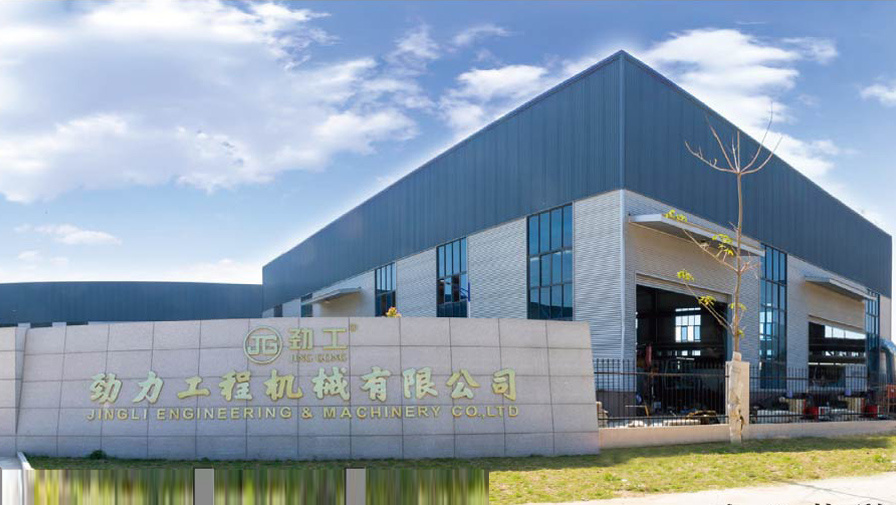
About UsQuanzhou Jinli Engineering Machinery Co., Ltd., established in July 2006, is a professional manufacturer specializing in design, development, production, and sales of equipment machinery.
-
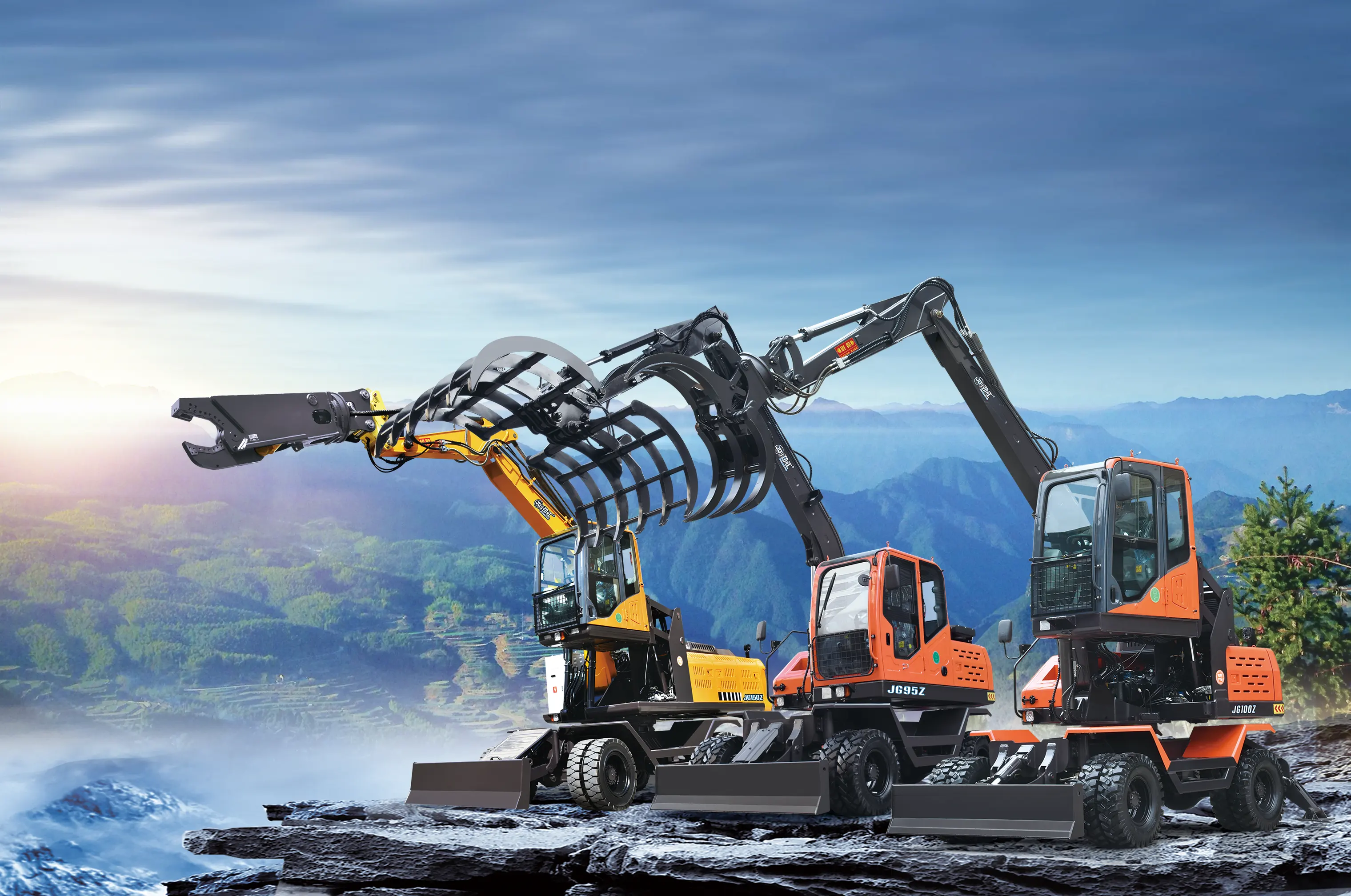
ProductsConstruction machinery: tire excavator, crawler excavator; Forestry machinery: bamboo and wood (sugarcane) picking and loading machines, multifunctional transfer machines; Harvesting machinery: whole rod sugarcane combine har
-
NewsJinggong adheres to the business philosophy of "technology supporting enterprises, quality bearing heavy trust", constantly develops new products guided by market demand, and presents satisfactory products to our customers.

-
ServiceSince its establishment, we have always adhered to the service philosophy of "being close, caring, full lifecycle, and full value chain".

-
Contact UsCorporate Honors We provide our customers not only with advantageous products, technologies, and services, but also with a comprehensive solution to meet diverse needs, thereby continuously creating value for customers and he


Online Inquiry

JINGONG
NEWS
The Future of Construction: Best Hydraulic Crawler Excavator Trends
TIME:2024-01-16 09:40
Table of Contents
1. Introduction
2. The Evolution of Hydraulic Crawler Excavators
3. Benefits of Hydraulic Crawler Excavators
4. Top Trends in Hydraulic Crawler Excavators
4.1 Advanced Technology Integration
4.2 Increased Efficiency and Productivity
4.3 Enhanced Safety Features
4.4 Environmentally Friendly Designs
4.5 Improved Performance and Versatility
5. FAQs about Hydraulic Crawler Excavators
5.1 What is a hydraulic crawler excavator?
5.2 How does a hydraulic crawler excavator work?
5.3 What are the main applications of hydraulic crawler excavators?
5.4 What are the key features to consider when purchasing a hydraulic crawler excavator?
5.5 How often should hydraulic crawler excavators be serviced?
6. Conclusion
1. Introduction
In the ever-evolving field of construction, hydraulic crawler excavators have become an indispensable tool for various applications. These powerful machines have transformed the way we undertake construction projects, offering superior performance, efficiency, and versatility. In this article, we will delve into the future of construction and explore the best trends in hydraulic crawler excavators that are driving innovation and transforming the industry.
2. The Evolution of Hydraulic Crawler Excavators
Over the years, hydraulic crawler excavators have undergone significant advancements, making them more efficient, powerful, and user-friendly. From their humble beginnings as basic digging machines, they have evolved into complex systems equipped with advanced technology and sophisticated hydraulic systems. Today, hydraulic crawler excavators are equipped with state-of-the-art features that enhance their performance and deliver exceptional results on construction sites.
3. Benefits of Hydraulic Crawler Excavators
Hydraulic crawler excavators offer numerous benefits that make them an essential asset in the construction industry. Their ability to navigate various terrains, including rough and uneven surfaces, makes them ideal for projects in challenging environments. Additionally, these machines offer excellent digging power, allowing construction professionals to complete tasks efficiently and on time. With their versatility and agility, hydraulic crawler excavators can handle a wide range of applications, from digging trenches to demolishing structures.
4. Top Trends in Hydraulic Crawler Excavators
4.1 Advanced Technology Integration
The future of hydraulic crawler excavators lies in the integration of advanced technologies. Excavators equipped with GPS systems, telematics, and remote monitoring capabilities enable construction professionals to track and manage their equipment more effectively. This technology not only enhances productivity but also reduces downtime and optimizes resource allocation. The integration of artificial intelligence and machine learning algorithms further enhances excavator performance and automates repetitive tasks.
4.2 Increased Efficiency and Productivity
The construction industry demands faster and more efficient methods of completing projects. Hydraulic crawler excavators are continuously evolving to meet these demands by incorporating features that enhance efficiency and productivity. Intelligent control systems, optimized hydraulics, and improved fuel efficiency contribute to faster cycle times and reduced operating costs.
4.3 Enhanced Safety Features
Safety is paramount in the construction industry, and hydraulic crawler excavators are no exception. The future of excavator design focuses on incorporating advanced safety features such as collision avoidance systems, operator fatigue monitoring, and enhanced visibility from the operator's cabin. These features not only protect workers but also minimize the risk of accidents and improve overall project safety.
4.4 Environmentally Friendly Designs
With the increasing emphasis on sustainability and environmental conservation, hydraulic crawler excavators are adopting eco-friendly designs. Manufacturers are integrating technologies that reduce emissions, improve fuel efficiency, and minimize environmental impact. Hybrid and electric excavators are also being developed, offering cleaner and quieter operation without compromising performance.
4.5 Improved Performance and Versatility
The future of hydraulic crawler excavators promises improved performance and versatility. Manufacturers are constantly researching and developing new attachments that expand the capabilities of these machines. From specialized digging buckets to hydraulic breakers and grapples, excavators can now perform a wide range of tasks without the need for additional equipment. This versatility not only saves time and money but also maximizes the utilization of the machine.
5. FAQs about Hydraulic Crawler Excavators
5.1 What is a hydraulic crawler excavator?
A hydraulic crawler excavator is a heavy-duty construction machine equipped with a hydraulic system and tracks for mobility. It is primarily used for digging, lifting, and other earthmoving tasks on construction sites.
5.2 How does a hydraulic crawler excavator work?
A hydraulic crawler excavator operates using hydraulic power. The hydraulic system controls the movement of the excavator's boom, arm, and bucket, allowing it to perform various tasks. The tracks enable the excavator to move smoothly across different terrains.
5.3 What are the main applications of hydraulic crawler excavators?
Hydraulic crawler excavators find applications in various construction projects, including excavation, demolition, landscaping, road construction, mining, and utility work. Their versatility allows them to handle a wide range of tasks on construction sites.
5.4 What are the key features to consider when purchasing a hydraulic crawler excavator?
When purchasing a hydraulic crawler excavator, key features to consider include digging depth, operating weight, engine power, reach, bucket capacity, fuel efficiency, and advanced safety features. Additionally, the machine's compatibility with attachments and ease of maintenance should also be considered.
5.5 How often should hydraulic crawler excavators be serviced?
Regular maintenance is critical to ensure the optimal performance and longevity of hydraulic crawler excavators. Servicing intervals may vary depending on the manufacturer's recommendations, but typically, excavators should be serviced every 250 to 500 hours of operation or as per the manufacturer's guidelines.
6. Conclusion
The future of construction lies in the continued advancements of hydraulic crawler excavators. With their sophisticated technology, improved efficiency, and versatility, these machines are reshaping the construction industry. From advanced safety features to eco-friendly designs, the trends in hydraulic crawler excavators are driven by the need for increased productivity, reduced environmental impact, and enhanced performance. As the industry evolves, professionals can expect even more innovative solutions from hydraulic crawler excavators, enabling them to tackle construction projects with greater ease and efficiency.
1. Introduction
2. The Evolution of Hydraulic Crawler Excavators
3. Benefits of Hydraulic Crawler Excavators
4. Top Trends in Hydraulic Crawler Excavators
4.1 Advanced Technology Integration
4.2 Increased Efficiency and Productivity
4.3 Enhanced Safety Features
4.4 Environmentally Friendly Designs
4.5 Improved Performance and Versatility
5. FAQs about Hydraulic Crawler Excavators
5.1 What is a hydraulic crawler excavator?
5.2 How does a hydraulic crawler excavator work?
5.3 What are the main applications of hydraulic crawler excavators?
5.4 What are the key features to consider when purchasing a hydraulic crawler excavator?
5.5 How often should hydraulic crawler excavators be serviced?
6. Conclusion
1. Introduction
In the ever-evolving field of construction, hydraulic crawler excavators have become an indispensable tool for various applications. These powerful machines have transformed the way we undertake construction projects, offering superior performance, efficiency, and versatility. In this article, we will delve into the future of construction and explore the best trends in hydraulic crawler excavators that are driving innovation and transforming the industry.
2. The Evolution of Hydraulic Crawler Excavators
Over the years, hydraulic crawler excavators have undergone significant advancements, making them more efficient, powerful, and user-friendly. From their humble beginnings as basic digging machines, they have evolved into complex systems equipped with advanced technology and sophisticated hydraulic systems. Today, hydraulic crawler excavators are equipped with state-of-the-art features that enhance their performance and deliver exceptional results on construction sites.
3. Benefits of Hydraulic Crawler Excavators
Hydraulic crawler excavators offer numerous benefits that make them an essential asset in the construction industry. Their ability to navigate various terrains, including rough and uneven surfaces, makes them ideal for projects in challenging environments. Additionally, these machines offer excellent digging power, allowing construction professionals to complete tasks efficiently and on time. With their versatility and agility, hydraulic crawler excavators can handle a wide range of applications, from digging trenches to demolishing structures.
4. Top Trends in Hydraulic Crawler Excavators
4.1 Advanced Technology Integration
The future of hydraulic crawler excavators lies in the integration of advanced technologies. Excavators equipped with GPS systems, telematics, and remote monitoring capabilities enable construction professionals to track and manage their equipment more effectively. This technology not only enhances productivity but also reduces downtime and optimizes resource allocation. The integration of artificial intelligence and machine learning algorithms further enhances excavator performance and automates repetitive tasks.
4.2 Increased Efficiency and Productivity
The construction industry demands faster and more efficient methods of completing projects. Hydraulic crawler excavators are continuously evolving to meet these demands by incorporating features that enhance efficiency and productivity. Intelligent control systems, optimized hydraulics, and improved fuel efficiency contribute to faster cycle times and reduced operating costs.
4.3 Enhanced Safety Features
Safety is paramount in the construction industry, and hydraulic crawler excavators are no exception. The future of excavator design focuses on incorporating advanced safety features such as collision avoidance systems, operator fatigue monitoring, and enhanced visibility from the operator's cabin. These features not only protect workers but also minimize the risk of accidents and improve overall project safety.
4.4 Environmentally Friendly Designs
With the increasing emphasis on sustainability and environmental conservation, hydraulic crawler excavators are adopting eco-friendly designs. Manufacturers are integrating technologies that reduce emissions, improve fuel efficiency, and minimize environmental impact. Hybrid and electric excavators are also being developed, offering cleaner and quieter operation without compromising performance.
4.5 Improved Performance and Versatility
The future of hydraulic crawler excavators promises improved performance and versatility. Manufacturers are constantly researching and developing new attachments that expand the capabilities of these machines. From specialized digging buckets to hydraulic breakers and grapples, excavators can now perform a wide range of tasks without the need for additional equipment. This versatility not only saves time and money but also maximizes the utilization of the machine.
5. FAQs about Hydraulic Crawler Excavators
5.1 What is a hydraulic crawler excavator?
A hydraulic crawler excavator is a heavy-duty construction machine equipped with a hydraulic system and tracks for mobility. It is primarily used for digging, lifting, and other earthmoving tasks on construction sites.
5.2 How does a hydraulic crawler excavator work?
A hydraulic crawler excavator operates using hydraulic power. The hydraulic system controls the movement of the excavator's boom, arm, and bucket, allowing it to perform various tasks. The tracks enable the excavator to move smoothly across different terrains.
5.3 What are the main applications of hydraulic crawler excavators?
Hydraulic crawler excavators find applications in various construction projects, including excavation, demolition, landscaping, road construction, mining, and utility work. Their versatility allows them to handle a wide range of tasks on construction sites.
5.4 What are the key features to consider when purchasing a hydraulic crawler excavator?
When purchasing a hydraulic crawler excavator, key features to consider include digging depth, operating weight, engine power, reach, bucket capacity, fuel efficiency, and advanced safety features. Additionally, the machine's compatibility with attachments and ease of maintenance should also be considered.
5.5 How often should hydraulic crawler excavators be serviced?
Regular maintenance is critical to ensure the optimal performance and longevity of hydraulic crawler excavators. Servicing intervals may vary depending on the manufacturer's recommendations, but typically, excavators should be serviced every 250 to 500 hours of operation or as per the manufacturer's guidelines.
6. Conclusion
The future of construction lies in the continued advancements of hydraulic crawler excavators. With their sophisticated technology, improved efficiency, and versatility, these machines are reshaping the construction industry. From advanced safety features to eco-friendly designs, the trends in hydraulic crawler excavators are driven by the need for increased productivity, reduced environmental impact, and enhanced performance. As the industry evolves, professionals can expect even more innovative solutions from hydraulic crawler excavators, enabling them to tackle construction projects with greater ease and efficiency.
Related News
Contact Us
No. 88, Pan Cuo, Jiaonan Village, Heshizhen, Luojiang District, Quanzhou City, Fujian Province


