
-
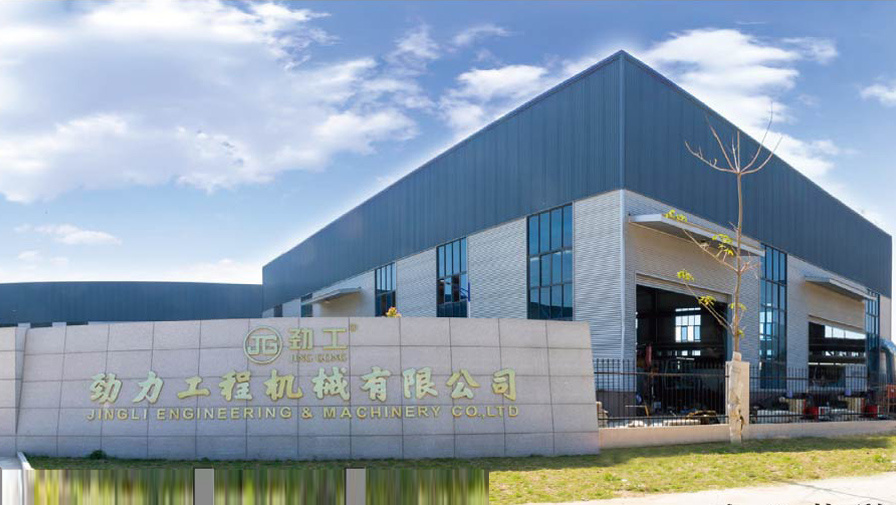
About UsQuanzhou Jinli Engineering Machinery Co., Ltd., established in July 2006, is a professional manufacturer specializing in design, development, production, and sales of equipment machinery.
-
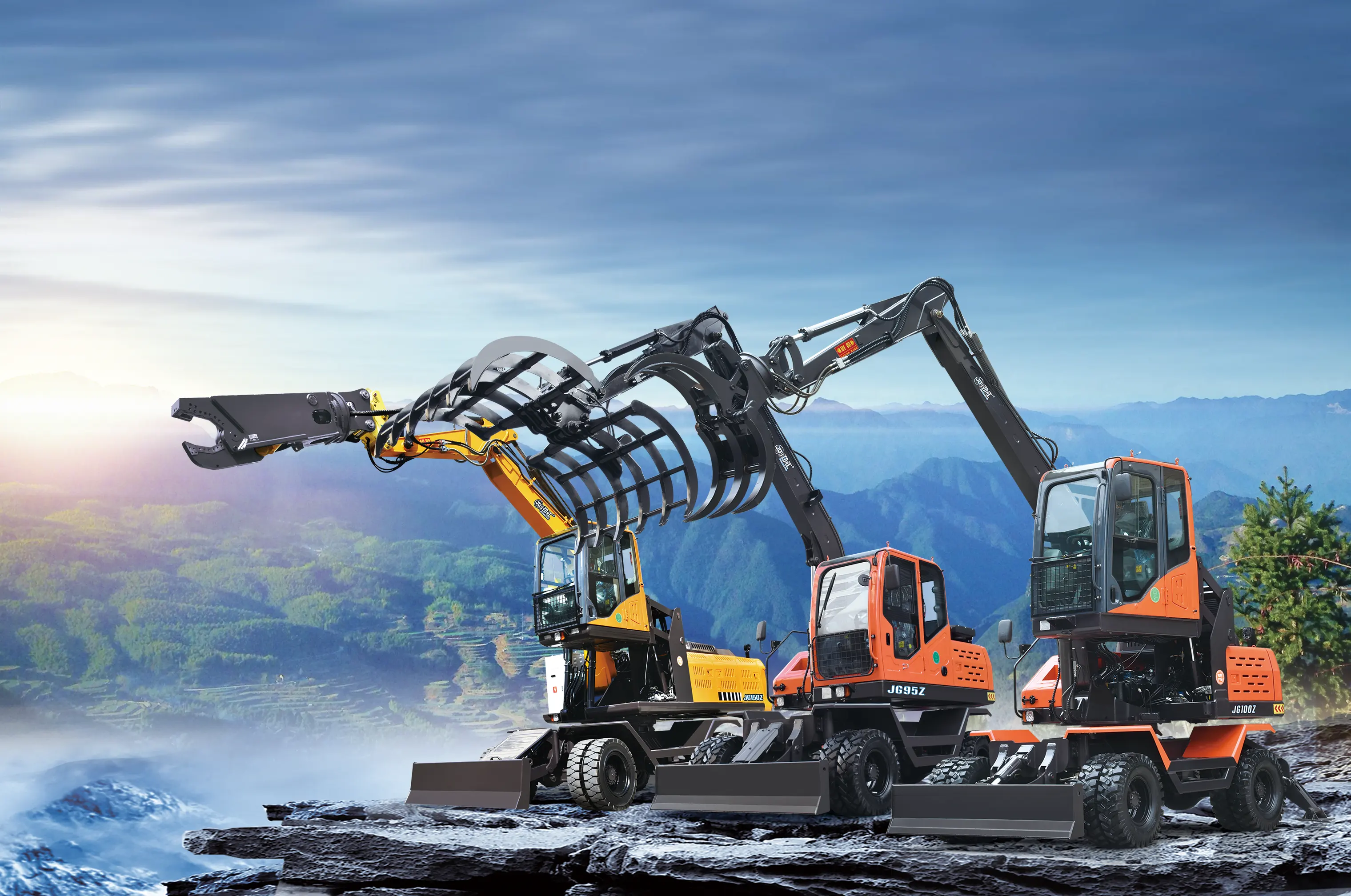
ProductsConstruction machinery: tire excavator, crawler excavator; Forestry machinery: bamboo and wood (sugarcane) picking and loading machines, multifunctional transfer machines; Harvesting machinery: whole rod sugarcane combine har
-
NewsJinggong adheres to the business philosophy of "technology supporting enterprises, quality bearing heavy trust", constantly develops new products guided by market demand, and presents satisfactory products to our customers.

-
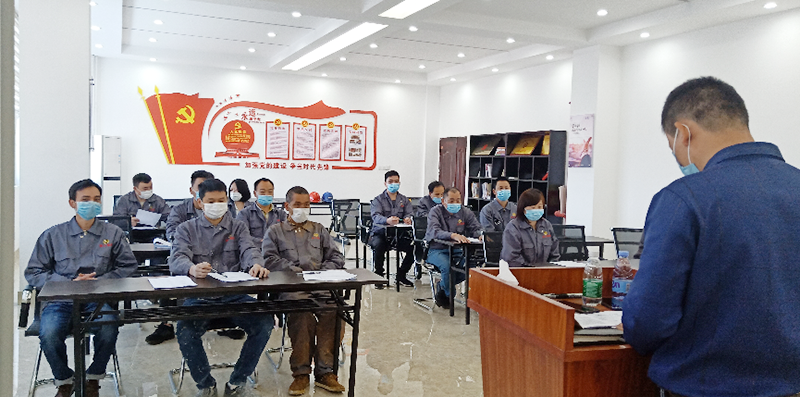
ServiceSince its establishment, we have always adhered to the service philosophy of "being close, caring, full lifecycle, and full value chain".
-
Contact UsCorporate Honors We provide our customers not only with advantageous products, technologies, and services, but also with a comprehensive solution to meet diverse needs, thereby continuously creating value for customers and he


Online Inquiry

JINGONG
NEWS
Important Factors to Consider Before Purchasing a Classy Compaction Wheel
TIME:2024-02-03 09:20
Table of Contents:
1. Understanding the Importance of a Compaction Wheel
2. Identifying Your Project Requirements
3. Evaluating the Quality of the Compaction Wheel
4. Assessing the Efficiency and Performance
5. Considering Compatibility and Versatility
6. Examining Durability and Longevity
7. Analyzing User-Friendly Features
8. Exploring Safety and Maintenance Guidelines
9. Frequently Asked Questions (FAQs)
10. Conclusion
Compaction wheels play a crucial role in various construction and engineering projects. They are designed to compact soil, gravel, and other materials to enhance stability and provide a solid foundation. Whether you're working on road repairs, landscaping, or building foundations, a compaction wheel is an essential tool that ensures optimal results.
Before purchasing a compaction wheel, it's essential to assess your project requirements. Consider factors such as the type of soil or material you'll be working with, the size of the area to be compacted, and the specific compaction depth needed. Understanding these requirements will help you choose the right compaction wheel with the appropriate specifications.
To ensure optimal performance and durability, it's crucial to evaluate the quality of the compaction wheel. Look for reputable manufacturers known for producing high-quality and reliable compaction wheels. Check for certifications and industry standards compliance to ensure you're investing in a product that meets the required quality benchmarks.
Efficiency and performance are key factors to consider before purchasing a compaction wheel. Look for features such as optimal weight distribution, precision-engineered design, and effective compaction mechanisms. A well-designed compaction wheel will provide efficient compaction, saving you time and effort on your projects.
Consider the compatibility and versatility of the compaction wheel with your existing machinery or equipment. Ensure that the wheel is compatible with your excavator, backhoe, or any other machinery you'll be using. Additionally, look for compaction wheels that can be adapted to different soil types and project requirements, providing versatility and flexibility.
Durability is a crucial factor when investing in a compaction wheel. Look for materials such as high-grade steel or alloy that offer excellent strength and resistance to wear and tear. Additionally, consider factors like the quality of the welding and the overall construction of the compaction wheel to ensure it can withstand heavy-duty use and last for a long time.
A user-friendly compaction wheel can significantly enhance your productivity and ease of use. Look for features like easy installation, adjustable settings, and ergonomic design. These features will not only make your work more efficient but also reduce operator fatigue and ensure a comfortable working experience.
Prioritize safety by considering compaction wheels that adhere to safety guidelines and regulations. Look for features like protective guards, secure attachment mechanisms, and clear operating instructions. Additionally, consider the maintenance requirements of the compaction wheel and ensure that it can be easily maintained and serviced to prolong its lifespan.
In conclusion, purchasing a classy compaction wheel requires careful consideration of various factors. By understanding your project requirements, evaluating the quality and efficiency, considering compatibility and versatility, examining durability and user-friendly features, and prioritizing safety and maintenance guidelines, you'll be able to make an informed choice that meets your specific needs. Remember to choose a reputable manufacturer and invest in a compaction wheel that offers the best value for your investment. With these factors in mind, you'll be well-equipped to select the ideal compaction wheel for your construction or engineering projects.
1. Understanding the Importance of a Compaction Wheel
2. Identifying Your Project Requirements
3. Evaluating the Quality of the Compaction Wheel
4. Assessing the Efficiency and Performance
5. Considering Compatibility and Versatility
6. Examining Durability and Longevity
7. Analyzing User-Friendly Features
8. Exploring Safety and Maintenance Guidelines
9. Frequently Asked Questions (FAQs)
10. Conclusion
1. Understanding the Importance of a Compaction Wheel
Compaction wheels play a crucial role in various construction and engineering projects. They are designed to compact soil, gravel, and other materials to enhance stability and provide a solid foundation. Whether you're working on road repairs, landscaping, or building foundations, a compaction wheel is an essential tool that ensures optimal results.
2. Identifying Your Project Requirements
Before purchasing a compaction wheel, it's essential to assess your project requirements. Consider factors such as the type of soil or material you'll be working with, the size of the area to be compacted, and the specific compaction depth needed. Understanding these requirements will help you choose the right compaction wheel with the appropriate specifications.
3. Evaluating the Quality of the Compaction Wheel
To ensure optimal performance and durability, it's crucial to evaluate the quality of the compaction wheel. Look for reputable manufacturers known for producing high-quality and reliable compaction wheels. Check for certifications and industry standards compliance to ensure you're investing in a product that meets the required quality benchmarks.
4. Assessing the Efficiency and Performance
Efficiency and performance are key factors to consider before purchasing a compaction wheel. Look for features such as optimal weight distribution, precision-engineered design, and effective compaction mechanisms. A well-designed compaction wheel will provide efficient compaction, saving you time and effort on your projects.
5. Considering Compatibility and Versatility
Consider the compatibility and versatility of the compaction wheel with your existing machinery or equipment. Ensure that the wheel is compatible with your excavator, backhoe, or any other machinery you'll be using. Additionally, look for compaction wheels that can be adapted to different soil types and project requirements, providing versatility and flexibility.
6. Examining Durability and Longevity
Durability is a crucial factor when investing in a compaction wheel. Look for materials such as high-grade steel or alloy that offer excellent strength and resistance to wear and tear. Additionally, consider factors like the quality of the welding and the overall construction of the compaction wheel to ensure it can withstand heavy-duty use and last for a long time.
7. Analyzing User-Friendly Features
A user-friendly compaction wheel can significantly enhance your productivity and ease of use. Look for features like easy installation, adjustable settings, and ergonomic design. These features will not only make your work more efficient but also reduce operator fatigue and ensure a comfortable working experience.
8. Exploring Safety and Maintenance Guidelines
Prioritize safety by considering compaction wheels that adhere to safety guidelines and regulations. Look for features like protective guards, secure attachment mechanisms, and clear operating instructions. Additionally, consider the maintenance requirements of the compaction wheel and ensure that it can be easily maintained and serviced to prolong its lifespan.
9. Frequently Asked Questions (FAQs)
Q: How do I determine the correct compaction wheel size for my project?
Q: What are the advantages of using a compaction wheel over other compaction methods?
Q: Can a compaction wheel be used for different soil types?
Q: How often should a compaction wheel be serviced?
Q: Are compaction wheels compatible with all excavator models?
10. Conclusion
In conclusion, purchasing a classy compaction wheel requires careful consideration of various factors. By understanding your project requirements, evaluating the quality and efficiency, considering compatibility and versatility, examining durability and user-friendly features, and prioritizing safety and maintenance guidelines, you'll be able to make an informed choice that meets your specific needs. Remember to choose a reputable manufacturer and invest in a compaction wheel that offers the best value for your investment. With these factors in mind, you'll be well-equipped to select the ideal compaction wheel for your construction or engineering projects.
Related News
Contact Us
No. 88, Pan Cuo, Jiaonan Village, Heshizhen, Luojiang District, Quanzhou City, Fujian Province


