
-
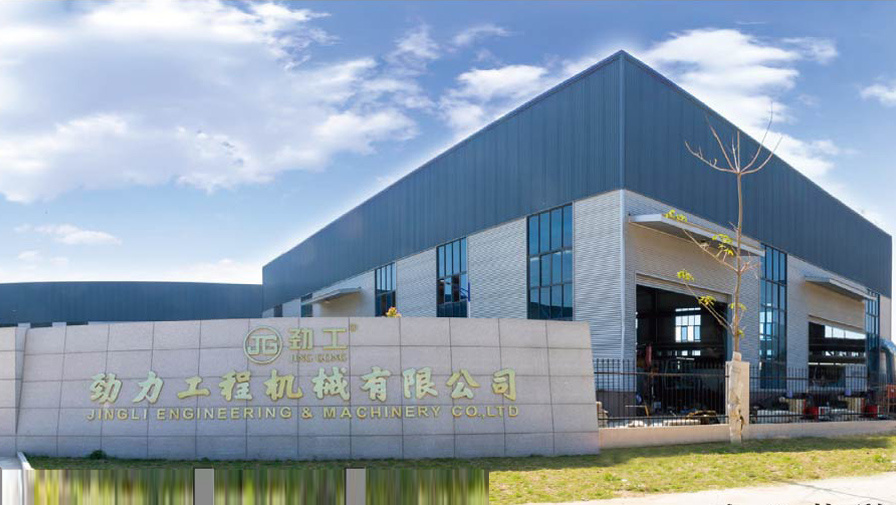
About UsQuanzhou Jinli Engineering Machinery Co., Ltd., established in July 2006, is a professional manufacturer specializing in design, development, production, and sales of equipment machinery.
-
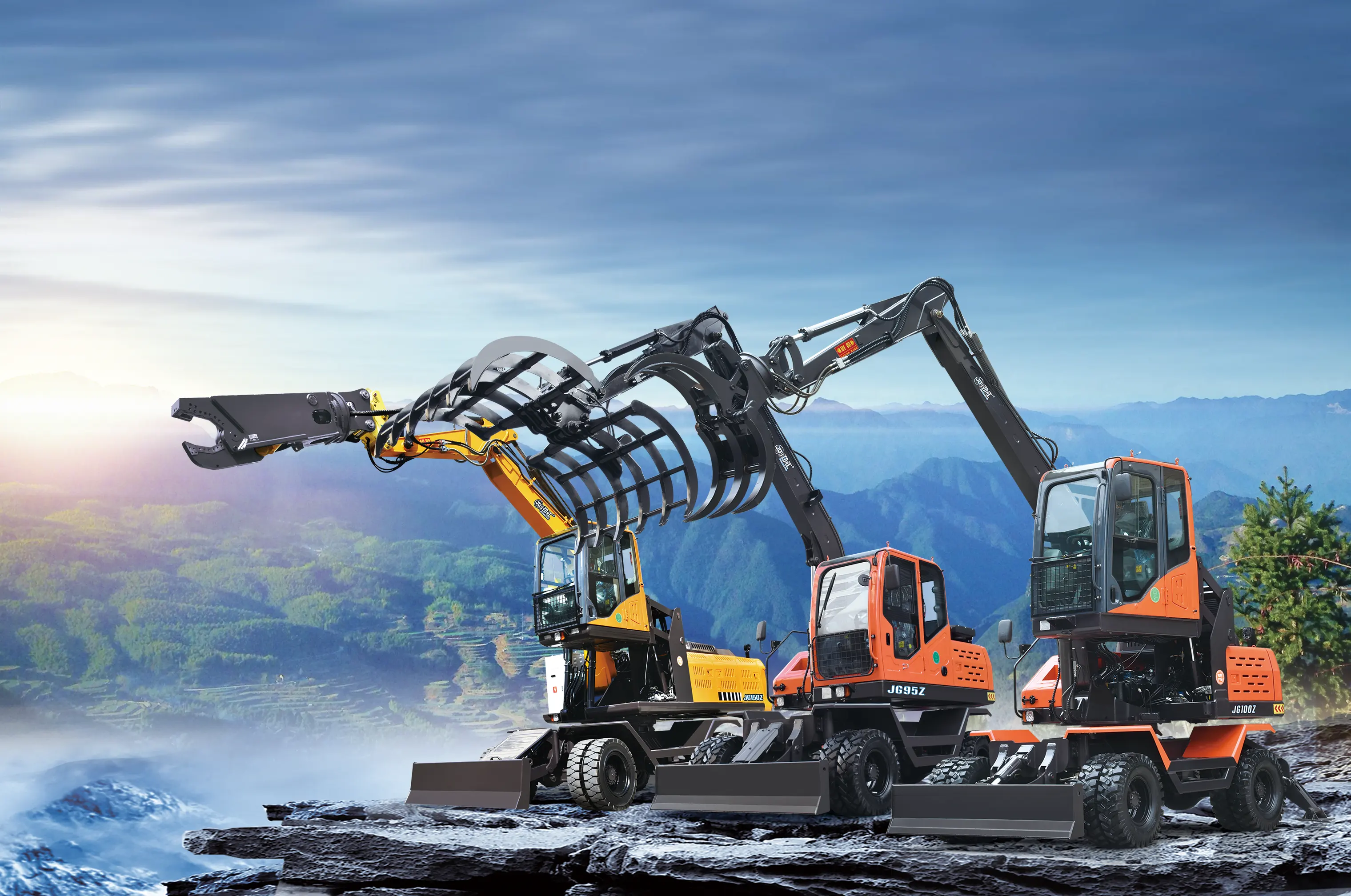
ProductsConstruction machinery: tire excavator, crawler excavator; Forestry machinery: bamboo and wood (sugarcane) picking and loading machines, multifunctional transfer machines; Harvesting machinery: whole rod sugarcane combine har
-
NewsJinggong adheres to the business philosophy of "technology supporting enterprises, quality bearing heavy trust", constantly develops new products guided by market demand, and presents satisfactory products to our customers.

-
ServiceSince its establishment, we have always adhered to the service philosophy of "being close, caring, full lifecycle, and full value chain".

-
Contact UsCorporate Honors We provide our customers not only with advantageous products, technologies, and services, but also with a comprehensive solution to meet diverse needs, thereby continuously creating value for customers and he


Online Inquiry

JINGONG
NEWS
A Comprehensive Guide to Choosing a Compaction Wheel for Excavators
TIME:2024-02-04 09:00
Introduction:
Compaction wheels are vital attachments for excavators used in the manufacturing and construction machinery industry. They enhance the efficiency of excavation and compaction processes, resulting in improved soil stability. In this comprehensive guide, we will explore key factors to consider when buying a compaction wheel for your excavator, ensuring that you make an informed decision without any specific brand or price recommendations.
1. Understanding Compaction Wheels:
Compaction wheels are heavy-duty attachments designed to compact soil, gravel, or asphalt during excavation. They consist of a wheel with tamping feet or paddles that exert downward pressure to compress the material. By compacting the soil, these wheels increase its load-bearing capacity, reduce settling, and enhance overall stability.
2. Factors to Consider:
a. Size and Weight: The size and weight of the compaction wheel should align with your excavator's specifications. The weight should be sufficient to provide effective compaction without overpowering the machine.
b. Drum Design: Consider the drum design based on your specific needs. Smooth drums are suitable for compacting granular materials, while padfoot drums work well with cohesive soils.
c. Drum Width: The drum width affects the compaction area. Choose a width that matches the excavation requirements and space constraints of your project.
d. Vibration: Some compaction wheels offer vibration options, which can enhance compaction efficiency, especially for compacting cohesive soils.
e. Mounting Style: Determine whether you need a bolt-on or quick coupler mounting style based on the compatibility with your excavator's attachment system.
3. Benefits of Compaction Wheels:
a. Improved Efficiency: Compaction wheels expedite the compaction process, reducing overall project time and cost.
b. Enhanced Stability: Proper compaction improves the stability of the soil, reducing the risk of settlement or structural damage.
c. Versatility: Compaction wheels can be used for various applications, including road construction, trench compaction, and backfilling.
d. Cost Savings: By choosing the right compaction wheel, you can avoid unnecessary repairs and achieve long-term cost savings.
4. Maintenance and Safety:
a. Regular Inspections: Maintain the compaction wheel by conducting regular inspections for any signs of wear, damage, or loose components.
b. Lubrication: Follow the manufacturer's guidelines for proper lubrication to ensure smooth operation and extend the lifespan of the compaction wheel.
c. Safe Operation: Prioritize safety by adhering to all recommended operating procedures and using personal protective equipment.
Conclusion:
Choosing the ideal compaction wheel for your excavator is crucial for efficient and effective compaction. By considering factors such as size, drum design, vibration options, and mounting style, you can maximize the benefits of this attachment in the manufacturing and construction machinery industry. Remember to prioritize maintenance and safety to prolong the life of your compaction wheel and ensure a safe working environment.
Compaction wheels are vital attachments for excavators used in the manufacturing and construction machinery industry. They enhance the efficiency of excavation and compaction processes, resulting in improved soil stability. In this comprehensive guide, we will explore key factors to consider when buying a compaction wheel for your excavator, ensuring that you make an informed decision without any specific brand or price recommendations.
1. Understanding Compaction Wheels:
Compaction wheels are heavy-duty attachments designed to compact soil, gravel, or asphalt during excavation. They consist of a wheel with tamping feet or paddles that exert downward pressure to compress the material. By compacting the soil, these wheels increase its load-bearing capacity, reduce settling, and enhance overall stability.
2. Factors to Consider:
a. Size and Weight: The size and weight of the compaction wheel should align with your excavator's specifications. The weight should be sufficient to provide effective compaction without overpowering the machine.
b. Drum Design: Consider the drum design based on your specific needs. Smooth drums are suitable for compacting granular materials, while padfoot drums work well with cohesive soils.
c. Drum Width: The drum width affects the compaction area. Choose a width that matches the excavation requirements and space constraints of your project.
d. Vibration: Some compaction wheels offer vibration options, which can enhance compaction efficiency, especially for compacting cohesive soils.
e. Mounting Style: Determine whether you need a bolt-on or quick coupler mounting style based on the compatibility with your excavator's attachment system.
3. Benefits of Compaction Wheels:
a. Improved Efficiency: Compaction wheels expedite the compaction process, reducing overall project time and cost.
b. Enhanced Stability: Proper compaction improves the stability of the soil, reducing the risk of settlement or structural damage.
c. Versatility: Compaction wheels can be used for various applications, including road construction, trench compaction, and backfilling.
d. Cost Savings: By choosing the right compaction wheel, you can avoid unnecessary repairs and achieve long-term cost savings.
4. Maintenance and Safety:
a. Regular Inspections: Maintain the compaction wheel by conducting regular inspections for any signs of wear, damage, or loose components.
b. Lubrication: Follow the manufacturer's guidelines for proper lubrication to ensure smooth operation and extend the lifespan of the compaction wheel.
c. Safe Operation: Prioritize safety by adhering to all recommended operating procedures and using personal protective equipment.
Conclusion:
Choosing the ideal compaction wheel for your excavator is crucial for efficient and effective compaction. By considering factors such as size, drum design, vibration options, and mounting style, you can maximize the benefits of this attachment in the manufacturing and construction machinery industry. Remember to prioritize maintenance and safety to prolong the life of your compaction wheel and ensure a safe working environment.
Related News
Contact Us
No. 88, Pan Cuo, Jiaonan Village, Heshizhen, Luojiang District, Quanzhou City, Fujian Province


