
-
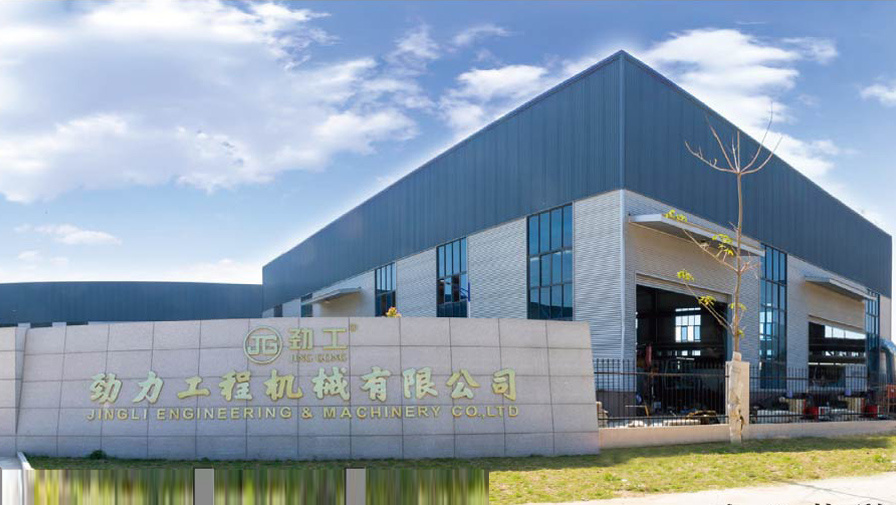
About UsQuanzhou Jinli Engineering Machinery Co., Ltd., established in July 2006, is a professional manufacturer specializing in design, development, production, and sales of equipment machinery.
-
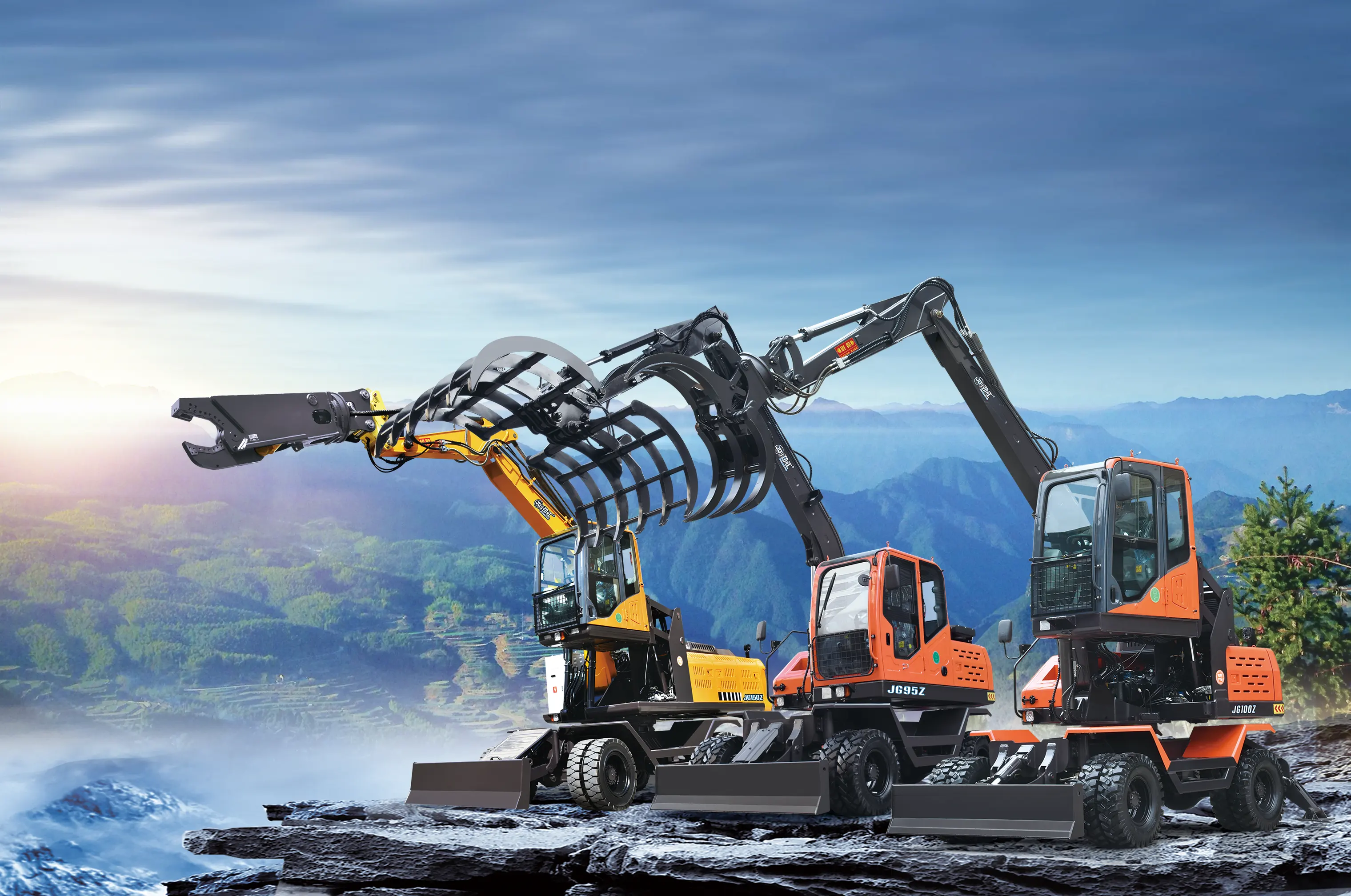
ProductsConstruction machinery: tire excavator, crawler excavator; Forestry machinery: bamboo and wood (sugarcane) picking and loading machines, multifunctional transfer machines; Harvesting machinery: whole rod sugarcane combine har
-
NewsJinggong adheres to the business philosophy of "technology supporting enterprises, quality bearing heavy trust", constantly develops new products guided by market demand, and presents satisfactory products to our customers.

-
ServiceSince its establishment, we have always adhered to the service philosophy of "being close, caring, full lifecycle, and full value chain".

-
Contact UsCorporate Honors We provide our customers not only with advantageous products, technologies, and services, but also with a comprehensive solution to meet diverse needs, thereby continuously creating value for customers and he


Online Inquiry

JINGONG
NEWS
Hydraulic Crawler Excavator Factories: A Comprehensive Guide to Construction Machinery
TIME:2024-02-04 09:00
Title: Unveiling the World of Hydraulic Crawler Excavator Factories
Introduction:
Welcome to the realm of manufacturing and processing machinery, specifically the hydraulic crawler excavator factories. In this comprehensive guide, we will delve into the intriguing world of these robust machines that play a vital role in the engineering and construction industry. Get ready to uncover the essential information about hydraulic crawler excavators, their functions, and their significance in various projects.
1. Introduction to Hydraulic Crawler Excavators:
Hydraulic crawler excavators are heavy-duty construction machines equipped with tracks or crawlers for enhanced mobility on different terrains. These machines utilize hydraulic power to operate various attachments, providing versatility in excavating, digging, lifting, and other operations. They are widely used in construction sites, mining operations, and infrastructure development projects.
2. Key Components and Working Mechanism:
A hydraulic crawler excavator consists of several key components, including a boom, bucket, cab, engine, hydraulic system, and tracks. The working mechanism involves the hydraulic system generating pressure to actuate the hydraulic cylinders, controlling the movement of the boom, bucket, and other attachments. The tracks enable smooth travel and stability, enabling the excavator to navigate through uneven surfaces.
3. Applications in Engineering and Construction:
Hydraulic crawler excavators find extensive use in various engineering and construction projects. They aid in digging trenches, foundations, and trenches for utility lines, as well as in demolition tasks. These excavators are also used in handling heavy materials, such as loading and unloading construction materials, debris removal, and land clearing. Their ability to operate in confined spaces makes them indispensable in urban construction projects.
4. Advantages of Hydraulic Crawler Excavators:
The hydraulic crawler excavators offer numerous advantages in comparison to their counterparts. Their tracks provide superior maneuverability and stability, even on rough terrains, ensuring efficient operation. The hydraulic system offers precise control and increased power, enabling operators to handle heavy loads and perform complex tasks. Additionally, these excavators are known for their durability, low maintenance requirements, and fuel efficiency.
5. Safety Considerations and Operator Training:
Operating hydraulic crawler excavators requires skilled and trained operators. Safety precautions, such as wearing appropriate personal protective equipment, ensuring proper maintenance of the equipment, and practicing safe working procedures, are crucial. Operator training programs play a vital role in enhancing safety, productivity, and minimizing the risk of accidents or damage.
Conclusion:
Hydraulic crawler excavators produced in specialized factories are indispensable in the manufacturing and processing machinery industry, specifically in the field of engineering and construction equipment. This guide provided a comprehensive overview of these powerful machines, highlighting their components, working mechanism, applications, advantages, and safety considerations. As technology continues to advance, hydraulic crawler excavators will continue to evolve, offering enhanced performance and efficiency in various construction projects.
Introduction:
Welcome to the realm of manufacturing and processing machinery, specifically the hydraulic crawler excavator factories. In this comprehensive guide, we will delve into the intriguing world of these robust machines that play a vital role in the engineering and construction industry. Get ready to uncover the essential information about hydraulic crawler excavators, their functions, and their significance in various projects.
1. Introduction to Hydraulic Crawler Excavators:
Hydraulic crawler excavators are heavy-duty construction machines equipped with tracks or crawlers for enhanced mobility on different terrains. These machines utilize hydraulic power to operate various attachments, providing versatility in excavating, digging, lifting, and other operations. They are widely used in construction sites, mining operations, and infrastructure development projects.
2. Key Components and Working Mechanism:
A hydraulic crawler excavator consists of several key components, including a boom, bucket, cab, engine, hydraulic system, and tracks. The working mechanism involves the hydraulic system generating pressure to actuate the hydraulic cylinders, controlling the movement of the boom, bucket, and other attachments. The tracks enable smooth travel and stability, enabling the excavator to navigate through uneven surfaces.
3. Applications in Engineering and Construction:
Hydraulic crawler excavators find extensive use in various engineering and construction projects. They aid in digging trenches, foundations, and trenches for utility lines, as well as in demolition tasks. These excavators are also used in handling heavy materials, such as loading and unloading construction materials, debris removal, and land clearing. Their ability to operate in confined spaces makes them indispensable in urban construction projects.
4. Advantages of Hydraulic Crawler Excavators:
The hydraulic crawler excavators offer numerous advantages in comparison to their counterparts. Their tracks provide superior maneuverability and stability, even on rough terrains, ensuring efficient operation. The hydraulic system offers precise control and increased power, enabling operators to handle heavy loads and perform complex tasks. Additionally, these excavators are known for their durability, low maintenance requirements, and fuel efficiency.
5. Safety Considerations and Operator Training:
Operating hydraulic crawler excavators requires skilled and trained operators. Safety precautions, such as wearing appropriate personal protective equipment, ensuring proper maintenance of the equipment, and practicing safe working procedures, are crucial. Operator training programs play a vital role in enhancing safety, productivity, and minimizing the risk of accidents or damage.
Conclusion:
Hydraulic crawler excavators produced in specialized factories are indispensable in the manufacturing and processing machinery industry, specifically in the field of engineering and construction equipment. This guide provided a comprehensive overview of these powerful machines, highlighting their components, working mechanism, applications, advantages, and safety considerations. As technology continues to advance, hydraulic crawler excavators will continue to evolve, offering enhanced performance and efficiency in various construction projects.
Related News
Contact Us
No. 88, Pan Cuo, Jiaonan Village, Heshizhen, Luojiang District, Quanzhou City, Fujian Province


