
-
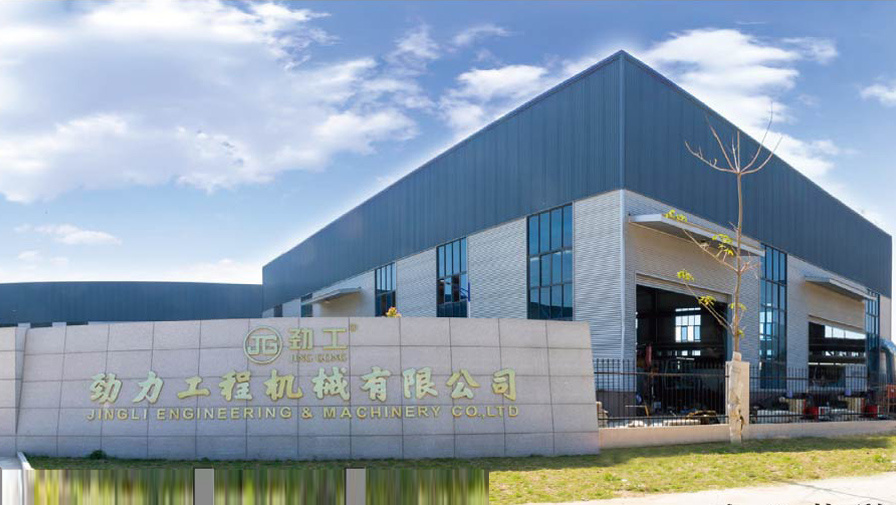
About UsQuanzhou Jinli Engineering Machinery Co., Ltd., established in July 2006, is a professional manufacturer specializing in design, development, production, and sales of equipment machinery.
-
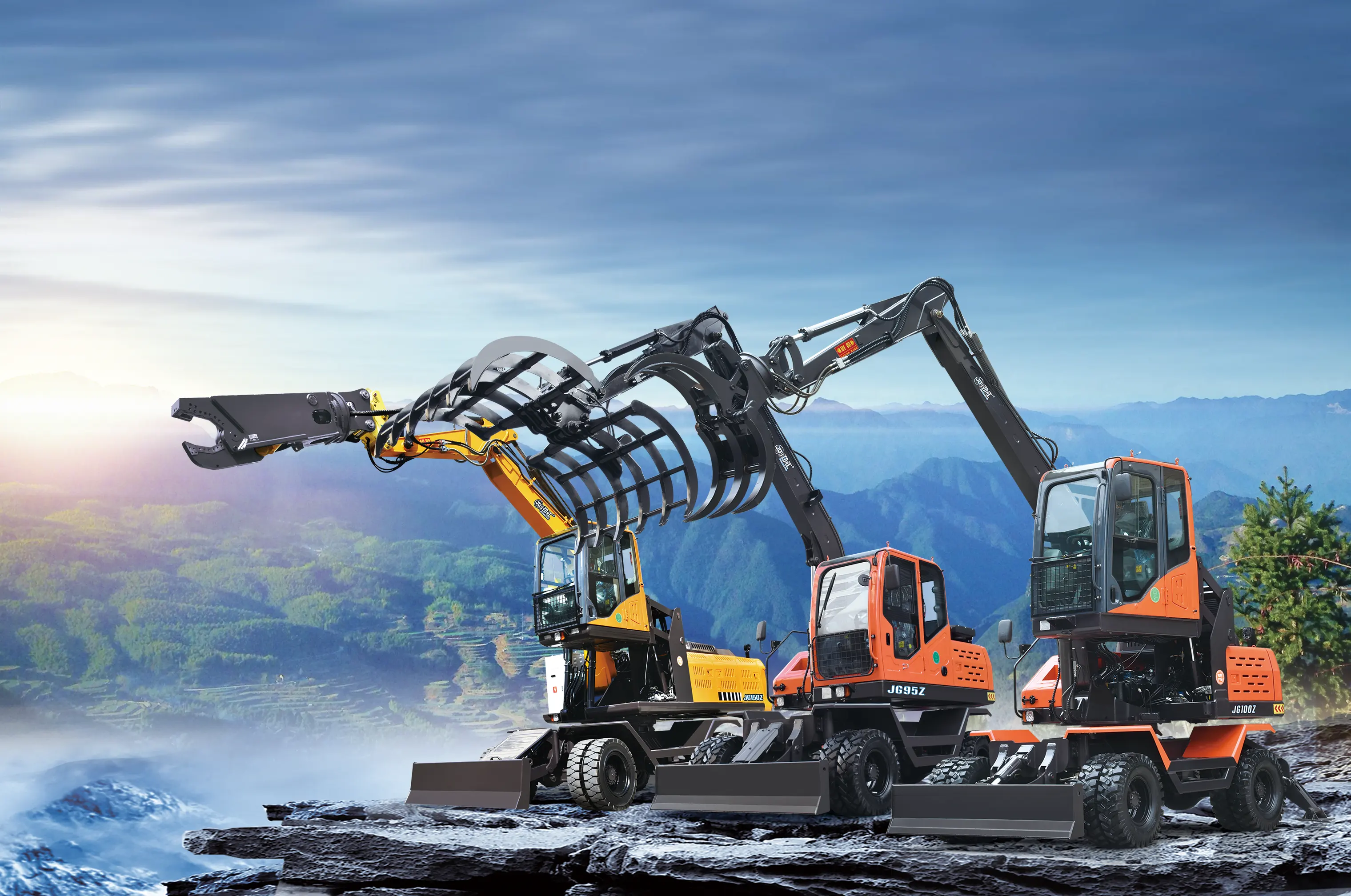
ProductsConstruction machinery: tire excavator, crawler excavator; Forestry machinery: bamboo and wood (sugarcane) picking and loading machines, multifunctional transfer machines; Harvesting machinery: whole rod sugarcane combine har
-
NewsJinggong adheres to the business philosophy of "technology supporting enterprises, quality bearing heavy trust", constantly develops new products guided by market demand, and presents satisfactory products to our customers.

-
ServiceSince its establishment, we have always adhered to the service philosophy of "being close, caring, full lifecycle, and full value chain".

-
Contact UsCorporate Honors We provide our customers not only with advantageous products, technologies, and services, but also with a comprehensive solution to meet diverse needs, thereby continuously creating value for customers and he


Online Inquiry

JINGONG
NEWS
Choosing the Right Size Hydraulic Crawler Excavator for Your Project
TIME:2024-02-15 09:40
Table of Contents
1. Introduction: Understanding the Importance of Choosing the Right Size Excavator
2. Factors to Consider When Selecting the Size of a Hydraulic Crawler Excavator
2.1 Digging Depth
2.2 Bucket Capacity
2.3 Lifting Capacity
2.4 Operating Weight
2.5 Working Radius
2.6 Maneuverability
2.7 Fuel Efficiency
2.8 Attachments and Versatility
3. Frequently Asked Questions (FAQs)
3.1 What is the average lifespan of a hydraulic crawler excavator?
3.2 Can a smaller excavator be used for a larger project?
3.3 How do I determine the required lifting capacity for my project?
3.4 What are the advantages of using a hydraulic crawler excavator?
3.5 How often should routine maintenance be performed on an excavator?
4. Conclusion
1. Introduction: Understanding the Importance of Choosing the Right Size Excavator
In the world of construction, selecting the right equipment plays a crucial role in ensuring the success and efficiency of a project. When it comes to hydraulic crawler excavators, choosing the appropriate size is paramount. By considering various factors like digging depth, lifting capacity, and operating weight, you can optimize productivity and minimize unnecessary costs.
2. Factors to Consider When Selecting the Size of a Hydraulic Crawler Excavator
2.1 Digging Depth
The digging depth required for your project is a fundamental consideration. Whether you're working on a small-scale landscaping endeavor or a large-scale foundation excavation, ensuring that the excavator's digging depth aligns with your requirements is essential for efficiency and precision.
2.2 Bucket Capacity
The bucket capacity determines the amount of material an excavator can handle in a single operation. Choosing the appropriate bucket size ensures optimum productivity and reduces the number of cycles required to complete a task, ultimately saving time and resources.
2.3 Lifting Capacity
Understanding the lifting capacity needed for your project is vital. Whether you're handling heavy objects or performing tasks that require lifting materials to various heights, selecting an excavator with the right lifting capacity ensures safety and efficiency throughout the operation.
2.4 Operating Weight
The operating weight of an excavator affects its stability and maneuverability. It is crucial to select an excavator that aligns with the ground conditions and project requirements to ensure safe operation and prevent accidents.
2.5 Working Radius
The working radius, also known as the swing radius, refers to the space required for an excavator's rotation. Considering the available space at your construction site is crucial in determining the appropriate size excavator that can maneuver efficiently without any spatial constraints.
2.6 Maneuverability
The maneuverability of an excavator is essential, especially when working in tight spaces or congested areas. Selecting a size that offers ease of movement improves productivity and eliminates potential damage to surrounding structures or equipment.
2.7 Fuel Efficiency
Fuel efficiency is a significant factor to consider, as it directly impacts operating costs and environmental sustainability. Choosing an excavator with optimal fuel consumption ensures cost-effectiveness and reduces the project's carbon footprint.
2.8 Attachments and Versatility
The ability to use different attachments expands the versatility of an excavator. Consider the availability and compatibility of attachments for the size of excavator you choose, as it can enhance productivity by performing various tasks with a single machine.
3. Frequently Asked Questions (FAQs)
3.1 What is the average lifespan of a hydraulic crawler excavator?
Hydraulic crawler excavators have an average lifespan of 10,000 to 20,000 working hours, which can vary based on maintenance, operating conditions, and usage intensity.
3.2 Can a smaller excavator be used for a larger project?
While a smaller excavator may be used for a larger project, it is important to consider the potential impact on productivity. A larger excavator may complete tasks more efficiently and with fewer cycles, ultimately saving time and resources.
3.3 How do I determine the required lifting capacity for my project?
To determine the required lifting capacity, calculate the maximum weight of the objects or materials that need to be lifted. Consider factors such as safety margins, lifting height, and the frequency of lifting operations.
3.4 What are the advantages of using a hydraulic crawler excavator?
Hydraulic crawler excavators offer several advantages, including high digging power, versatility, mobility, and the ability to operate in various terrains and working conditions. They are also known for their durability and ease of maintenance.
3.5 How often should routine maintenance be performed on an excavator?
Routine maintenance for hydraulic crawler excavators should be performed according to the manufacturer's recommendations. Generally, regular checks, lubrication, and component inspections should be conducted daily, while more in-depth maintenance tasks should be scheduled at specific intervals based on operating hours.
4. Conclusion
Selecting the right size hydraulic crawler excavator is crucial for the success of your construction project. By considering factors such as digging depth, lifting capacity, and maneuverability, you can ensure optimal productivity, safety, and efficiency. Remember to assess the specific requirements of your project and consult with industry experts to make an informed decision.
1. Introduction: Understanding the Importance of Choosing the Right Size Excavator
2. Factors to Consider When Selecting the Size of a Hydraulic Crawler Excavator
2.1 Digging Depth
2.2 Bucket Capacity
2.3 Lifting Capacity
2.4 Operating Weight
2.5 Working Radius
2.6 Maneuverability
2.7 Fuel Efficiency
2.8 Attachments and Versatility
3. Frequently Asked Questions (FAQs)
3.1 What is the average lifespan of a hydraulic crawler excavator?
3.2 Can a smaller excavator be used for a larger project?
3.3 How do I determine the required lifting capacity for my project?
3.4 What are the advantages of using a hydraulic crawler excavator?
3.5 How often should routine maintenance be performed on an excavator?
4. Conclusion
1. Introduction: Understanding the Importance of Choosing the Right Size Excavator
In the world of construction, selecting the right equipment plays a crucial role in ensuring the success and efficiency of a project. When it comes to hydraulic crawler excavators, choosing the appropriate size is paramount. By considering various factors like digging depth, lifting capacity, and operating weight, you can optimize productivity and minimize unnecessary costs.
2. Factors to Consider When Selecting the Size of a Hydraulic Crawler Excavator
2.1 Digging Depth
The digging depth required for your project is a fundamental consideration. Whether you're working on a small-scale landscaping endeavor or a large-scale foundation excavation, ensuring that the excavator's digging depth aligns with your requirements is essential for efficiency and precision.
2.2 Bucket Capacity
The bucket capacity determines the amount of material an excavator can handle in a single operation. Choosing the appropriate bucket size ensures optimum productivity and reduces the number of cycles required to complete a task, ultimately saving time and resources.
2.3 Lifting Capacity
Understanding the lifting capacity needed for your project is vital. Whether you're handling heavy objects or performing tasks that require lifting materials to various heights, selecting an excavator with the right lifting capacity ensures safety and efficiency throughout the operation.
2.4 Operating Weight
The operating weight of an excavator affects its stability and maneuverability. It is crucial to select an excavator that aligns with the ground conditions and project requirements to ensure safe operation and prevent accidents.
2.5 Working Radius
The working radius, also known as the swing radius, refers to the space required for an excavator's rotation. Considering the available space at your construction site is crucial in determining the appropriate size excavator that can maneuver efficiently without any spatial constraints.
2.6 Maneuverability
The maneuverability of an excavator is essential, especially when working in tight spaces or congested areas. Selecting a size that offers ease of movement improves productivity and eliminates potential damage to surrounding structures or equipment.
2.7 Fuel Efficiency
Fuel efficiency is a significant factor to consider, as it directly impacts operating costs and environmental sustainability. Choosing an excavator with optimal fuel consumption ensures cost-effectiveness and reduces the project's carbon footprint.
2.8 Attachments and Versatility
The ability to use different attachments expands the versatility of an excavator. Consider the availability and compatibility of attachments for the size of excavator you choose, as it can enhance productivity by performing various tasks with a single machine.
3. Frequently Asked Questions (FAQs)
3.1 What is the average lifespan of a hydraulic crawler excavator?
Hydraulic crawler excavators have an average lifespan of 10,000 to 20,000 working hours, which can vary based on maintenance, operating conditions, and usage intensity.
3.2 Can a smaller excavator be used for a larger project?
While a smaller excavator may be used for a larger project, it is important to consider the potential impact on productivity. A larger excavator may complete tasks more efficiently and with fewer cycles, ultimately saving time and resources.
3.3 How do I determine the required lifting capacity for my project?
To determine the required lifting capacity, calculate the maximum weight of the objects or materials that need to be lifted. Consider factors such as safety margins, lifting height, and the frequency of lifting operations.
3.4 What are the advantages of using a hydraulic crawler excavator?
Hydraulic crawler excavators offer several advantages, including high digging power, versatility, mobility, and the ability to operate in various terrains and working conditions. They are also known for their durability and ease of maintenance.
3.5 How often should routine maintenance be performed on an excavator?
Routine maintenance for hydraulic crawler excavators should be performed according to the manufacturer's recommendations. Generally, regular checks, lubrication, and component inspections should be conducted daily, while more in-depth maintenance tasks should be scheduled at specific intervals based on operating hours.
4. Conclusion
Selecting the right size hydraulic crawler excavator is crucial for the success of your construction project. By considering factors such as digging depth, lifting capacity, and maneuverability, you can ensure optimal productivity, safety, and efficiency. Remember to assess the specific requirements of your project and consult with industry experts to make an informed decision.
Related News
Contact Us
No. 88, Pan Cuo, Jiaonan Village, Heshizhen, Luojiang District, Quanzhou City, Fujian Province


