
-
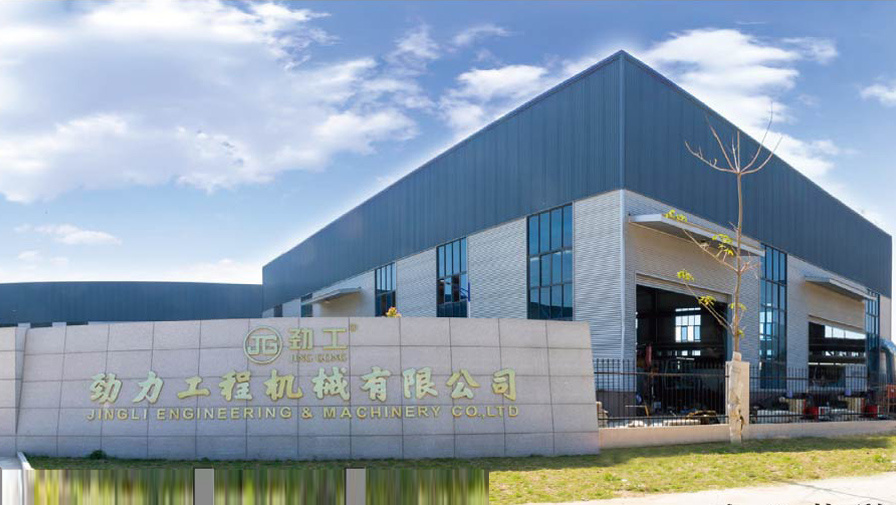
About UsQuanzhou Jinli Engineering Machinery Co., Ltd., established in July 2006, is a professional manufacturer specializing in design, development, production, and sales of equipment machinery.
-
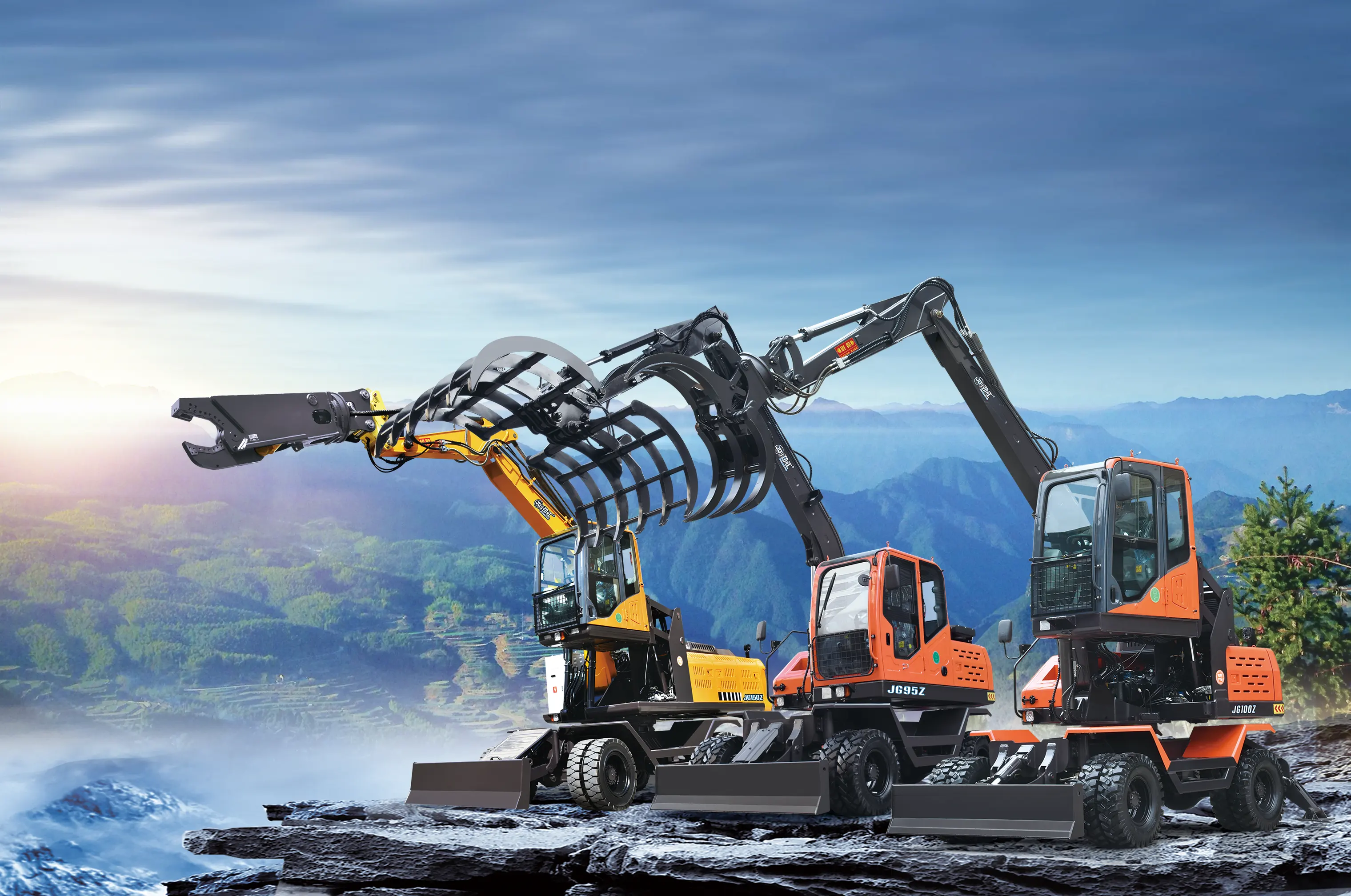
ProductsConstruction machinery: tire excavator, crawler excavator; Forestry machinery: bamboo and wood (sugarcane) picking and loading machines, multifunctional transfer machines; Harvesting machinery: whole rod sugarcane combine har
-
NewsJinggong adheres to the business philosophy of "technology supporting enterprises, quality bearing heavy trust", constantly develops new products guided by market demand, and presents satisfactory products to our customers.

-
ServiceSince its establishment, we have always adhered to the service philosophy of "being close, caring, full lifecycle, and full value chain".

-
Contact UsCorporate Honors We provide our customers not only with advantageous products, technologies, and services, but also with a comprehensive solution to meet diverse needs, thereby continuously creating value for customers and he


Online Inquiry

JINGONG
NEWS
Breaking Down the Process of Hydraulic Crawler Excavator Manufacturing: A Comprehensive Guide
TIME:2024-02-16 09:20
Table of Contents:
1. Introduction: Understanding Hydraulic Crawler Excavators
2. Design and Engineering Stage: Turning Concepts into Blueprints
3. Sourcing Raw Materials: Selecting the Best Components
4. Fabrication and Machining: Shaping the Foundation
5. Assembly Line: Putting It All Together
6. Quality Control: Ensuring Performance and Safety
7. Testing and Certification: Meeting Industry Standards
8. Packaging and Shipping: Delivering Excellence
9. Frequently Asked Questions (FAQs)
9.1 What are the key components of a hydraulic crawler excavator?
9.2 How long does it take to manufacture a hydraulic crawler excavator?
9.3 What safety measures are implemented during the manufacturing process?
9.4 Are hydraulic crawler excavators customizable?
9.5 How can I maintain and service a hydraulic crawler excavator?
10. Conclusion: The Art and Science of Hydraulic Crawler Excavator Manufacturing
1. Introduction: Understanding Hydraulic Crawler Excavators
Hydraulic crawler excavators are heavy-duty machines widely used in the construction and mining industries. They are designed to perform tasks such as digging, trenching, and loading with exceptional precision and power. These versatile machines consist of various components, including the hydraulic system, engine, tracks, boom, and bucket.
2. Design and Engineering Stage: Turning Concepts into Blueprints
At the core of every hydraulic crawler excavator is a well-thought-out design. Engineers and designers collaborate to transform ideas and requirements into detailed blueprints. This stage involves considering factors such as load capacity, reach, digging force, and operator comfort. State-of-the-art CAD software and simulations are employed to refine and optimize the design.
3. Sourcing Raw Materials: Selecting the Best Components
To ensure the durability and performance of hydraulic crawler excavators, manufacturers carefully select high-quality raw materials. Steel, aluminum, and various alloys are sourced to create the robust chassis, tracks, and other structural components. Engine, hydraulic, and electrical systems are sourced from reputable suppliers known for their reliability and efficiency.
4. Fabrication and Machining: Shaping the Foundation
Once the raw materials are acquired, fabrication and machining processes come into play. Cutting, bending, and welding operations shape the metal components, while precision machining ensures the accuracy and fit of critical parts. Skilled technicians operate CNC machines to create the intricate components that form the backbone of the hydraulic crawler excavator.
5. Assembly Line: Putting It All Together
The assembly line is where the magic truly happens. From the engine installation to the attachment of hydraulic hoses, every step is meticulously executed. Technicians with specialized knowledge assemble the hydraulic system, hydraulic cylinders, tracks, and other components. The operator cabin and control systems are carefully integrated, creating a cohesive and functional unit.
6. Quality Control: Ensuring Performance and Safety
To guarantee the highest standards of performance and safety, rigorous quality control measures are implemented throughout the manufacturing process. Inspections are conducted at various stages, including component delivery, fabrication, and assembly. Testing equipment is used to assess hydraulic systems, electrical circuits, and overall functionality. Any deviations or defects are promptly addressed and rectified.
7. Testing and Certification: Meeting Industry Standards
Before a hydraulic crawler excavator leaves the manufacturing facility, comprehensive testing and certification procedures are carried out. These tests evaluate factors such as load capacity, hydraulic system efficiency, and safety features. Industry standards and regulations are strictly adhered to, ensuring that the excavators are reliable, durable, and compliant with safety guidelines.
8. Packaging and Shipping: Delivering Excellence
Upon successful testing and certification, hydraulic crawler excavators are carefully packaged and prepared for shipping. Specialized packaging materials and techniques are utilized to protect the machines during transportation. Manufacturers work closely with logistics partners to ensure timely and safe delivery to customer locations worldwide.
9. Frequently Asked Questions (FAQs)
9.1 What are the key components of a hydraulic crawler excavator?
A hydraulic crawler excavator consists of key components such as the hydraulic system, engine, tracks, boom, bucket, operator cabin, and control systems. These components work together to enable the excavator's digging, loading, and trenching capabilities.
9.2 How long does it take to manufacture a hydraulic crawler excavator?
The manufacturing time for a hydraulic crawler excavator varies depending on factors such as complexity, customization, and production capacity. On average, it can take several weeks to a few months to complete the manufacturing process.
9.3 What safety measures are implemented during the manufacturing process?
Manufacturers prioritize safety during the manufacturing process. Safety measures include integrating safety features into the design, conducting regular inspections, providing safety training to employees, and ensuring compliance with industry regulations and standards.
9.4 Are hydraulic crawler excavators customizable?
Yes, hydraulic crawler excavators can be customized to meet specific requirements. Manufacturers offer various options and attachments, allowing customers to tailor the excavators to their specific needs.
9.5 How can I maintain and service a hydraulic crawler excavator?
Proper maintenance and servicing are crucial to ensure the longevity and optimal performance of a hydraulic crawler excavator. Following the manufacturer's recommended maintenance schedule, regular inspections, and timely repairs are essential. It is also advisable to engage qualified technicians for servicing and to use genuine replacement parts.
10. Conclusion: The Art and Science of Hydraulic Crawler Excavator Manufacturing
The process of manufacturing hydraulic crawler excavators demands a meticulous blend of engineering expertise, precision manufacturing, and stringent quality control. From the initial design to the final assembly, each step is crucial in creating these robust and versatile machines. By understanding the intricate process behind hydraulic crawler excavator manufacturing, we gain a deeper appreciation for the skill and innovation that drives the construction and mining industries forward.
1. Introduction: Understanding Hydraulic Crawler Excavators
2. Design and Engineering Stage: Turning Concepts into Blueprints
3. Sourcing Raw Materials: Selecting the Best Components
4. Fabrication and Machining: Shaping the Foundation
5. Assembly Line: Putting It All Together
6. Quality Control: Ensuring Performance and Safety
7. Testing and Certification: Meeting Industry Standards
8. Packaging and Shipping: Delivering Excellence
9. Frequently Asked Questions (FAQs)
9.1 What are the key components of a hydraulic crawler excavator?
9.2 How long does it take to manufacture a hydraulic crawler excavator?
9.3 What safety measures are implemented during the manufacturing process?
9.4 Are hydraulic crawler excavators customizable?
9.5 How can I maintain and service a hydraulic crawler excavator?
10. Conclusion: The Art and Science of Hydraulic Crawler Excavator Manufacturing
1. Introduction: Understanding Hydraulic Crawler Excavators
Hydraulic crawler excavators are heavy-duty machines widely used in the construction and mining industries. They are designed to perform tasks such as digging, trenching, and loading with exceptional precision and power. These versatile machines consist of various components, including the hydraulic system, engine, tracks, boom, and bucket.
2. Design and Engineering Stage: Turning Concepts into Blueprints
At the core of every hydraulic crawler excavator is a well-thought-out design. Engineers and designers collaborate to transform ideas and requirements into detailed blueprints. This stage involves considering factors such as load capacity, reach, digging force, and operator comfort. State-of-the-art CAD software and simulations are employed to refine and optimize the design.
3. Sourcing Raw Materials: Selecting the Best Components
To ensure the durability and performance of hydraulic crawler excavators, manufacturers carefully select high-quality raw materials. Steel, aluminum, and various alloys are sourced to create the robust chassis, tracks, and other structural components. Engine, hydraulic, and electrical systems are sourced from reputable suppliers known for their reliability and efficiency.
4. Fabrication and Machining: Shaping the Foundation
Once the raw materials are acquired, fabrication and machining processes come into play. Cutting, bending, and welding operations shape the metal components, while precision machining ensures the accuracy and fit of critical parts. Skilled technicians operate CNC machines to create the intricate components that form the backbone of the hydraulic crawler excavator.
5. Assembly Line: Putting It All Together
The assembly line is where the magic truly happens. From the engine installation to the attachment of hydraulic hoses, every step is meticulously executed. Technicians with specialized knowledge assemble the hydraulic system, hydraulic cylinders, tracks, and other components. The operator cabin and control systems are carefully integrated, creating a cohesive and functional unit.
6. Quality Control: Ensuring Performance and Safety
To guarantee the highest standards of performance and safety, rigorous quality control measures are implemented throughout the manufacturing process. Inspections are conducted at various stages, including component delivery, fabrication, and assembly. Testing equipment is used to assess hydraulic systems, electrical circuits, and overall functionality. Any deviations or defects are promptly addressed and rectified.
7. Testing and Certification: Meeting Industry Standards
Before a hydraulic crawler excavator leaves the manufacturing facility, comprehensive testing and certification procedures are carried out. These tests evaluate factors such as load capacity, hydraulic system efficiency, and safety features. Industry standards and regulations are strictly adhered to, ensuring that the excavators are reliable, durable, and compliant with safety guidelines.
8. Packaging and Shipping: Delivering Excellence
Upon successful testing and certification, hydraulic crawler excavators are carefully packaged and prepared for shipping. Specialized packaging materials and techniques are utilized to protect the machines during transportation. Manufacturers work closely with logistics partners to ensure timely and safe delivery to customer locations worldwide.
9. Frequently Asked Questions (FAQs)
9.1 What are the key components of a hydraulic crawler excavator?
A hydraulic crawler excavator consists of key components such as the hydraulic system, engine, tracks, boom, bucket, operator cabin, and control systems. These components work together to enable the excavator's digging, loading, and trenching capabilities.
9.2 How long does it take to manufacture a hydraulic crawler excavator?
The manufacturing time for a hydraulic crawler excavator varies depending on factors such as complexity, customization, and production capacity. On average, it can take several weeks to a few months to complete the manufacturing process.
9.3 What safety measures are implemented during the manufacturing process?
Manufacturers prioritize safety during the manufacturing process. Safety measures include integrating safety features into the design, conducting regular inspections, providing safety training to employees, and ensuring compliance with industry regulations and standards.
9.4 Are hydraulic crawler excavators customizable?
Yes, hydraulic crawler excavators can be customized to meet specific requirements. Manufacturers offer various options and attachments, allowing customers to tailor the excavators to their specific needs.
9.5 How can I maintain and service a hydraulic crawler excavator?
Proper maintenance and servicing are crucial to ensure the longevity and optimal performance of a hydraulic crawler excavator. Following the manufacturer's recommended maintenance schedule, regular inspections, and timely repairs are essential. It is also advisable to engage qualified technicians for servicing and to use genuine replacement parts.
10. Conclusion: The Art and Science of Hydraulic Crawler Excavator Manufacturing
The process of manufacturing hydraulic crawler excavators demands a meticulous blend of engineering expertise, precision manufacturing, and stringent quality control. From the initial design to the final assembly, each step is crucial in creating these robust and versatile machines. By understanding the intricate process behind hydraulic crawler excavator manufacturing, we gain a deeper appreciation for the skill and innovation that drives the construction and mining industries forward.
Related News
Contact Us
No. 88, Pan Cuo, Jiaonan Village, Heshizhen, Luojiang District, Quanzhou City, Fujian Province


