
-
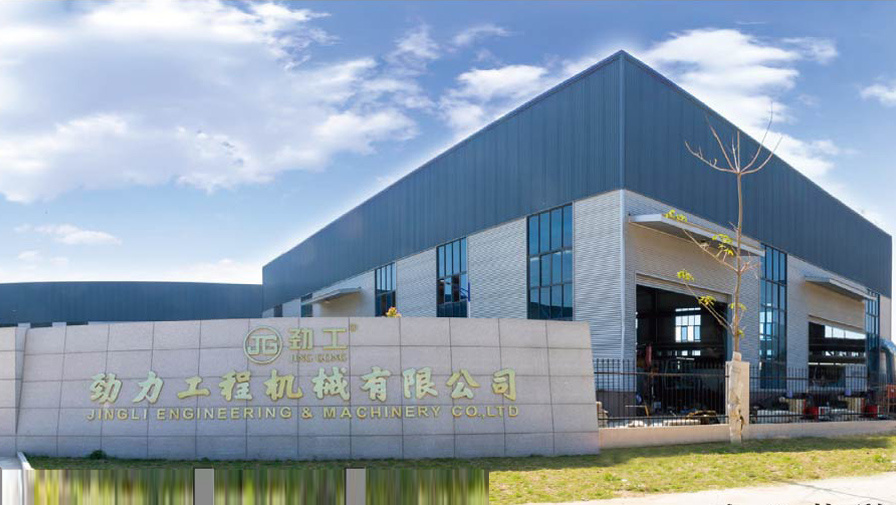
About UsQuanzhou Jinli Engineering Machinery Co., Ltd., established in July 2006, is a professional manufacturer specializing in design, development, production, and sales of equipment machinery.
-
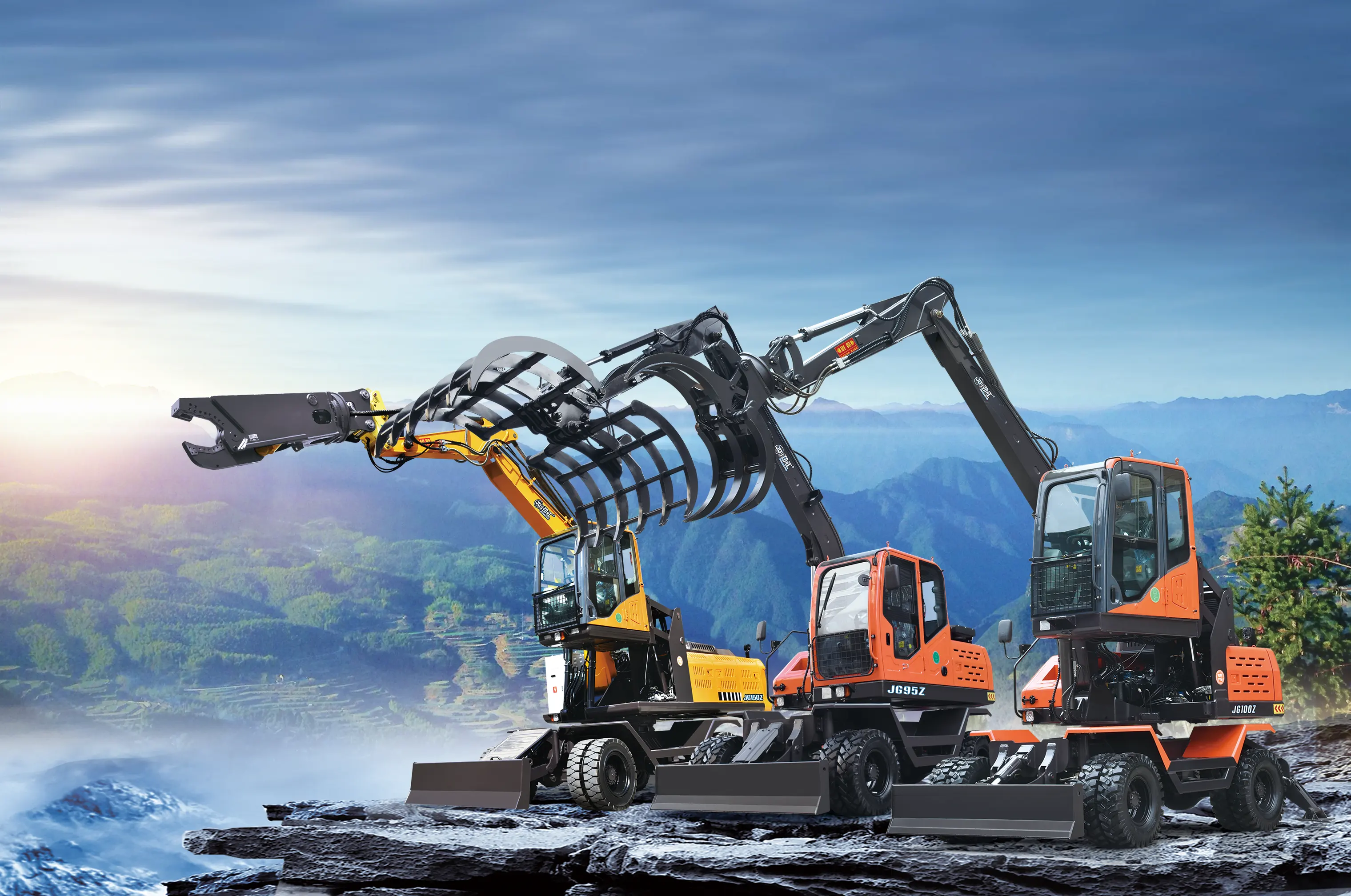
ProductsConstruction machinery: tire excavator, crawler excavator; Forestry machinery: bamboo and wood (sugarcane) picking and loading machines, multifunctional transfer machines; Harvesting machinery: whole rod sugarcane combine har
-
NewsJinggong adheres to the business philosophy of "technology supporting enterprises, quality bearing heavy trust", constantly develops new products guided by market demand, and presents satisfactory products to our customers.

-
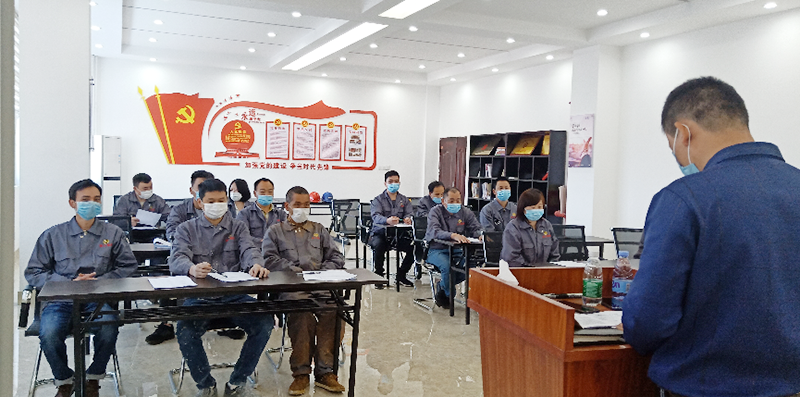
ServiceSince its establishment, we have always adhered to the service philosophy of "being close, caring, full lifecycle, and full value chain".
-
Contact UsCorporate Honors We provide our customers not only with advantageous products, technologies, and services, but also with a comprehensive solution to meet diverse needs, thereby continuously creating value for customers and he


Online Inquiry

JINGONG
NEWS
Boost Construction Efficiency with a Reliable and High-Quality Compaction Wheel for Excavator
TIME:2024-09-09 09:20
Boost Construction Efficiency with a Reliable and High-Quality Compaction Wheel for Excavator
Table of Contents
- 1. Introduction to Compaction Wheels
- 2. Importance of Compaction in Construction Projects
- 3. How a Compaction Wheel Works
- 4. Benefits of Using a Compaction Wheel for Excavators
- 5. Key Features to Look for in a Compaction Wheel
- 6. Types of Compaction Wheels for Excavators
- 7. How to Choose the Right Compaction Wheel for Your Excavator
- 8. Maintenance Tips for Compaction Wheels
- 9. Conclusion
- 10. FAQs
1. Introduction to Compaction Wheels
In the realm of construction, efficiency and reliability are paramount. One of the most significant advancements contributing to these goals is the **compaction wheel** for excavators. This innovative equipment has become indispensable for construction projects, enabling operators to achieve optimal soil and material compaction with ease. In this article, we delve into the functionality, benefits, and selection process of compaction wheels, ensuring you are well-informed to enhance your construction efficiency.
2. Importance of Compaction in Construction Projects
Compaction plays a crucial role in construction projects for several reasons:
2.1. Enhancing Stability
Proper compaction of soil and materials provides a stable foundation for structures, reducing the risk of settlement and ensuring long-term integrity.
2.2. Improving Load-Bearing Capacity
Compacted surfaces can support greater loads, essential for heavy machinery and structures built on top of them.
2.3. Minimizing Water Penetration
Effective compaction reduces pore space, helping to prevent water accumulation and erosion, which could compromise project stability.
2.4. Increasing Efficiency
Investing in quality compaction equipment, such as compaction wheels, facilitates faster and more efficient project completion, allowing for greater productivity.
3. How a Compaction Wheel Works
A compaction wheel operates by applying pressure to the soil or material beneath it, using the weight and motion of the excavator. As the wheel rolls over the surface, it compresses the material, effectively reducing voids and increasing density. This process requires skilled operators who understand the capabilities of their equipment and the characteristics of the materials being compacted.
3.1. Mechanism of Action
The wheel consists of a series of heavy plates or drums that exert force downward. As the excavator moves, these wheels rotate and press down on the surface, achieving uniform compaction across varying soil types.
3.2. Versatility
Compaction wheels can be adjusted for different compaction depths, making them suitable for a wide array of construction applications, from road building to landscaping.
4. Benefits of Using a Compaction Wheel for Excavators
Utilizing a compaction wheel for your excavator comes with numerous benefits:
4.1. Increased Productivity
With enhanced soil compaction capabilities, projects can be completed more quickly, allowing for efficient workflow and reduced downtime.
4.2. Cost-Effectiveness
High-quality compaction wheels minimize the need for additional equipment, lowering overall project costs.
4.3. Improved Quality of Work
A well-compacted surface ensures the durability and quality of the construction, reducing future repair costs and maintenance.
4.4. User-Friendly Operation
Modern compaction wheels are designed for ease of use, allowing operators to achieve optimal results with minimal training.
5. Key Features to Look for in a Compaction Wheel
When selecting a compaction wheel for your excavator, consider the following features:
5.1. Material Quality
Opt for wheels constructed from high-strength materials that can withstand rigorous use and harsh conditions.
5.2. Weight and Size
Choosing the appropriate size and weight is crucial for effective compaction, as it directly impacts the wheel's ability to compress soil.
5.3. Adjustable Settings
Look for wheels with adjustable settings for pressure and depth to accommodate different project requirements.
5.4. Durability
Ensure that the compaction wheel is built to last, with components that resist wear and tear over time.
5.5. Compatibility
Verify that the compaction wheel is compatible with your specific excavator model for seamless integration and performance.
6. Types of Compaction Wheels for Excavators
There are several types of compaction wheels available, each designed for specific applications and soil conditions:
6.1. Standard Compaction Wheels
These wheels are suitable for general-purpose compaction and are commonly used in most construction projects.
6.2. Heavy-Duty Compaction Wheels
Designed for tough applications, these wheels provide enhanced durability and performance under extreme conditions.
6.3. Adjustable Compaction Wheels
These versatile wheels allow operators to modify the compaction depth and pressure, making them ideal for varied soil types.
6.4. Pneumatic Compaction Wheels
These wheels utilize air pressure to enhance compaction efficiency, offering a unique approach to soil densification.
7. How to Choose the Right Compaction Wheel for Your Excavator
Selecting the right compaction wheel involves several considerations:
7.1. Assess Your Project Needs
Evaluate the specific requirements of your project, including soil types, compaction depth, and the scale of work involved.
7.2. Research Compatible Options
Identify compaction wheel models that are compatible with your excavator make and model.
7.3. Compare Features and Specifications
Examine the features of different compaction wheels, focusing on durability, adjustability, and construction quality.
7.4. Seek Expert Recommendations
Consult with industry experts or equipment suppliers for insights on the best compaction wheels suited for your unique needs.
8. Maintenance Tips for Compaction Wheels
To ensure longevity and optimal performance, regular maintenance of your compaction wheel is essential:
8.1. Regular Inspections
Conduct frequent inspections for wear and tear, checking for any signs of damage or malfunction.
8.2. Cleaning
Keep the compaction wheel clean from soil and debris buildup to maintain efficiency.
8.3. Lubrication
Apply appropriate lubrication to moving parts as specified by the manufacturer to prevent wear.
8.4. Storage
Store the compaction wheel in a dry, sheltered location to protect it from the elements when not in use.
9. Conclusion
Incorporating a **reliable and high-quality compaction wheel** into your excavator can significantly enhance construction efficiency and productivity. By ensuring optimal soil compaction, you lay the groundwork for successful projects that stand the test of time. With a variety of options available, understanding your specific needs and the features that matter most will help you select the perfect compaction wheel for your excavator, ensuring that your projects are completed on time, within budget, and to the highest quality standards.
10. FAQs
10.1. What is a compaction wheel?
A compaction wheel is an attachment for excavators designed to compress soil and materials, enhancing stability and load-bearing capacity.
10.2. How does a compaction wheel improve construction efficiency?
By providing optimal soil compaction, it reduces project timelines, enhances the quality of work, and minimizes the need for additional equipment.
10.3. Can a compaction wheel be used on all soil types?
Yes, compaction wheels are versatile and can be adjusted to work effectively on various soil types, although some models may perform better on specific materials.
10.4. How often should I maintain my compaction wheel?
Regular maintenance should be performed before and after each use, with thorough inspections conducted periodically to ensure optimal performance.
10.5. What factors should I consider when choosing a compaction wheel?
Consider factors such as material quality, weight, size, adjustability, and compatibility with your excavator model when selecting a compaction wheel.
Related News
Contact Us
No. 88, Pan Cuo, Jiaonan Village, Heshizhen, Luojiang District, Quanzhou City, Fujian Province


