
-
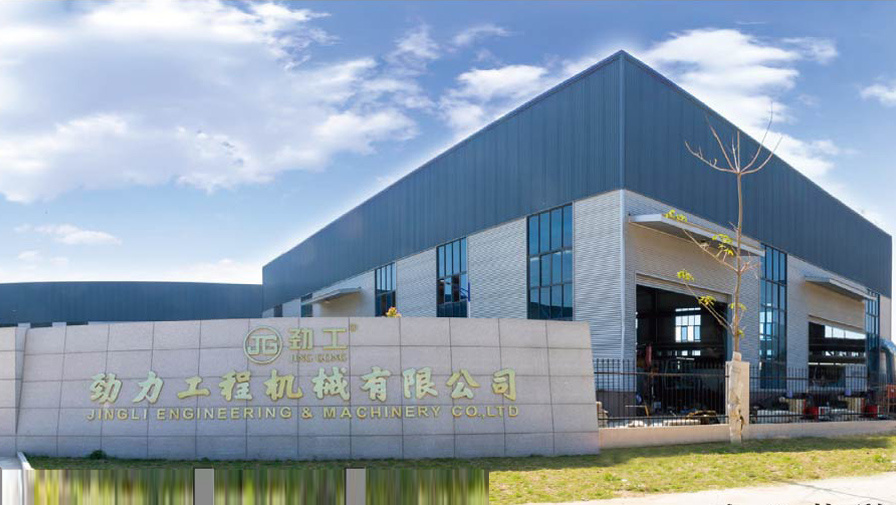
About UsQuanzhou Jinli Engineering Machinery Co., Ltd., established in July 2006, is a professional manufacturer specializing in design, development, production, and sales of equipment machinery.
-
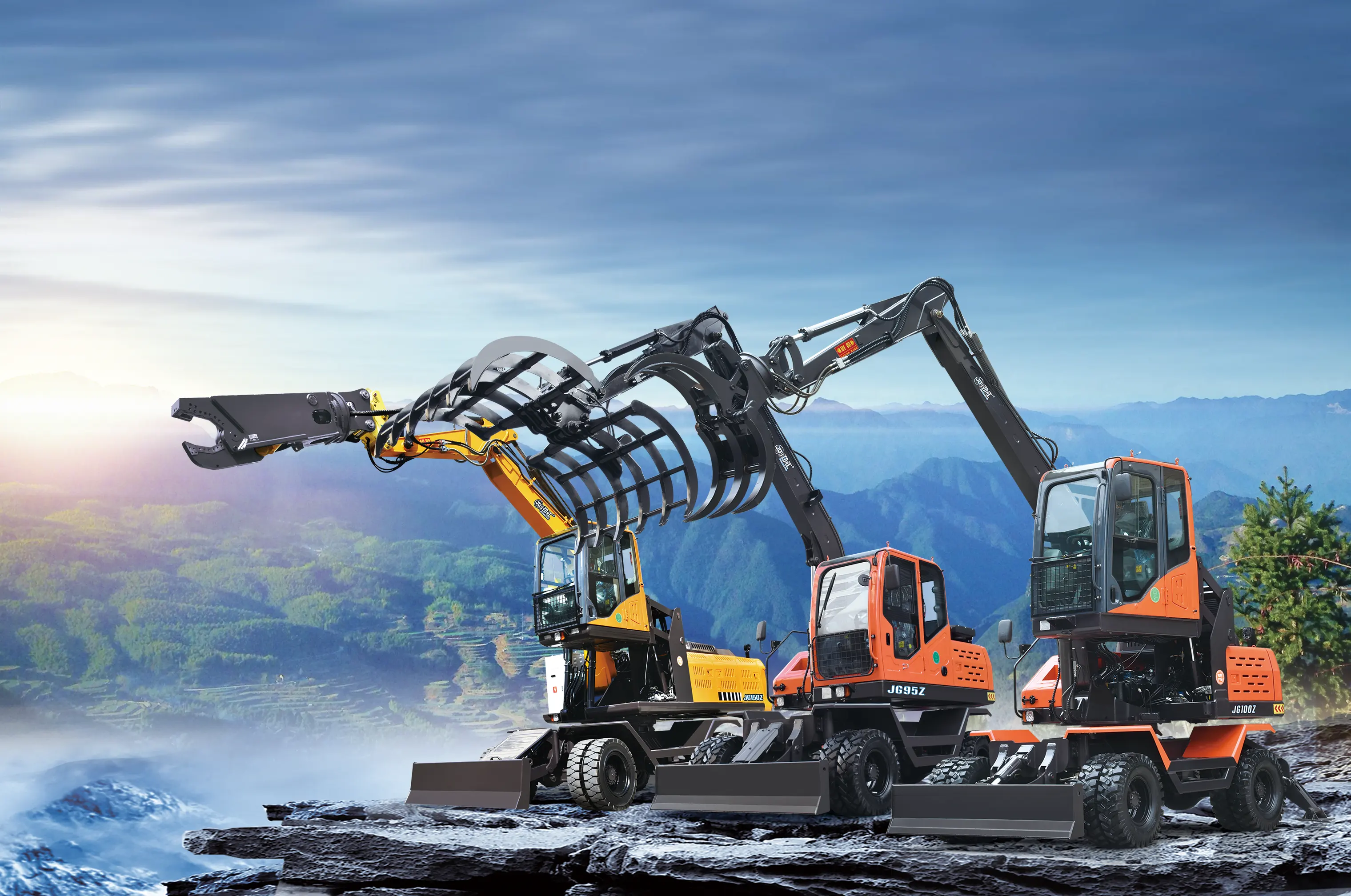
ProductsConstruction machinery: tire excavator, crawler excavator; Forestry machinery: bamboo and wood (sugarcane) picking and loading machines, multifunctional transfer machines; Harvesting machinery: whole rod sugarcane combine har
-
NewsJinggong adheres to the business philosophy of "technology supporting enterprises, quality bearing heavy trust", constantly develops new products guided by market demand, and presents satisfactory products to our customers.

-
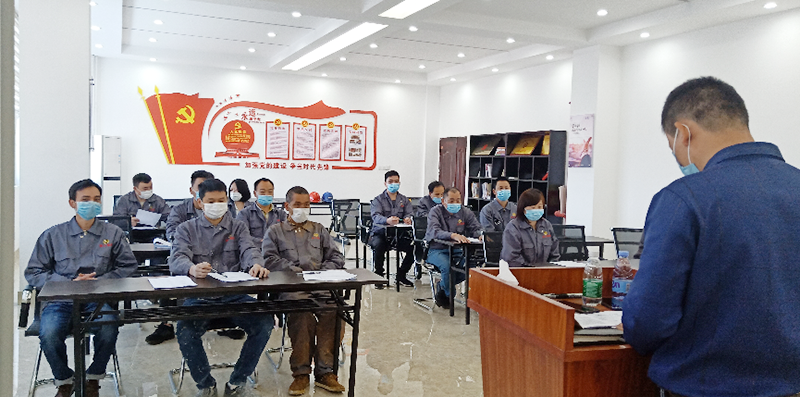
ServiceSince its establishment, we have always adhered to the service philosophy of "being close, caring, full lifecycle, and full value chain".
-
Contact UsCorporate Honors We provide our customers not only with advantageous products, technologies, and services, but also with a comprehensive solution to meet diverse needs, thereby continuously creating value for customers and he


Online Inquiry

JINGONG
NEWS
The Benefits of Investing in a Famous Compaction Wheel for Excavators
TIME:2024-09-21 09:20
The Benefits of Investing in a Famous Compaction Wheel for Excavators
Introduction to Compaction Wheels for Excavators
In the realm of construction and heavy machinery, **excavators** are indispensable. They perform a multitude of tasks, including digging, lifting, and transporting materials. However, one aspect that can significantly impact the efficiency of excavators is the **compaction wheel**. This vital attachment helps ensure optimal soil compaction, which is crucial for the stability and longevity of construction projects.
Investing in a **famous compaction wheel** brings numerous benefits that can enhance the performance of your excavator while improving overall project outcomes. In this article, we will explore these benefits in depth, compare different types of compaction wheels, and provide guidance on selecting the best one for your specific needs.
Understanding Compaction Wheels
What is a Compaction Wheel?
A compaction wheel is a specialized attachment designed for excavators that aids in the **compaction of soil and other materials**. This device consists of a series of heavy steel drums or wheels that apply pressure to the ground as the excavator moves. The compaction process is essential for creating a solid foundation for roads, buildings, and other structures.
How Does a Compaction Wheel Work?
The compaction wheel operates by utilizing the weight of the excavator to exert pressure on the wheels as they roll over the surface. This action compresses the soil particles, reducing air pockets and enhancing density, which is crucial for preventing future settling and ensuring stability. The effectiveness of the compaction wheel is often determined by factors such as weight, design, and size.
Benefits of Investing in a Famous Compaction Wheel
1. Enhanced Soil Compaction
One of the most significant advantages of using a high-quality compaction wheel is **enhanced soil compaction**. A famous brand typically employs advanced engineering and materials, ensuring that the compaction wheel performs optimally. This leads to better density and stability of the soil, providing a solid foundation for construction projects.
2. Increased Productivity
Investing in a reputable compaction wheel can dramatically increase productivity on the job site. With superior compaction capabilities, the need for additional passes or equipment is often reduced. This efficiency allows operators to complete projects faster, minimizing downtime and labor costs.
3. Improved Equipment Longevity
A renowned compaction wheel is not just effective; it’s also durable. Making a wise investment in quality equipment ensures that it withstands the rigors of daily operations. This longevity translates into lower maintenance costs and less frequent replacements, maximizing your return on investment.
4. Versatility Across Applications
Famous compaction wheels are designed to be versatile, making them suitable for various applications, including road construction, landscaping, and excavation. Regardless of the specific task, these wheels can adapt to different soil types and conditions, further enhancing their value.
5. Enhanced Safety Standards
Investing in top-tier compaction wheels often translates into improved safety on the job site. Quality products incorporate safety features that reduce the risk of accidents and injuries during operation. This commitment to safety not only protects workers but also minimizes potential delays caused by incidents.
Types of Compaction Wheels
1. Smooth Drum Compaction Wheels
Smooth drum compaction wheels are the most common type and are ideal for compacting granular and cohesive soils. Their smooth surface enables efficient soil compression while minimizing potential damage to the underlying material.
2. Padfoot Compaction Wheels
Padfoot compaction wheels feature protruding pads or feet that penetrate the soil, making them suitable for compacting cohesive materials such as clay. These wheels create a more significant impact on the soil structure, ensuring better compaction in challenging conditions.
3. Combination Compaction Wheels
Combination compaction wheels incorporate both smooth and padfoot designs, allowing for versatility in various soil types. This design is particularly beneficial for projects requiring different compaction strategies within a single job.
Choosing the Right Compaction Wheel
1. Assessing Project Requirements
Before investing in a compaction wheel, it’s crucial to assess the specific requirements of your project. Consider factors such as soil type, project size, and the desired level of compaction. This evaluation will help you identify the best compaction wheel suited for your needs.
2. Evaluating Brand Reputation
The reputation of the manufacturer plays a significant role in the effectiveness of the compaction wheel. Opt for well-known brands with a history of producing high-quality equipment. Research customer reviews and case studies to gain insights into product performance.
3. Compatibility with Your Excavator
Ensure that the compaction wheel is compatible with your excavator model. This compatibility will not only enhance performance but also ensure safety during operation. Consult with your equipment dealer for recommendations on compatible attachments.
Best Practices for Using Compaction Wheels
1. Regular Maintenance
To maximize the lifespan of your compaction wheel, regular maintenance is essential. Inspect the wheel for wear and tear, lubricate moving parts, and address any issues promptly to prevent more significant problems down the line.
2. Proper Operating Techniques
Employing the right operating techniques is crucial for achieving optimal compaction results. Ensure that the wheel makes consistent contact with the ground and avoid excessive speeds, as these can reduce compaction effectiveness.
3. Monitoring Soil Conditions
Understanding the soil conditions on-site can significantly impact compaction results. Monitor moisture content and soil type to make necessary adjustments in your approach, ensuring that the compaction wheel operates effectively.
Cost Considerations When Investing in a Compaction Wheel
1. Initial Investment vs. Long-term Savings
While the initial investment in a famous compaction wheel may be higher than lesser-known brands, the long-term savings often outweigh the upfront costs. Quality equipment tends to require less maintenance and replacement, leading to better overall value.
2. Financing Options
Evaluate available financing options for purchasing a compaction wheel. Many manufacturers and dealers offer payment plans or leasing options, making it easier to invest in high-quality equipment without straining your budget.
Frequently Asked Questions (FAQs)
1. What is the primary function of a compaction wheel?
The primary function of a compaction wheel is to compress soil and other materials, ensuring optimal density and stability for construction projects.
2. Can I use a compaction wheel on all types of soil?
While compaction wheels can be effective on various soil types, choosing the right type (smooth, padfoot, or combination) for specific soil conditions is essential for optimal performance.
3. How does a famous compaction wheel differ from cheaper alternatives?
Famous compaction wheels often feature superior materials and engineering, leading to better performance, durability, and efficiency compared to cheaper alternatives.
4. What maintenance is required for a compaction wheel?
Regular maintenance includes inspecting for wear, lubricating moving parts, and addressing any issues to ensure the longevity and effectiveness of the compaction wheel.
5. Is it worth investing in a high-quality compaction wheel?
Yes, investing in a high-quality compaction wheel can lead to enhanced project efficiency, improved soil compaction, and lower long-term costs due to reduced maintenance and replacement needs.
Conclusion
Investing in a famous compaction wheel for excavators presents numerous benefits, including enhanced soil compaction, increased productivity, and improved equipment longevity. By understanding the various types of compaction wheels and the best practices for use, construction professionals can make informed decisions that lead to successful project outcomes. The upfront investment in a quality compaction wheel ultimately pays off through improved efficiency, safety, and overall project success.
Related News
Contact Us
No. 88, Pan Cuo, Jiaonan Village, Heshizhen, Luojiang District, Quanzhou City, Fujian Province


