
-
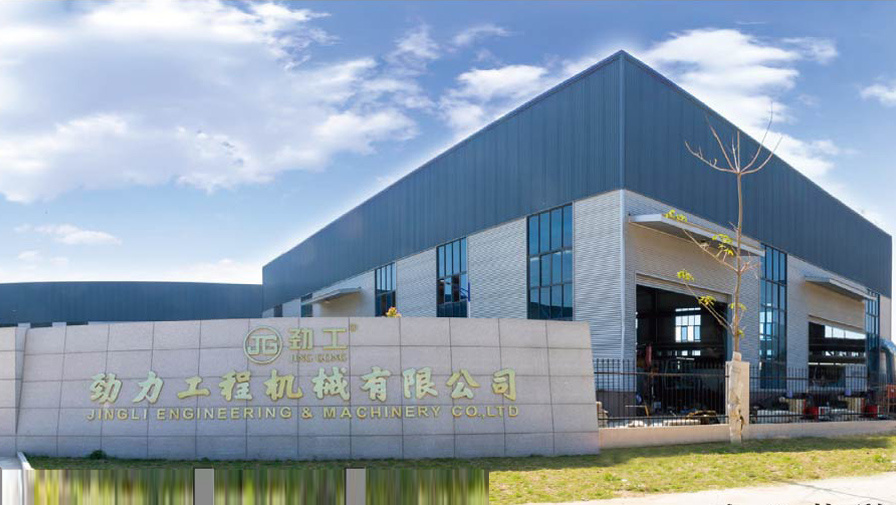
About UsQuanzhou Jinli Engineering Machinery Co., Ltd., established in July 2006, is a professional manufacturer specializing in design, development, production, and sales of equipment machinery.
-
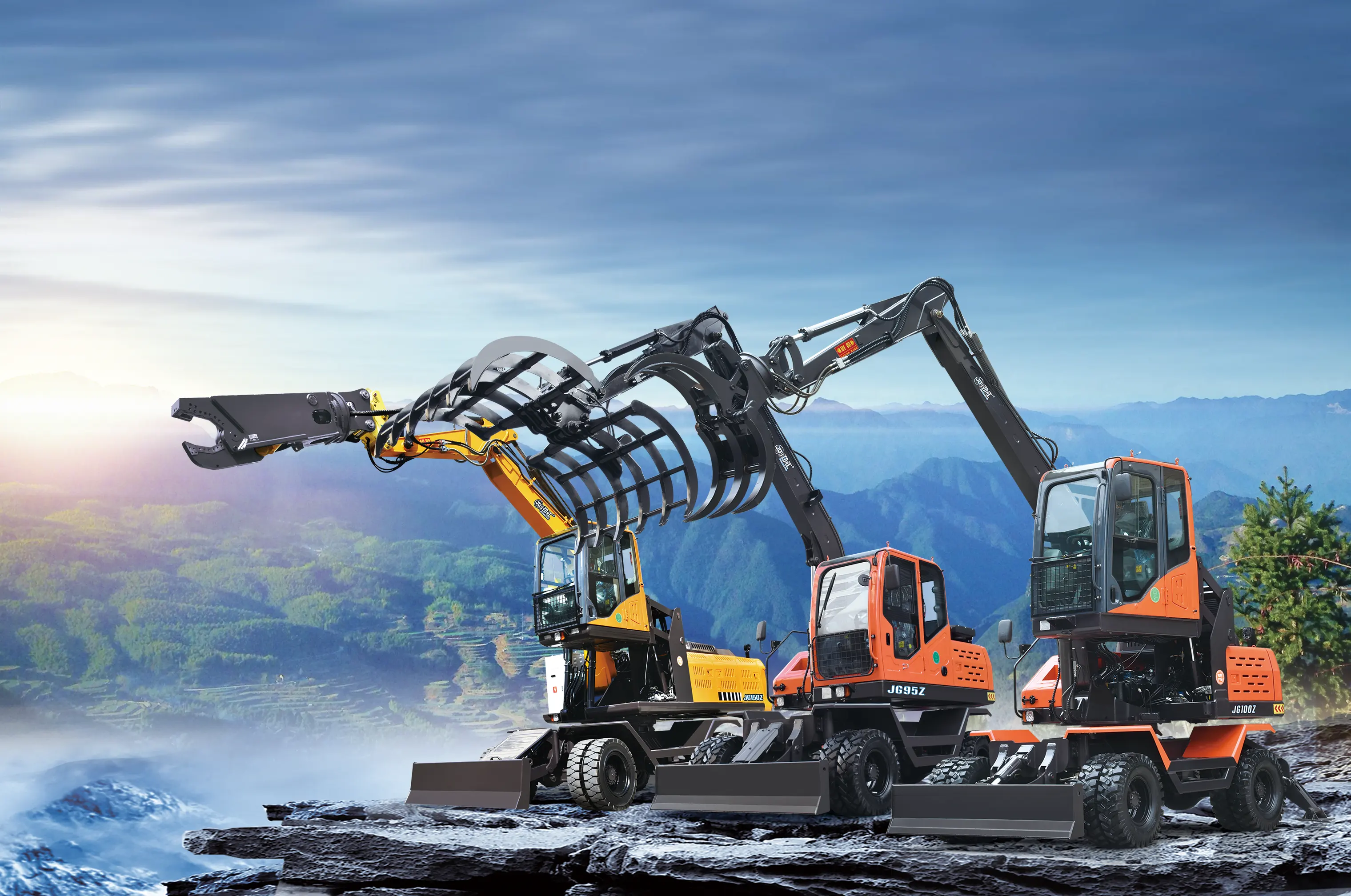
ProductsConstruction machinery: tire excavator, crawler excavator; Forestry machinery: bamboo and wood (sugarcane) picking and loading machines, multifunctional transfer machines; Harvesting machinery: whole rod sugarcane combine har
-
NewsJinggong adheres to the business philosophy of "technology supporting enterprises, quality bearing heavy trust", constantly develops new products guided by market demand, and presents satisfactory products to our customers.

-
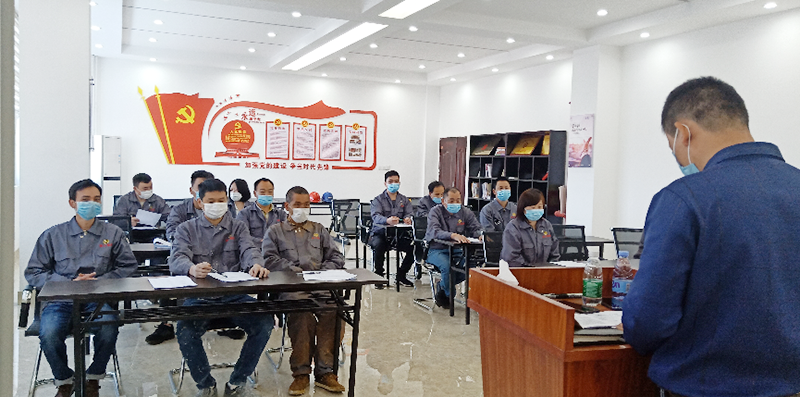
ServiceSince its establishment, we have always adhered to the service philosophy of "being close, caring, full lifecycle, and full value chain".
-
Contact UsCorporate Honors We provide our customers not only with advantageous products, technologies, and services, but also with a comprehensive solution to meet diverse needs, thereby continuously creating value for customers and he


Online Inquiry

JINGONG
NEWS
Achieve Superior Soil Compaction with the Right Wheel for Excavator
TIME:2024-09-27 09:20
Achieve Superior Soil Compaction with the Right Wheel for Excavator
Table of Contents
- 1. Introduction to Soil Compaction and Excavation
- 2. Importance of Soil Compaction in Construction
- 3. Types of Excavator Wheels for Enhanced Soil Compaction
- 4. Choosing the Right Wheel for Your Excavator
- 5. Techniques for Achieving Optimal Soil Compaction
- 6. Benefits of Proper Soil Compaction
- 7. Common Challenges in Soil Compaction
- 8. Frequently Asked Questions
- 9. Conclusion
1. Introduction to Soil Compaction and Excavation
Achieving superior soil compaction is a critical aspect of successful excavation projects. Soil compaction refers to the process of increasing the density of soil by reducing the air gaps between particles, making it stronger and more stable. This process is vital in construction and engineering applications, where proper load-bearing capacity and stability are essential. Selecting the right wheels for your excavator can significantly impact the efficiency of this process.
2. Importance of Soil Compaction in Construction
The importance of soil compaction cannot be overstated. Properly compacted soil ensures that structures built on it have a solid foundation, reducing the risk of settlement, cracking, and other issues. Enhanced soil stability also contributes to the longevity of roads, bridges, and buildings.
Understanding the Role of Soil Type
Soil type plays a crucial role in compaction. Clay, sand, and silt each react differently to compaction efforts. For instance, clay soils exhibit high plasticity, while sandy soils are more prone to shifting. Understanding these characteristics helps in choosing the right compaction methods and equipment.
3. Types of Excavator Wheels for Enhanced Soil Compaction
Selecting the right wheels for your excavator is paramount in achieving superior soil compaction. There are various types of wheels designed for different types of terrain and soil conditions.
Standard Wheels
Standard wheels are versatile and commonly used across various terrains. They provide a balanced approach to compaction but may not be effective in specialized situations.
Wide Wheels
Wider wheels distribute the weight of the excavator over a larger area, reducing ground pressure and enhancing stability. This is particularly beneficial in soft or loose soil conditions.
Rubber Tracks
Rubber tracks are increasingly popular due to their ability to provide excellent traction while minimizing soil disturbance. They are ideal for sensitive environments where maintaining the integrity of the soil is crucial.
Heavy-Duty Wheels
Heavy-duty wheels are designed for extreme conditions. They are ideal for rocky or uneven terrains, providing durability and resistance against wear and tear.
4. Choosing the Right Wheel for Your Excavator
Selecting the appropriate wheel for your excavator involves assessing various factors.
Assessing Soil Conditions
Before making a decision, conduct a thorough assessment of the soil conditions at the excavation site. Is the soil sandy, clayey, or loamy? Different soils require different approaches to compaction.
Weight and Load Capacity
Consider the weight of your excavator and the load capacity of the wheels. Heavier wheels can provide better compaction in certain conditions but may also require more powerful machinery.
Terrain Type
The type of terrain on which you will be operating plays a significant role in wheel selection. For example, if you’re working on soft ground, wider wheels may be necessary.
Environmental Considerations
Consider the environmental impact of your operations. Some wheels are designed to minimize soil disturbance and protect sensitive ecosystems.
5. Techniques for Achieving Optimal Soil Compaction
Once the right wheels have been chosen, employing effective compaction techniques is essential.
Layered Compaction
Compacting soil in layers rather than all at once leads to better results. This technique allows for more thorough compaction and reduces the risk of over-compaction, which can weaken the soil.
Moisture Control
Moisture content significantly affects soil compaction. Maintaining optimal moisture levels helps soil particles bind together more effectively. Perform moisture tests to ensure ideal conditions.
Use of Vibratory Compactors
Integrating vibratory compactors with your excavator enhances compaction efforts. The vibration helps to rearrange soil particles, allowing for better bonding.
6. Benefits of Proper Soil Compaction
Achieving proper soil compaction offers numerous benefits, including:
Increased Load-Bearing Capacity
Properly compacted soil can support heavier loads, making it suitable for a range of structures, from buildings to roads.
Reduced Settlement
Compaction minimizes the risk of soil settlement over time, which can lead to structural damage.
Improved Durability
Well-compacted soil enhances the durability of construction projects, extending their lifespan and reducing maintenance costs.
7. Common Challenges in Soil Compaction
Despite the importance of soil compaction, various challenges can arise during the process.
Inadequate Equipment
Using the wrong equipment can hinder compaction efforts. It’s vital to equip your excavator with the appropriate wheels and tools for the job.
Weather Conditions
Adverse weather conditions, such as excessive rain or extreme heat, can negatively affect compaction. Planning work around favorable weather is essential.
Soil Variability
Soil conditions can vary significantly across a site. Inconsistent compaction can lead to areas of weak soil, increasing the risk of future problems.
8. Frequently Asked Questions
What is the best wheel type for clay soil?
For clay soil, heavy-duty wheels or wide wheels are generally recommended. They provide better traction and load distribution, enhancing compaction.
How does moisture affect soil compaction?
Optimal moisture levels improve soil particle bonding, making compaction more effective. Too little moisture can lead to poor compaction, while too much can cause soil to become too pliable.
Can I use my excavator wheels on different soil types?
While some wheels are versatile, it’s best to choose wheels tailored to specific soil types for optimal performance.
What are the signs of inadequate soil compaction?
Signs of inadequate compaction include uneven surfaces, cracking, and excessive settling. Monitoring these signs can help address compaction issues early.
How often should I inspect my excavation equipment?
Regular inspections are essential. It’s recommended to inspect your equipment before and after each job to ensure optimal performance.
9. Conclusion
Achieving superior soil compaction with the right wheel for your excavator is crucial for any construction project. By understanding soil types, selecting appropriate wheels, employing effective compaction techniques, and addressing common challenges, you can significantly enhance your project's overall quality and durability. Investing time and resources into this aspect of excavation will pay off in the long run, ensuring that your structures stand strong against the test of time.
Related News
Contact Us
No. 88, Pan Cuo, Jiaonan Village, Heshizhen, Luojiang District, Quanzhou City, Fujian Province


