
-
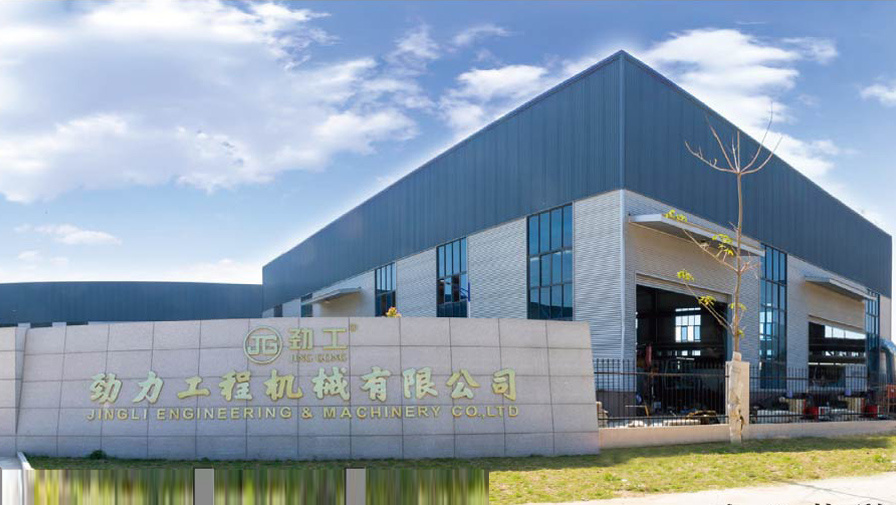
About UsQuanzhou Jinli Engineering Machinery Co., Ltd., established in July 2006, is a professional manufacturer specializing in design, development, production, and sales of equipment machinery.
-
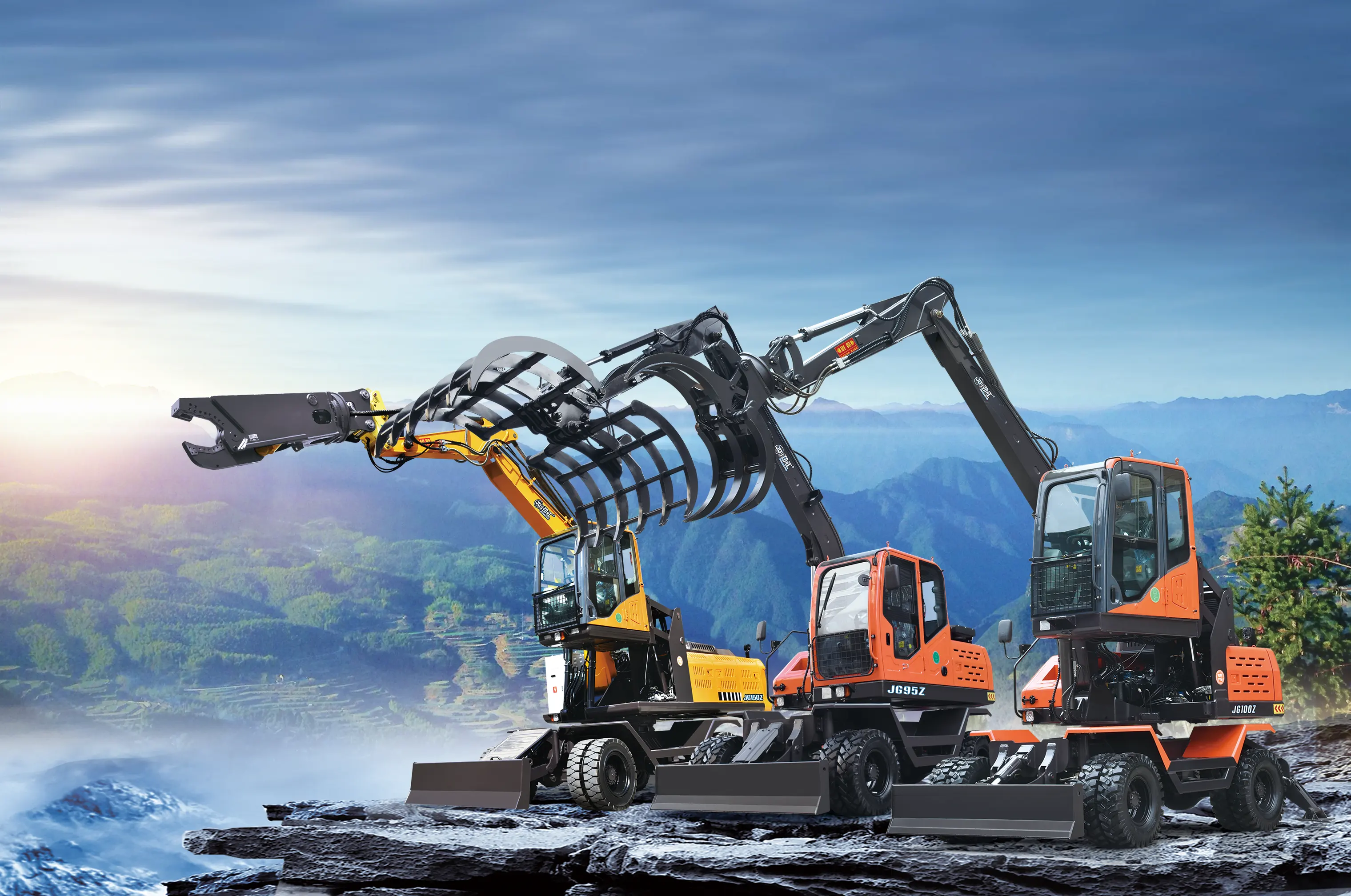
ProductsConstruction machinery: tire excavator, crawler excavator; Forestry machinery: bamboo and wood (sugarcane) picking and loading machines, multifunctional transfer machines; Harvesting machinery: whole rod sugarcane combine har
-
NewsJinggong adheres to the business philosophy of "technology supporting enterprises, quality bearing heavy trust", constantly develops new products guided by market demand, and presents satisfactory products to our customers.

-
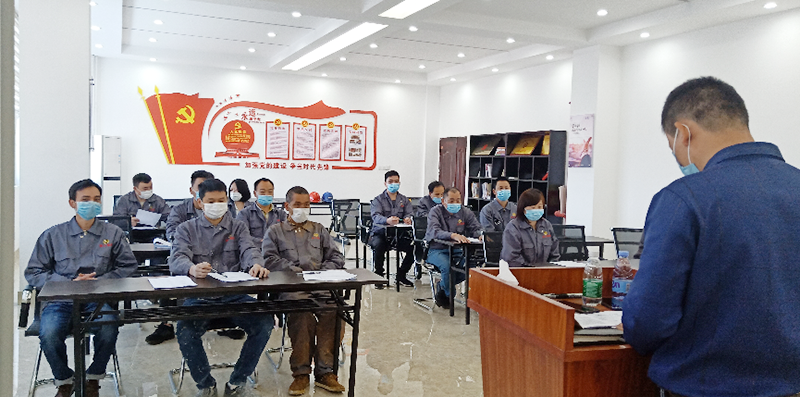
ServiceSince its establishment, we have always adhered to the service philosophy of "being close, caring, full lifecycle, and full value chain".
-
Contact UsCorporate Honors We provide our customers not only with advantageous products, technologies, and services, but also with a comprehensive solution to meet diverse needs, thereby continuously creating value for customers and he


Online Inquiry

JINGONG
NEWS
Hydraulic Crawler Excavator Factories: Embracing Sustainable Practices for a Greener Future
TIME:2024-10-03 09:20
Hydraulic Crawler Excavator Factories: Embracing Sustainable Practices
Table of Contents
- Introduction to Hydraulic Crawler Excavators
- The Importance of Sustainability in Manufacturing
- Current Practices in Hydraulic Crawler Excavator Factories
- Utilizing Eco-Friendly Materials
- Energy-Efficient Technologies in Excavator Manufacturing
- Waste Reduction Strategies
- Future Trends in Sustainable Excavator Manufacturing
- Conclusion
- FAQs about Hydraulic Crawler Excavators and Sustainability
Introduction to Hydraulic Crawler Excavators
Hydraulic crawler excavators are crucial in modern construction and engineering projects. These powerful machines are designed for various applications, including digging, earthmoving, and demolition. As the global construction industry faces increasing scrutiny over its environmental impact, hydraulic crawler excavator factories are stepping up to embrace sustainable practices. This article delves into how these factories are implementing eco-friendly solutions while maintaining efficiency and productivity.
The Importance of Sustainability in Manufacturing
The manufacturing sector has a significant impact on the environment, from resource extraction to waste generation. As countries adopt stringent regulations and consumers become more environmentally conscious, the importance of sustainability in manufacturing cannot be overstated. Hydraulic crawler excavator factories are recognizing this need and are actively working to minimize their ecological footprint. Embracing sustainable practices not only benefits the planet but also enhances the reputation of manufacturers, leading to increased customer loyalty and market competitiveness.
Current Practices in Hydraulic Crawler Excavator Factories
Many hydraulic crawler excavator factories have begun integrating sustainable practices into their operations. These include:
1. Energy Management Systems
Factories are prioritizing energy efficiency by implementing advanced energy management systems. These systems monitor energy consumption, helping to identify areas for improvement. By optimizing energy use, manufacturers can reduce their carbon emissions significantly.
2. Water Conservation Efforts
Water is a critical resource in manufacturing processes. Many factories are adopting water-efficient technologies, recycling water, and implementing rainwater harvesting systems to reduce their overall water consumption.
3. Employee Training and Engagement
Educating and engaging employees about sustainable practices is essential for successful implementation. Factories are investing in training programs to raise awareness and encourage staff to participate in sustainability initiatives actively.
Utilizing Eco-Friendly Materials
One of the most effective ways to reduce the environmental impact of hydraulic crawler excavator manufacturing is to use eco-friendly materials. This section explores some of the innovative materials being utilized:
1. Recycled Metals
The use of recycled metals in manufacturing components can significantly reduce the energy required for extraction and processing. Many factories are sourcing materials from reputable recycling centers to meet their production needs.
2. Biodegradable Components
Manufacturers are increasingly exploring biodegradable alternatives for various non-structural components of excavators. These materials break down naturally, reducing landfill waste and environmental harm.
3. Low-VOC Coatings
Traditional paint and coatings often contain volatile organic compounds (VOCs) that are harmful to both the environment and human health. Factories are shifting towards low-VOC or VOC-free coatings, improving air quality and reducing toxicity.
Energy-Efficient Technologies in Excavator Manufacturing
Technological advancements play a pivotal role in enhancing the sustainability of hydraulic crawler excavator factories. Some key innovations include:
1. Hybrid and Electric Excavators
The development of hybrid and fully electric excavators has revolutionized the industry. These machines significantly reduce fuel consumption and emissions while maintaining performance.
2. Automation and Smart Manufacturing
Automation technologies, including robotics and artificial intelligence, optimize manufacturing processes, streamlining operations and minimizing waste.
3. Advanced Material Processing Techniques
Innovative processing techniques, such as additive manufacturing, allow for the creation of complex parts with less material waste, leading to a more sustainable production cycle.
Waste Reduction Strategies
Effective waste management is a cornerstone of sustainable manufacturing. Hydraulic crawler excavator factories are implementing several strategies to minimize waste:
1. Lean Manufacturing Principles
Adopting lean manufacturing principles helps factories eliminate waste in all forms, from material waste to time inefficiencies, leading to a more streamlined production process.
2. Circular Economy Initiatives
Embracing a circular economy approach encourages manufacturers to design products for longevity and recyclability. Factories are increasingly focused on creating components that can be reused or repurposed at the end of their life cycle.
3. Responsible Disposal Practices
For any waste generated, factories are implementing responsible disposal practices to ensure that materials are disposed of in an eco-friendly manner, reducing environmental impact.
Future Trends in Sustainable Excavator Manufacturing
The shift towards sustainability in hydraulic crawler excavator manufacturing is gaining momentum. Several trends are emerging that will shape the future of the industry:
1. Increased Regulatory Compliance
As governments impose stricter environmental regulations, manufacturers will need to adapt their practices to remain compliant, driving further investments in sustainable technologies.
2. Growing Consumer Demand for Green Products
Consumers are increasingly opting for environmentally friendly products. Hydraulic crawler excavator manufacturers will need to align their offerings with consumer preferences to capture market share.
3. Collaboration Across the Supply Chain
Sustainability cannot be achieved in isolation. Manufacturers will increasingly collaborate with suppliers and stakeholders to develop sustainable practices that extend throughout the supply chain.
Conclusion
The hydraulic crawler excavator industry is at a pivotal moment, with sustainability becoming a key focus for manufacturers. By embracing eco-friendly materials, implementing energy-efficient technologies, and adopting waste reduction strategies, these factories are paving the way for a greener future in construction machinery. As the demand for sustainable practices continues to rise, the industry must remain committed to innovation and responsible manufacturing.
FAQs about Hydraulic Crawler Excavators and Sustainability
1. What is a hydraulic crawler excavator?
A hydraulic crawler excavator is a heavy construction machine used for digging, moving earth, and demolition. It moves on tracked wheels, providing stability and mobility on various terrains.
2. Why is sustainability important in excavator manufacturing?
Sustainability in excavator manufacturing is crucial to minimize environmental impact, meet regulatory demands, and respond to consumer preferences for eco-friendly products.
3. What materials are considered eco-friendly in excavator production?
Eco-friendly materials include recycled metals, biodegradable components, and low-VOC coatings that reduce environmental harm and improve health safety.
4. How do energy-efficient technologies benefit excavator manufacturers?
Energy-efficient technologies, such as electric and hybrid excavators, lower fuel consumption and emissions while enhancing overall performance and efficiency.
5. What are some waste reduction strategies employed in excavator factories?
Waste reduction strategies include lean manufacturing principles, circular economy initiatives, and responsible disposal practices to minimize environmental impact.
By integrating these sustainable practices, hydraulic crawler excavator factories are not only contributing to environmental preservation but also setting a precedent for the manufacturing sector as a whole. This commitment to sustainability will ensure a brighter, greener future for both the industry and the planet.
Related News
Contact Us
No. 88, Pan Cuo, Jiaonan Village, Heshizhen, Luojiang District, Quanzhou City, Fujian Province


