
-
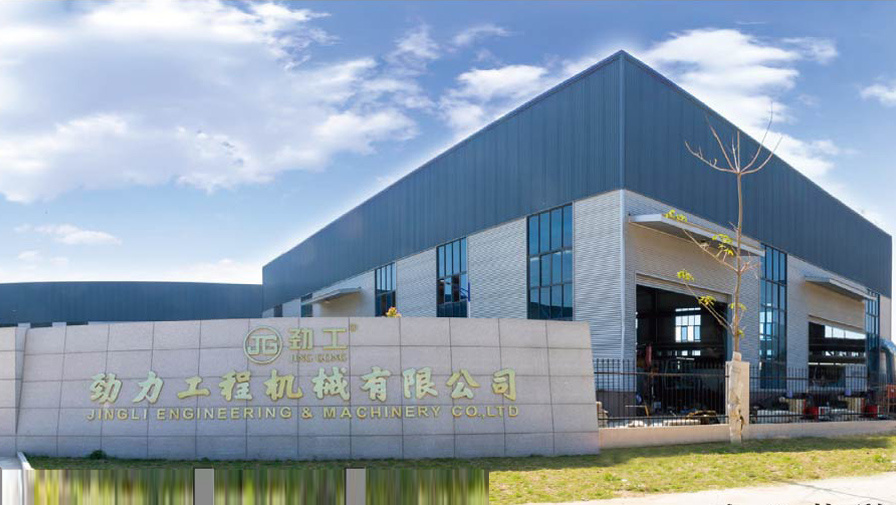
About UsQuanzhou Jinli Engineering Machinery Co., Ltd., established in July 2006, is a professional manufacturer specializing in design, development, production, and sales of equipment machinery.
-
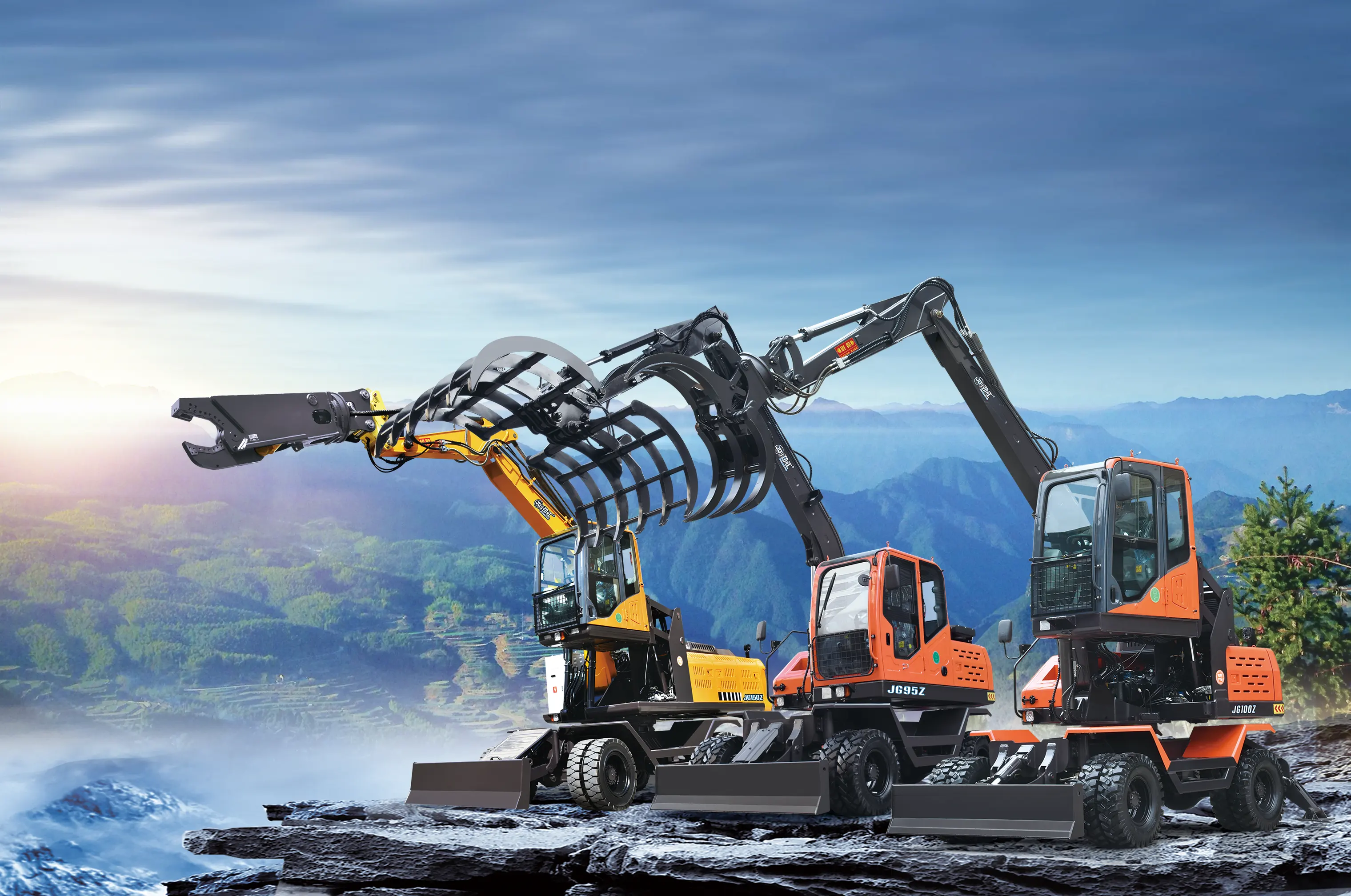
ProductsConstruction machinery: tire excavator, crawler excavator; Forestry machinery: bamboo and wood (sugarcane) picking and loading machines, multifunctional transfer machines; Harvesting machinery: whole rod sugarcane combine har
-
NewsJinggong adheres to the business philosophy of "technology supporting enterprises, quality bearing heavy trust", constantly develops new products guided by market demand, and presents satisfactory products to our customers.

-
ServiceSince its establishment, we have always adhered to the service philosophy of "being close, caring, full lifecycle, and full value chain".

-
Contact UsCorporate Honors We provide our customers not only with advantageous products, technologies, and services, but also with a comprehensive solution to meet diverse needs, thereby continuously creating value for customers and he


Online Inquiry

JINGONG
NEWS
The Essential Impact of Hydraulic Crawler Excavators on Today's Construction Industry
TIME:2024-10-21 09:40
The Essential Impact of Hydraulic Crawler Excavators on Today's Construction Industry
Table of Contents
1. Introduction to Hydraulic Crawler Excavators
2. The Mechanism Behind Hydraulic Crawler Excavators
3. Key Advantages of Hydraulic Crawler Excavators in Construction
3.1 Enhanced Stability and Mobility
3.2 Exceptional Power and Performance
3.3 Versatility Across Various Applications
4. Different Types of Hydraulic Crawler Excavators
5. Applications of Hydraulic Crawler Excavators in Modern Construction
5.1 Excavation and Earthmoving
5.2 Demolition Projects
5.3 Material Handling
6. Safety Measures and Best Practices
7. The Future of Hydraulic Crawler Excavators in Construction
8. FAQs about Hydraulic Crawler Excavators
9. Conclusion
1. Introduction to Hydraulic Crawler Excavators
Hydraulic crawler excavators have become a cornerstone of the construction industry, redefining how excavation and heavy lifting are approached. These machines, distinguished by their robust construction and versatile capabilities, are essential for completing complex projects efficiently and effectively. Their hydraulic systems enable powerful, precise movements, making them suitable for various applications ranging from residential building to large-scale infrastructure projects.
2. The Mechanism Behind Hydraulic Crawler Excavators
At the heart of every hydraulic crawler excavator is an advanced system of hydraulic pumps, cylinders, and fluid. The hydraulic mechanism allows these machines to exert tremendous force while maintaining control over movements. The crawler tracks further enhance stability, allowing for operation on uneven terrain without compromising performance. This intricate design ensures that hydraulic crawler excavators can perform demanding tasks that require both strength and finesse.
3. Key Advantages of Hydraulic Crawler Excavators in Construction
The advantages of hydraulic crawler excavators extend beyond mere functionality. Their design and operational capabilities yield several benefits that make them indispensable in the construction sector.
3.1 Enhanced Stability and Mobility
Unlike wheeled excavators, hydraulic crawler excavators maintain a low center of gravity, providing enhanced stability during operation. The broad tracks distribute weight evenly, reducing the risk of tipping on challenging terrains. This feature is particularly beneficial for construction sites with soft soil or uneven surfaces, allowing operators to maneuver confidently.
3.2 Exceptional Power and Performance
Hydraulic systems enable crawler excavators to generate substantial lifting and digging power. This efficiency translates to reduced time and labor costs, allowing construction companies to complete projects ahead of schedule. The hydraulic force can easily handle heavy loads, making these machines ideal for digging deep foundations or lifting substantial materials.
3.3 Versatility Across Various Applications
Hydraulic crawler excavators are versatile machines that can be equipped with an array of attachments, including buckets, hammers, and grapples. This adaptability allows them to switch between tasks such as digging, demolition, material handling, and even landscaping, making them a valuable asset on any construction site.
4. Different Types of Hydraulic Crawler Excavators
There are several types of hydraulic crawler excavators designed for specific applications. Understanding these variations is essential for selecting the right machine for a project.
1. **Standard Excavators**: These are the most common type, featuring a bucket and arm that can rotate and extend to perform various tasks.
2. **Mini Excavators**: Compact and lightweight, these machines are ideal for small-scale projects or tight spaces where larger equipment cannot operate.
3. **Large Excavators**: Designed for heavy-duty applications, these machines have increased power and capacity, suitable for large-scale earthmoving and quarrying.
5. Applications of Hydraulic Crawler Excavators in Modern Construction
The versatility of hydraulic crawler excavators opens up a wide range of applications in the construction industry.
5.1 Excavation and Earthmoving
Excavating foundations, trenches, and large areas of earth is one of the primary functions of hydraulic crawler excavators. Their powerful digging capabilities allow operators to complete these tasks efficiently, regardless of soil conditions.
5.2 Demolition Projects
Hydraulic crawler excavators are invaluable in demolition projects. Equipped with specialized attachments, they can break down structures quickly and safely, preparing sites for new developments.
5.3 Material Handling
With the appropriate attachments, hydraulic crawler excavators can lift and transport heavy materials, making them ideal for loading and unloading tasks on construction sites.
6. Safety Measures and Best Practices
Operating hydraulic crawler excavators requires adherence to strict safety protocols to protect both operators and site personnel. Key measures include:
1. **Regular Maintenance**: Ensuring the machine is well-maintained reduces the risk of malfunctions.
2. **Operator Training**: Proper training ensures that operators can handle the machine safely and effectively.
3. **Site Inspection**: Evaluating the worksite for hazards before operation can prevent accidents.
7. The Future of Hydraulic Crawler Excavators in Construction
As technology advances, hydraulic crawler excavators are evolving. Innovations such as automation, telematics, and enhanced hydraulic systems are making these machines more efficient and user-friendly. The future holds the promise of even greater capabilities, reducing operational costs and improving safety on construction sites.
8. FAQs about Hydraulic Crawler Excavators
What is the primary function of hydraulic crawler excavators?
The primary function of hydraulic crawler excavators is to perform excavation and earthmoving tasks efficiently.
How do hydraulic crawlers differ from wheeled excavators?
Hydraulic crawlers offer better stability and traction on uneven terrains compared to wheeled excavators.
What types of attachments can be used with hydraulic crawler excavators?
Common attachments include buckets, hammers, and grapples, allowing for various tasks like digging, demolition, and lifting.
Are hydraulic crawler excavators suitable for small projects?
Yes, mini excavators are designed specifically for small projects and can operate in tight spaces.
What safety measures should be taken when operating excavators?
Regular maintenance, operator training, and site inspections are crucial for safe operation.
9. Conclusion
Hydraulic crawler excavators play a pivotal role in the modern construction industry, offering unparalleled power, versatility, and efficiency. Their robust mechanisms and adaptability make them essential for a wide range of applications, from excavation to demolition and material handling. As technology continues to advance, these machines will only become more integral to the construction process, driving innovation and improving safety standards. Embracing hydraulic crawler excavators not only enhances productivity but also positions construction companies at the forefront of an evolving industry.
Related News
Contact Us
No. 88, Pan Cuo, Jiaonan Village, Heshizhen, Luojiang District, Quanzhou City, Fujian Province


