
-
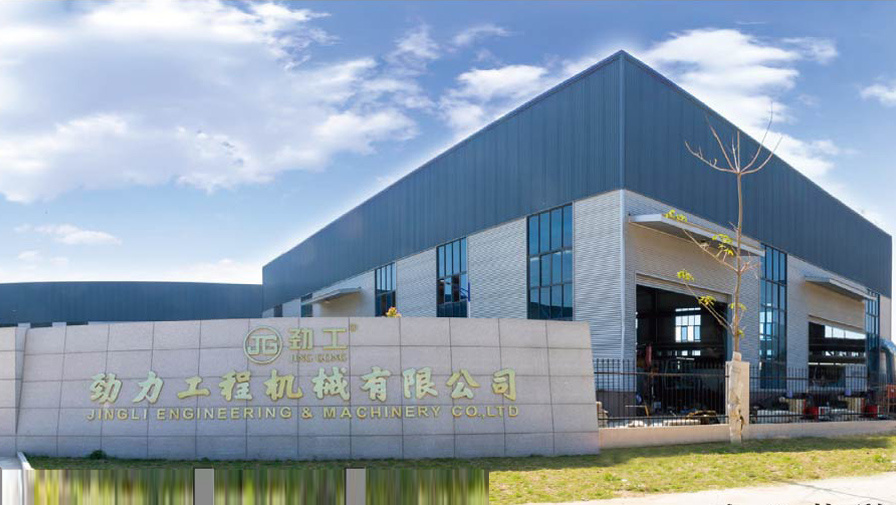
About UsQuanzhou Jinli Engineering Machinery Co., Ltd., established in July 2006, is a professional manufacturer specializing in design, development, production, and sales of equipment machinery.
-
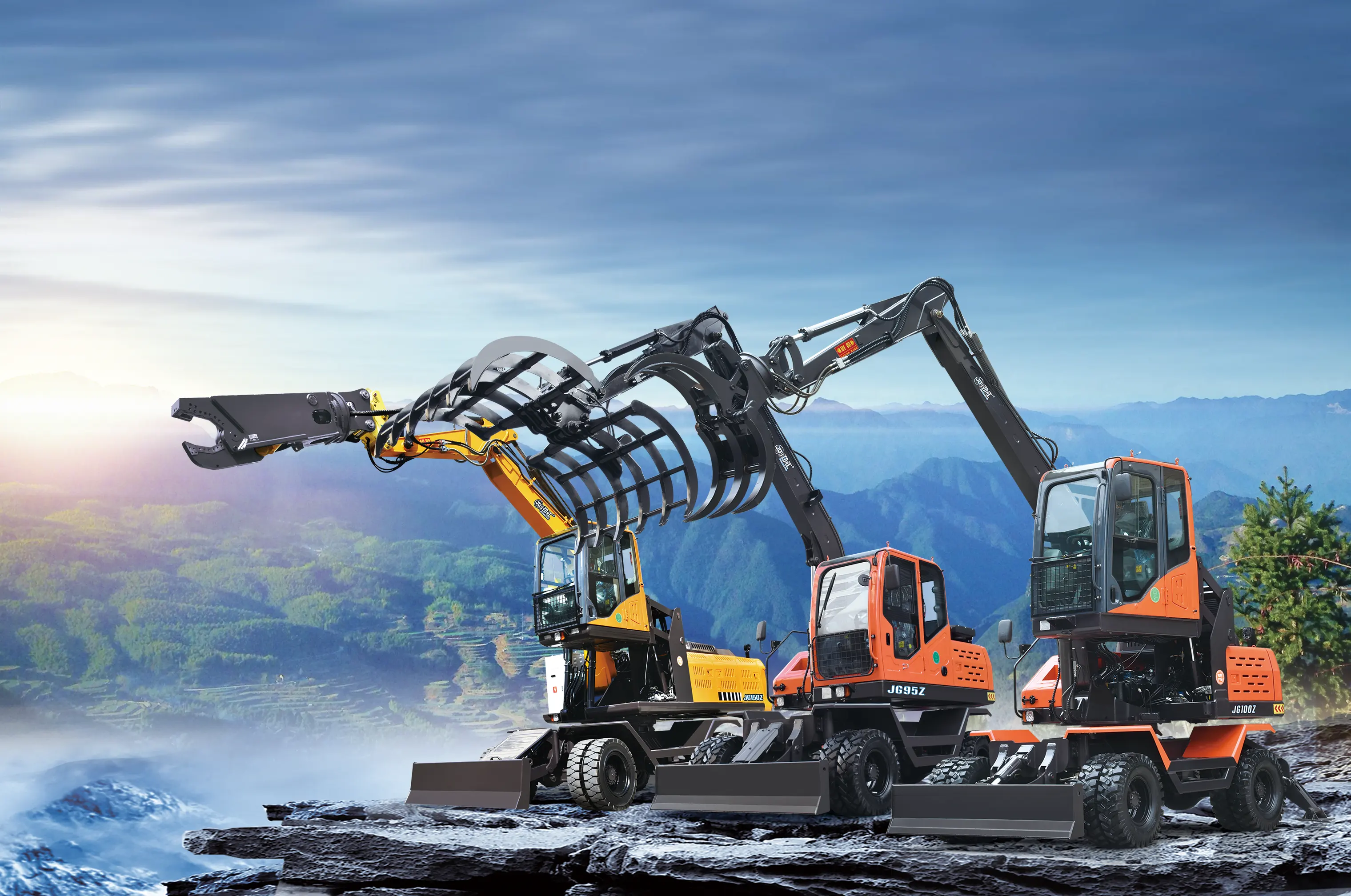
ProductsConstruction machinery: tire excavator, crawler excavator; Forestry machinery: bamboo and wood (sugarcane) picking and loading machines, multifunctional transfer machines; Harvesting machinery: whole rod sugarcane combine har
-
NewsJinggong adheres to the business philosophy of "technology supporting enterprises, quality bearing heavy trust", constantly develops new products guided by market demand, and presents satisfactory products to our customers.

-
ServiceSince its establishment, we have always adhered to the service philosophy of "being close, caring, full lifecycle, and full value chain".

-
Contact UsCorporate Honors We provide our customers not only with advantageous products, technologies, and services, but also with a comprehensive solution to meet diverse needs, thereby continuously creating value for customers and he


Online Inquiry

JINGONG
NEWS
Revolutionize Your Construction Ventures with the State-of-the-Art Hydraulic Crawler Excavator
TIME:2024-11-08 09:40
Revolutionize Your Construction Ventures with the State-of-the-Art Hydraulic Crawler Excavator
Table of Contents
- 1. Introduction to Hydraulic Crawler Excavators
- 2. What is a Hydraulic Crawler Excavator?
- 3. Key Benefits of Using Hydraulic Crawler Excavators
- 4. Technical Specifications of Modern Hydraulic Crawler Excavators
- 5. Diverse Applications in Construction and Engineering
- 6. How to Choose the Right Hydraulic Crawler Excavator
- 7. Essential Maintenance Tips for Hydraulic Crawler Excavators
- 8. Common Issues and Solutions
- 9. Conclusion
- 10. FAQs about Hydraulic Crawler Excavators
1. Introduction to Hydraulic Crawler Excavators
In the constantly evolving landscape of construction technology, hydraulic crawler excavators stand out as a **game-changing solution** for various construction projects. These machines are not just equipment; they represent an evolution in how we approach earthmoving tasks. With their **powerful hydraulic systems**, these excavators provide unprecedented capabilities that can significantly improve **operational efficiency** and **safety** on construction sites.
2. What is a Hydraulic Crawler Excavator?
Hydraulic crawler excavators are heavy-duty machines equipped with a bucket, an arm, and a rotating cab mounted on a tracked chassis. Unlike wheeled excavators, the **crawler design** allows for superior stability and traction on uneven terrain. Their hydraulic systems enable precise movement and control, making them ideal for digging, lifting, and hauling materials in challenging conditions.
Understanding the Components
The essential components of a hydraulic crawler excavator include:
- **Boom**: The long arm that extends from the chassis, providing reach and leverage.
- **Bucket**: Attached to the end of the arm, it is used for digging and scooping.
- **Cab**: The operator's area, designed for comfort and visibility.
- **Tracks**: Provide stability and allow movement over rough terrain.
- **Hydraulic System**: Powers the excavator's movements, ensuring efficiency and precision.
3. Key Benefits of Using Hydraulic Crawler Excavators
The integration of hydraulic crawler excavators into construction workflows comes with numerous advantages:
Enhanced Efficiency and Performance
With **powerful hydraulic systems**, these excavators offer faster cycle times and greater digging depths. Their **versatile attachments** allow for a wide range of tasks beyond simple excavation, such as demolition, grading, and material handling.
Improved Safety Features
Modern hydraulic crawler excavators come equipped with advanced safety features, including **stability controls, operator detection systems**, and **emergency shutdown mechanisms**. These enhancements significantly reduce the risk of accidents on site.
Reduced Environmental Impact
Many hydraulic crawler excavators are designed with fuel efficiency in mind, incorporating **eco-friendly technologies** that minimize emissions. This makes them a sustainable choice for construction companies committed to reducing their environmental footprint.
4. Technical Specifications of Modern Hydraulic Crawler Excavators
When evaluating hydraulic crawler excavators, it is crucial to consider their technical specifications. Here are some key aspects:
Engine Power and Efficiency
Most modern hydraulic crawler excavators feature engines with power ratings ranging from **50 HP to over 300 HP**, providing ample power for heavy-duty tasks.
Operating Weight
Operating weights vary significantly, from around **1 to 100 tons**, allowing users to choose models that best fit their project needs and site conditions.
Hydraulic Flow Rate
The hydraulic flow rate typically ranges from **30 to 200 liters per minute**, directly impacting the efficiency of attachments and overall machine performance.
5. Diverse Applications in Construction and Engineering
Hydraulic crawler excavators are incredibly versatile, making them suitable for various applications in construction and engineering:
Site Preparation and Grading
These excavators effectively clear land, grade surfaces, and prepare sites for building foundations or road construction.
Trenching and Digging
Their digging capability allows for deep trenching, making them essential for utility installation, drainage systems, and landscaping projects.
Demolition and Material Handling
Hydraulic crawler excavators can be equipped with specialized attachments, enabling them to efficiently demolish structures and handle heavy materials.
6. How to Choose the Right Hydraulic Crawler Excavator
Selecting the right hydraulic crawler excavator for your construction project involves several considerations:
Assess Project Requirements
Determine the scope of your project, including the types of tasks needed, the terrain, and the materials to be moved. This will help you identify the required specifications.
Evaluate Size and Capacity
Choose an excavator that suits your project size. Smaller models are great for tight spaces, while larger models offer more power for heavy-duty work.
Consider Fuel Efficiency
Opt for excavators known for their fuel efficiency to lower operational costs and reduce environmental impact.
7. Essential Maintenance Tips for Hydraulic Crawler Excavators
Proper maintenance ensures the longevity and efficiency of hydraulic crawler excavators:
Regular Inspections
Conduct routine inspections of hydraulic systems, tracks, and operational controls to identify any wear or damage early.
Hydraulic Fluid Checks
Monitor hydraulic fluid levels and quality regularly. Replace fluid and filters as needed to maintain optimal performance.
Track Maintenance
Keep tracks clean and well-lubricated to prevent premature wear and ensure smooth operation.
8. Common Issues and Solutions
While hydraulic crawler excavators are robust machines, they can encounter occasional issues:
Hydraulic Leaks
**Solution**: Inspect hoses and connections for wear and replace any damaged components immediately to prevent loss of hydraulic fluid.
Track Wear
**Solution**: Regularly check track tension and alignment, and adjust as necessary to prolong their lifespan.
Engine Performance Issues
**Solution**: Ensure regular engine maintenance, including oil changes and air filter replacements, to keep the engine running smoothly.
9. Conclusion
Hydraulic crawler excavators are redefining the standards of construction efficiency and safety. As advancements in technology continue to enhance their capabilities, investing in state-of-the-art hydraulic crawler excavators can significantly **revolutionize your construction ventures**. From improved operational efficiency to multi-functional applications, these machines are essential tools for any construction professional aiming to stay ahead in today's competitive market.
10. FAQs about Hydraulic Crawler Excavators
1. What distinguishes hydraulic crawler excavators from wheeled excavators?
Hydraulic crawler excavators are designed with tracks that provide better stability and traction on uneven surfaces, making them more suitable for rugged terrains compared to wheeled excavators.
2. How do I determine the right size of an excavator for my project?
Consider the scope of your project, the type of tasks, and the expected load. Consult with equipment dealers to find models that fit your specific needs.
3. Are hydraulic crawler excavators fuel-efficient?
Yes, many modern hydraulic crawler excavators are designed with fuel efficiency in mind, incorporating advanced technologies that reduce fuel consumption and emissions.
4. What maintenance is required for hydraulic crawler excavators?
Regular maintenance includes inspecting hydraulic systems, checking hydraulic fluid levels, cleaning tracks, and ensuring engine upkeep.
5. Can hydraulic crawler excavators be used for demolition?
Absolutely! When equipped with the right attachments, hydraulic crawler excavators are excellent for demolition tasks, making them versatile for various applications in construction.
By fully understanding the capabilities and specifications of hydraulic crawler excavators, you can elevate your construction ventures and achieve remarkable results.
Related News
Contact Us
No. 88, Pan Cuo, Jiaonan Village, Heshizhen, Luojiang District, Quanzhou City, Fujian Province


