
-
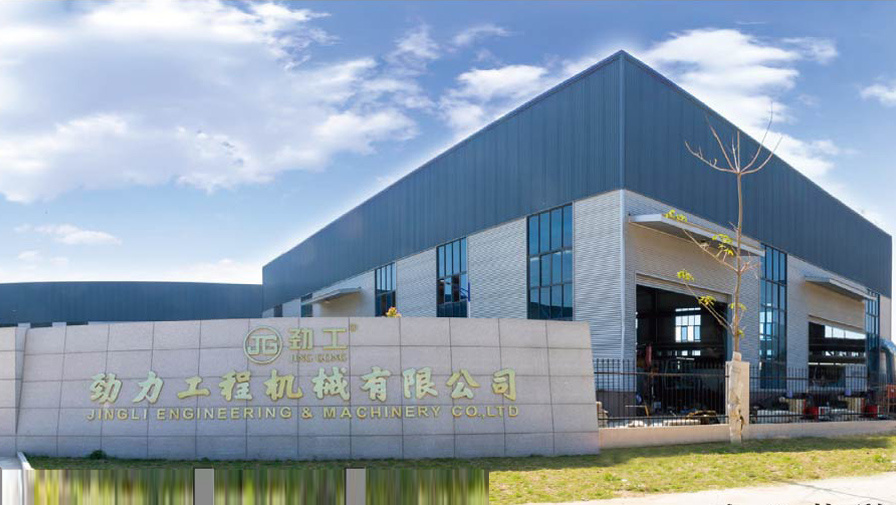
About UsQuanzhou Jinli Engineering Machinery Co., Ltd., established in July 2006, is a professional manufacturer specializing in design, development, production, and sales of equipment machinery.
-
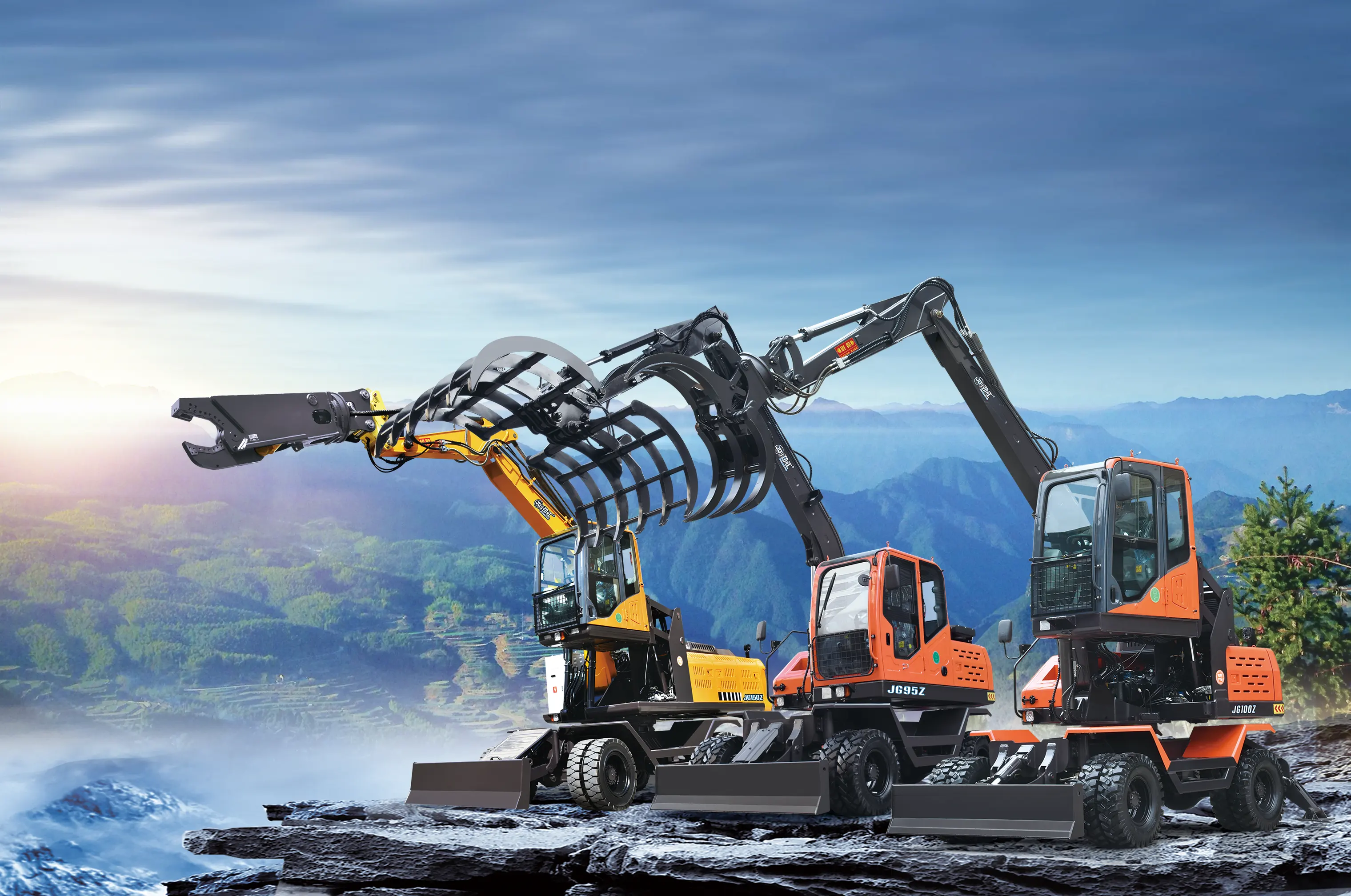
ProductsConstruction machinery: tire excavator, crawler excavator; Forestry machinery: bamboo and wood (sugarcane) picking and loading machines, multifunctional transfer machines; Harvesting machinery: whole rod sugarcane combine har
-
NewsJinggong adheres to the business philosophy of "technology supporting enterprises, quality bearing heavy trust", constantly develops new products guided by market demand, and presents satisfactory products to our customers.

-
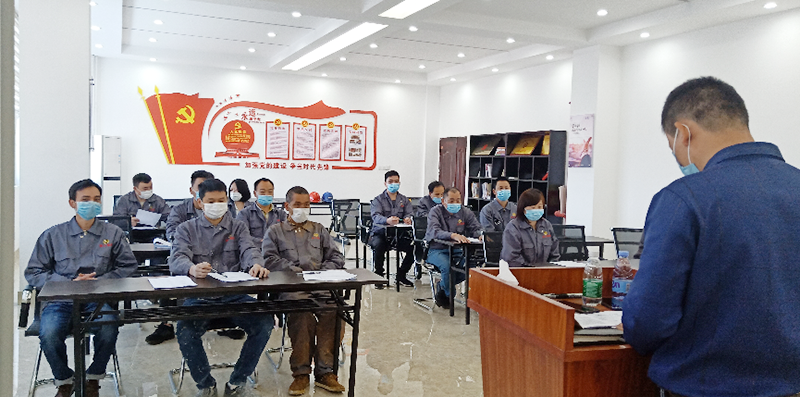
ServiceSince its establishment, we have always adhered to the service philosophy of "being close, caring, full lifecycle, and full value chain".
-
Contact UsCorporate Honors We provide our customers not only with advantageous products, technologies, and services, but also with a comprehensive solution to meet diverse needs, thereby continuously creating value for customers and he


Online Inquiry

JINGONG
NEWS
Elevate Construction Efficiency with a Dependable Compaction Wheel for Mini Excavators from China
TIME:2024-11-26 09:40
Elevate Construction Efficiency with a Dependable Compaction Wheel for Mini Excavators from China
Table of Contents
- Introduction to Compaction Wheels and Mini Excavators
- What is a Compaction Wheel?
- Benefits of Using Compaction Wheels for Mini Excavators
- Key Features of High-Quality Compaction Wheels
- Applications of Compaction Wheels in Construction
- Comparison with Other Compaction Methods
- How to Choose the Right Compaction Wheel for Your Mini Excavator
- Maintenance and Care for Compaction Wheels
- Frequently Asked Questions (FAQs)
- Conclusion
Introduction to Compaction Wheels and Mini Excavators
In the realm of construction, efficiency is paramount. Projects often depend on the ability to compact soil and materials effectively, ensuring a solid foundation for various applications. Mini excavators have become indispensable in construction due to their versatility and compact size. However, to maximize their potential, equipping them with a **dependable compaction wheel** is essential. This article delves into how a well-designed compaction wheel can elevate your construction efficiency significantly.
What is a Compaction Wheel?
A compaction wheel is an attachment designed to be fitted onto mini excavators to enhance their functionality in soil compaction tasks. These wheels apply pressure to the ground, compressing soil or aggregate materials, resulting in a denser and more stable surface. Unlike traditional methods of compaction, such as vibratory plates or rollers, compaction wheels offer a more integrated solution that works seamlessly with the excavator’s operation.
Types of Compaction Wheels
Compaction wheels come in various designs tailored for specific applications. Some notable types include:
- **Standard Compaction Wheels**: Ideal for general soil compaction tasks.
- **Heavy-Duty Compaction Wheels**: Designed for more challenging materials like gravel or clay.
- **Adjustable Compaction Wheels**: Allow customization of compaction depth and pressure based on project requirements.
Benefits of Using Compaction Wheels for Mini Excavators
Integrating a compaction wheel on a mini excavator offers numerous advantages that contribute to construction efficiency. Here are some key benefits:
1. Enhanced Productivity
By utilizing a compaction wheel, operators can complete compaction tasks faster than traditional methods. The ability to compact soil while maneuvering the excavator saves time and reduces the number of passes needed.
2. Improved Soil Stability
Proper compaction is crucial for creating a stable base for construction. Compaction wheels provide uniform pressure, enhancing the overall stability and integrity of the ground, which is vital for building foundations and roadways.
3. Versatility in Applications
Compaction wheels can be used in a variety of applications, including landscaping, road construction, and drainage projects. Their adaptability makes them a valuable tool for contractors handling diverse tasks.
4. Cost-Effectiveness
Investing in a compaction wheel can yield significant savings by reducing labor costs and equipment wear. The efficiency gained translates to less time spent on-site and more projects completed.
5. Minimal Environmental Impact
Compared to traditional compaction methods that might require heavy machinery, compaction wheels are less disruptive. They help minimize soil displacement and are better for the surrounding environment.
Key Features of High-Quality Compaction Wheels
When selecting a compaction wheel, certain features can significantly influence performance. Here are essential attributes to consider:
1. Material Quality
High-quality compaction wheels are constructed from durable materials that resist wear and tear. Look for wheels made from hardened steel or other robust alloys to ensure longevity.
2. Design and Weight
The design of the compaction wheel, including its shape and weight distribution, affects its effectiveness. A heavier wheel often provides better compaction, while a well-designed shape can facilitate smoother operation.
3. Customization Options
The ability to customize compaction parameters, such as pressure and depth, enhances efficiency. Look for wheels that allow easy adjustment to accommodate different soil types and project demands.
4. Compatibility
Ensure that the compaction wheel is compatible with various mini excavator models. A universal fit allows for greater flexibility in your equipment inventory.
Applications of Compaction Wheels in Construction
Compaction wheels have a broad range of applications in the construction industry, including:
1. Road Construction
In road building, compacted subgrade is crucial for pavement durability. Compaction wheels efficiently compact the base layers, ensuring long-lasting road performance.
2. Site Preparation
For new constructions, site preparation is essential. Compaction wheels help create a stable foundation by compacting the soil, reducing settlement issues later on.
3. Landscaping Projects
In landscaping, compacting soil for gardens, patios, and pathways ensures a solid base that minimizes erosion and maintains aesthetic appeal.
4. Utility Installation
When installing utilities, compacting backfill material helps prevent future settling and ensures proper function of the installed systems.
Comparison with Other Compaction Methods
While compaction wheels are advantageous, it's helpful to compare them with other compaction methods to understand their unique benefits.
1. Vibratory Plate Compactors
Vibratory plate compactors are effective for small areas but can be less efficient than compaction wheels when covering larger surfaces. Additionally, they require separate handling and transport.
2. Rollers
Compaction rollers are typically used for extensive compaction tasks, but they are not as versatile in tight spaces. Compaction wheels provide the same level of compaction while maintaining the mini excavator's maneuverability.
3. Handheld Compactors
Handheld compaction tools are labor-intensive and time-consuming, making them impractical for larger sites. In contrast, compaction wheels facilitate faster operations with less manual effort.
How to Choose the Right Compaction Wheel for Your Mini Excavator
Selecting the right compaction wheel is crucial for maximizing efficiency. Here are steps to guide your decision:
1. Assess Your Project Needs
Evaluate the type of projects you'll be undertaking. Consider soil types, depth of compaction needed, and specific site requirements.
2. Check Compatibility
Ensure the compaction wheel is compatible with your mini excavator's model and attachment specifications.
3. Prioritize Quality
Invest in a high-quality compaction wheel from a reputable manufacturer. While the initial cost may be higher, the long-term benefits will outweigh the expenditure.
4. Read Reviews and Testimonials
Research customer reviews and testimonials regarding performance and durability. Real-world experiences can provide insights that specifications might not reveal.
5. Consult Experts
If unsure, consult with construction equipment experts or dealers who can provide tailored recommendations based on your unique needs and budget.
Maintenance and Care for Compaction Wheels
To ensure longevity and optimal performance of your compaction wheel, regular maintenance is essential. Here are some maintenance tips:
1. Regular Inspections
Conduct frequent inspections for wear and damage. Look for cracks, dents, or deformities that could affect performance.
2. Clean After Use
After each use, clean the wheel to remove dirt and debris. This practice helps prevent rust and corrosion.
3. Lubrication
Apply appropriate lubricants to moving parts as recommended by the manufacturer. Proper lubrication minimizes friction and extends the life of the wheel.
4. Store Properly
When not in use, store the compaction wheel in a dry, protected location to prevent exposure to the elements.
Frequently Asked Questions (FAQs)
1. What is the typical lifespan of a compaction wheel?
The lifespan of a compaction wheel largely depends on usage, materials, and maintenance. Generally, with proper care, a compaction wheel can last several years.
2. Can I use a compaction wheel on different soil types?
Yes, compaction wheels are versatile and can be used on various soil types, including clay, gravel, and sandy soils, although specific designs may perform better with certain materials.
3. How do I know if I need a heavy-duty compaction wheel?
If you frequently work with challenging materials or in high-pressure applications, investing in a heavy-duty compaction wheel is advisable for better durability and performance.
4. Is it easy to install a compaction wheel on my mini excavator?
Most compaction wheels are designed for easy installation and can typically be attached without specialized tools. Refer to the manufacturer's instructions for specific guidance.
5. What are the cost considerations for compaction wheels?
Cost can vary based on size, material quality, and brand. While there may be cheaper options, investing in a higher-quality compaction wheel will likely provide better performance and longevity.
Conclusion
Incorporating a reliable **compaction wheel** into your mini excavator can significantly enhance construction efficiency. By understanding the benefits, features, and applications of these tools, you can make informed decisions that optimize your projects. Investing in high-quality compaction wheels not only improves productivity but also ensures a solid foundation for any construction endeavor. As the industry evolves, staying ahead with dependable equipment is crucial for achieving success on job sites.
Related News
Contact Us
No. 88, Pan Cuo, Jiaonan Village, Heshizhen, Luojiang District, Quanzhou City, Fujian Province


