
-
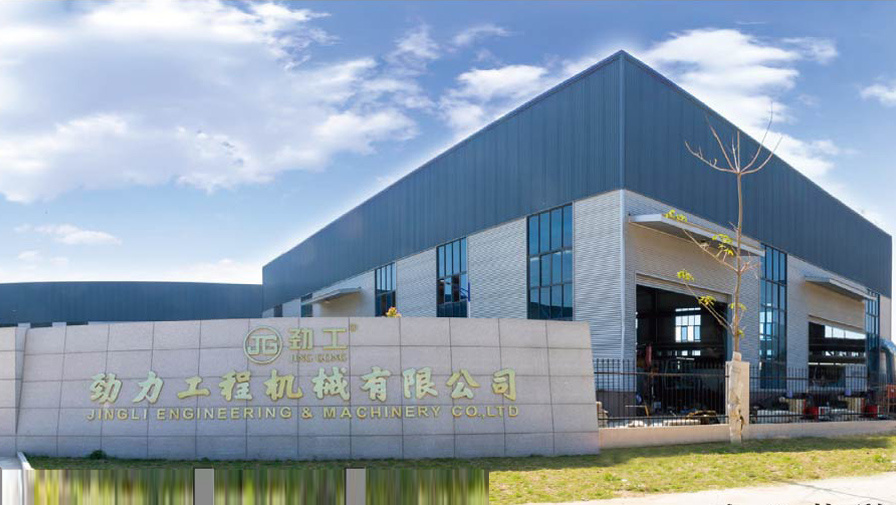
About UsQuanzhou Jinli Engineering Machinery Co., Ltd., established in July 2006, is a professional manufacturer specializing in design, development, production, and sales of equipment machinery.
-
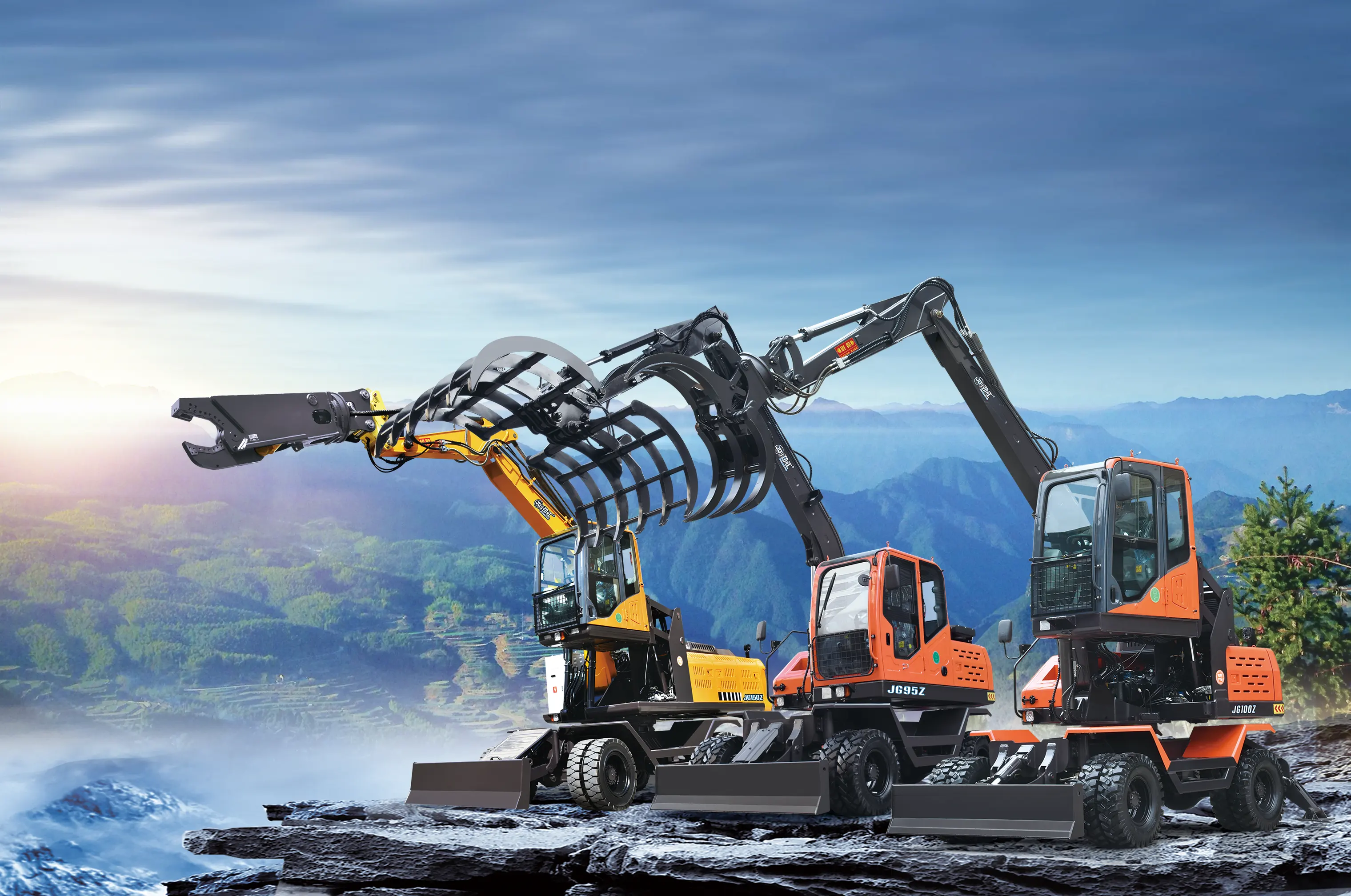
ProductsConstruction machinery: tire excavator, crawler excavator; Forestry machinery: bamboo and wood (sugarcane) picking and loading machines, multifunctional transfer machines; Harvesting machinery: whole rod sugarcane combine har
-
NewsJinggong adheres to the business philosophy of "technology supporting enterprises, quality bearing heavy trust", constantly develops new products guided by market demand, and presents satisfactory products to our customers.

-
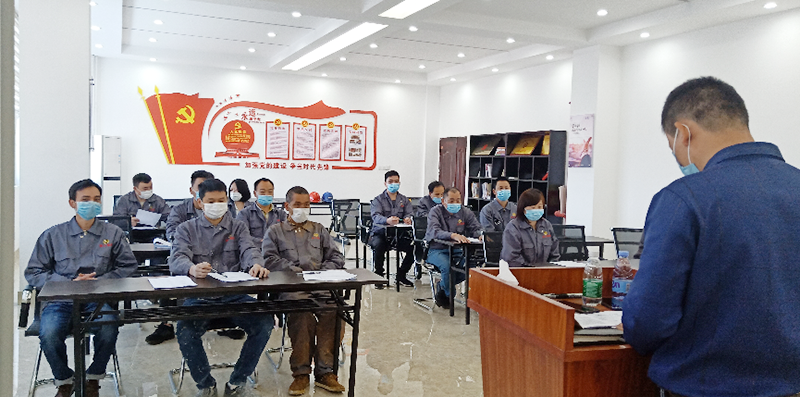
ServiceSince its establishment, we have always adhered to the service philosophy of "being close, caring, full lifecycle, and full value chain".
-
Contact UsCorporate Honors We provide our customers not only with advantageous products, technologies, and services, but also with a comprehensive solution to meet diverse needs, thereby continuously creating value for customers and he


Online Inquiry

JINGONG
NEWS
Enhance Soil Compaction with a Heavy-Duty and Reliable Wheel for Excavator
TIME:2024-12-20 11:00
Enhance Soil Compaction with a Heavy-Duty and Reliable Wheel for Excavator
Table of Contents
- 1. Introduction to Soil Compaction and Excavators
- 2. The Importance of Soil Compaction in Construction
- 3. Heavy-Duty Wheels: A Key Component
- 4. Benefits of Using Heavy-Duty and Reliable Wheels
- 5. How to Choose the Right Wheel for Your Excavator
- 6. Applications of Heavy-Duty Wheels in Soil Compaction
- 7. Maintenance Tips for Your Excavator Wheels
- 8. Conclusion
- 9. FAQs
1. Introduction to Soil Compaction and Excavators
Soil compaction is a vital process in the construction and engineering industries, ensuring the ground is stable enough to support structures. Excavators play a crucial role in this process, equipped with various attachments designed to enhance performance. Among these, heavy-duty wheels stand out as essential components that significantly improve soil compaction capabilities. This article delves into the intricacies of enhancing soil compaction through the use of robust wheels in excavators, ensuring that your projects achieve optimal results.
2. The Importance of Soil Compaction in Construction
Soil compaction refers to the process of increasing the density of soil by reducing air gaps and improving cohesion among soil particles. This is critical for several reasons:
2.1 Stability of Structures
Well-compacted soil provides a stable foundation for buildings, roads, and other infrastructure, reducing the risk of settlement or shifting over time.
2.2 Load-Bearing Capacity
Compaction enhances the load-bearing capacity of the soil, allowing it to support heavier structures without risk of failure.
2.3 Minimizing Water Infiltration
Compacted soil reduces water infiltration, which can lead to erosion and instability. This is especially important in areas prone to heavy rainfall.
3. Heavy-Duty Wheels: A Key Component
Heavy-duty wheels for excavators are specifically designed to endure the rigors of construction sites while providing enhanced performance in soil compaction tasks. These wheels differ from standard options in various aspects:
3.1 Material and Durability
Constructed from high-quality materials, heavy-duty wheels boast exceptional durability, enabling them to withstand harsh working conditions, including rocky terrain and extreme temperatures.
3.2 Design Features
The design of heavy-duty wheels often includes reinforced rims and treads that improve traction and stability during operation. This allows for better control and efficiency when compacting soil.
3.3 Compatibility
These wheels are compatible with various excavator models, ensuring versatility in application across different projects.
4. Benefits of Using Heavy-Duty and Reliable Wheels
Investing in heavy-duty wheels for your excavator brings numerous advantages:
4.1 Enhanced Efficiency
With reliable wheels, your excavator can achieve superior compaction results in less time, increasing overall productivity on-site.
4.2 Reduced Wear and Tear
Heavy-duty wheels are designed to minimize wear and tear on your equipment, reducing maintenance costs and extending the lifespan of your excavator.
4.3 Improved Safety
Better soil compaction results in a safer working environment by minimizing the risk of soil failure, thus protecting workers and equipment.
5. How to Choose the Right Wheel for Your Excavator
Selecting the appropriate wheel for your excavator involves several considerations:
5.1 Understand Your Project Requirements
Evaluate the specific soil types and conditions of your project, as different wheels perform better under varying circumstances.
5.2 Assess Compatibility with Your Excavator
Ensure that the wheels you choose are compatible with your specific excavator model for optimal performance.
5.3 Check Load Ratings
Review the load ratings of the wheels to ensure they can handle the weight and pressure exerted during operation.
5.4 Consider Manufacturer Reputation
Opt for wheels from reputable manufacturers known for producing high-quality, heavy-duty products to ensure reliability and performance.
6. Applications of Heavy-Duty Wheels in Soil Compaction
Heavy-duty wheels for excavators are used in various applications, including:
6.1 Road Construction
In road construction projects, heavy-duty wheels ensure proper compaction of subgrade and base layers, leading to stable and durable road surfaces.
6.2 Foundation Preparation
For building projects, these wheels play a critical role in preparing the foundation by compacting soil layers to support structural loads.
6.3 Landscaping and Site Development
In landscaping projects, heavy-duty wheels help create level and stable surfaces for planting and other landscape features.
7. Maintenance Tips for Your Excavator Wheels
To ensure longevity and performance of your heavy-duty wheels, consider the following maintenance tips:
7.1 Regular Inspections
Conduct regular inspections for signs of wear, damage, or misalignment to address issues promptly.
7.2 Proper Cleaning
Clean wheels after each use to remove soil and debris that can cause wear and corrosion.
7.3 Lubrication
Ensure that all moving parts are well-lubricated to minimize friction and prevent premature wear.
7.4 Storage Conditions
Store wheels in a dry, sheltered environment to protect them from moisture and extreme temperatures.
8. Conclusion
Enhancing soil compaction with heavy-duty and reliable wheels for excavators is essential for achieving optimal results in construction projects. By understanding the importance of soil compaction, selecting appropriate wheels, and following maintenance best practices, you can significantly improve the efficiency and safety of your operations. Investing in quality components not only enhances performance but also extends the lifespan of your equipment, ensuring your projects are successful and sustainable.
9. FAQs
Q1: What is the role of wheel type in soil compaction?
A1: The type of wheel affects traction, stability, and overall compaction efficiency. Heavy-duty wheels offer better performance in challenging conditions.
Q2: Can I use standard wheels for compaction tasks?
A2: While standard wheels can provide some compaction, heavy-duty wheels are specifically designed for enhanced efficiency and durability in these tasks.
Q3: How often should I replace my excavator wheels?
A3: The replacement frequency depends on usage and wear; regular inspections should guide your decision to ensure optimal performance.
Q4: What are the signs of wear on excavator wheels?
A4: Signs include uneven tread wear, visible cracks or damage, and decreased traction during operation.
Q5: Is maintenance really necessary for excavator wheels?
A5: Yes, regular maintenance is crucial to extend the lifespan of your wheels and ensure their performance, ultimately saving costs in the long run.
Related News
Contact Us
No. 88, Pan Cuo, Jiaonan Village, Heshizhen, Luojiang District, Quanzhou City, Fujian Province


