
-
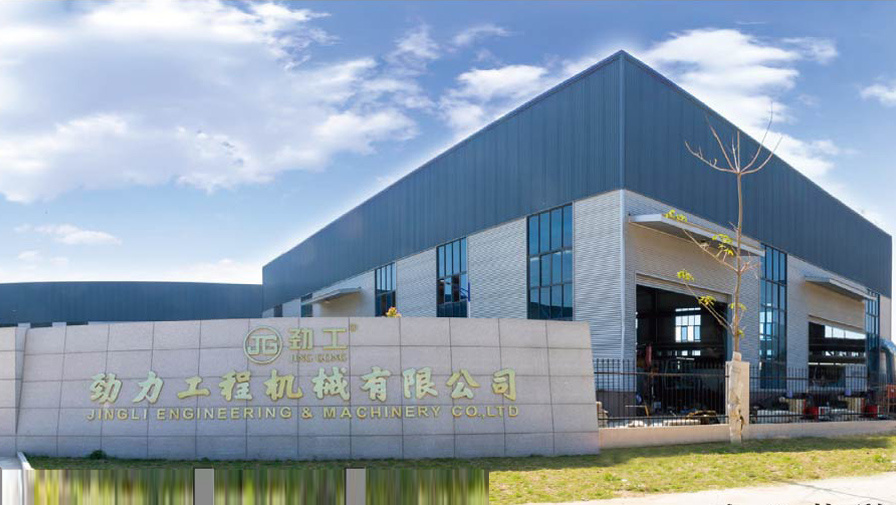
About UsQuanzhou Jinli Engineering Machinery Co., Ltd., established in July 2006, is a professional manufacturer specializing in design, development, production, and sales of equipment machinery.
-
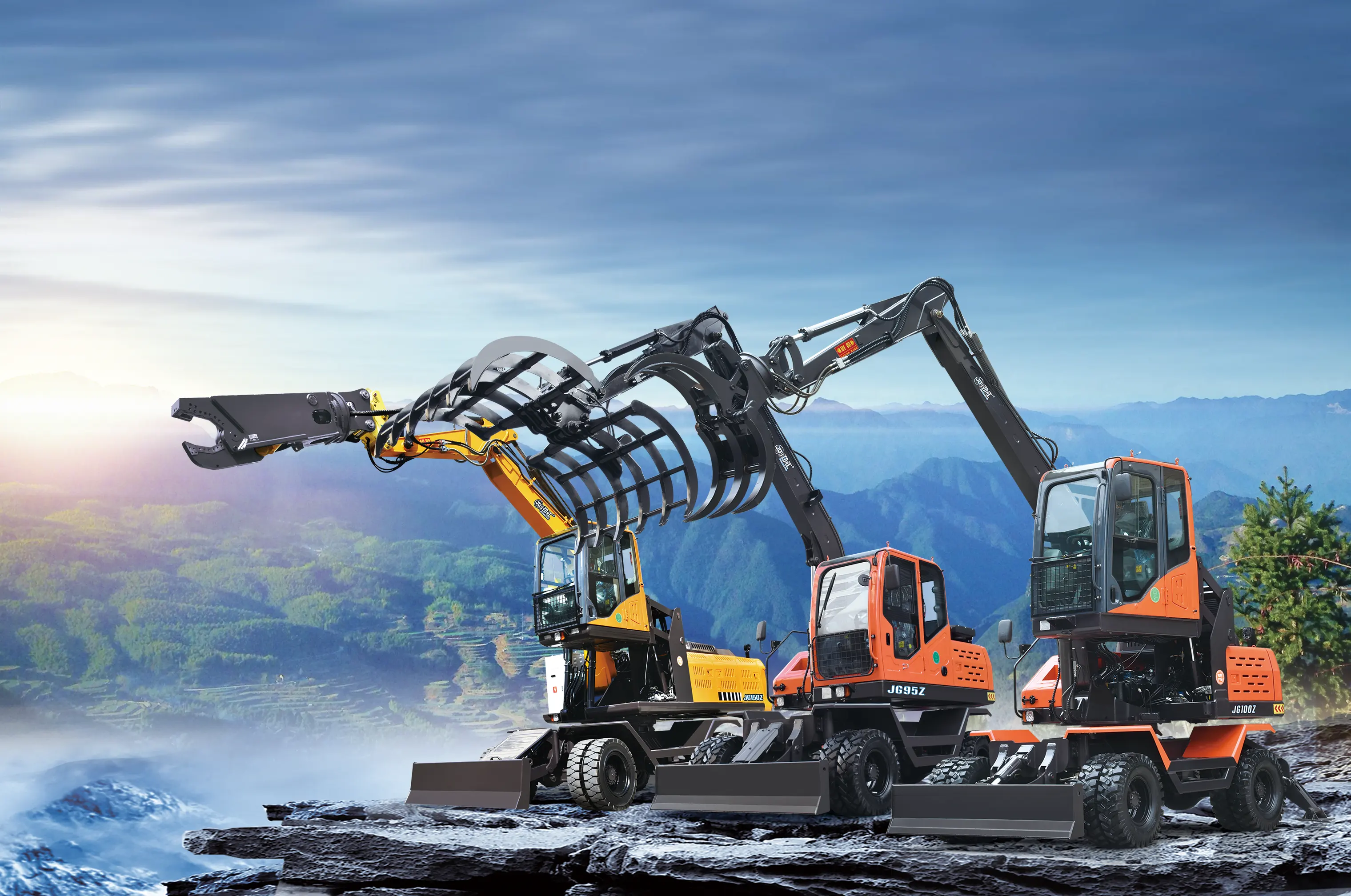
ProductsConstruction machinery: tire excavator, crawler excavator; Forestry machinery: bamboo and wood (sugarcane) picking and loading machines, multifunctional transfer machines; Harvesting machinery: whole rod sugarcane combine har
-
NewsJinggong adheres to the business philosophy of "technology supporting enterprises, quality bearing heavy trust", constantly develops new products guided by market demand, and presents satisfactory products to our customers.

-
ServiceSince its establishment, we have always adhered to the service philosophy of "being close, caring, full lifecycle, and full value chain".

-
Contact UsCorporate Honors We provide our customers not only with advantageous products, technologies, and services, but also with a comprehensive solution to meet diverse needs, thereby continuously creating value for customers and he


Online Inquiry

JINGONG
NEWS
How to Choose the Right Famous Compaction Wheel for Your Excavator
TIME:2025-01-01 10:20
How to Choose the Right Famous Compaction Wheel for Your Excavator
Table of Contents
- Introduction to Compaction Wheels
- Types of Compaction Wheels
- Understanding Excavator Compatibility
- Size and Design Considerations
- Performance Features to Evaluate
- Top Brands and Models of Compaction Wheels
- Cost and Value Analysis
- Maintenance and Durability
- Frequently Asked Questions
- Conclusion
Introduction to Compaction Wheels
Compaction wheels play a crucial role in enhancing the performance of excavators. These specialized attachments are designed to compact soil, gravel, and other materials efficiently, enabling faster and more effective construction and grading operations. When selecting a compaction wheel for your excavator, it's essential to consider various factors to ensure optimal performance and compatibility with your machine.
Types of Compaction Wheels
There are several types of compaction wheels available, each designed for specific applications. Understanding these types will help you make an informed decision.
1. Standard Compaction Wheels
Standard compaction wheels are typically used for general compacting tasks. They feature a smooth surface that provides excellent soil compaction and is versatile enough for various applications.
2. Heavy-Duty Compaction Wheels
Heavy-duty compaction wheels are built for more challenging environments. They are designed to withstand abrasive materials and harsh working conditions, making them ideal for construction sites with tough soil conditions.
3. Vibratory Compaction Wheels
Vibratory compaction wheels incorporate vibration technology to enhance their compaction capabilities. They are particularly effective in granular soils and can achieve higher compaction levels than standard wheels.
4. Steel Compaction Wheels
Steel compaction wheels are known for their durability and strength. They are perfect for heavy-duty applications and can provide excellent compaction in a variety of soil types.
Understanding Excavator Compatibility
Before selecting a compaction wheel, it’s vital to ensure it is compatible with your excavator. Compatibility factors include:
1. Excavator Size and Weight
The size and weight of your excavator determine the type and size of the compaction wheel it can handle. Always refer to the manufacturer's guidelines for weight limits and compatible attachments.
2. Mounting System
Different excavators have various mounting systems. Ensure that the compaction wheel you choose is designed to fit your excavator’s specific mounting style, whether it’s a pin-on, quick coupler, or other attachment methods.
3. Hydraulic Requirements
Some compaction wheels require hydraulic power to operate effectively. Make sure your excavator’s hydraulic system can support the compaction wheel’s operational needs.
Size and Design Considerations
Choosing the right size and design for your compaction wheel is essential for achieving optimal performance.
1. Wheel Diameter
The diameter of the compaction wheel affects its compaction depth and efficiency. Smaller wheels are suitable for tight spaces, while larger wheels provide deeper compaction.
2. Width and Shape
The width of the wheel also impacts its performance. Wider wheels offer more surface area for compaction, whereas narrower wheels can maneuver more easily in confined areas.
Performance Features to Evaluate
When assessing a compaction wheel, consider the following performance features that can enhance your excavator’s efficiency:
1. Compaction Force
The compaction force of the wheel determines its efficiency in compressing soil. Look for wheels that offer adjustable compaction forces for versatility.
2. Operating Speed
Higher operating speeds can lead to increased productivity. Choose a compaction wheel that allows for efficient operation without compromising on compaction quality.
3. Vibration Settings
If opting for a vibratory wheel, consider the vibration settings. Adjustable settings can help tailor the compaction process to different soil types and conditions.
Top Brands and Models of Compaction Wheels
Familiarizing yourself with leading brands can help you make a more informed choice. Here are some top brands known for their quality compaction wheels:
1. Caterpillar
Caterpillar is renowned for its robust construction equipment. Their compaction wheels are built to perform well in various conditions, ensuring reliability and efficiency.
2. Bobcat
Bobcat offers versatile compaction wheels that are easy to use and compatible with multiple excavator models. Their products are known for durability and performance.
3. Komatsu
Komatsu’s compaction wheels feature advanced technology and are designed for heavy-duty applications, making them suitable for challenging construction projects.
4. CASE
CASE equipment is recognized for its innovative designs. Their compaction wheels provide excellent performance, especially in granular soils.
Cost and Value Analysis
While price is an important factor to consider, it's essential to evaluate the overall value of the compaction wheel.
1. Initial Purchase Cost
Assess the upfront cost of the compaction wheel. Higher-priced models may offer superior performance and durability, potentially leading to cost savings in the long run.
2. Maintenance Costs
Consider the long-term maintenance costs associated with the wheel. Some models are designed for lower maintenance, which can contribute to savings over time.
3. Resale Value
Certain brands and models retain their value better than others. Opt for reputable brands to ensure a higher resale value should you decide to upgrade in the future.
Maintenance and Durability
Ensuring the longevity of your compaction wheel requires proper maintenance and choosing durable products.
1. Regular Inspections
Conduct regular inspections to check for wear and tear. Addressing minor issues promptly can prevent more significant problems down the line.
2. Cleaning and Storage
After use, clean the compaction wheel to remove debris. Store it in a dry environment to protect it from unnecessary damage.
3. Replacement Parts
Choose a compaction wheel that has readily available replacement parts. This can ensure that you can maintain the wheel efficiently without excessive downtime.
Frequently Asked Questions
1. What is a compaction wheel used for?
A compaction wheel is used to compact soil and other materials, improving stability and reducing settlement in construction projects.
2. How do I know what size compaction wheel to purchase?
Choosing the right size depends on your excavator’s specifications and the type of work you will be doing. Consult your excavator’s manual for compatibility guidelines.
3. Can I use a compaction wheel on different types of soil?
Yes, but the effectiveness may vary based on the wheel type and soil condition. For example, vibratory wheels perform better in granular soils.
4. How do I maintain my compaction wheel?
Regular inspections, cleaning after use, and proper storage are essential for maintaining a compaction wheel. Follow the manufacturer’s maintenance guidelines for best results.
5. Are more expensive compaction wheels worth it?
In many cases, yes. Higher-priced wheels often offer better durability, performance, and lower maintenance costs over time, leading to better overall value.
Conclusion
Choosing the right compaction wheel for your excavator is a critical decision that can greatly impact your project's efficiency and effectiveness. By understanding the various types of wheels, evaluating compatibility, and considering performance features, you can make an informed choice that meets your specific needs. Remember to assess the overall value, including maintenance and durability, to ensure a wise investment. With the right compaction wheel, you can enhance your excavator's capabilities and achieve superior results in your construction endeavors.
Related News
Contact Us
No. 88, Pan Cuo, Jiaonan Village, Heshizhen, Luojiang District, Quanzhou City, Fujian Province


