
-
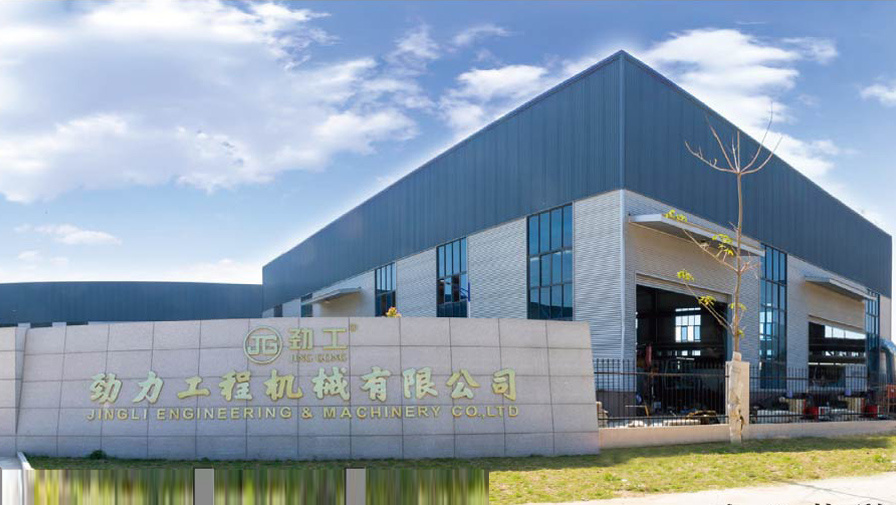
About UsQuanzhou Jinli Engineering Machinery Co., Ltd., established in July 2006, is a professional manufacturer specializing in design, development, production, and sales of equipment machinery.
-
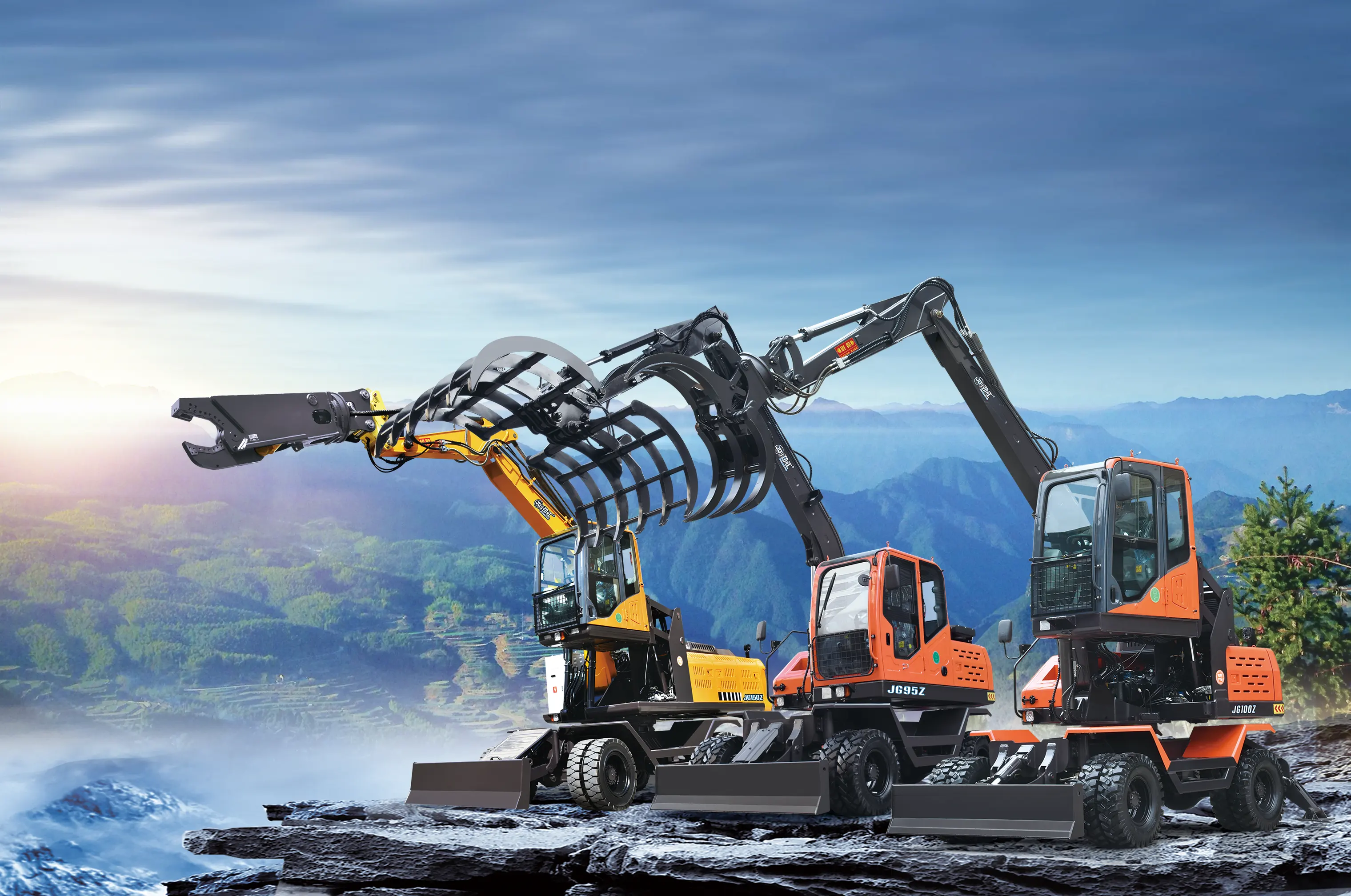
ProductsConstruction machinery: tire excavator, crawler excavator; Forestry machinery: bamboo and wood (sugarcane) picking and loading machines, multifunctional transfer machines; Harvesting machinery: whole rod sugarcane combine har
-
NewsJinggong adheres to the business philosophy of "technology supporting enterprises, quality bearing heavy trust", constantly develops new products guided by market demand, and presents satisfactory products to our customers.

-
ServiceSince its establishment, we have always adhered to the service philosophy of "being close, caring, full lifecycle, and full value chain".

-
Contact UsCorporate Honors We provide our customers not only with advantageous products, technologies, and services, but also with a comprehensive solution to meet diverse needs, thereby continuously creating value for customers and he


Online Inquiry

JINGONG
NEWS
Boost Construction Efficiency with the Most Reliable Excavator Compaction Wheel
TIME:2025-03-26 10:40
Boost Construction Efficiency with the Most Reliable Excavator Compaction Wheel
Table of Contents
- Introduction
- Understanding Excavator Compaction Wheels
- Benefits of Using Excavator Compaction Wheels
- Choosing the Right Excavator Compaction Wheel
- Factors to Consider for Optimal Performance
- Best Practices for Excavator Compaction Wheel Use
- Maintenance and Care
- Conclusion
- FAQs
Introduction
In the world of construction, efficiency and reliability are paramount. As projects become more complex and deadlines tighter, the tools and machinery used in these tasks must adapt to meet these challenges. One such tool that has gained a reputation for enhancing productivity is the **excavator compaction wheel**. This essential piece of equipment is designed to improve soil compaction, thereby laying a solid foundation for various construction projects. In this article, we will delve into everything you need to know about excavator compaction wheels and how they can boost your construction efficiency.
Understanding Excavator Compaction Wheels
Excavator compaction wheels are attachments that can be fitted onto excavators to enhance their versatility. These wheels are specifically designed to compact soil and aggregate materials, making them ideal for projects such as road construction, land grading, and foundation preparation. Typically, these wheels feature a series of drum-like structures that exert pressure on the ground to achieve the desired compaction level.
How Excavator Compaction Wheels Work
The principle behind an excavator compaction wheel is straightforward: by applying mechanical force to the soil or aggregate beneath it, the wheel compresses the materials, reducing air voids and increasing density. This process is crucial for ensuring the stability and longevity of any construction work.
Types of Excavator Compaction Wheels
Different types of compaction wheels exist, tailored for various applications, including:
- **Standard Compaction Wheels**: Best for general soil and aggregate.
- **Vibratory Compaction Wheels**: Use vibration to enhance compaction efficiency.
- **Heavy-Duty Compaction Wheels**: Designed for tougher terrains and materials.
Understanding these variations allows construction professionals to choose the right wheel based on project requirements.
Benefits of Using Excavator Compaction Wheels
Utilizing an excavator compaction wheel offers several benefits that significantly enhance construction projects:
1. Improved Efficiency
By integrating a compaction wheel, excavators can perform two tasks simultaneously—digging and compacting—thereby saving time and labor costs.
2. Versatility
Excavator compaction wheels can be used in various applications, from roadwork to landscaping, making them a versatile tool for any construction site.
3. Enhanced Soil Stability
Proper compaction improves soil stability, reducing the risk of future settling and structural issues.
4. Cost-Effectiveness
Investing in a reliable compaction wheel can lead to significant savings on labor and rework, ultimately affecting your bottom line positively.
Choosing the Right Excavator Compaction Wheel
Selecting the right excavator compaction wheel is crucial for maximizing performance and efficiency. Here are key factors to consider:
1. Project Requirements
Evaluate the specific needs of your project. Are you dealing with cohesive soils, granular materials, or a combination of both? Understanding the soil type will guide your choice.
2. Excavator Size and Weight
Ensure that the compaction wheel is compatible with your excavator's size and weight. Overloading can lead to equipment damage and safety hazards.
3. Compaction Depth
Different compaction wheels achieve varying depths of compaction. Determine the necessary depth for your project to select an appropriate option.
4. Budget Considerations
While a higher price often correlates with better quality, ensure that the compaction wheel fits within your project budget without compromising on reliability.
Factors to Consider for Optimal Performance
Once you've selected the right excavator compaction wheel, several factors can influence its performance on the job site:
1. Operating Speed
The speed at which you operate the compaction wheel can impact its effectiveness. Slower speeds often yield better compaction results, especially in cohesive soils.
2. Moisture Content
Soil moisture levels play a significant role in compaction. Too much moisture can lead to inefficient compaction, while too little can result in cracking and uneven surfaces.
3. Number of Passes
Completing multiple passes may be necessary for achieving adequate compaction, particularly in larger areas or challenging soil types.
4. Operator Skill
The operator's experience and understanding of how to effectively use the compaction wheel can greatly influence the overall outcome.
Best Practices for Excavator Compaction Wheel Use
To ensure the highest efficiency and performance from your excavator compaction wheel, consider the following best practices:
1. Regular Training for Operators
Invest in training for your operators to maximize their efficiency and understanding of the compaction wheel's operation.
2. Pre-Operation Checks
Conduct thorough checks before use to ensure the equipment is in optimal working condition. Look for signs of wear or damage.
3. Monitor Job Site Conditions
Be aware of changing site conditions, such as weather and soil moisture, to adjust your compaction approach as needed.
4. Document Compaction Results
Keep thorough records of your compaction efforts, including soil type, moisture content, and number of passes, to inform future projects.
Maintenance and Care
Proper maintenance of your excavator compaction wheel is critical for performance and longevity:
1. Regular Inspections
Conduct frequent inspections for any signs of wear, damage, or misalignment. Addressing issues early can prevent costly repairs.
2. Lubrication
Ensure that all moving parts are adequately lubricated to reduce friction and wear.
3. Cleaning
After use, clean the compaction wheel to remove soil and debris, preventing corrosion and maintaining performance.
4. Store Properly
When not in use, store the compaction wheel in a dry, sheltered area to protect it from the elements.
Conclusion
In an ever-evolving construction landscape, the **excavator compaction wheel** stands out as a vital tool for enhancing efficiency and reliability. By understanding the mechanics, choosing the right wheel, and adhering to best practices, construction professionals can achieve optimal results on their projects. Investing time in proper maintenance and operator training will further ensure that this equipment continues to perform at its best, ultimately contributing to successful, efficient, and high-quality construction outcomes.
FAQs
1. What is an excavator compaction wheel used for?
An excavator compaction wheel is used to compact soil and aggregate materials, enhancing the stability and density of the ground for construction projects.
2. How do I choose the right compaction wheel for my excavator?
Consider factors such as project requirements, soil type, excavator compatibility, and budget when choosing a compaction wheel.
3. What are the benefits of using a compaction wheel?
Using a compaction wheel improves operational efficiency, enhances soil stability, and can lead to cost savings on labor and materials.
4. How often should I perform maintenance on my compaction wheel?
Regular inspections and maintenance should be conducted before and after each use to ensure the equipment is in good working condition.
5. Can I use an excavator compaction wheel on all soil types?
While compaction wheels are versatile, it's essential to understand the specific soil type and conditions to select the most effective wheel and approach for compaction.
Related News
Contact Us
No. 88, Pan Cuo, Jiaonan Village, Heshizhen, Luojiang District, Quanzhou City, Fujian Province


