
-
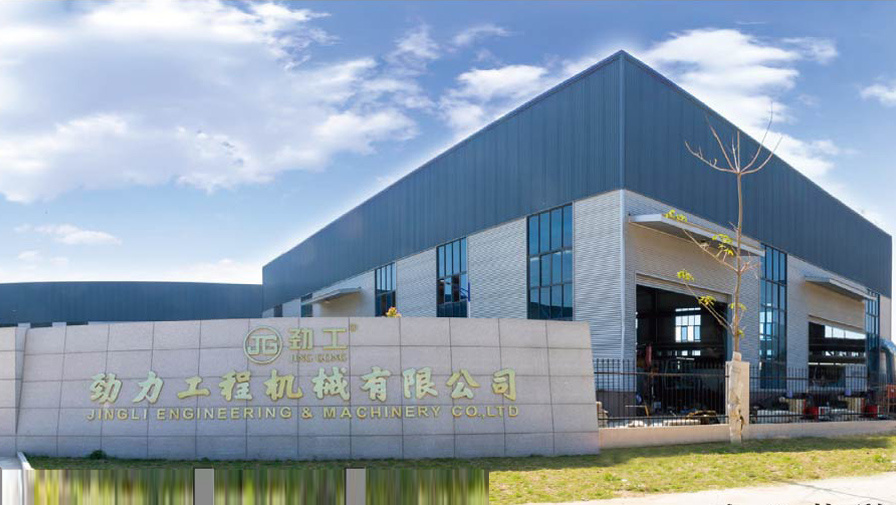
About UsQuanzhou Jinli Engineering Machinery Co., Ltd., established in July 2006, is a professional manufacturer specializing in design, development, production, and sales of equipment machinery.
-
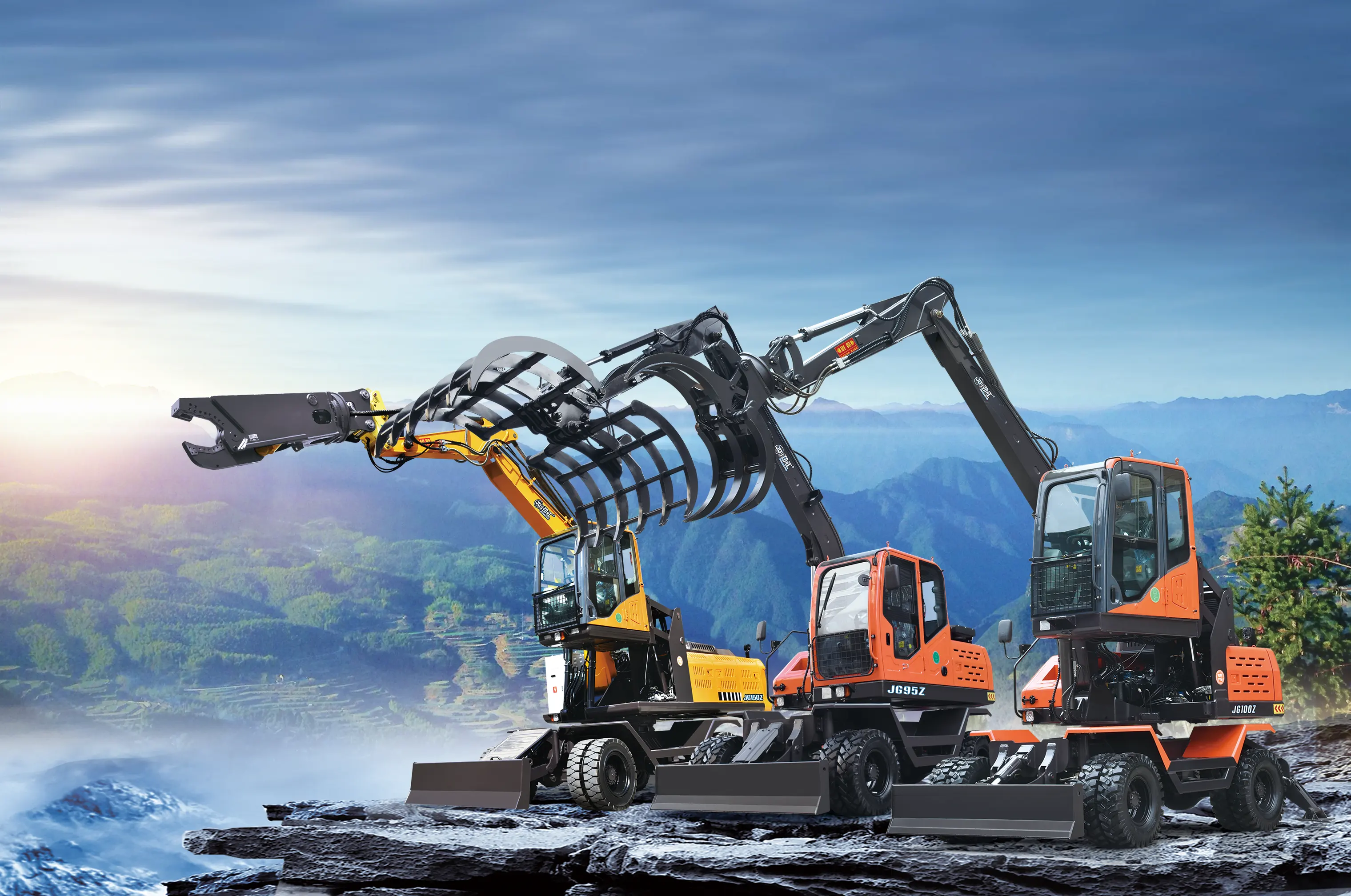
ProductsConstruction machinery: tire excavator, crawler excavator; Forestry machinery: bamboo and wood (sugarcane) picking and loading machines, multifunctional transfer machines; Harvesting machinery: whole rod sugarcane combine har
-
NewsJinggong adheres to the business philosophy of "technology supporting enterprises, quality bearing heavy trust", constantly develops new products guided by market demand, and presents satisfactory products to our customers.

-
ServiceSince its establishment, we have always adhered to the service philosophy of "being close, caring, full lifecycle, and full value chain".

-
Contact UsCorporate Honors We provide our customers not only with advantageous products, technologies, and services, but also with a comprehensive solution to meet diverse needs, thereby continuously creating value for customers and he


Online Inquiry

JINGONG
NEWS
Enhance Construction Quality with the Renowned Compaction Wheel for Excavators
TIME:2025-04-13 10:40
Enhance Construction Quality with the Renowned Compaction Wheel for Excavators
Table of Contents
- 1. Introduction to Compaction Wheels for Excavators
- 2. What is a Compaction Wheel?
- 3. Benefits of Using Compaction Wheels in Construction
- 4. How Compaction Wheels Work: An In-Depth Look
- 5. Applications of Compaction Wheels in Excavation
- 6. Choosing the Right Compaction Wheel for Your Needs
- 7. Comparative Analysis: Compaction Wheels vs. Traditional Methods
- 8. Expert Insights: Tips for Maximizing Compaction Efficiency
- 9. Frequently Asked Questions
- 10. Conclusion: Investing in Quality Construction
1. Introduction to Compaction Wheels for Excavators
In the realm of construction and excavation, achieving high-quality soil compaction is vital for the longevity and stability of any project. The **compaction wheel** for excavators has emerged as a game-changing tool that enhances the efficiency and effectiveness of soil compaction. This article delves deep into the features and benefits of this remarkable equipment, offering insights that will help contractors, engineers, and project managers understand how to leverage this technology.
2. What is a Compaction Wheel?
A **compaction wheel** is a specialized attachment designed for excavators, aimed at providing superior soil compaction in a variety of construction applications. Unlike traditional compaction methods, which may require multiple passes and additional machinery, the compaction wheel integrates seamlessly with excavators, allowing operators to achieve optimal soil density in less time.
2.1 Key Features of Compaction Wheels
- **Durability**: Built to withstand challenging conditions, compaction wheels are constructed from high-strength materials designed for longevity.
- **Adjustable Settings**: Many compaction wheels feature adjustable settings that allow operators to customize the compaction force according to project requirements.
- **Versatility**: Suitable for a wide range of soil types, from granular to cohesive materials, making them ideal for various applications.
3. Benefits of Using Compaction Wheels in Construction
Incorporating compaction wheels into construction projects offers numerous advantages that can significantly enhance overall project quality:
3.1 Improved Soil Density
A compaction wheel can achieve higher soil density compared to traditional methods, which directly translates to improved load-bearing capacity and stability.
3.2 Increased Efficiency
With the ability to compact soil efficiently in fewer passes, projects can be completed faster, reducing labor costs and project timelines.
3.3 Enhanced Surface Finishes
The smooth, level surfaces produced by compaction wheels minimize the need for additional finishing work, leading to cost savings and improved aesthetics.
3.4 Reduced Environmental Impact
Efficient compaction reduces the need for additional materials and minimizes soil displacement, contributing to more sustainable construction practices.
4. How Compaction Wheels Work: An In-Depth Look
Understanding the mechanics of compaction wheels is crucial for maximizing their effectiveness. The wheel typically consists of a series of interconnected steel drums that rotate, applying pressure to the ground.
4.1 Mechanism of Action
As the excavator moves forward, the compaction wheel's weight and rotational motion create a dynamic impact on the soil, compressing it effectively. The geometry of the drums allows for optimal contact with the ground, ensuring even distribution of pressure.
4.2 Different Compaction Techniques
- **Static Compaction**: Utilizes the weight of the wheel to compress the soil without additional vibration.
- **Vibratory Compaction**: Incorporates vibration to enhance soil particle movement, achieving superior compaction levels.
5. Applications of Compaction Wheels in Excavation
Compaction wheels are versatile tools that find application in various sectors of construction:
5.1 Road Construction
In road construction, compaction wheels provide the necessary density to ensure stable road bases and subgrades, crucial for long-lasting infrastructure.
5.2 Pipeline Installation
When installing pipelines, achieving proper soil compaction around the pipeline is essential to prevent future settlement issues. Compaction wheels can easily navigate tight spaces and ensure even compaction.
5.3 Landscaping and Site Preparation
In landscaping projects, compaction wheels help prepare the soil for planting by ensuring proper soil density, which enhances water retention and root growth.
5.4 Foundation Work
For foundation work, compacted soil is essential to support the weight of structures. Using compaction wheels ensures that the soil meets required specifications for stability.
6. Choosing the Right Compaction Wheel for Your Needs
Selecting the appropriate compaction wheel involves several considerations to ensure optimal performance:
6.1 Size and Compatibility
Choose a compaction wheel that is compatible with your excavator's specifications. The size and weight should match your machine's capabilities for safe operation.
6.2 Type of Soil
Different compaction wheels may perform better on certain soil types. Consider the soil conditions of your project when selecting the equipment.
6.3 Adjustable Features
Opt for wheels that offer adjustable settings, allowing for customization based on project requirements and soil conditions.
7. Comparative Analysis: Compaction Wheels vs. Traditional Methods
Understanding the advantages of compaction wheels over traditional compaction methods is essential for making informed decisions.
7.1 Time Efficiency
Traditional compaction methods often require multiple tools and passes to achieve the desired results. Compaction wheels streamline the process, resulting in time savings.
7.2 Cost-Effectiveness
While the initial investment in a compaction wheel may be higher than equipment for traditional methods, the long-term savings from reduced labor and enhanced efficiency outweigh the costs.
7.3 Quality of Compaction
Compaction wheels provide consistent and uniform compaction, whereas traditional methods can lead to uneven results, compromising project integrity.
8. Expert Insights: Tips for Maximizing Compaction Efficiency
To optimize the effectiveness of compaction wheels on your projects, consider the following expert tips:
8.1 Regular Maintenance
Routine inspection and maintenance of the compaction wheel will ensure optimal performance and longevity. Check for wear and tear regularly.
8.2 Training Operators
Ensure that operators are well-trained in the use of compaction wheels to maximize efficiency and minimize risks.
8.3 Monitoring Soil Conditions
Be aware of soil moisture levels and composition, as these factors significantly impact compaction effectiveness. Adjust techniques accordingly.
9. Frequently Asked Questions
9.1 What is the primary benefit of using a compaction wheel?
The primary benefit is the ability to achieve higher soil density with fewer passes, enhancing efficiency and reducing project timelines.
9.2 Can a compaction wheel be used on all soil types?
While compaction wheels are versatile, their effectiveness can vary depending on soil types. It's essential to choose the right wheel based on your specific soil conditions.
9.3 How do I know if my excavator is compatible with a compaction wheel?
Check the specifications provided by the manufacturer of the compaction wheel to confirm compatibility with your excavator model.
9.4 What maintenance do compaction wheels require?
Regular checks for wear, lubrication of moving parts, and inspection for any damage are essential for maintaining a compaction wheel.
9.5 Are there differences between static and vibratory compaction wheels?
Yes, static compaction relies on the weight of the wheel, while vibratory wheels use vibration to enhance soil compaction, offering different results based on project needs.
10. Conclusion: Investing in Quality Construction
In summary, the **compaction wheel for excavators** is an invaluable tool in the construction industry, offering significant improvements in soil compaction quality, efficiency, and cost-effectiveness. Investing in this technology not only enhances project outcomes but also contributes to more sustainable construction practices. By understanding its features, benefits, and applications, professionals can leverage the compaction wheel to elevate their construction projects to new heights. Embrace the future of excavation with cutting-edge equipment that ensures quality and reliability in every endeavor.
Related News
Contact Us
No. 88, Pan Cuo, Jiaonan Village, Heshizhen, Luojiang District, Quanzhou City, Fujian Province


