
-
About UsQuanzhou Jinli Engineering Machinery Co., Ltd., established in July 2006, is a professional manufacturer specializing in design, development, production, and sales of equipment machinery.

-
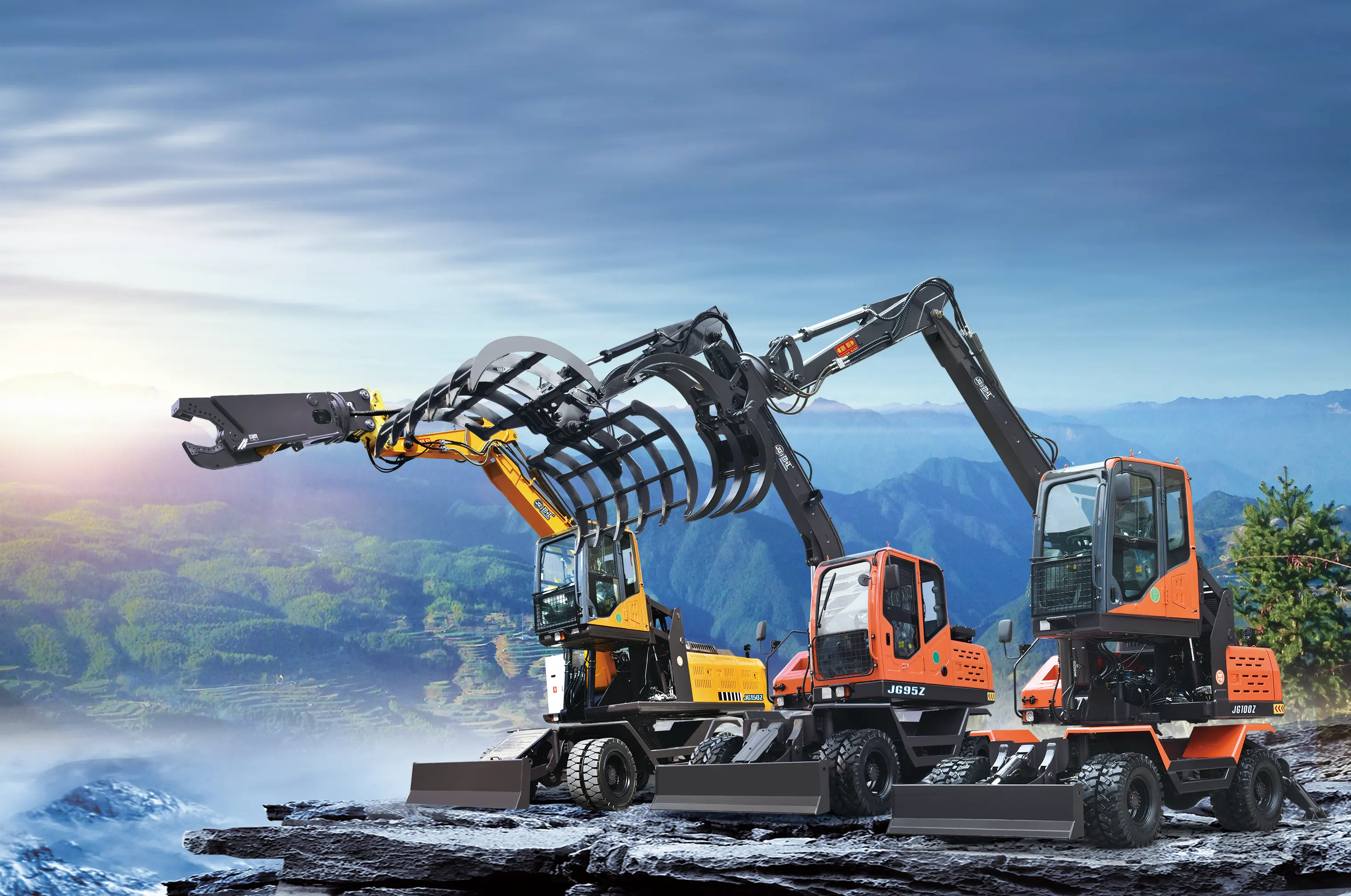
ProductsConstruction machinery: tire excavator, crawler excavator; Forestry machinery: bamboo and wood (sugarcane) picking and loading machines, multifunctional transfer machines; Harvesting machinery: whole rod sugarcane combine har
-
NewsJinggong adheres to the business philosophy of "technology supporting enterprises, quality bearing heavy trust", constantly develops new products guided by market demand, and presents satisfactory products to our customers.

-
ServiceSince its establishment, we have always adhered to the service philosophy of "being close, caring, full lifecycle, and full value chain".
-
Contact UsCorporate Honors We provide our customers not only with advantageous products, technologies, and services, but also with a comprehensive solution to meet diverse needs, thereby continuously creating value for customers and he


Online Inquiry

JINGONG
NEWS
Efficiently Compact Hard-to-Reach Areas with a Mini Excavator Compaction Wheel
TIME:2025-06-30 10:00
Efficiently Compact Hard-to-Reach Areas with a Mini Excavator Compaction Wheel
Table of Contents
- Introduction: The Need for Compacting in Tight Spaces
- Understanding Mini Excavators and Compaction Wheels
- Benefits of Using a Mini Excavator Compaction Wheel
- Applications of Mini Excavator Compaction Wheels
- Choosing the Right Compaction Wheel for Your Project
- Best Practices for Operating a Mini Excavator with a Compaction Wheel
- Safety Tips for Using a Mini Excavator Compaction Wheel
- Conclusion: Elevate Your Project Efficiency
- Frequently Asked Questions
Introduction: The Need for Compacting in Tight Spaces
In the world of construction and landscaping, **efficiently compacting soil** in hard-to-reach areas is a challenge that often hinders project timelines and overall effectiveness. Traditional compaction methods may not be feasible in confined spaces, such as narrow alleyways, tight corners, or areas surrounded by delicate structures. As a result, **mini excavators equipped with compaction wheels** have emerged as a game-changing solution, enabling operators to tackle these tricky spots with ease.
This article delves into the **features and advantages of using a mini excavator compaction wheel**, its various applications, and essential tips for maximizing its effectiveness while maintaining safety.
Understanding Mini Excavators and Compaction Wheels
Mini excavators are compact, versatile machines designed for a wide range of construction tasks. Their compact size allows them to access limited spaces where larger excavators cannot operate. When paired with a **compaction wheel**, these machines can effectively compact soil, gravel, and other materials, ensuring a solid foundation for various projects.
What is a Compaction Wheel?
A **compaction wheel**, also known as a compactor wheel, is an attachment designed for use with excavators, specifically mini excavators. It consists of a series of heavy, interlocking wheels that compress material as the machine moves forward. This innovative tool is specifically engineered to deliver consistent compaction results, making it ideal for applications requiring high-density soil.
Benefits of Using a Mini Excavator Compaction Wheel
Employing a mini excavator compaction wheel provides numerous advantages that enhance project execution:
1. Access to Hard-to-Reach Areas
Mini excavators are inherently compact, and when equipped with a compaction wheel, they can navigate and operate in areas that might otherwise be inaccessible. This capability is invaluable for projects involving landscaping, utility installations, and road construction.
2. Enhanced Compaction Efficiency
Compaction wheels deliver superior performance compared to traditional compaction methods, particularly in tight spaces. Their design allows for uniform pressure distribution, resulting in well-compacted surfaces that can support structures and prevent settling over time.
3. Versatility in Applications
The adaptability of mini excavator compaction wheels makes them suitable for a variety of applications. From **landscaping projects** to **commercial construction**, these attachments can handle different soil types and materials, making them a valuable asset for contractors.
4. Time and Cost Savings
By effectively compacting hard-to-reach areas, mini excavators with compaction wheels minimize the need for additional machinery and labor, ultimately reducing project costs and completion times. This efficiency translates into higher productivity and profitability for contractors.
Applications of Mini Excavator Compaction Wheels
The versatility of mini excavator compaction wheels means they can be applied in several contexts, including:
1. Landscaping Projects
In landscaping, compacted soil is essential for the stability of paths, driveways, and garden beds. A mini excavator compaction wheel can help achieve optimal compaction levels, ensuring that landscapes remain intact over time.
2. Utility Installation
When installing utilities (e.g., water, gas, or electrical lines), it is crucial to compact the backfill material properly to prevent settling. Using a mini excavator equipped with a compaction wheel can enhance the integrity of these installations.
3. Road Construction and Maintenance
For road construction, achieving a well-compacted base is fundamental for durability and safety. Mini excavators fitted with compaction wheels can navigate tight roadways and cul-de-sacs, ensuring a solid foundation.
4. Foundation Preparation
Before constructing any building, a well-compacted base is necessary. Mini excavator compaction wheels allow for effective soil compaction in confined areas around the foundation, promoting structural stability.
5. Backfill Operations
Compacting backfill material efficiently is critical to avoid future issues such as settling or cracking. The precision of a mini excavator compaction wheel ensures that backfill is uniformly compacted, reducing potential complications.
Choosing the Right Compaction Wheel for Your Project
Selecting the appropriate compaction wheel for your mini excavator is essential for maximizing efficiency and effectiveness. Consider the following factors:
1. Size and Weight
The size and weight of the compaction wheel should match the specifications of your mini excavator. An incompatible wheel may lead to operational difficulties or equipment damage.
2. Wheel Material
Different materials provide varying levels of durability and performance. Select a compaction wheel made from high-quality, robust materials to ensure longevity and consistent results.
3. Compaction Depth
Evaluate the required compaction depth for your specific project. Different compaction wheels offer varying capabilities, so selecting one that meets your needs is crucial for efficient operation.
4. Compatibility with Your Mini Excavator
Ensure that the compaction wheel is compatible with your specific mini excavator model. Compatibility ensures seamless integration and optimal performance.
Best Practices for Operating a Mini Excavator with a Compaction Wheel
To maximize the effectiveness of your mini excavator compaction wheel, consider the following best practices:
1. Prepare the Site
Before beginning compaction, prepare the site by removing any obstructions, debris, or large rocks that could hinder compaction efforts. A clean workspace ensures optimal performance.
2. Adjust Operating Speed
Operating speed directly affects compaction results. Start with a slower speed to allow for adequate compaction and gradually increase speed as needed, depending on the material being compacted.
3. Overlap Passes
When compacting an area, overlapping passes is essential to achieve uniform compaction. Ensure each pass overlaps the previous one to eliminate gaps and inconsistencies.
4. Monitor the Compaction Process
Regularly check the compaction process to ensure that it meets project specifications. Use density tests to determine if further compaction is necessary.
5. Maintain Equipment
Proper maintenance of the mini excavator and compaction wheel is crucial for optimal performance. Regular inspections and servicing will ensure longevity and reliability.
Safety Tips for Using a Mini Excavator Compaction Wheel
Safety should always be a priority when operating heavy machinery. Follow these safety tips to ensure a safe working environment:
1. Wear Personal Protective Equipment (PPE)
Always wear appropriate PPE, including hard hats, gloves, safety glasses, and steel-toed boots, to protect yourself from potential hazards on the job site.
2. Conduct Pre-Operational Inspections
Before operating the mini excavator, conduct thorough pre-operational checks to ensure all components are functioning correctly. Address any issues before commencing work.
3. Maintain Clear Communication
Establish clear communication among team members to avoid accidents and ensure everyone is aware of the equipment's movements.
4. Follow Manufacturer Guidelines
Always adhere to the manufacturer's operating instructions for both the mini excavator and the compaction wheel. This will help maintain safe and effective operation.
5. Be Aware of Surroundings
Stay mindful of the surroundings, especially in tight spaces where visibility may be limited. Always be cautious of pedestrians, other machinery, and potential hazards.
Conclusion: Elevate Your Project Efficiency
Utilizing a mini excavator compaction wheel is a smart investment for contractors seeking to increase efficiency and productivity in hard-to-reach areas. This innovative tool simplifies the compaction process, saving time and costs while enhancing project outcomes. By following best practices, choosing the right equipment, and prioritizing safety, contractors can maximize the benefits of this versatile attachment.
Frequently Asked Questions
1. What types of projects benefit from using a mini excavator compaction wheel?
Mini excavator compaction wheels are ideal for landscaping, utility installation, road construction, foundation preparation, and backfill operations.
2. How deep can a compaction wheel compact soil?
The compaction depth varies based on the specific wheel model and soil type. Typically, compaction wheels can compact to depths of several inches to a foot.
3. Can I use a compaction wheel on all types of soil?
While compaction wheels work well on most soil types, their effectiveness may vary depending on the soil's moisture content and type. It's essential to choose the right wheel for your specific soil conditions.
4. How do I know when the soil is adequately compacted?
Conducting density tests can help determine if the soil has reached the desired compaction level. Visual inspections for stability and firmness can also provide guidance.
5. Is a mini excavator compaction wheel compatible with all mini excavators?
No, compatibility depends on the specific mini excavator model. Always check the manufacturer’s specifications to ensure proper fit and performance.
With this comprehensive guide, contractors and operators can confidently approach their compacting tasks with a mini excavator compaction wheel, achieving efficient and effective results in any tight space.
Related News
Contact Us
No. 88, Pan Cuo, Jiaonan Village, Heshizhen, Luojiang District, Quanzhou City, Fujian Province


